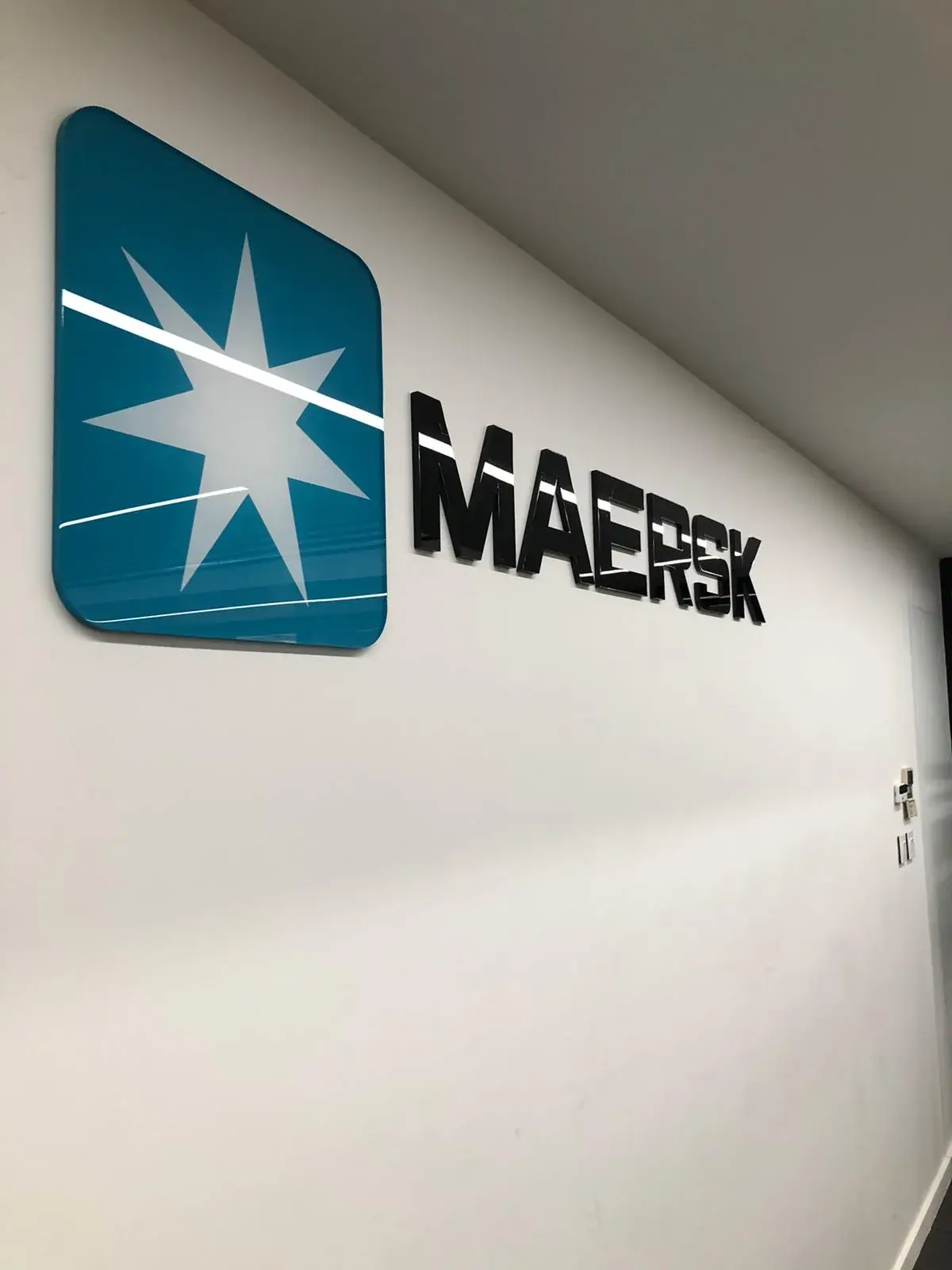
A complete local service
PLANNING OFFICE SIGNS
IN CENTRAL LONDON.
Office signs combine company identification, room information and wayfinding across a working environment. A coordinated system helps visitors find the entrance and destinations while keeping logos, typography, colour and materials consistent throughout the premises.
01 / Central London context
Retail frontages, restaurants, offices and commercial properties
Central London premises compete for attention in busy streets, shopping districts and mixed-use buildings. Signage needs to communicate quickly while respecting the architecture, neighbouring businesses and any landlord or planning requirements. We help businesses choose formats, materials and lighting that suit both the brand and the building.
Based in East London, London Signage provides design, manufacture and installation throughout Central London. We coordinate illuminated letters, fascia signs, projection signs, office branding and window treatments around live commercial environments.
02 / Uses in Central London
Where this service fits
External entrance signs, reception branding, directories, meeting-room identification, door plaques and directional signs can be planned as one family. Updateable elements are useful in shared offices or buildings where departments, tenants or room functions may change.
For a Central London project, those options are assessed against the premises, the audience described in the brief and the local commercial setting above. We do not assume that a format suited to one frontage, interior or vehicle will suit another.
03 / Materials and finishes
Specified for the application
Acrylic plaques, fabricated metal or acrylic letters, aluminium panels, wall vinyl and interchangeable directory strips support different viewing distances and update cycles. The specification should consider wall finishes, lighting, cleaning and accessibility alongside brand appearance.
04 / Production
How office signs are made
A sign schedule records each message, location, dimension and fixing method before manufacture. Artwork and destination names are proofed as a complete set, then components are cut, printed, painted or assembled with consistent spacing and finish references.
05 / Delivery and installation
Fitting this service in Central London
Fitting is planned around occupied areas, furniture, hidden services, access rules and completed decorative surfaces. Low-dust methods, protected work zones and an agreed sequence can limit disruption to staff and visitors during installation.
Central London installations often need careful scheduling, access planning and coordination with building management. We can plan surveys and fitting around trading hours and discuss access, parking, power and working-height requirements before manufacture.
06 / Durability and care
A finish made for daily use
Cleaning instructions should suit both the sign material and the surrounding wall finish. Retaining approved artwork, paint references and the original sign schedule makes future additions easier to match.
07 / Coordinated project delivery
One point of contact from brief to completion
Keeping design, production and fitting coordinated makes it easier to manage decisions and deadlines. Send the service required, delivery or installation address, approximate sizes, photographs, artwork and target date when requesting a quotation. We can then identify missing information and recommend the next practical step.
Businesses often combine office signs with window graphics, internal signs, printed displays or vehicle branding. The related links below connect to dedicated Central London pages so complementary services can be reviewed without leaving the same local service group.
For the most accurate quotation, include the quantity, approximate dimensions, preferred finish, installation address and any deadline that affects production. Clear photographs should show the full frontage, vehicle or fitting area as well as close views of the surface. If landlord approval, access permission or an electrical connection is still being arranged, mention this at the beginning. These details help us separate confirmed requirements from optional items, explain assumptions clearly and provide a proposal that can be compared against the finished scope of work. This preparation also helps identify decisions that can be confirmed later without delaying artwork, material ordering, manufacturing or the agreed installation programme.