01 / City of London EC1–EC4 context
Office signage, wayfinding, reception branding and high-footfall frontages
In the Square Mile, signs often need to work within managed offices, historic streets and high-specification interiors. Material samples, finishes, fixing methods and lighting all contribute to a result that feels appropriate to the building and easy for visitors to navigate.
The City calls for signage that is clear, durable and carefully planned around busy buildings, entrances and commercial schedules. We produce external identification, reception lettering, wayfinding, privacy film and branded graphics.
02 / Uses in City of London
Where this service fits
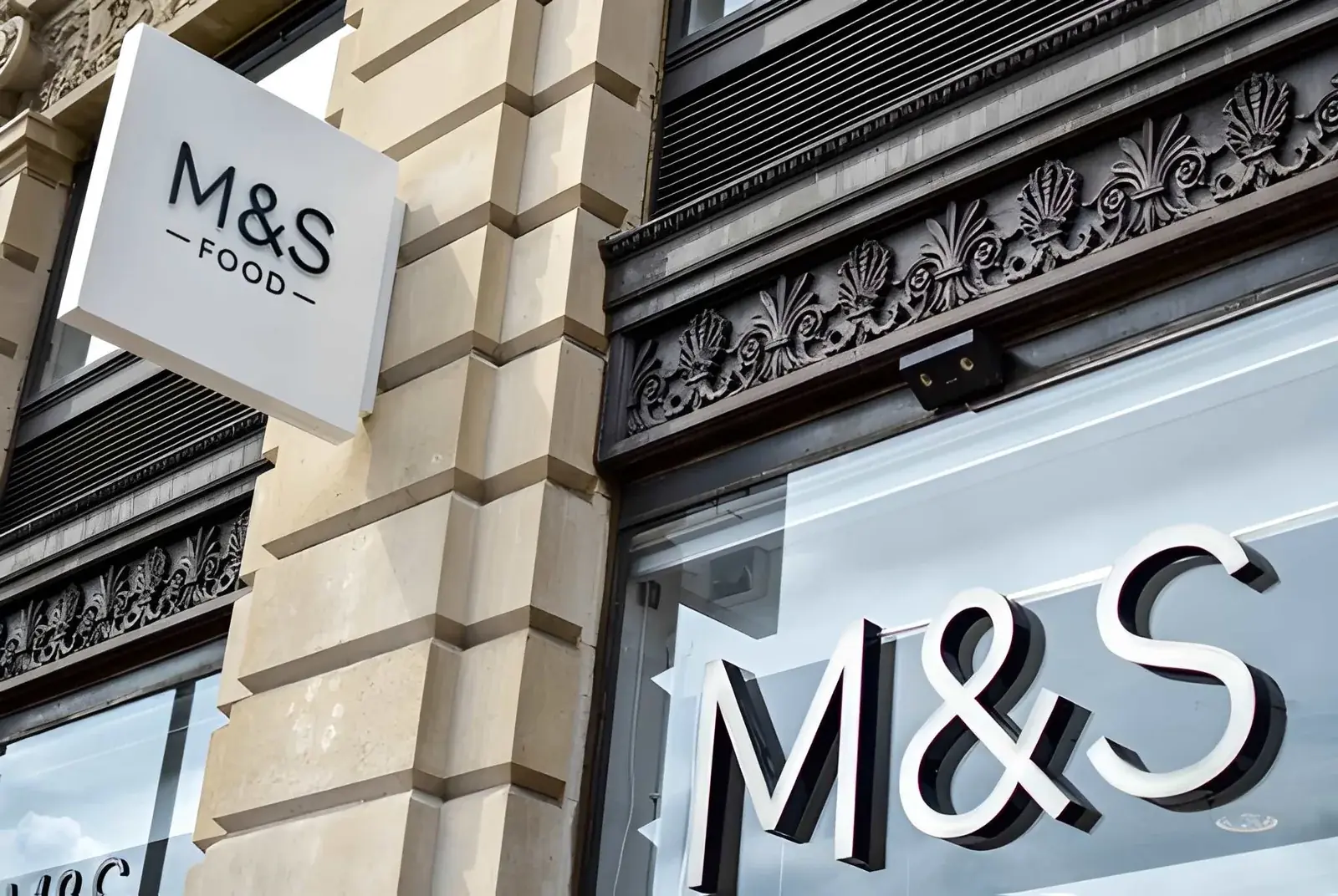
They are useful for shops, restaurants, studios and entrances that are easy to miss when viewed from the side. Double-sided panels, shaped signs and internally illuminated boxes provide different levels of detail and evening visibility.
For a City of London project, those options are assessed against the premises, the audience described in the brief and the local commercial setting above. We do not assume that a format suited to one frontage, interior or vehicle will suit another.
03 / Materials and finishes
Specified for the application
Powder-coated steel brackets, aluminium or acrylic panels, fabricated light boxes and applied vinyl are common choices. Panel thickness, bracket reach and wind loading influence the specification as much as colour and typography.
04 / Production
How projection signs are made
Artwork is prepared for both faces and checked for the viewing distance available. Brackets and panels are fabricated as a matched set, graphics are applied square to the sign shape, and illuminated units are assembled and tested before fitting.
05 / Delivery and installation
Fitting this service in City of London
Bracket positions need a sound substrate and adequate clearance from doors, neighbouring signs and the pedestrian route. Height, projection, access equipment and any electrical feed should be agreed before manufacture.
City installations may involve loading restrictions, security procedures, inductions and limited working windows. Confirming these details early helps us plan the survey, manufacture and fitting sequence efficiently.
07 / Coordinated project delivery
One point of contact from brief to completion
Keeping design, production and fitting coordinated makes it easier to manage decisions and deadlines. Send the service required, delivery or installation address, approximate sizes, photographs, artwork and target date when requesting a quotation. We can then identify missing information and recommend the next practical step.
Businesses often combine projection signs with window graphics, internal signs, printed displays or vehicle branding. The related links below connect to dedicated City of London EC1–EC4 pages so complementary services can be reviewed without leaving the same local service group.
For the most accurate quotation, include the quantity, approximate dimensions, preferred finish, installation address and any deadline that affects production. Clear photographs should show the full frontage, vehicle or fitting area as well as close views of the surface. If landlord approval, access permission or an electrical connection is still being arranged, mention this at the beginning. These details help us separate confirmed requirements from optional items, explain assumptions clearly and provide a proposal that can be compared against the finished scope of work. This preparation also helps identify decisions that can be confirmed later without delaying artwork, material ordering, manufacturing or the agreed installation programme.