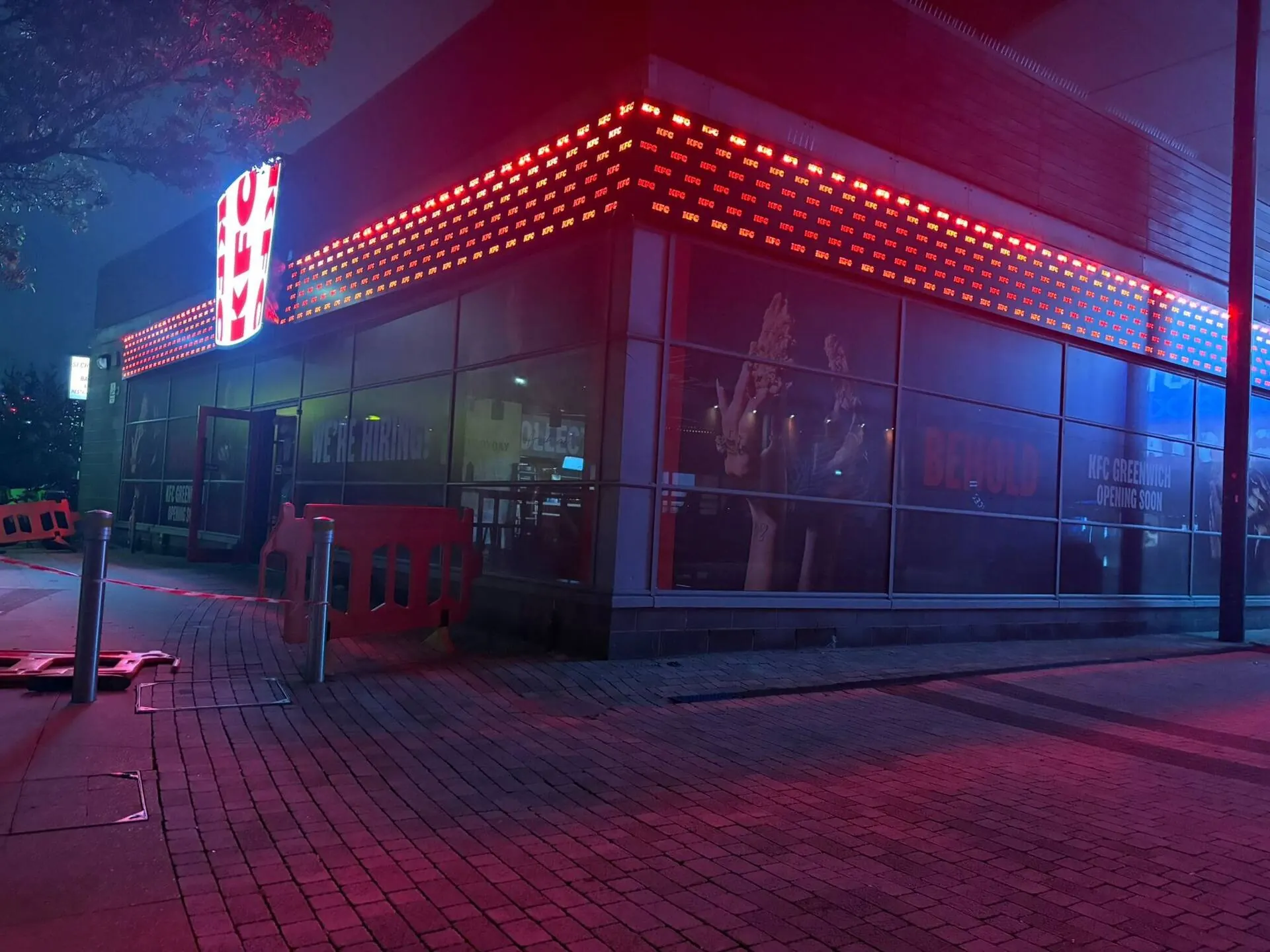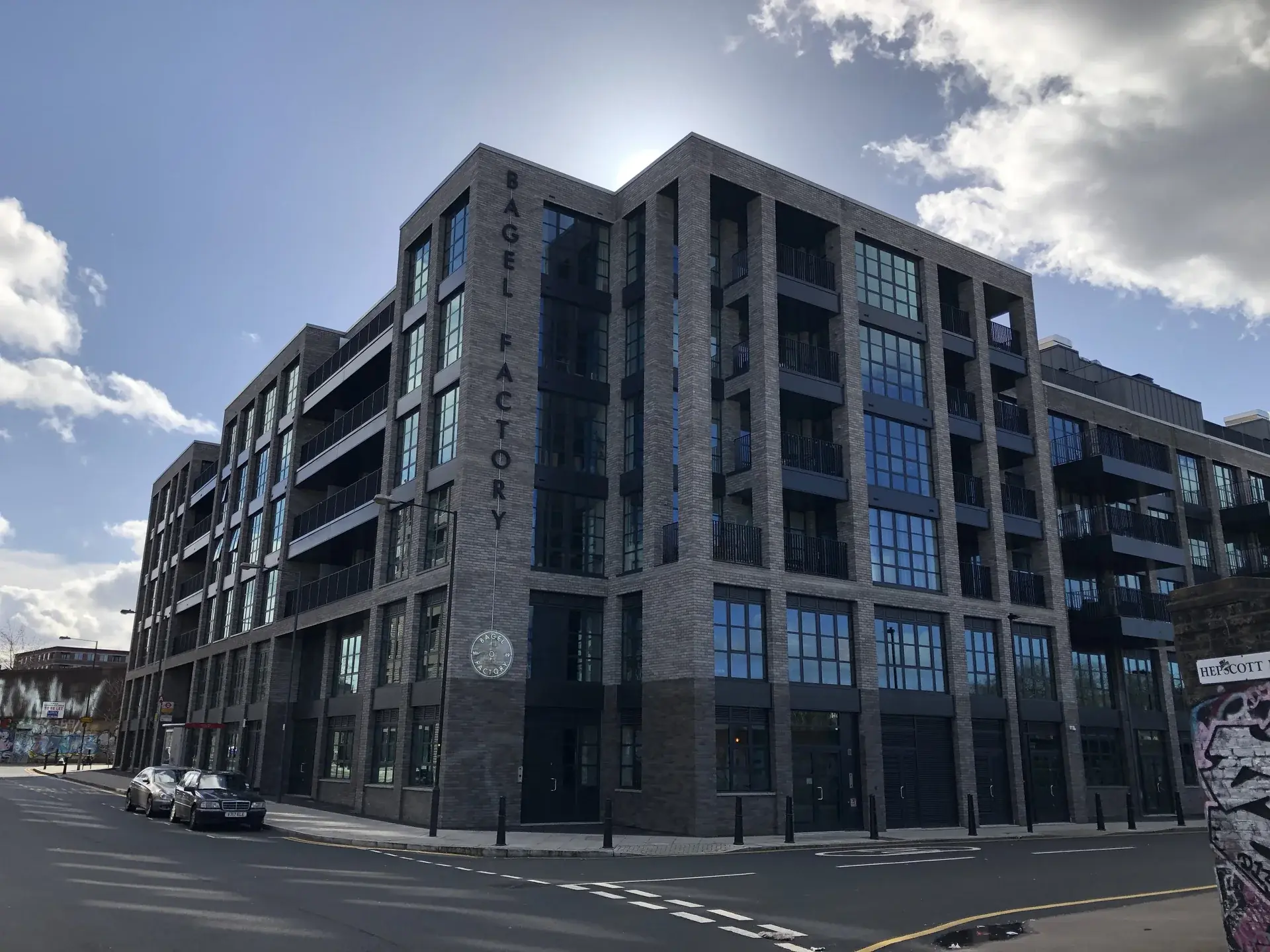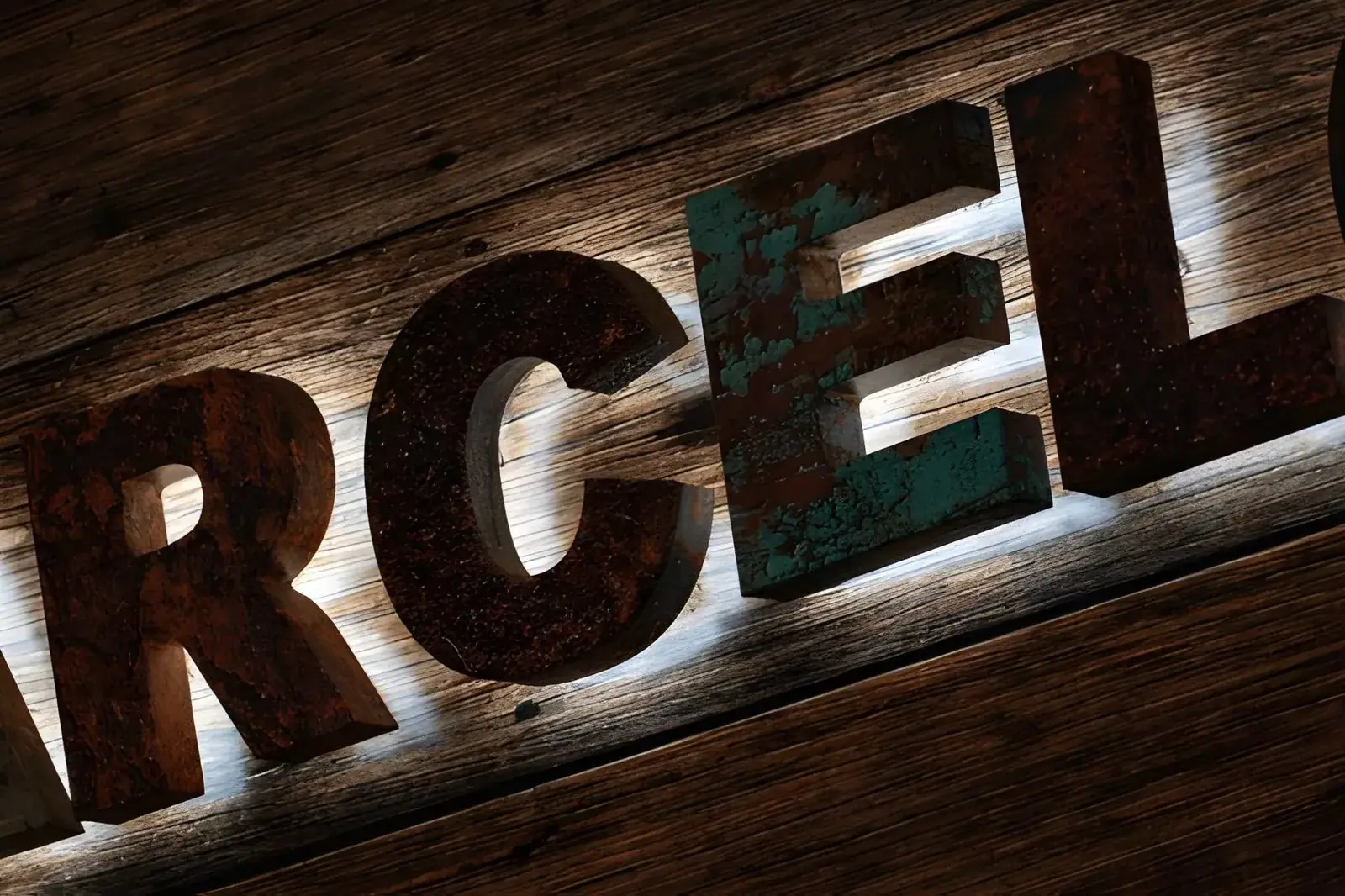
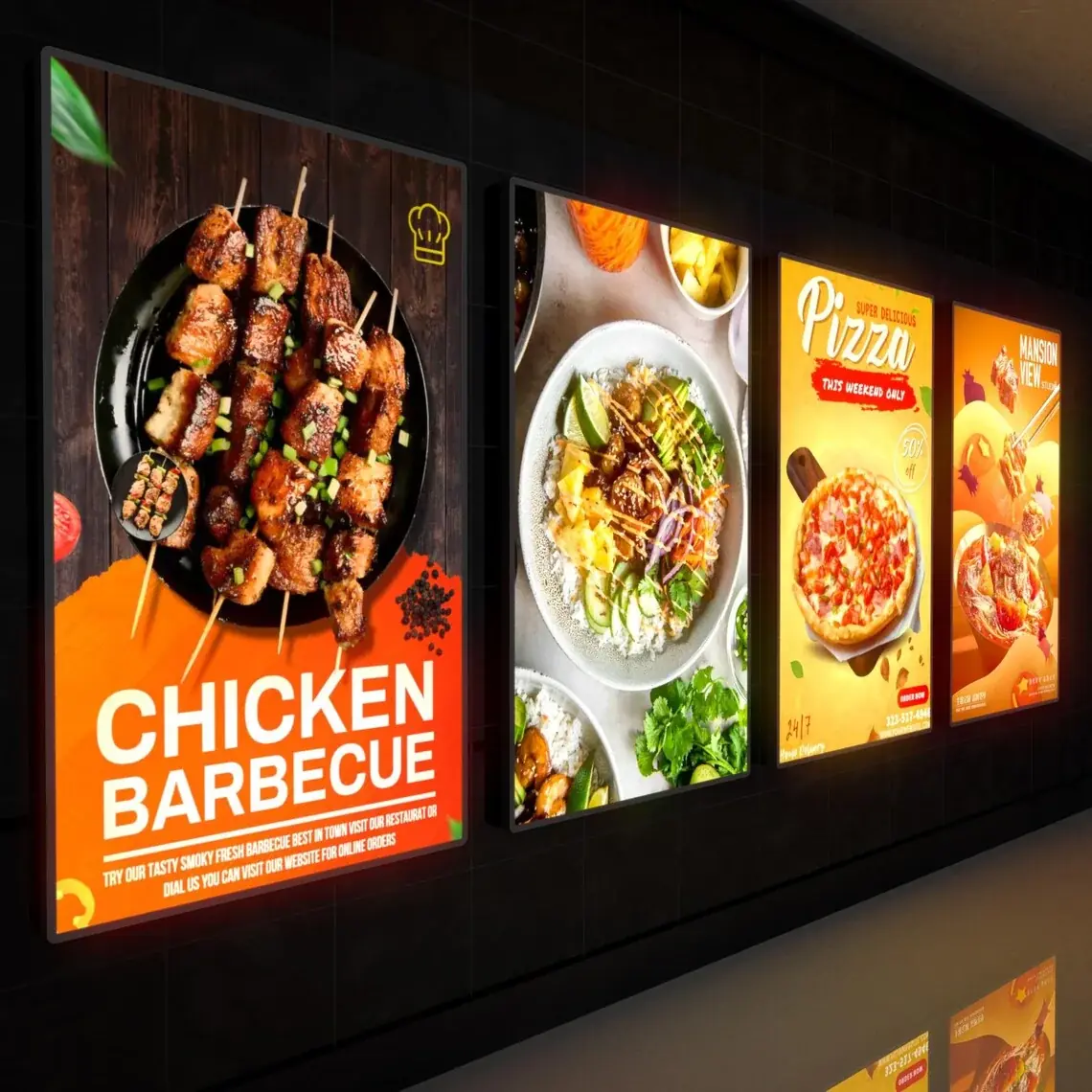
Display Light Boxes London cover image

Signage / London

Display Light Boxes London

Slim, practical light boxes for internal displays, retail environments and commercial branding.

View our work
LONDON

Complete service

Design, manufacture and installation

London workshop

Unit 11, Leyton Business Centre, London E10 7BT

Start a quotation

Call 020 8004 6934 or send photographs and dimensions

What this includes

BUILT AROUND
YOUR BRIEF.

We take the practical details seriously: the surface, the surroundings, the viewing distance and how the finished work needs to perform. The result is a considered route from design through to installation.

Request a quote
01Internal light boxes
02External light boxes
03Retail displays
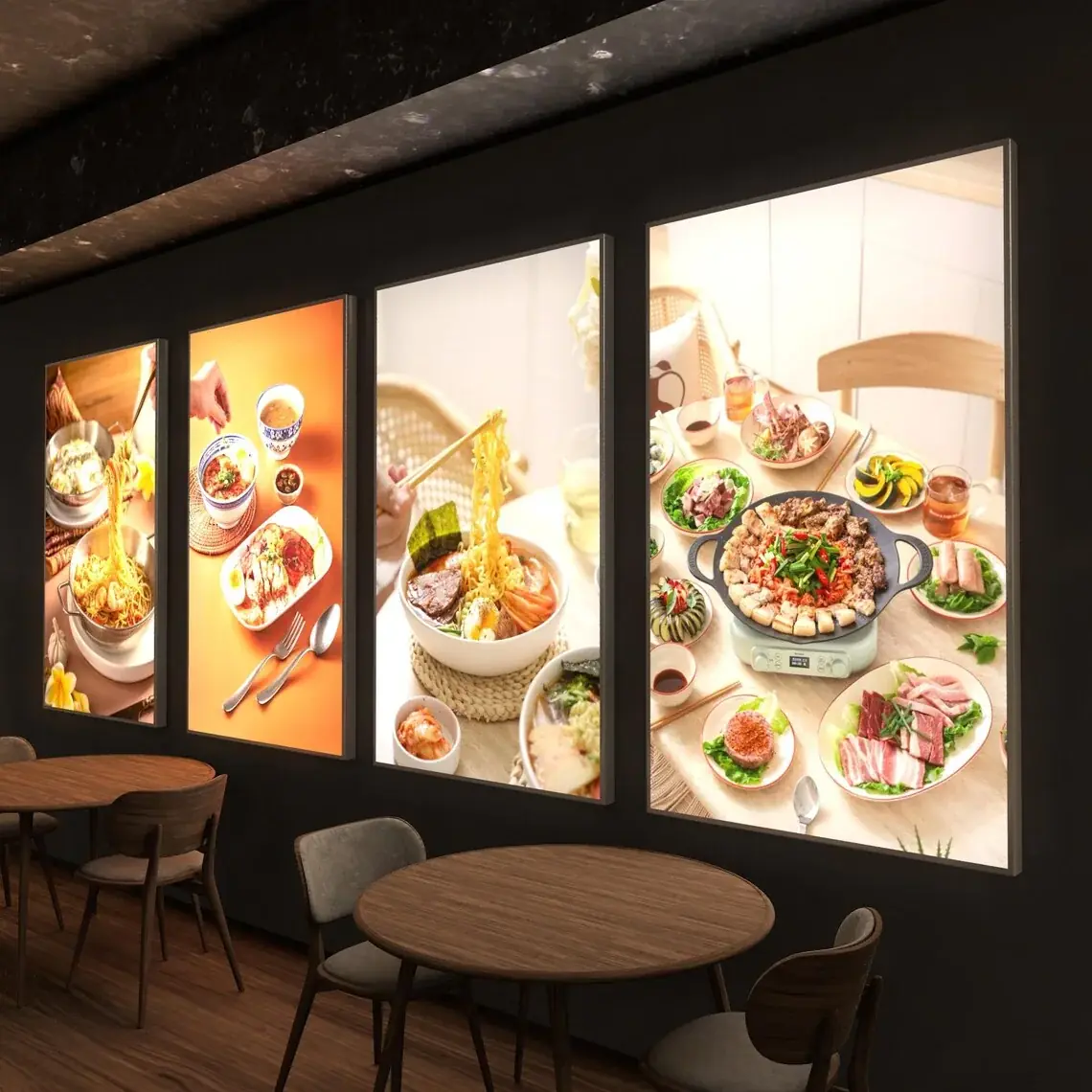
04Menu light boxes
05Commercial branding
The London Signage difference

Why choose us for Display Light Boxes?

  • Display Light Boxes shaped around the brief

    Slim wall-mounted boxes suit receptions and retail displays, while deeper external boxes can identify a unit or present a prominent logo.

  • Materials chosen for the application

    Powder-coated aluminium cases, opal acrylic, tensioned fabric or flex faces, LED modules and suitable power supplies are selected for the box size and environment.

  • Production checked before fitting

    The case is fabricated to the approved dimensions, LEDs are positioned for even illumination, and the face graphic is printed or cut for the chosen system.

  • Installation planned for your site

    Wall strength, cable routes, isolation and maintenance access are confirmed before fitting.

Detailed service guide

PLANNING DISPLAY LIGHT BOXES
FROM BRIEF TO INSTALLATION.

This guide explains how we approach display light boxes projects in London, including design decisions, materials, production, installation, maintenance and the information needed for an accurate quotation.

Understanding the sign brief

Display light boxes spread light across a graphic face to make menus, promotions or brand panels readable in changing ambient light. Depth, face construction and LED spacing determine how even the result appears.

A useful brief starts with the purpose of the finished work. The project may need to identify a building, make a shop easier to find, present a brand consistently, guide visitors or communicate clearly from a moving vehicle. We look at who needs to see the finished display light boxes, where they will view it from and how quickly the message must be understood. Those practical questions influence scale, contrast, positioning and material choices before production begins.

Brand artwork is reviewed alongside photographs, approximate dimensions and the installation address. Where measurements or fixing conditions cannot be confirmed from the supplied information, a survey may be recommended. This avoids designing an attractive layout that cannot be manufactured, safely fitted or read effectively at the intended distance.
Where this service works

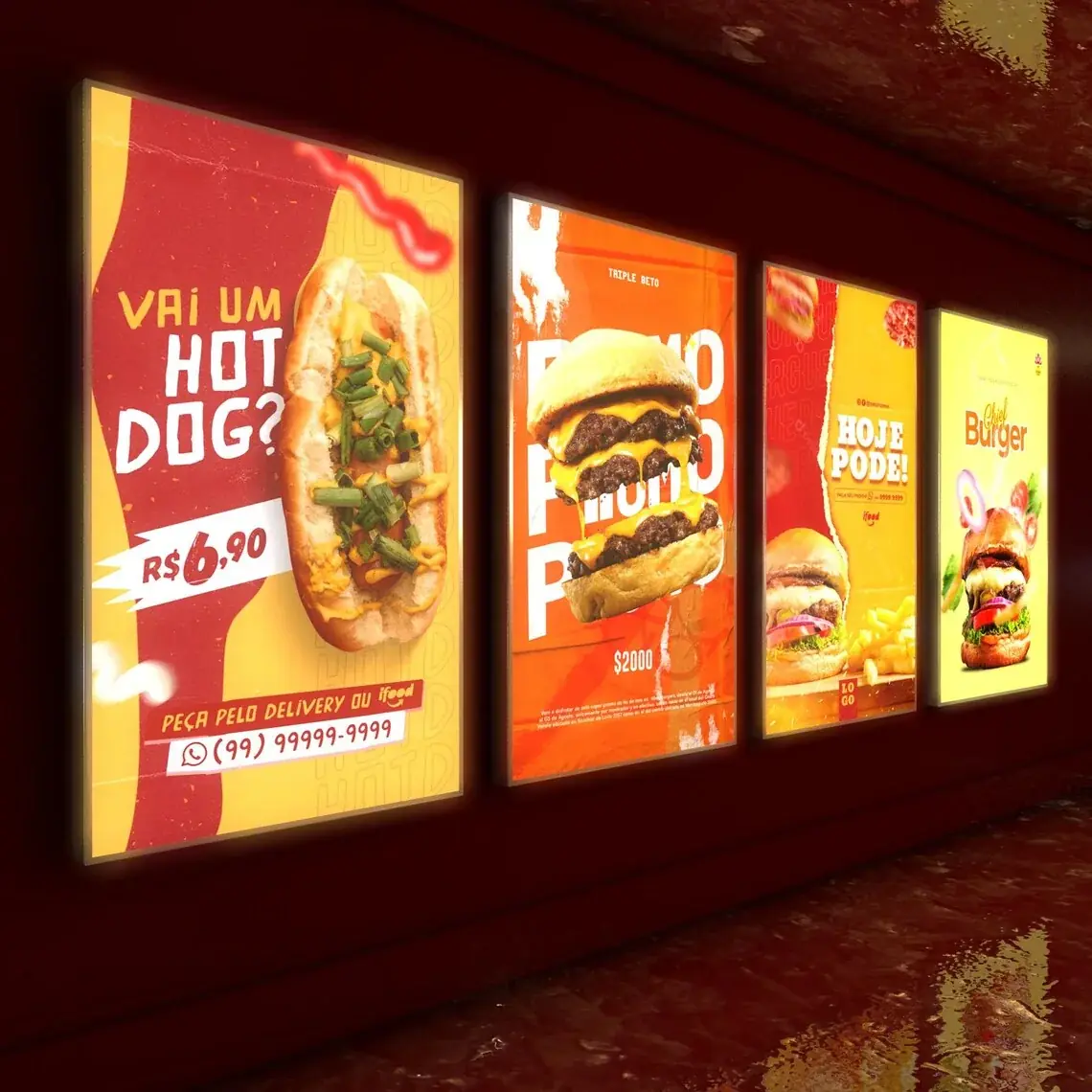
Slim wall-mounted boxes suit receptions and retail displays, while deeper external boxes can identify a unit or present a prominent logo. Changeable poster systems are useful where campaigns or menu content rotate regularly.

Common requirements include Internal light boxes, External light boxes, Retail displays, Menu light boxes, Commercial branding. The right combination depends on the premises, vehicle or display environment rather than a standard package. A high-street frontage has different viewing conditions from an internal reception, an industrial estate, a hospitality venue or a commercial vehicle working across London.

We also consider the relationship between the main message and supporting information. A business name normally needs the strongest hierarchy, while descriptors, telephone numbers, opening information or directional messages should remain secondary. Keeping that hierarchy clear helps the finished work communicate instead of becoming visually crowded.

Materials and finishes

Powder-coated aluminium cases, opal acrylic, tensioned fabric or flex faces, LED modules and suitable power supplies are selected for the box size and environment. External units also require weather-conscious joints and drainage.

Material selection is based on location, expected service life, viewing distance, cleaning requirements and budget. External components need finishes suited to weather and UV exposure. Interior work is often viewed more closely, so edges, fixings and surface quality become especially important. For temporary campaigns, the ability to remove or replace graphics cleanly may matter more than long-term permanence.

Colour references are checked against the available production process. Printed colour, painted metal, coloured acrylic and illuminated faces do not reproduce colour in exactly the same way, particularly when viewed by day and after dark. We explain those differences during specification so the approved finish is realistic and appropriate for the application.

Artwork and visual planning

Vector logo artwork is preferred because it can be scaled cleanly for cutting, routing and fabrication. If only a low-resolution file is available, the artwork may need to be redrawn before manufacture. We prepare a scaled visual showing the proposed dimensions, colours and placement so the main decisions can be reviewed before materials are ordered.

Legibility is assessed at the likely viewing distance rather than only on a computer screen. Thin strokes, small wording and low-contrast colour combinations can disappear when produced at full size. The available area also needs suitable clear space around the message. Where a design includes separate components, spacing and alignment are established in the approved layout and transferred to a fitting pattern.

Revisions are most efficient when feedback is consolidated before production approval. The final proof should be checked carefully for spelling, telephone numbers, web addresses and any legal or operational information. Manufacture begins from the approved version, so content accuracy remains as important as visual appearance.

How production is organised

The case is fabricated to the approved dimensions, LEDs are positioned for even illumination, and the face graphic is printed or cut for the chosen system. The assembled box is illuminated in the workshop to identify shadows or colour variation.

Production files are prepared at the required scale with cutting paths, bleed, joins and finishing details appropriate to the chosen process. Components are labelled where a project contains multiple elevations, vehicles or installation positions. This reduces uncertainty during assembly and helps the fitting team match each item to the approved schedule.

Quality checks take place before dispatch. Dimensions, visible finishes, graphic orientation and supplied quantities are compared with the approved specification. Fabricated signs and illuminated components are assembled where practical, and electrical items are tested before they reach the installation site.

Survey and installation

Wall strength, cable routes, isolation and maintenance access are confirmed before fitting. Larger boxes may need lifting equipment and multiple fixing points; poster boxes need enough clear space for the face or door to open.

Installation planning covers access, working height, parking or loading restrictions, trading hours and the condition of the receiving surface. We need to know about fragile finishes, hidden services, landlord requirements and any other work taking place in the same area. Confirming these points early helps avoid delays and allows the appropriate tools, access equipment and fixings to be arranged.

The fitting area should be available and safe when the team arrives. Existing signs or graphics may need to be removed first, and removal can reveal holes, adhesive residue or surface damage that was not previously visible. Where remedial building or bodywork is outside the signage scope, this is identified so it can be completed before the new work is installed.

Care and future updates

Faces should be cleaned without scratching, and ventilation or drainage paths kept clear. Replaceable graphics should follow the original colour and material specification to preserve even illumination.

Cleaning should be gentle and appropriate to the visible finish. Abrasive pads, strong solvents and pressure applied directly to graphic edges can shorten service life. Illuminated work should be checked if brightness becomes uneven, while brackets, posts and external fixings benefit from periodic visual inspection. Early attention to damage is normally simpler than waiting for a small problem to affect surrounding components.

Retaining approved artwork, colour references and dimensions makes later changes more consistent. Individual panels, letters or vehicle sections can often be replaced without remaking the complete project, provided the original construction and finish remain available and the supporting surface is still sound.

Requesting a detailed quotation

For a useful display light boxes quotation, send the installation address, required quantity, approximate dimensions, clear photographs and the best available logo artwork. Explain what the finished work needs to achieve and include any preferred material, colour, illumination or completion date. For replacement work, photographs should show the complete existing sign as well as its fixings and surrounding surface.

Pricing is affected by size, material, fabrication complexity, print coverage, finishing, access, removal work and installation timing. A confirmed specification allows these items to be separated clearly rather than hidden inside an uncertain allowance. If parts of the brief remain open, we can discuss practical options and explain which decisions have the greatest effect on appearance, durability and cost.

Once the scope is agreed, the project moves through artwork approval, production scheduling and installation planning. Our aim is to provide a clear route from the first enquiry to finished display light boxes, with the important technical decisions resolved before work reaches site.

Related project gallery

DISPLAY LIGHT BOXES
PROJECT DETAILS.

A selection of completed signage and graphics showing materials, finishes and applications related to display light boxes.

Row of illuminated restaurant menu light boxes on a dark tiled wall, gallery image 1
Large illuminated food display light boxes installed above restaurant dining tables, gallery image 2
Illuminated fast-food promotional light boxes with hot dog and burger artwork, gallery image 3
Illuminated Signs project related to display light boxes, gallery image 4
3D Built-Up Letters project related to display light boxes, gallery image 5
Shop Front Signs project related to display light boxes, gallery image 6

Helpful guidance

Learn more before planning your project

Practical advice covering design choices, materials, installation and the questions worth considering before requesting a quotation.

Frequently asked questions

Clear answers about display light boxes

These answers cover the practical questions that usually shape the brief, quotation and installation plan.

What does a typical display light boxes project include?

A project can include briefing, artwork preparation, material selection, manufacture and installation. The exact scope depends on the site or vehicle, dimensions, access and the finish required.

How much does display light boxes cost?

Pricing depends on size, quantity, materials, artwork complexity and installation access. Photographs, approximate dimensions, the London location and any existing artwork help us prepare a useful quotation.

How long does display light boxes take?

Timing depends on design approval, material availability, production complexity and installation access. We confirm the expected programme after the specification and site information are agreed.

Do you provide design, manufacture and installation?

Yes. London Signage can coordinate the route from design development and production through to installation for commercial projects across London.

What information should I send for a quotation?

Send the installation address, photographs, approximate dimensions, required quantity, target date and your logo or brand artwork. For vehicle work, include the make, model, year and clear views of each side.

Why businesses choose London Signage

East London shop sign makers and retail signage specialists

See real completed projects, workshop details and practical guidance before requesting a quotation. We do not publish unverified certifications, insurance claims or customer reviews.

01

Design

A clear visual route that fits your brand and the space.

02

Manufacture

The right materials and finish for the application.

03

Installation

A planned installation for the finished result.

Around the corner. Across the city.

We Also Serve Nearby Areas

Looking for display light boxes closer to you? Explore where we work.

View all areas we cover

READY TO GET STARTED?

Contact our team today to discuss your signage requirements and get a free, no-obligation quote.

Request a quote
Chat on WhatsAppUsually replies quicklyCall now020 8004 6934Contact usTell us about your project