Healthcare / 3D Built-Up Letters

3D Built-Up Letters
for Healthcare.

Calm, legible identification and directions. Built-up letters create depth through fabricated faces and returns rather than relying on a flat printed panel. Their scale, return depth and spacing affect how the name reads from the pavement and how much shadow it creates.

The application

Where it earns its place.

Entrances, reception points and room names should be distinguished from promotional messages; accessibility requirements must be checked against the actual site. They suit fascia names, reception logos, feature walls and branded entrances where dimensional detail matters. Non-illuminated letters provide a material-led finish, while face or halo illumination can extend visibility into evening trading hours.

Clinics and care premises may have sensitive spaces, cleaning routines and occupied public routes.

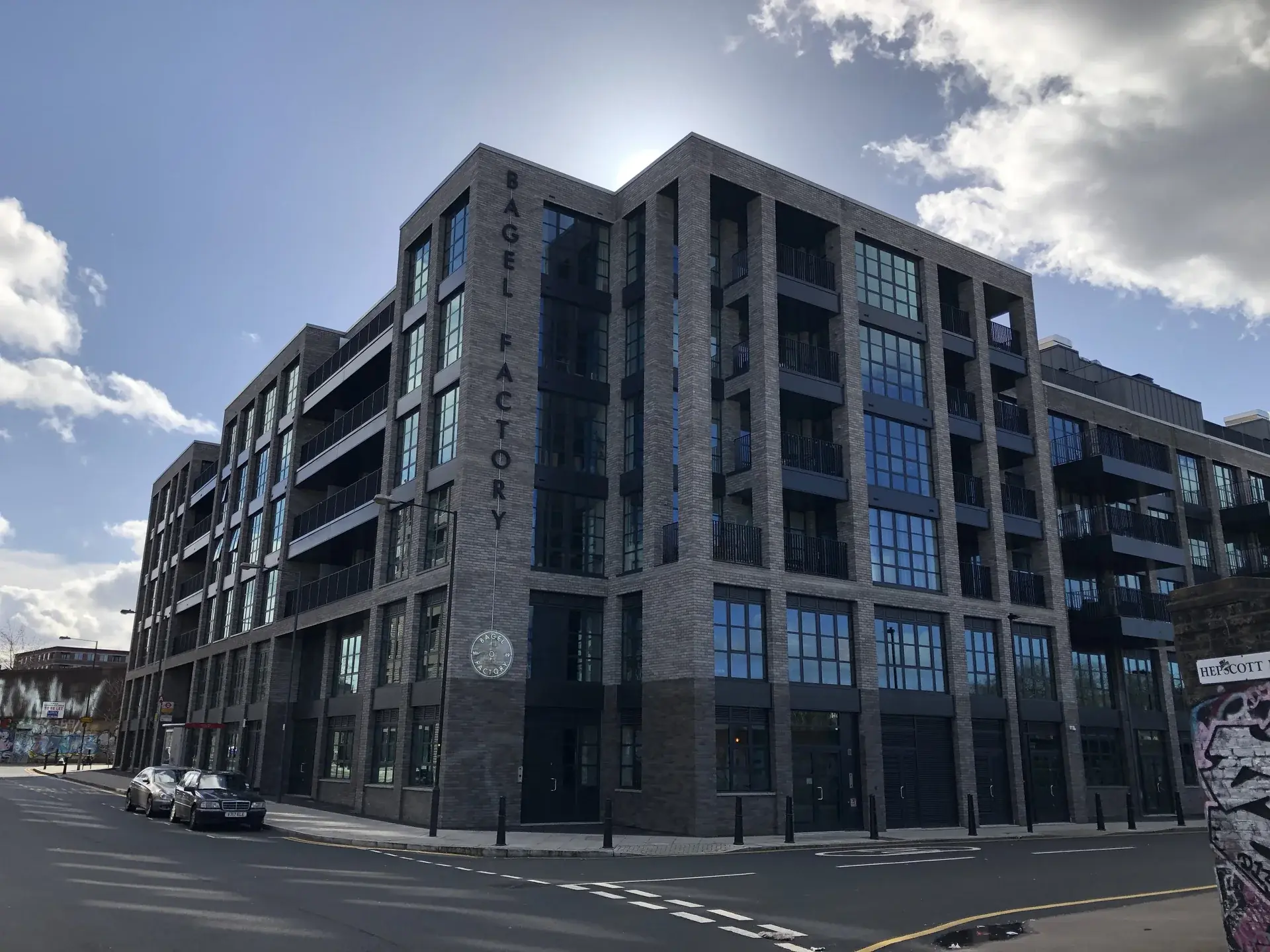
Exterior 3D Built-Up Letters installed vertically for Bagel Factory in Hackney Wick
Illustrative example of 3d built-up letters; this is not presented as a documented healthcare installation.
From brief to upkeep

Details make the difference.

Material choice, fixing and care should follow the conditions of your actual premises.

01 / 04

Specify

Survey the proposed sign position and viewing distance before confirming dimensions and fixings. Brushed or mirrored stainless steel, powder-coated aluminium and acrylic can be used separately or combined. Stand-off locators, rails and concealed studs are selected according to the backing surface, letter weight and whether cables must pass behind the sign.
02 / 04

Produce

Letter faces are cut from approved vector artwork, returns are formed to the required depth, and joins are finished before paint, polish or assembly. Spacing patterns and fitting templates are prepared from the approved layout rather than estimated on site.

03 / 04

Install

Confirm site approvals, infection-control and cleaning requirements, patient access and permitted installation times before selecting materials or scheduling work. The substrate must be checked for level, strength and hidden services. Individual letters may be stud-fixed, locator-fixed or mounted to a rail; illuminated versions also require a planned cable route and accessible electrical components.

04 / 04

Look after it

Metal and acrylic finishes should be cleaned with non-abrasive products. A retained spacing template and finish reference make later replacement of a damaged letter more consistent.

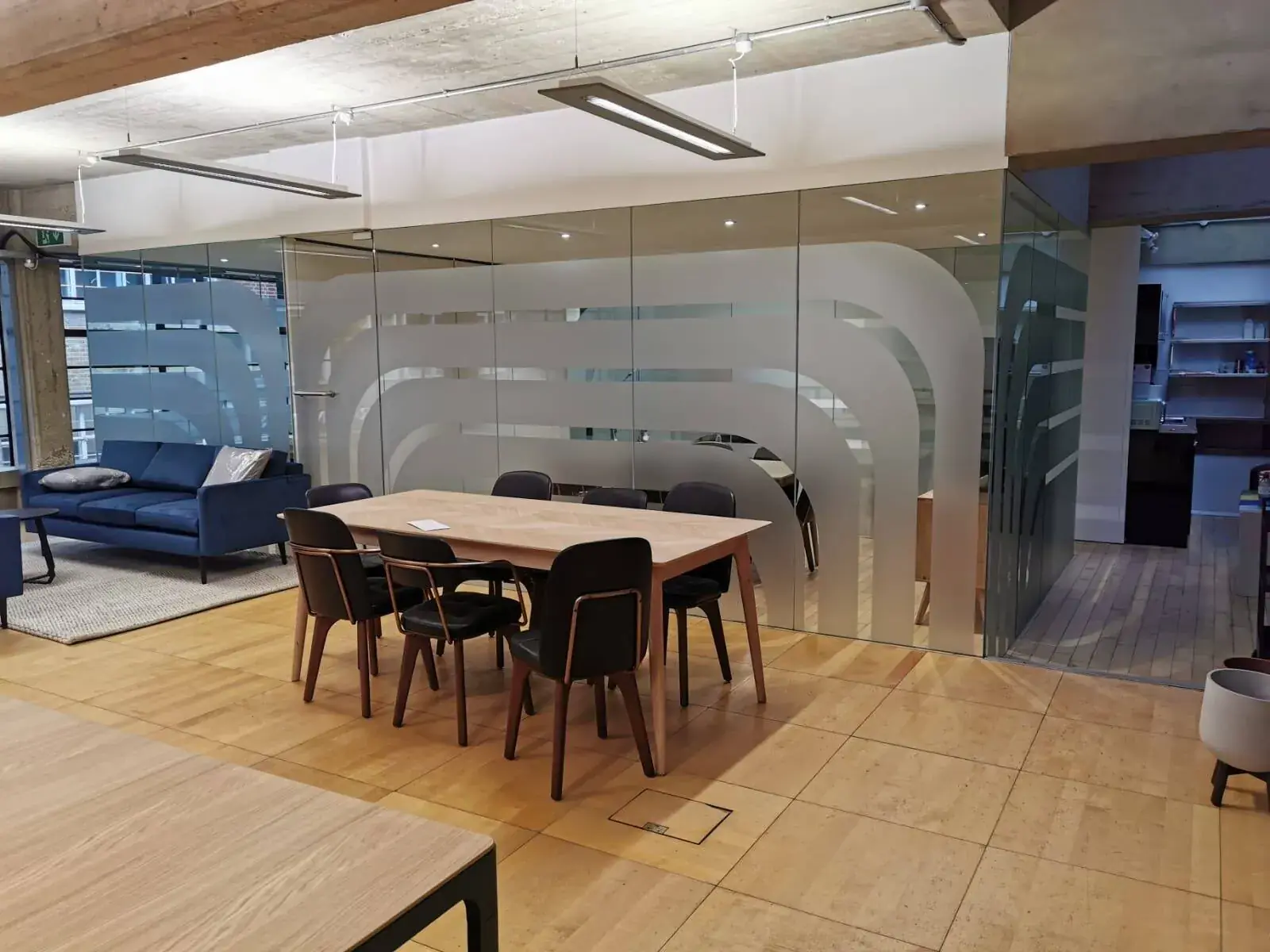
Example of privacy film applied to interior glazing, illustrative of a possible material
Illustrative signage example for discussing the healthcare environment; not a documented sector-specific installation.
Think beyond one surface

See the whole setting.

Healthcare settings rely on clear arrival information, understandable routes and appropriate privacy. The signage brief should confirm each audience and surface; a decorative finish cannot replace a coherent wayfinding plan.

Entrances, reception points and room names should be distinguished from promotional messages; accessibility requirements must be checked against the actual site.

All Healthcare options
Tell us about your space

Ready to put it in place?

Tell us about your healthcare site and what you need from 3d built-up letters. We can discuss size, finish, access and timing before quoting.

Get a quote
Chat on WhatsAppUsually replies quicklyCall now020 8004 6934Contact usTell us about your project