Shop Window Signs
Window Graphics for London Shops and Offices
Use shop and office windows for a clear message, useful privacy or a seasonal display with a plan for fitting and care.
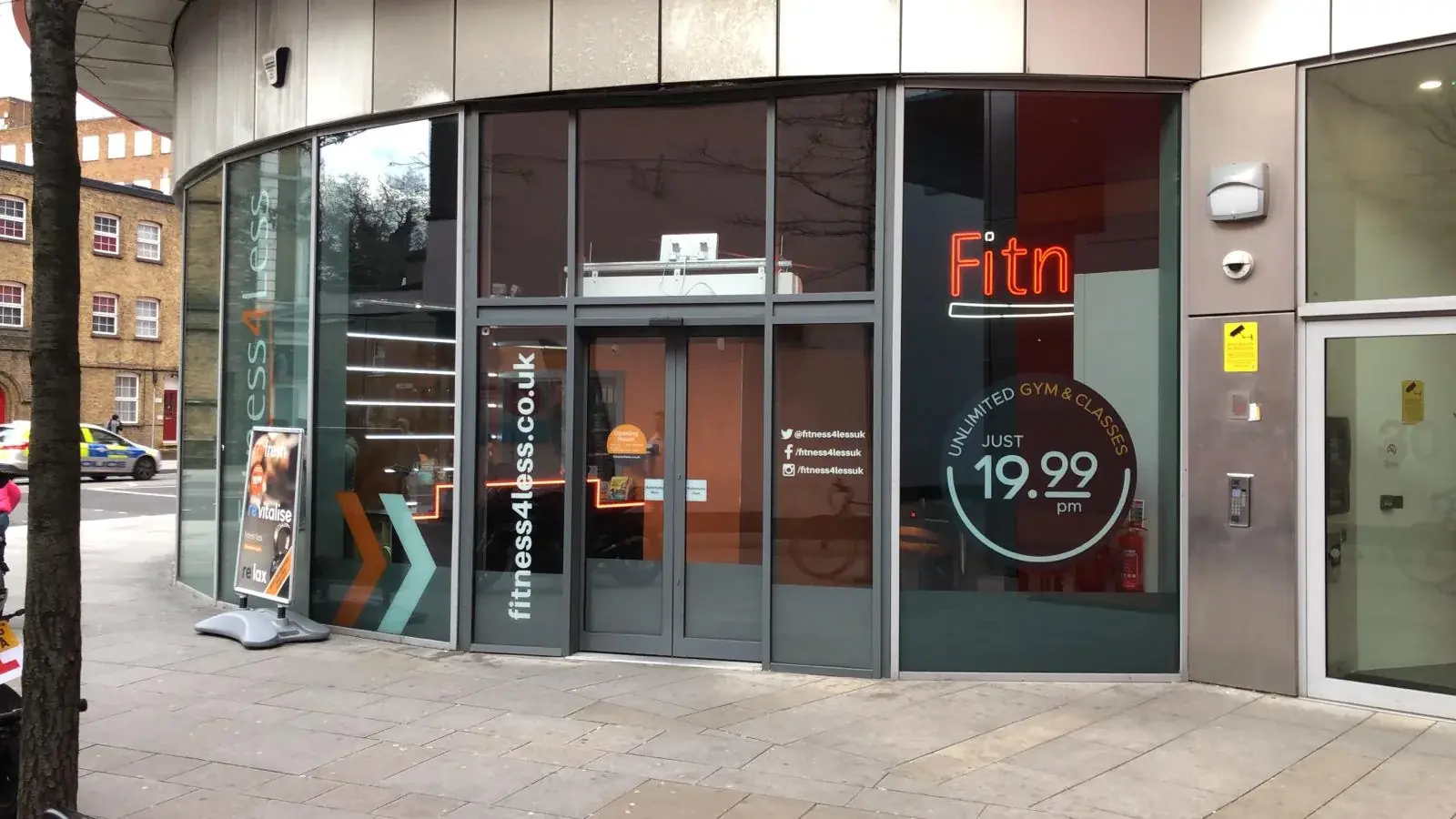
A window can introduce a shop to people passing by, give an office more privacy or help visitors recognise a business when they arrive. A graphic should work with the glass and the view on both sides, not simply fill every empty space. A bright offer that is easy to see from the pavement may not suit a meeting room. Frosted film, which gives glass a cloudy look, can soften views while letting some light through. This guide covers the choices, measurements, fitting and care in plain terms. Start by deciding what the window needs to do, then choose a design that suits the way staff, customers and passers-by use the space.
Decide what the window needs to do
Choose the main purpose before picking a film. A shop may want to show a new product or share an offer. An office may want to soften views into a meeting room. A reception window may need a business name without blocking the view outside. Trying to make one design do all three jobs can make it busy and hard to understand. Write down your first and second priorities. For example, you might want privacy first and a small logo second. That gives the designer a clear starting point and helps you decide how much of the glass should be covered.
Look at the window in daylight and after dark if possible. A design can look strong on a screen but disappear against a bright room or reflect nearby lights at night. Check it from the pavement, inside the shop and the path customers take to the door. Think about how long someone has to read the words. A person walking past has only a moment, while a visitor waiting at reception has more time. If people need to see the graphic from both sides, tell the maker which way the picture or words should face.
Balance privacy with light and clear views
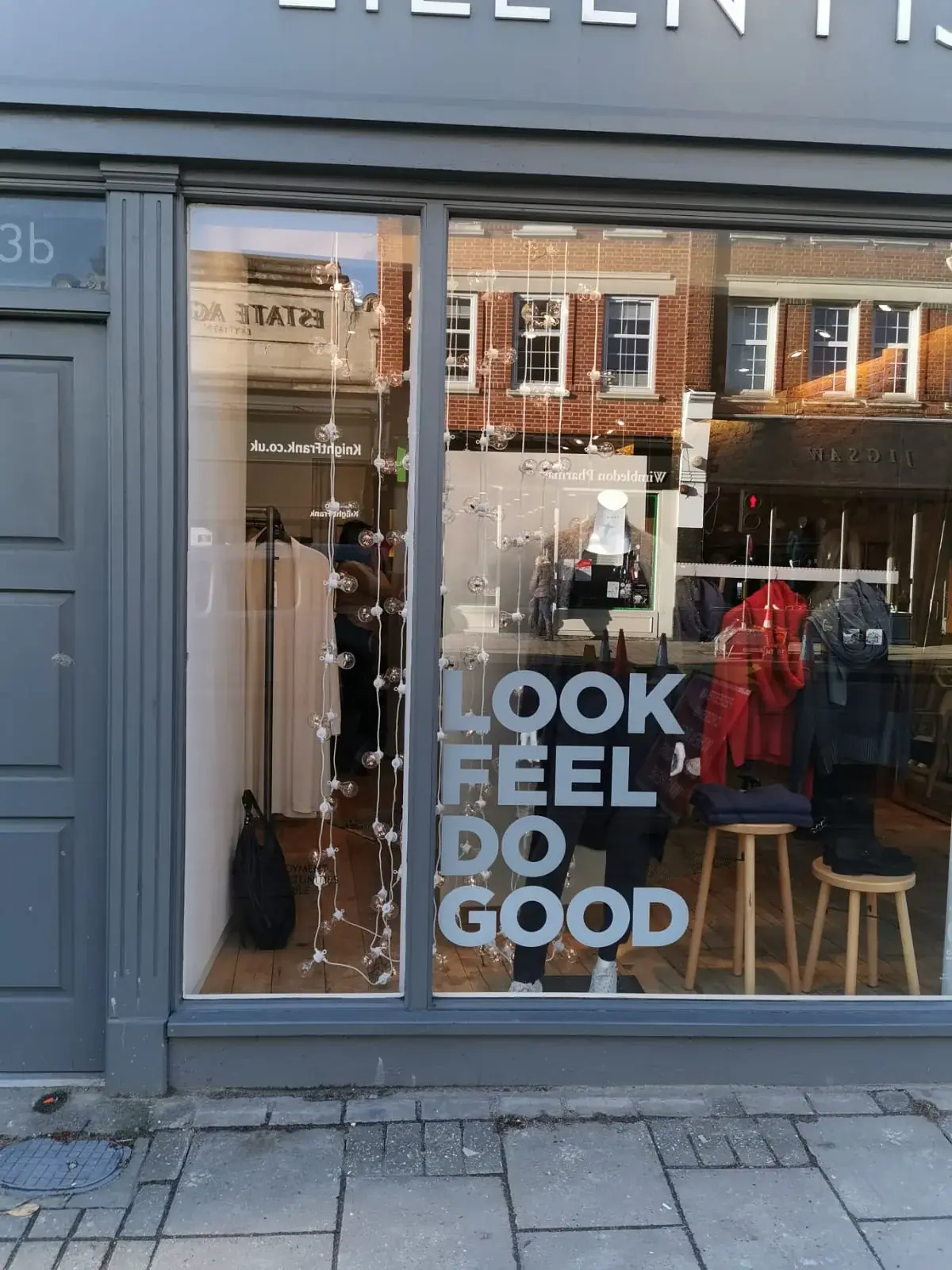
Frosted film makes glass look cloudy, like etched glass. It can cover a whole pane, form a band across the middle or be cut into a pattern. Printed film can add photos and colour, while cut vinyl can add letters or simple shapes. None of these choices gives the same level of privacy in every condition. Light on the inside and outside changes what people can see. A window that looks private during the day may feel more open at night when the room is lit. Ask the supplier to explain how the chosen film will behave in your space.
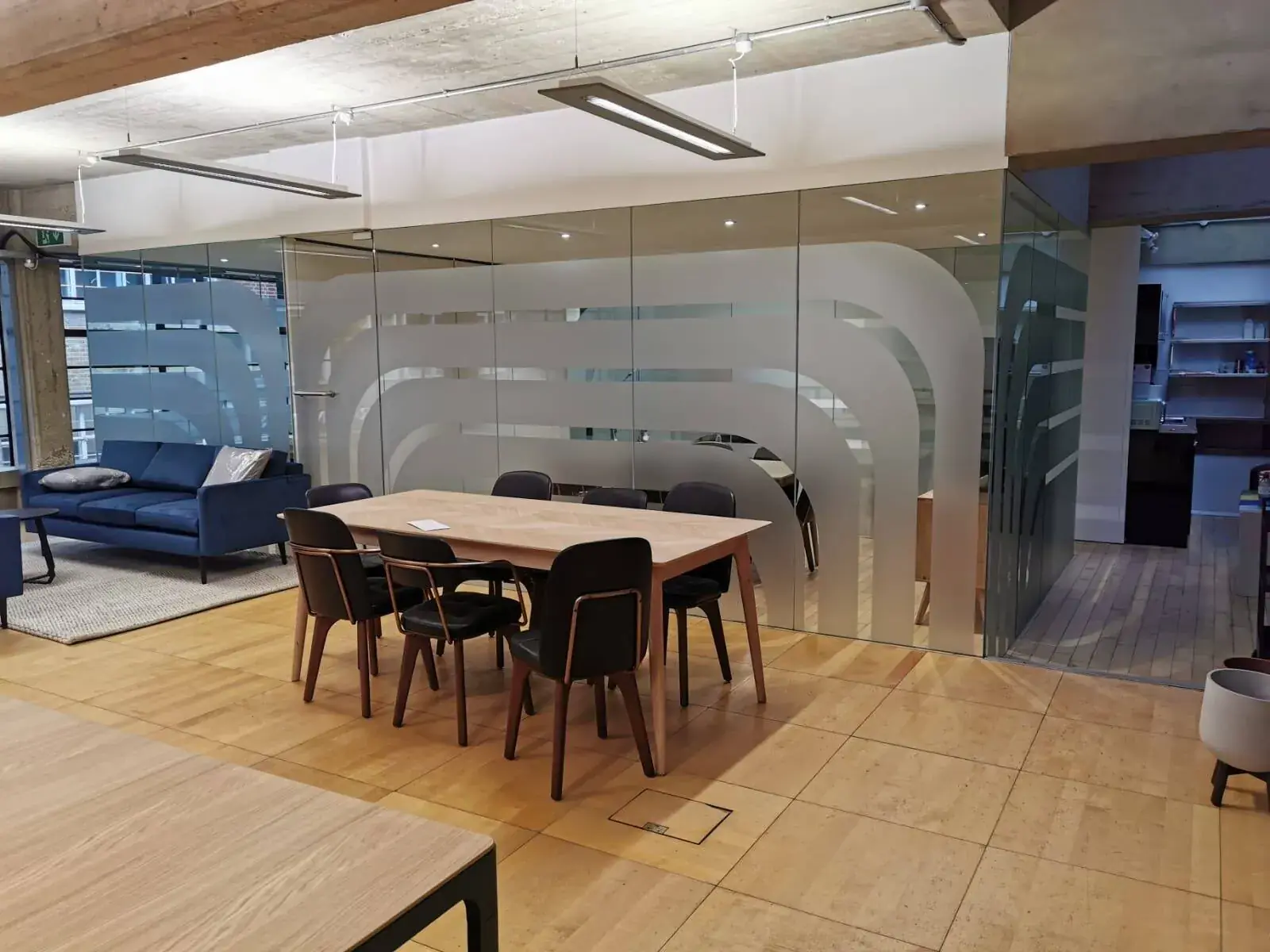
For a meeting room, you might use a band that blocks direct views while leaving the top and bottom of the glass open. A larger frosted area gives more cover but also changes the feel of the room. On a glass door, make sure the pattern is easy to notice so people can see that the door is there. Check how it sits around handles, frames and desks. A quick drawing over a photo of the actual window can help you see if the design blocks a view or lands awkwardly across a handle.
Make glass easier to notice
Clear glass can be hard to see when people are moving through an office or shop. A visible band, repeated shapes or a logo can help people notice a door or glass wall. This kind of marking is often called glass manifestation: a simple visual mark that makes clear glass easier to spot. The colour and pattern need to stand out against whatever is behind the glass, which may change during the day.
Good looks are not the only thing to consider. A graphic should make the glass noticeable without hiding room signs or directions. For several doors, make a list of each pane and where it belongs, then check that the pattern lines up from one pane to the next. If your building has rules for markings on glass, ask the person responsible for the property what applies. A decorative pattern may not meet every building need by itself. Confirm the right approach with the building manager or a suitable building professional before the design is made.
- Take a straight-on photo and measure every pane separately.
- Mark handles, frames, door openings and areas to keep clear.
- Say when privacy matters and which side needs to be screened.
- Agree the pattern, position and side where the graphic will be fitted.
Use the shop window to share one clear message
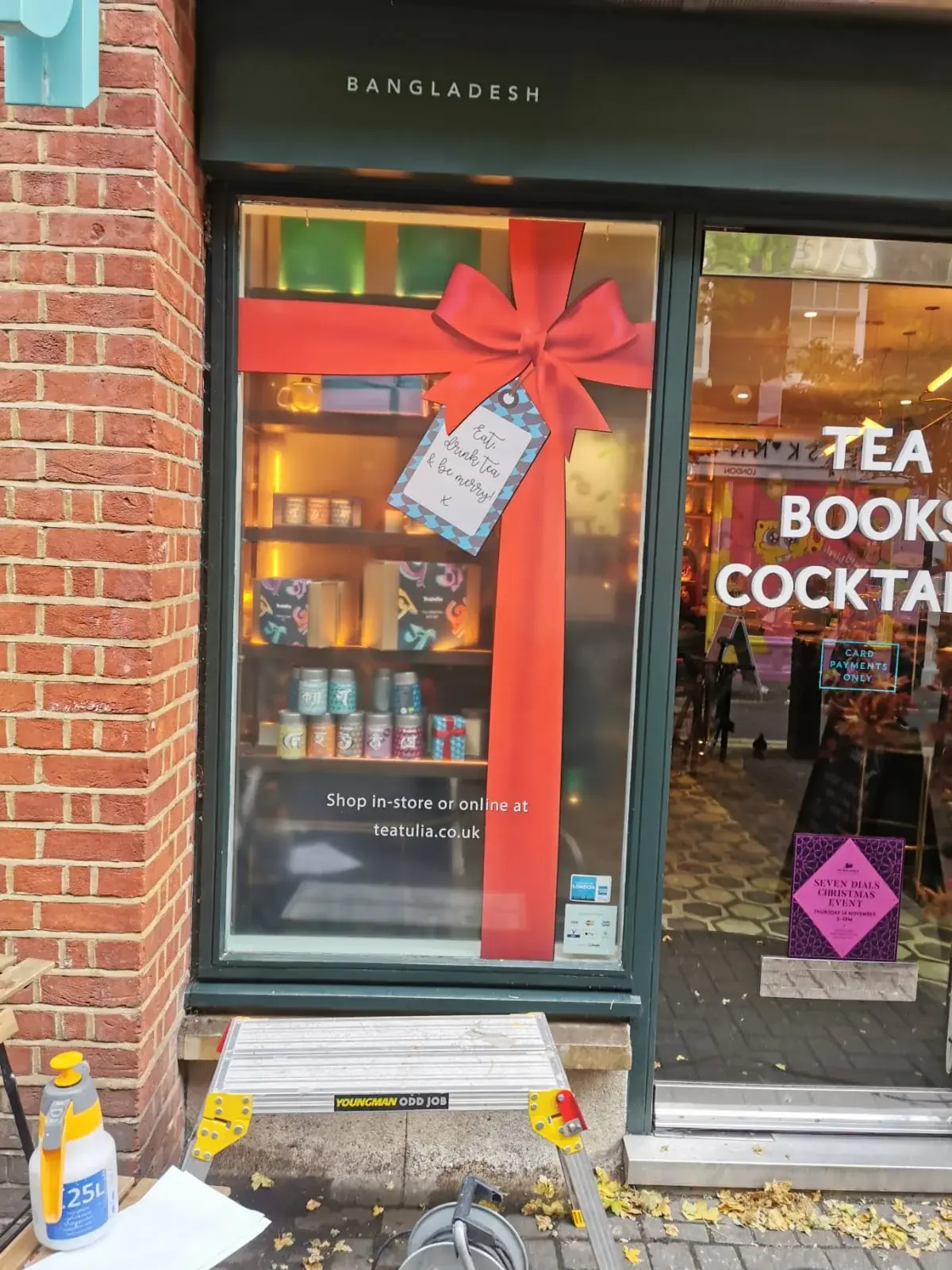
A shop window can show an offer, introduce a service or add a seasonal touch. Put the most important message first, then add only the details people need. Too many prices, slogans and pictures compete with each other. A large colour or picture can catch the eye, but it should not cover every view of the products inside if those products are part of the display. Stand outside and imagine you have never visited the shop. Can you tell what it is and what you should notice?
Campaigns end, so decide what will happen to the graphic afterwards. Smaller pieces of vinyl may be easier to change than a full-window print. Opening hours or a business name might need to stay in place while the seasonal offer comes and goes. Keep a note of the pane sizes and save the artwork so a future design can fit the same space. Before removing old graphics, take a photo and check whether any information still needs to stay visible. This avoids covering a useful message with a new campaign.
Measure the glass and check its condition
Measure each pane, because windows that look alike may not be exactly the same size. Note the frame, rubber seals, handles and any part that should not be covered. Tell the supplier whether the graphic should go on the inside or outside of the glass and which way it should be read. Send a clear logo and a large picture file if you have one. Ask for a drawing that shows the words, size and joins between panes. Check the spelling and position before approving it, especially if the graphic is repeated across several windows.
If you know what kind of glass you have, share that information. Mention any existing film, special coating or strong direct sunlight. Some combinations of film and glass need extra checking, so do not guess from a photo. A visit can help the installer see the surface, access and light conditions. If the window has recently been replaced, tell the supplier. Sharing these details early helps them choose a film that suits the actual glass rather than assuming every window is the same.
Arrange fitting and care
The glass needs to be clean and dry before a graphic is fitted. Dust or marks can show underneath the film, and a small alignment error across two panes can be easy to spot. For a busy shop, choose a fitting time when the entrance can stay clear. For a high window, ask how the team will reach it safely and whether that access is included in the quote. Tell the installer about door handles, frames and opening times. A clear plan helps the graphic go on in the right place without getting in the way of customers.
Ask how to clean the chosen film. A soft cloth and a gentle cleaner are often a sensible starting point, but follow the advice for that material. Avoid scraping near the edges or using a strong spray before checking with the installer. When it is time for a new campaign, do not yank the film off without knowing how it may affect the glass. Older graphics can leave sticky marks or a difference between covered and uncovered areas. A planned change gives you time to approve a new design and arrange removal.
Ask for a clear window graphics quote
Tell the supplier what the graphic needs to do, how many windows you have, where the site is and how people should see the design. Share photos from both sides, measurements, artwork and any privacy concerns. For a campaign, say when it should go up and how long it is expected to stay. If it is for an office, list the rooms or doors that need treatment. Those details let a sign maker talk about a film and design that fit the actual job instead of making a guess from a short description.
When you compare quotes, check how many panes are included and whether the price covers design, film, cleaning, fitting, access and removal. Ask whether a site visit is included and who approves the final proof. If the building is shared or managed, check who needs to approve the design before it is made. The business or property manager is responsible for checking any permissions that apply to the site. Keep the final drawing and quote so the approved size, words and fitting plan are easy to find later.
Window Graphics London — See printed, branded and privacy graphics for glass.
Conclusion: let the window set the plan
A useful window graphic starts with a clear purpose: share an offer, add privacy, make glass easier to see or show who you are. Check the view from both sides, measure every pane and notice how light changes during the day. Then choose a design and film that suit the way people use the space. Ask for a proof showing the actual glass layout and agree who will fit and care for it. London Signage can discuss window graphics for shops and workplaces. Send photos and measurements through the contact page or quote form, and say whether your main goal is privacy, promotion or a mix of both.
Discuss your window project — Tell the team what you want the windows to do.
Ask for a window graphics quote — Include pane sizes, photos and any artwork you have.
Frequently asked questions
Will window film keep the room private at night?
It depends on the film, light inside and outside, and the view angle. A window that feels private in daylight may look different after dark, so describe how the room is used.
Can window graphics be removed later?
Many can be removed, but the film, how long it has been there and the glass condition all matter. Ask if sticky marks may remain and whether removal is included.
Can the graphic go on the inside of the glass?
Often it can. The design, colour, glass and side people need to see all affect the choice, so explain those details to the sign maker.
How can people see a glass door more easily?
A clear band, pattern or logo can make the glass easier to notice. Choose a design that stands out from both sides and check any building rules that apply.