Direction Signs
A Clear Guide to Direction Signs in London
Plan signs that help visitors get from the entrance to the right room, with simple steps for mapping routes, choosing words and checking positions.
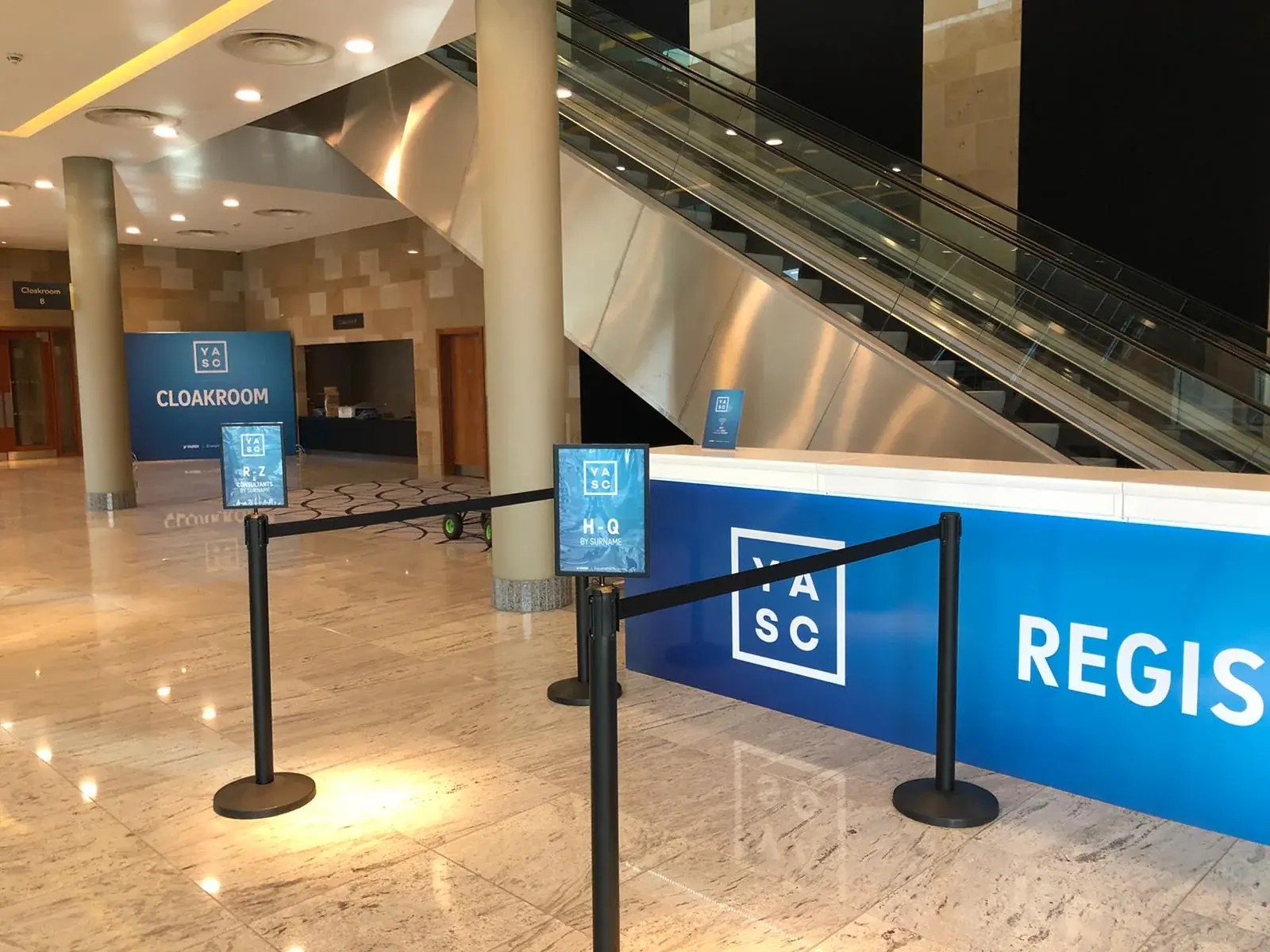
People should not need to guess their way around your building. Useful direction signs help a visitor find the entrance, choose the right corridor and know when they have arrived. This matters in an office, event space, clinic, shared building or busy shop. In London, a site may have several doors, floors and organisations under one roof, so it is worth planning signs around the real route. Begin with the questions a visitor will ask, then decide where a sign can answer each one. This guide covers route planning, names, arrows, sign types and fitting. It is for owners and building teams who want to make a visit less stressful, not a replacement for checking rules and needs at your own site.
1. Walk the routes before choosing signs
List the places visitors need to find and the entrances they use. Walk each route yourself at the times that matter. A busy reception may look different during an evening event. A delivery entrance may have doors or barriers that are not there for customers. Note every place where a visitor has to choose between a corridor, lift, stairway or door. Ask what they can see from that spot and what question may come to mind. A direction belongs before the choice, not after it. A sign at the end of a corridor cannot help someone decide which corridor to take. Include signs that show the entrance and signs that confirm arrival at the destination. A simple floor plan with the route marked is a better start than a shopping list of sign types.
2. Give each sign one clear job
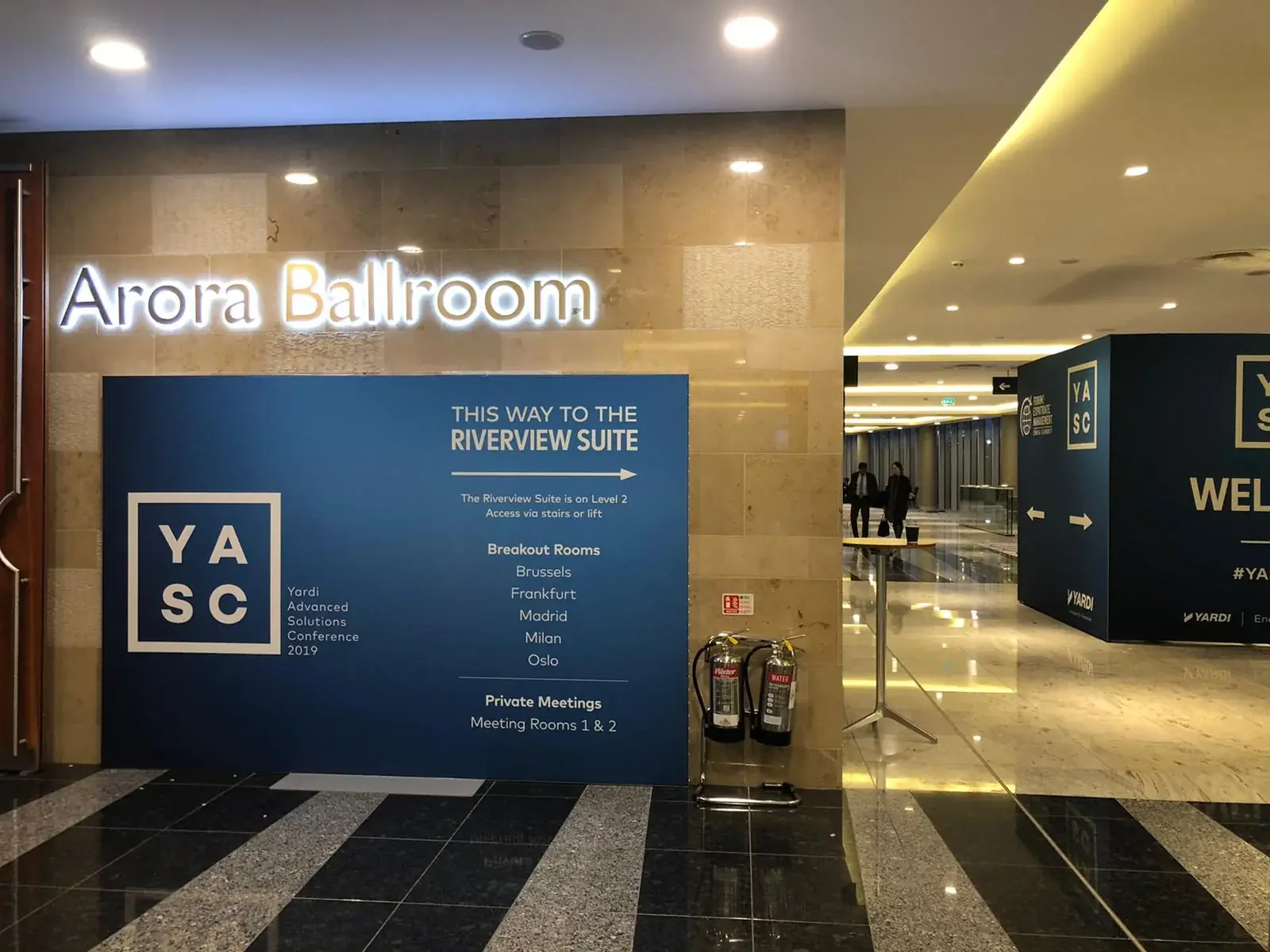
Most direction systems use a few kinds of signs. An entrance sign tells people they are at the right place. A directory lists several rooms or businesses. A direction sign points the way at a junction. A name sign confirms a room or service when someone gets there. One sign may do more than one job, but avoid squeezing a whole building map onto a small panel. Give the important destination the most space and put less important details below it. A directory can help near the entrance or lift; smaller signs can then guide visitors along the route. Use the same place names on each sign so people can match the name they saw on the directory to the one on a door.
Agree names before anything is printed. Is it “meeting room”, “conference room” or “event space”? Does the ground floor use that name on the building map and in appointment emails? Check with the staff or tenants who know the rooms and ask one person to confirm the final list. Shared buildings need extra care: visitors should know which places belong to everyone and which belong to a particular business. Keep the wording simple enough for a new visitor to understand. If floors have different names in different parts of the building, choose one set and use it everywhere. Small differences can send people the wrong way.
3. Make arrows and words point the same way
An arrow is only helpful when people know which words it goes with. Put it close to the destination name and leave enough space so it does not look connected to another line. Stand where visitors will stand and check the sign from that angle. At some junctions, one sign may need to show several directions. At others, a sign before the turn and another one just after it will be clearer. Pictures can be useful for familiar places such as toilets or lifts, but not every symbol is obvious. Add a word if someone might not know what the picture means. If you use colours to mark floors or areas, keep each colour the same throughout the building and always add a name too.
4. Pick sign places and shapes that fit the building
A sign can go on a wall, hang from the ceiling, stand on the floor or sit beside a door. The building and the people using it help decide what will work. A hanging sign may be seen above a crowd, but there may be pipes or lights where it would need to be fixed. A wall sign may be hidden when a door is open. A standing sign can be moved, but it must not block a doorway or path. Check the route from more than one direction and look for furniture, queues and bright windows that could hide the message. Measure the space before choosing a size. A site visit can help check the wall, floor and places where a sign can safely be fitted.
5. Keep signs easy to read as places change
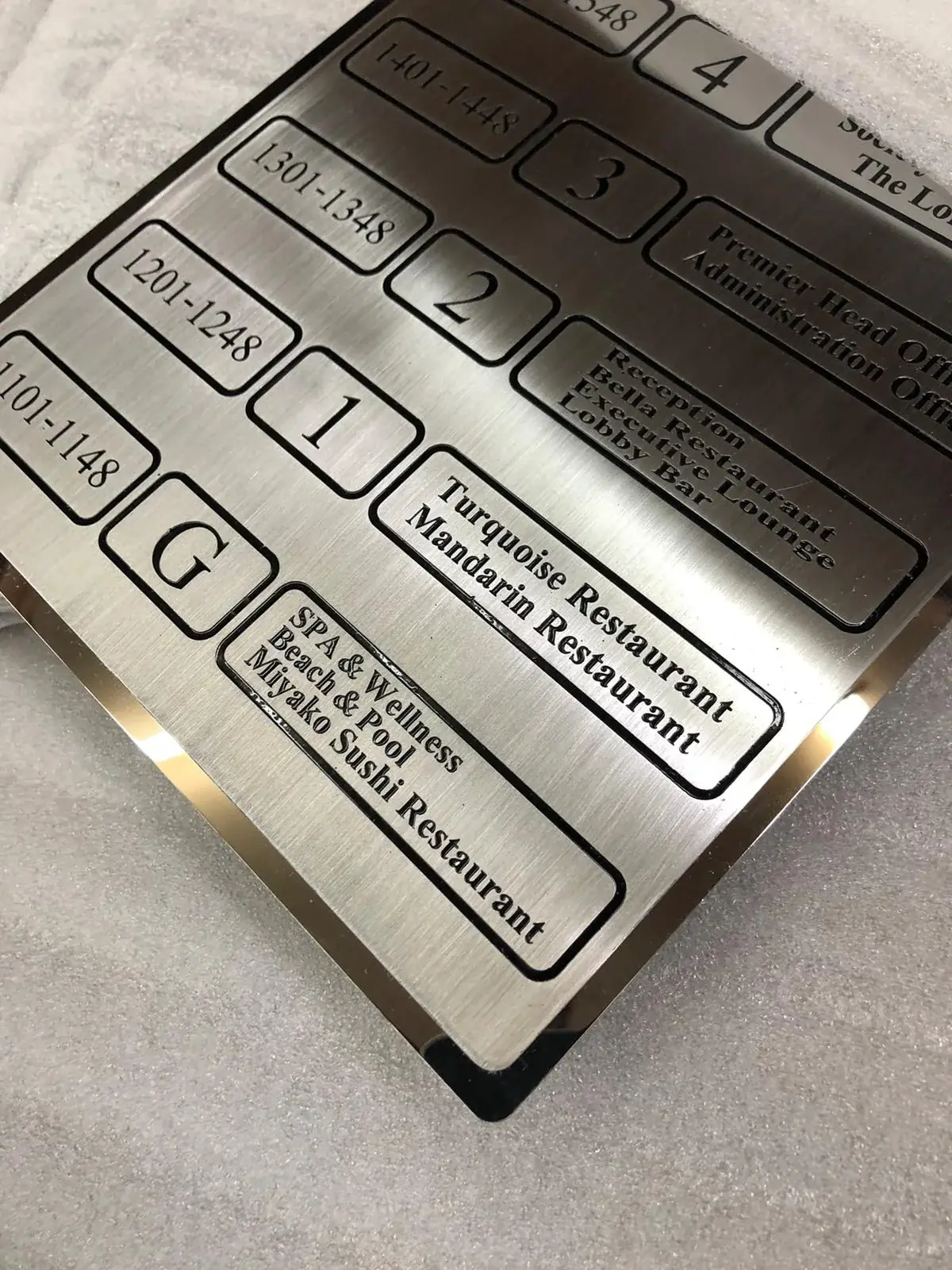
People need to read a sign quickly, so use clear letters, strong contrast and short lines. Check a full-size copy in the light where it will be used. A shiny surface may reflect a lamp or window and make the words harder to see. Shorten the message only if the meaning stays clear. Plans can change: a tenant may move, a room may get a new name or a service may move to another floor. Decide who will tell the sign owner when details change and who will check the new wording. Some directories can have single panels changed without replacing the whole board. Other signs may need a new print. Pick a format that makes sense for how often your building changes, and keep a copy of the final approved names.
6. Agree the details before signs are made and fitted
A building manager, tenant, facilities worker, designer and installer may all need to agree on a sign. Decide who checks the words, positions and fixing method before the design is final. Share a floor plan, photos, list of destinations and any rules you have for the building. Make a list of each sign, what it says and where it will go. Ask the person who knows the site to check this list before ordering. If work must happen outside opening hours, or a corridor needs to stay open, mention that early. Check access for deliveries and any wall or ceiling limits. Building rules and permissions can differ, so confirm what applies at your address rather than guessing from another site.
Commercial Signage London — Learn about signs that help people find their way around a site.
Talk through a London direction sign project — Tell us about your building, visitor routes and any tricky choices.
Ask for a direction sign quote — Share your plan, photos and list of places visitors need to find.
Plan from the visitor’s point of view
A good set of direction signs lets visitors keep moving without asking for help at every turn. Walk the route, decide what to call each place and put each message before the moment someone needs it. Make arrows easy to match with words and check the signs from the visitor’s actual approach. Then check the details with the people who know the building and plan how signs will be updated if rooms change. Clear plans make it easier for everyone to agree what is needed and where it belongs. London Signage can discuss signs for visitor routes and business buildings. If people often stop, turn the wrong way or ask where to go, mark those spots on a simple plan and share it with the team to discuss what could make the visit clearer.
Frequently asked questions
What signs might a building need to guide visitors?
A building may need an entrance sign, a directory, signs at junctions and names on doors. The route plan shows which ones will help.
Where should direction signs go?
Put them where visitors have to choose a route, and make sure they can see them before the choice. Walk the route to check.
Can direction signs be changed later?
Yes. Decide who will update names and choose signs that can be changed in a way that suits how often the building changes.
What helps when asking for a sign quote?
Share a floor plan, route photos, destination names, sign positions, building rules and the best person to approve the details.