Printed Signs and Graphics
Vinyl Graphics for London Shops and Offices
Plan vinyl lettering or printed graphics for a window, wall or counter, from artwork to fitting and removal.
Vinyl graphics can put a business name, opening hours, offer or picture on a shop window or indoor wall. Vinyl is a thin film with a sticky back, but not every kind works on every surface. Some vinyl is cut into words and shapes, while other vinyl is printed with photos and many colours. The right choice depends on the surface, how long the graphic will stay up and how it will be cleaned or removed. This guide takes you through those choices, using plain examples for shop and office owners. A little planning before ordering can help the graphic fit the space, say the right thing and look as you expect.
Choose cut lettering or a printed picture
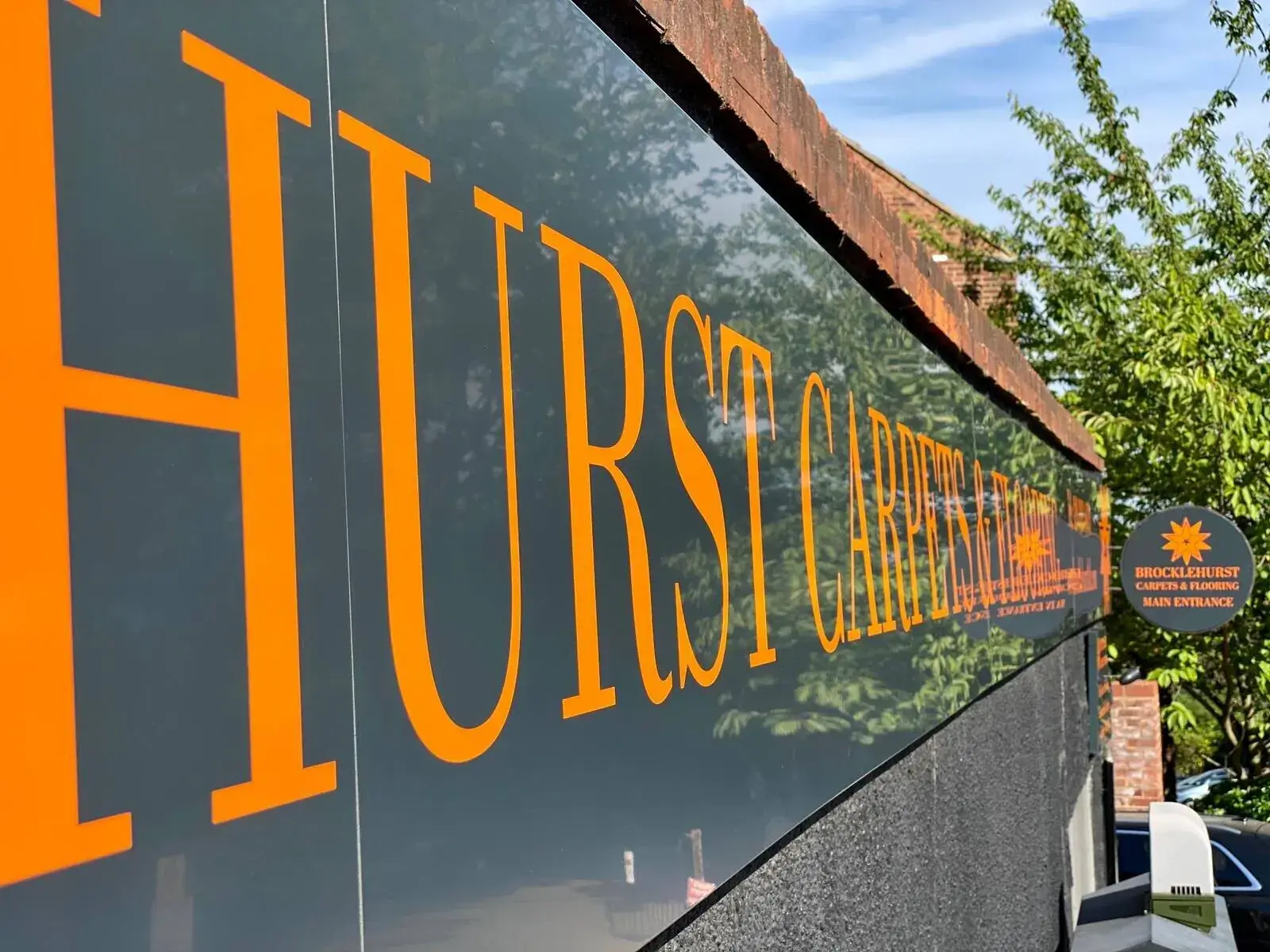
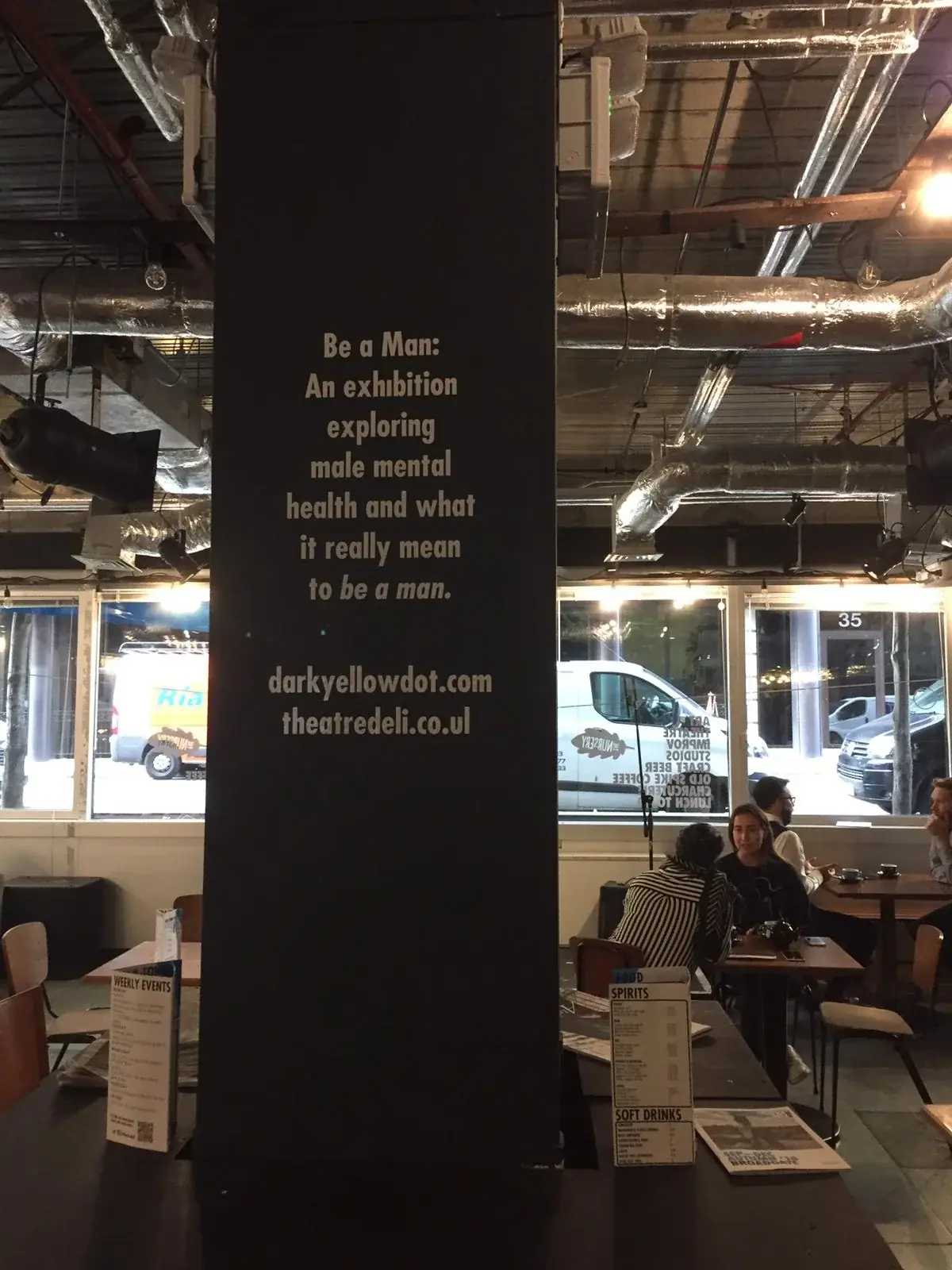
Cut vinyl starts as a sheet of one colour, then a machine cuts out letters, shapes or a simple logo. It works well for opening hours, a short service list or a name on a window because there is no printed box around the words. Printed vinyl can show photographs, several colours and more detailed artwork. It may have a clear or coloured protective layer on top, depending on where it will be used. If the message is short, cut lettering may be all you need. A large picture or busy design is usually better printed.
Consider where the graphic will go before picking the film. Glass, painted walls, metal and a curved surface do not all feel or behave the same. Dust, rough paint or an oily mark can stop the sticky back from holding well. A film made for a smooth window may not work on a bumpy wall. Tell the supplier what the surface is made of and whether it is indoors or outdoors. If you are unsure, send photos or ask someone to check the surface in person before ordering a large graphic.
Check the wall or window before ordering
Vinyl sticks best to a clean, dry and sound surface. Dust, grease, dampness, loose paint and some cleaning products can get in the way. If a wall has just been painted, the paint may need time to dry fully before anything is stuck to it. Tell the installer if the area was recently painted, waxed or treated. For a large graphic or a delicate painted wall, ask whether a small test would be sensible. Testing the actual surface can reveal a problem before a full design has been printed and cut.
Measure the space and note anything in the way: door handles, window frames, light switches, shelves and corners. Take a photo facing the surface straight on, and include a tape measure if you can. A photo helps, but it can make distances look different, so do not rely on it alone for exact sizing. Think about where people will stand and whether a door might cover part of the message when it opens. Agree the exact position before the graphic is made. A small change in width can put a word across a frame or leave an odd gap.
Make the words and pictures clear
Send the best logo file you have and a large, clear version of any picture. A small image taken from a website may look fuzzy when printed across a wall. Check spelling, phone numbers, opening hours and colours carefully. Ask for a proof showing the finished size and the place where panels will join. What looks clear on a laptop may be too small to read from the pavement or across a room. Step back from the proof or print a small version at the intended size to see whether the main message still stands out.
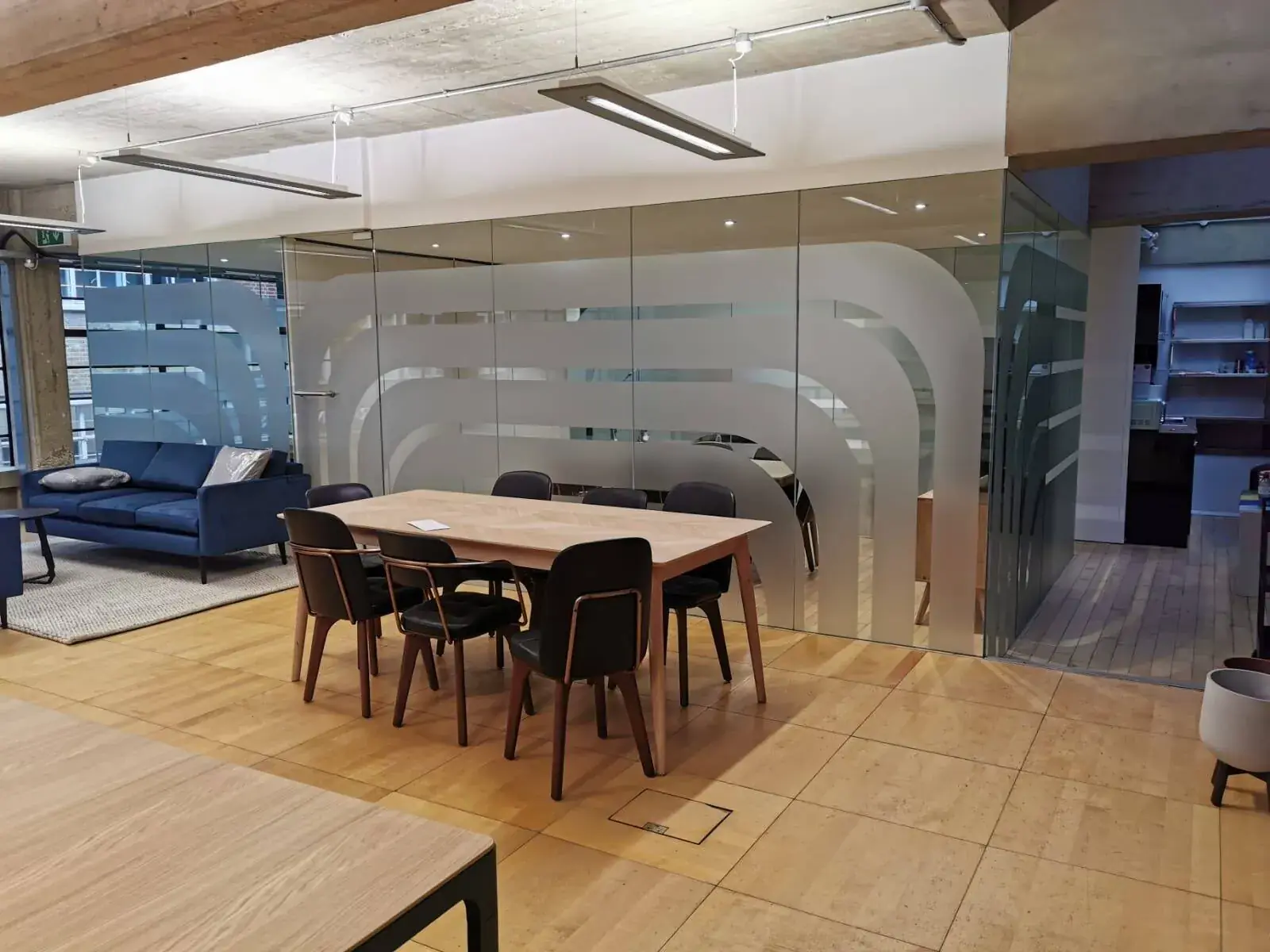
Think about how long a passer-by has to notice the window. A short message in large letters is easier to take in while walking than several lines of small writing. On an office wall, a decorative picture can cover more space, but it should not hide room names or other useful signs. Strong contrast helps words stand out. A pale design on a pale wall may disappear, while a dark background near a bright window may look different at different times of day. If colour matters, ask to see a sample.
- Send the clearest logo or picture file you have.
- Measure the space and note frames, handles and other obstacles.
- Tell the supplier what the surface is and whether it is painted or textured.
- Check the final wording, size, colours and joins on a proof.
Plan fitting time and access
The person fitting the graphic needs a clean surface, enough room to work and a suitable time. Large pieces may need to be lined up in sections, so the order and joining points should be planned before work begins. Share a picture or drawing that shows which piece goes where. If the graphic is going on several windows or rooms, label each part clearly. For a shop, fitting before opening or at a quiet time may help reduce disruption. Ask how long the area needs to stay clear and whether any staff should be nearby.
Tall windows or hard-to-reach walls may need special access equipment. Bring this up when asking for a quote, not on the day of fitting. If the sign is in a shared building, find out who approves the design and who can arrange access. Explain any limits on working hours, deliveries or parking. A fitting team may also need to clean the area first, so make sure the quote says whether surface cleaning is included. Clear plans help the installer keep the graphic straight and avoid a last-minute change to the design.
Look after graphics and plan for removal
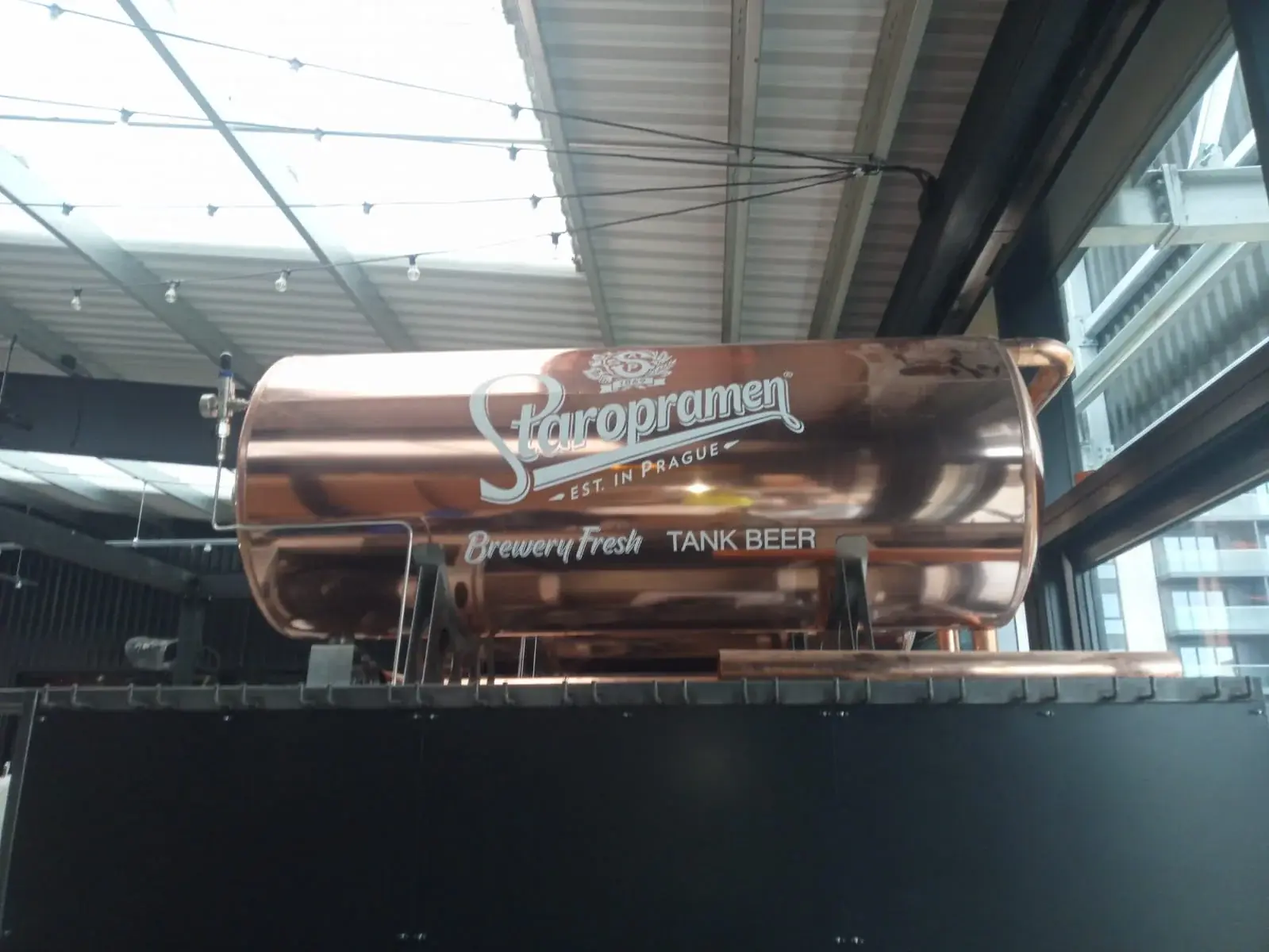
Use a soft cloth to clean vinyl and avoid rough pads or strong cleaners unless the film maker says they are safe. Be gentle near the edges, where water or scrubbing can start to lift the film. If the graphic is near food, steam or frequent cleaning, explain that before choosing the material. The printed face and the wall beneath it can need different care. Ask for the cleaning advice that matches the product you are buying, rather than relying on a general instruction for all vinyl.
It is useful to think about removal before the graphic goes up. A short offer may stay for a few weeks, while a business name may be needed for years. Some films come away more easily than others, but age, sunlight and the surface can change the result. A graphic on paint may leave marks or show a patch that was protected from light. Ask how removal is expected to work and whether it is included. Keep the artwork and measurements so you can make a fresh version when a campaign changes.
Get a clear plan and compare quotes
A useful enquiry explains the message, size, surface, location and how long you expect the graphic to stay up. Attach photos, a sketch and any artwork. Say whether you need someone to fit it or remove an older graphic. If it is a campaign, share the dates and whether the design must match other signs. If a supplier suggests a different type of vinyl, ask why it suits your wall or window better. Good advice should cover how it will look, how it will stick and what may happen when it comes off.
Compare what each quote includes. Check whether it covers design help, printing, protective film, cleaning the surface, fitting, access equipment and removal. Confirm who checks the measurements and what happens if the real window or wall differs from your drawing. Make sure you know which colours, wording and graphic size you have approved. If there are several sites, agree on one design and the same colour choices, while allowing for each space to have different measurements. Written details make the job easier to check later.
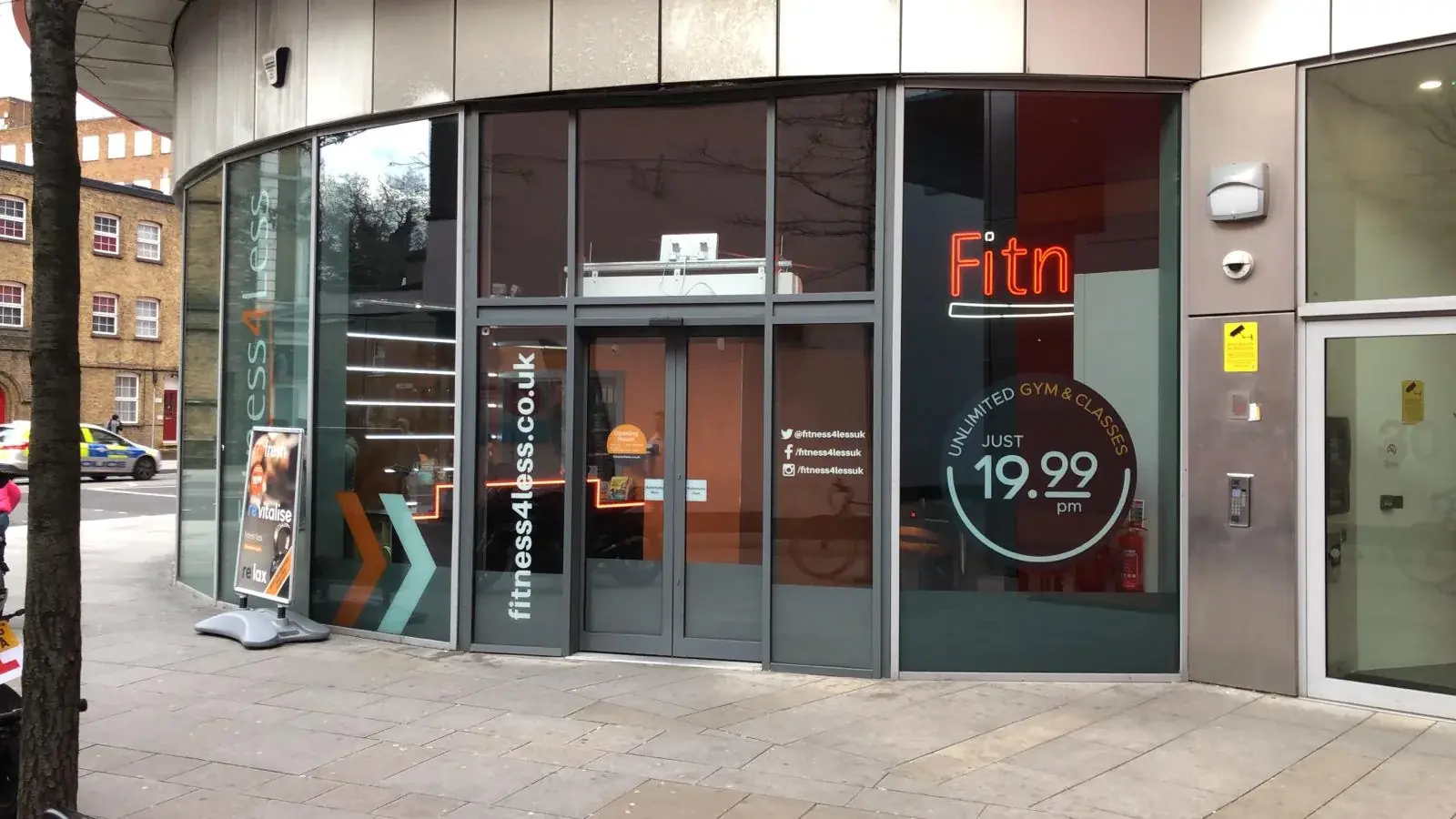
Window Graphics London — Explore printed and cut graphics made for glass.
Conclusion: describe the surface first
Vinyl is a flexible way to add words or pictures to a window, wall or other surface, but the material must suit the place. Start with the message and the surface, then check its condition, size and viewing distance. Decide how long the graphic should stay, who will fit it and how it may be removed. A clear proof helps catch spelling, size and position problems before work begins. London Signage can talk through printed and cut graphics for business spaces. Send photos, measurements and artwork through the contact page or quote form, and explain what the graphic needs to do. That gives the team the right details to begin a practical conversation.
Ask about vinyl graphics — Tell the team about your wall, window or other surface.
Ask for a graphics quote — Share your artwork, measurements and fitting needs.
Frequently asked questions
What is the difference between cut and printed vinyl?
Cut vinyl is a sheet of one colour shaped into letters or simple pictures. Printed vinyl can show photos, many colours and more detailed designs.
Can vinyl stick to a painted wall?
Some types can, if the paint is smooth, clean and fully dry. The wall and paint condition matter, so ask about a test before fitting a large graphic.
Can vinyl graphics be taken off later?
Often they can, but the film, age, sunlight and surface affect how easy removal is. Ask whether marks or sticky residue may remain.
How should I get a wall ready for vinyl?
It should usually be clean, dry and in good condition. Tell the installer if it was recently painted or cleaned, and follow their advice for the chosen film.