Shop Signs
Types of Shop Signs in London: What to Choose
Compare shop sign choices, from flat panels and raised letters to signs that stick out, light boxes and window graphics.
A shop sign can be a flat board, raised letters, a sign that sticks out over the pavement, or words on the window. They all do slightly different jobs. One may help people spot your name from far away; another may tell them your opening hours at the door. It is tempting to choose the style you like best, but the sign also has to fit the building and help customers. This guide explains the main choices in plain language. Use it to work out which kinds of signs might help your shop before you speak with a sign maker.
Flat panels give the name a clear background
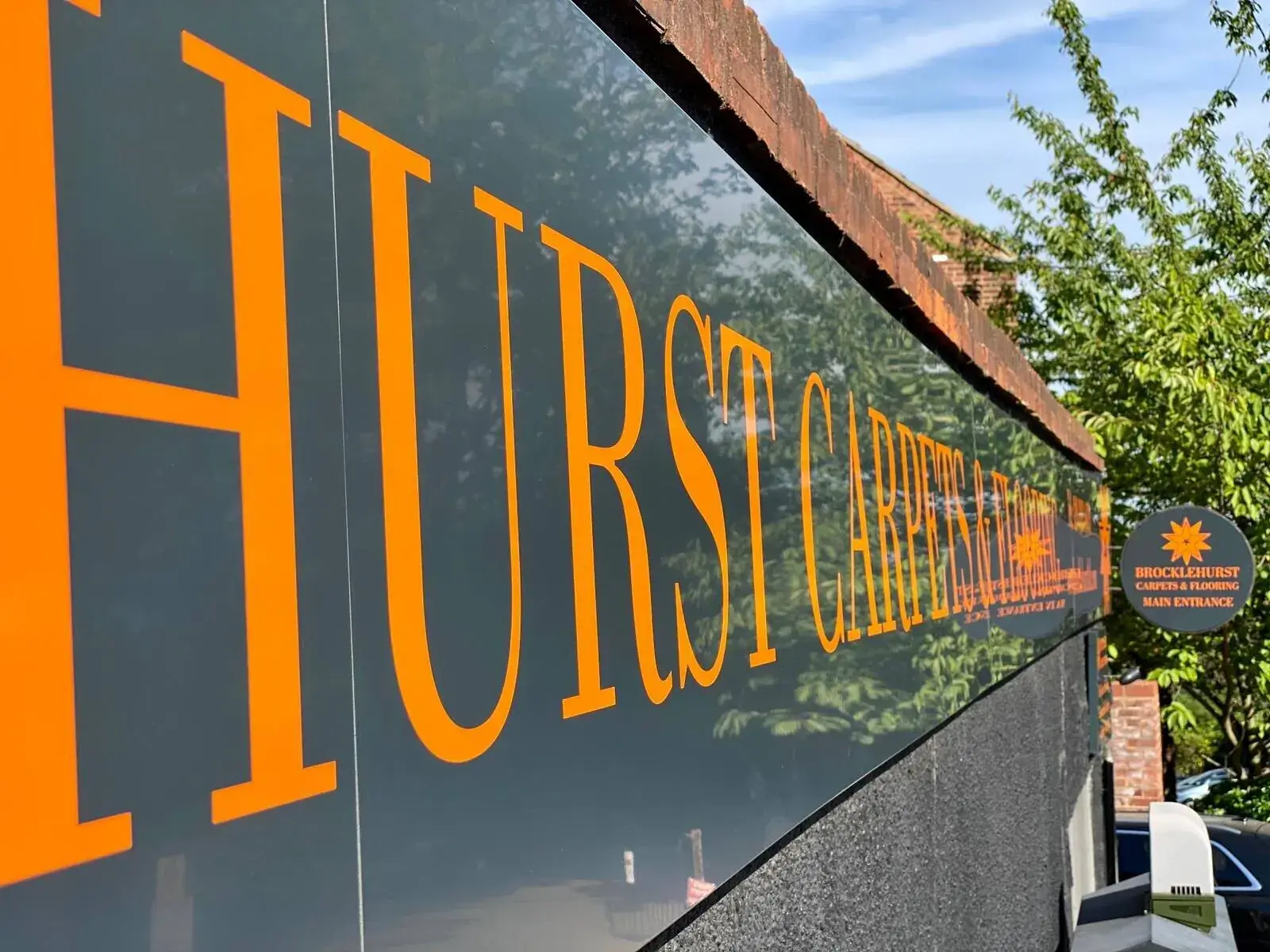
A flat panel is a board or sheet fitted above the shop. It gives your name a background, which can help the letters stand out if the wall behind is busy. The name can be printed on the panel or added as separate letters. Think about the width of your shop and leave a little space around the words. Filling every bit of the panel can make the name feel crowded.
Before choosing a panel, check that people can see it from the places they approach. A canopy, tree, bus stop or next-door sign may block the view. Also look at the building itself: a panel may cover brickwork or a detail that the landlord wants to keep visible. Ask what the panel is made from, how it will be fixed and how the surface should be cleaned.
Raised letters add shape and depth
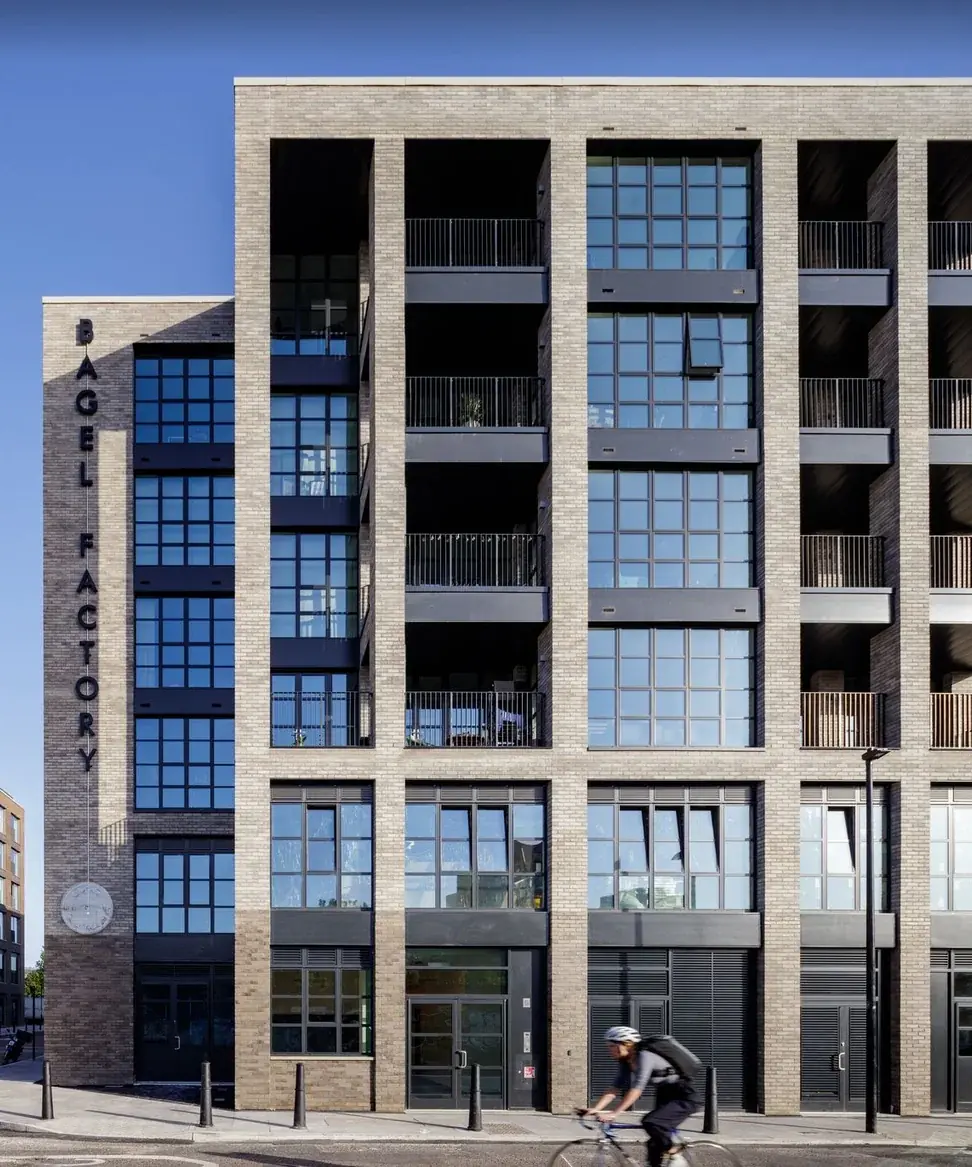
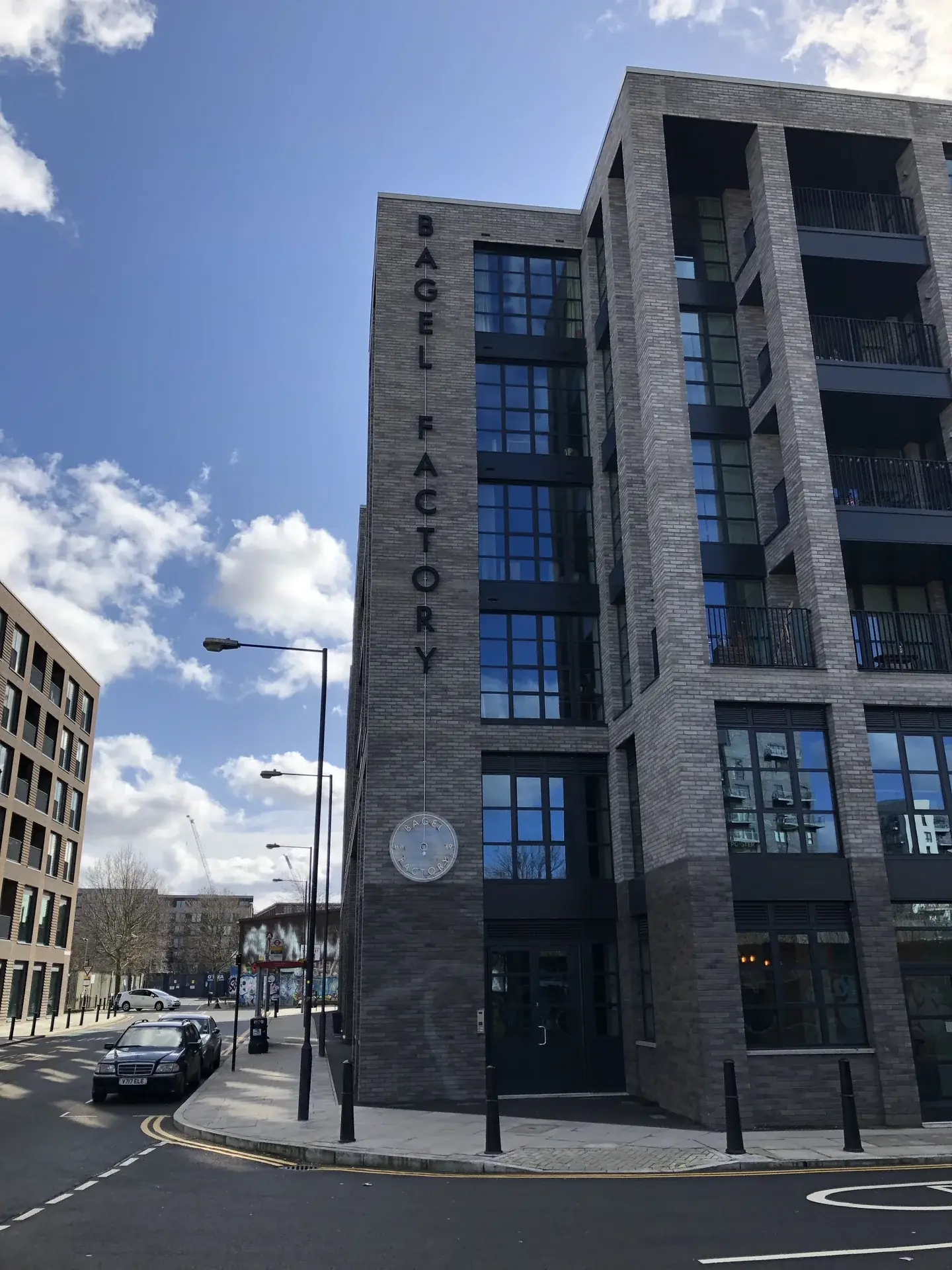
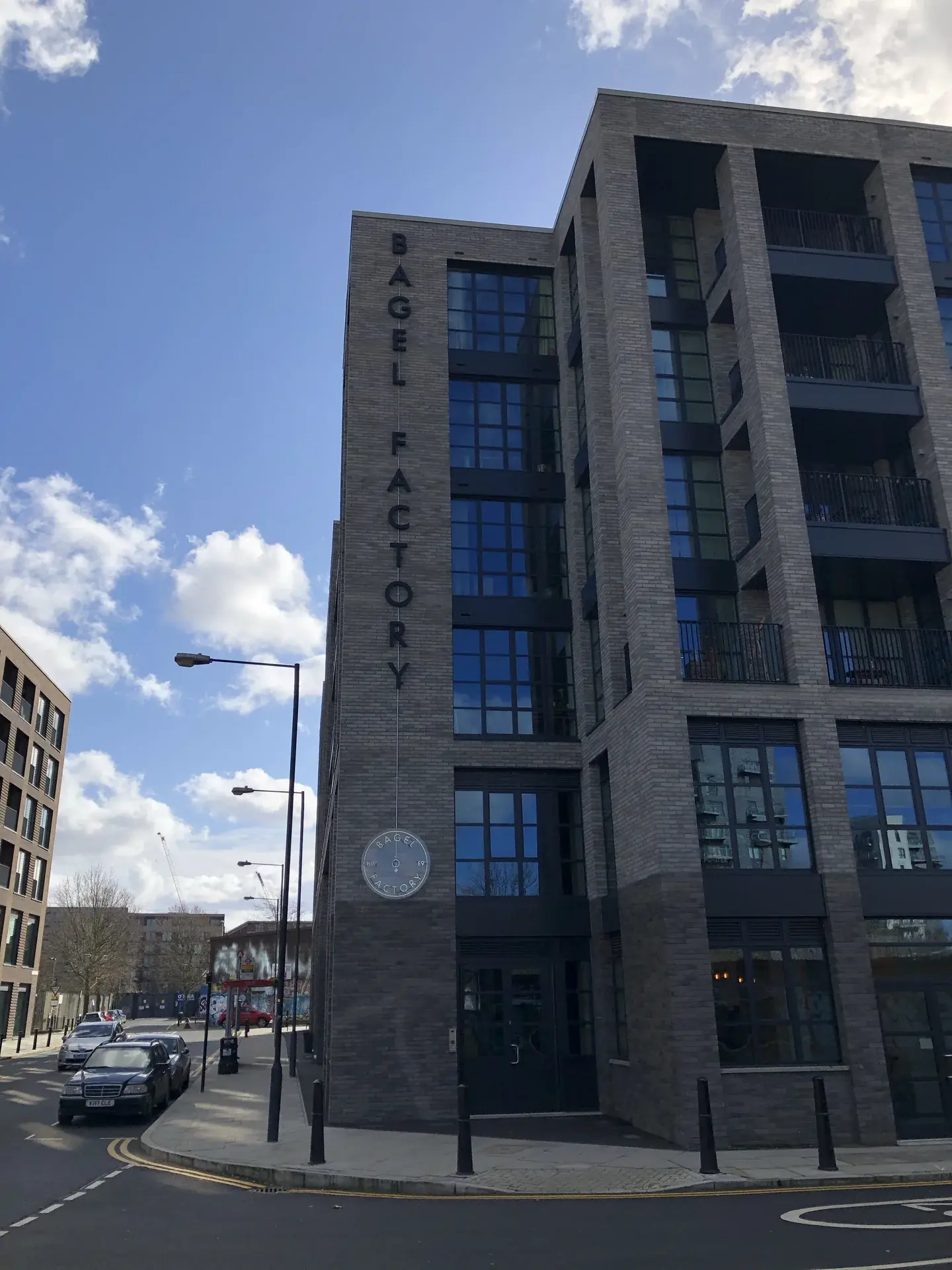
Raised letters stand away from the wall instead of sitting flat against it. They cast small shadows and can make the name feel like part of the building. Letters can be made from different materials and finishes, so ask to see a sample. Look at the whole sign from a normal viewing distance, not only a tiny close-up. The letters should still be easy to read and have enough contrast against the wall.
Each letter needs to be placed in the right spot, with even spaces and a straight line. Ask how the installer will attach them and whether the fixings will show. Raised letters may suit a brick or stone wall where you want some of the wall to remain visible. They may be harder to see if the wall and letter colours are too similar, so check the choice in daylight.
A sign that sticks out can be seen from the side
A projecting sign is fixed to the wall so it points out towards the pavement. It can help people spot your shop while walking along a narrow street, where they may not see the sign above the door until they are close. It can hang from a bracket or be made as a box. Ask how far it will stick out, how it will be attached and whether it could get in the way of people walking past.
This type of sign is most useful when there is a clear reason for it. Stand along the street and see whether your main sign disappears when people approach from the side. If it does, a projecting sign may help. If the main name is already easy to see, adding one may only make the shop front busier. Check with the landlord or building manager before you order, as they may have rules about signs that extend from the wall.
Lights help some shops after dark
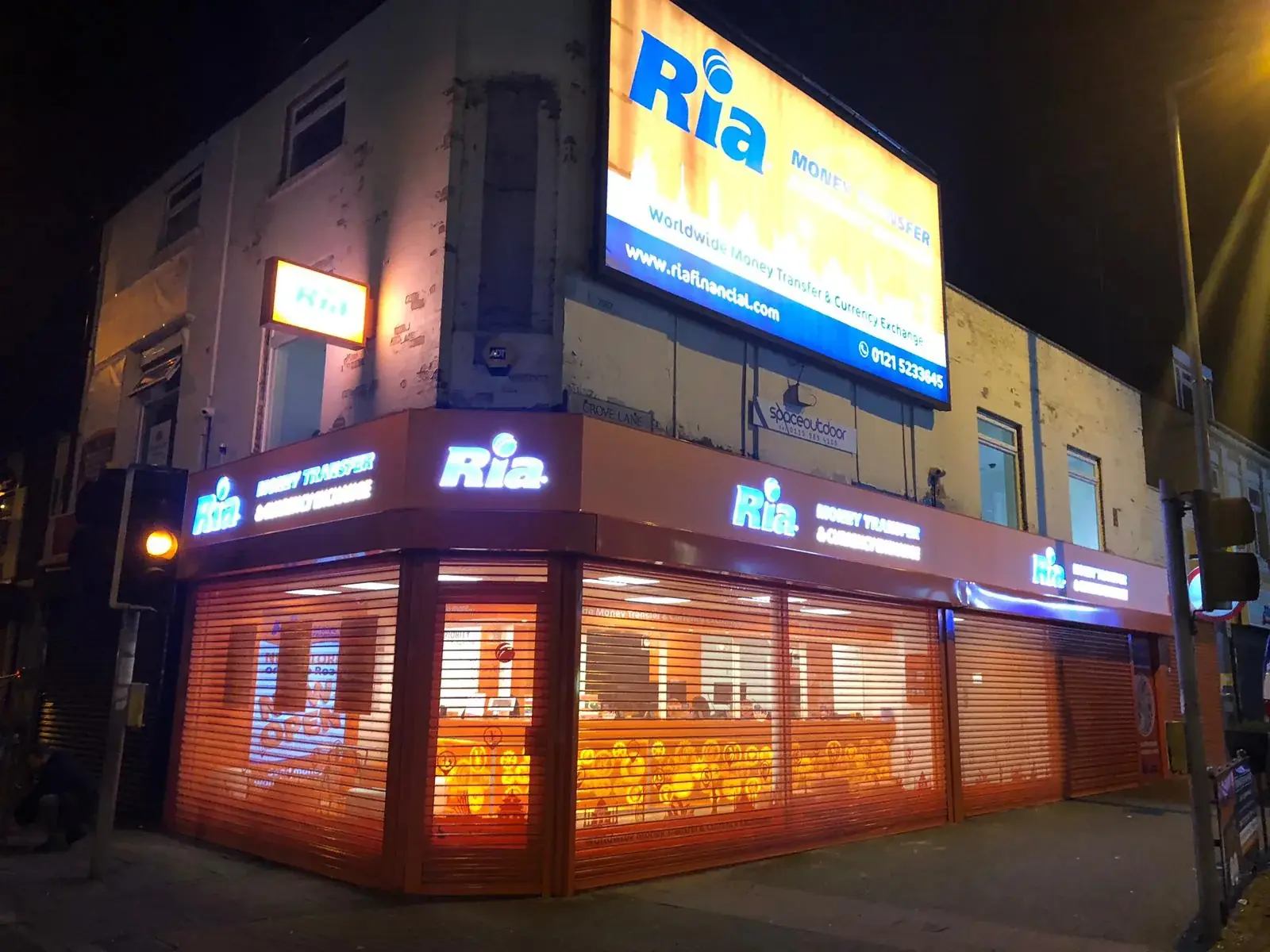
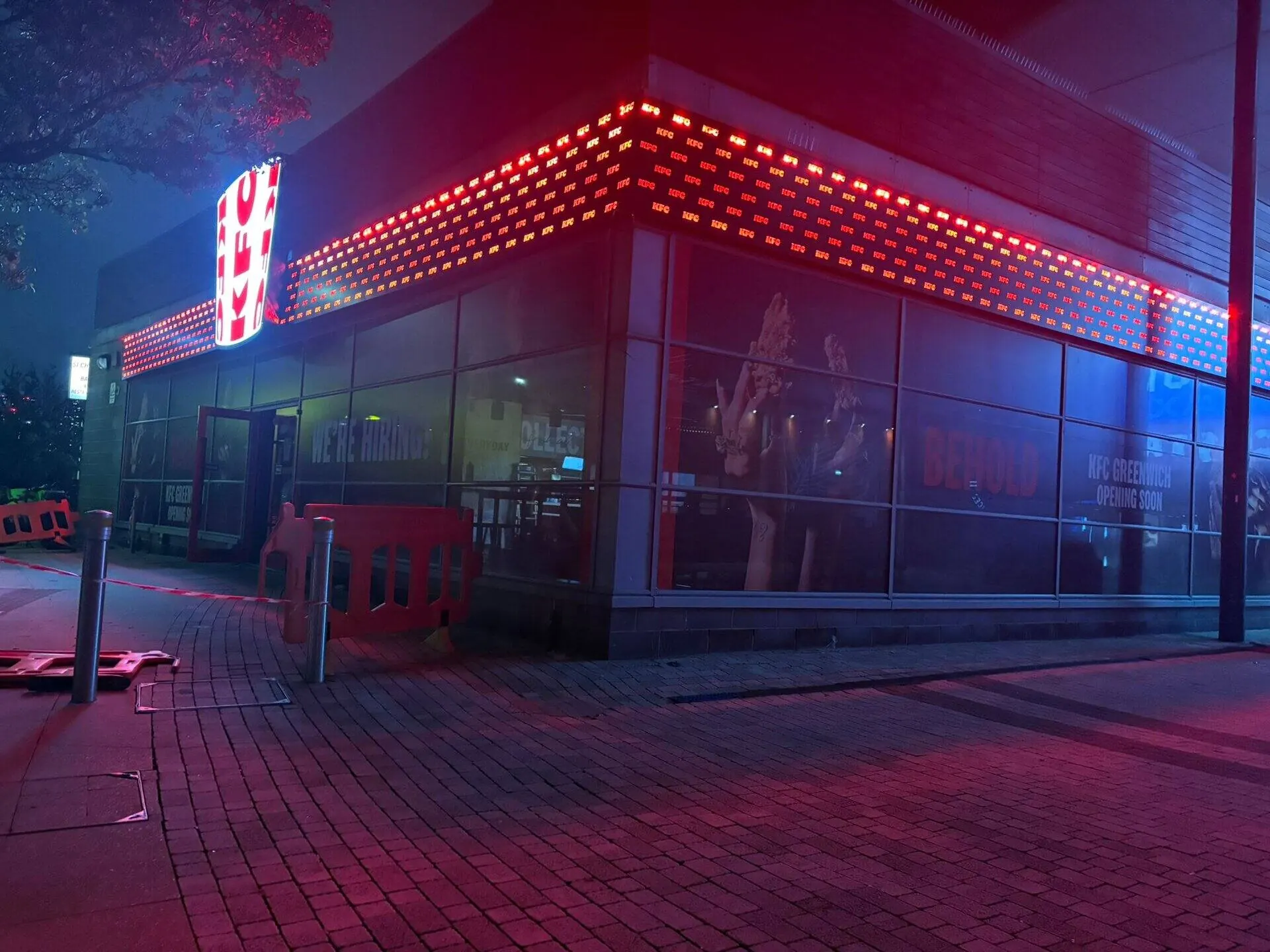
A light box has a panel with lights behind it. A sign with raised letters can also be lit from the front or have light glowing onto the wall behind. These choices look different during the day and at night. Think about when you are open and whether customers need to see your name after sunset. If you close before dark and your shop is easy to find, an unlit sign may be enough.
LED means “light-emitting diode”, a small light used inside many signs. Ask whether the sign face, the letters or the wall behind them will glow. Check that the name remains easy to read when the lights are on, and ask where the power cable will go. Lights add parts that may need checking later, so ask how to reach them safely if something stops working.
Window signs are useful for close-up details
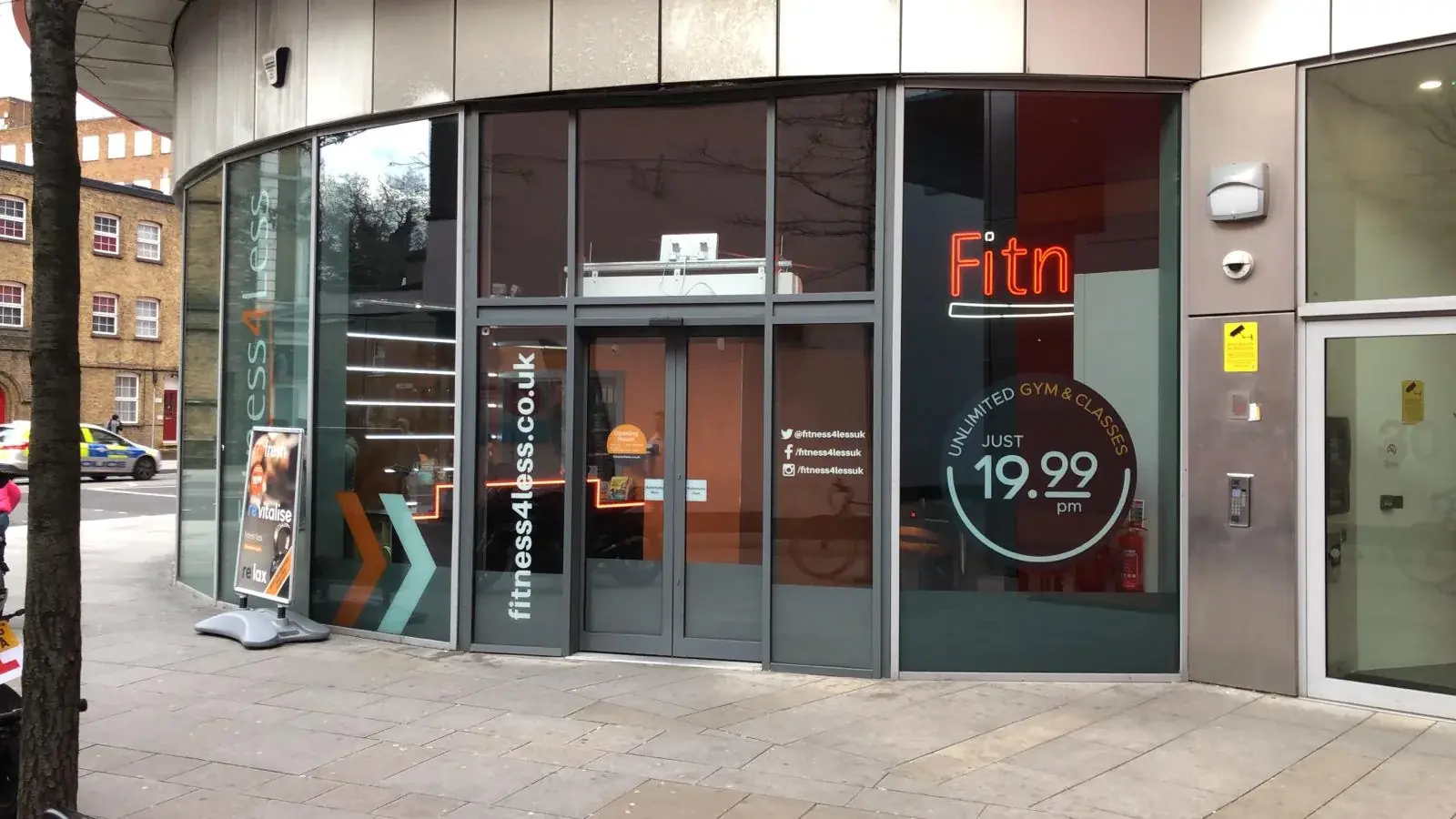
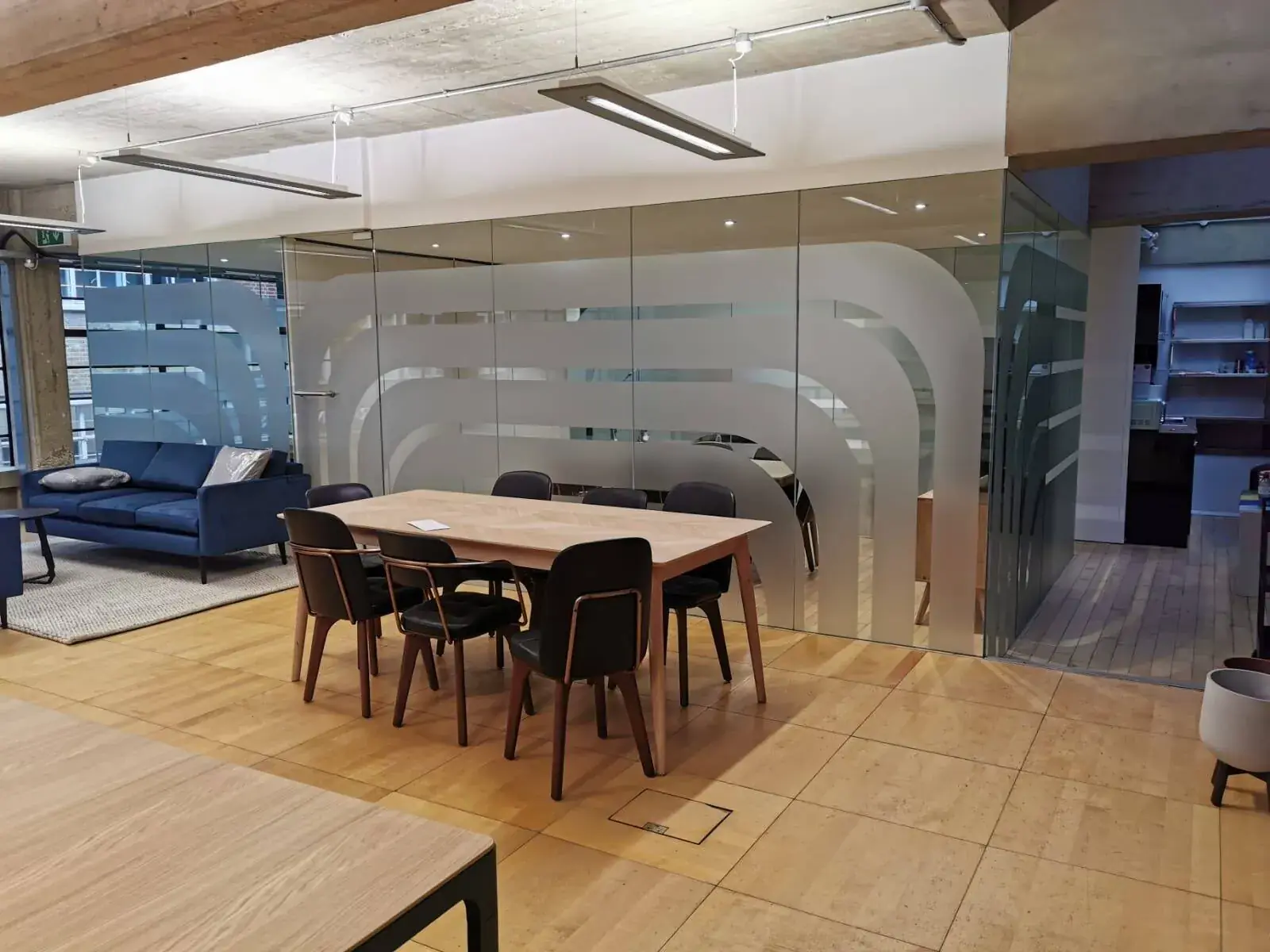
Window graphics are words or pictures put on window glass, often using a thin sticky film called vinyl. Vinyl is a flexible material that can be cut into letters or printed with a design. It can show opening times, a short offer or a simple picture without taking up wall space. Tell the sign maker if you want to change it often, as some films are easier to remove than others.
Keep window messages short and leave a view inside if that matters to your shop. Lots of words and pictures can make it hard for people to see the entrance or what is on display. If customers need more detail, place it near the door where they have time to read. Ask how the film is cleaned and whether sunlight may change its colour over time.
Choose by the customer’s real problem
Start with one question: what is difficult for your customers right now? If they cannot spot the shop, make the name clearer from the street. If they miss the door, point out the entrance. If they ask when you are open, add the hours near the door. A sign should answer a question, not create another one. Some shops need only one strong sign; others need two or three signs with separate jobs.
Take photos from the pavement and ask a sign maker to show the options on those photos. Ask how each sign will be made, fixed and cared for. Find out what the quote includes, and check any building rules before work begins. A site visit can confirm the measurements and show whether a wall, window or cable route creates a problem. Check all wording on the final drawing before the sign is made.
Shop Front Signs London — Explore sign types for the outside of shops and businesses.
Each sign type has a job. A flat panel makes a simple background, raised letters add depth, a projecting sign can be seen from the side, lights help in low light, and window film carries close-up details. Choose only the types that help your customers. Look at your shop from the pavement, think about the questions people ask and share photos with the sign maker. That way, you can compare useful choices for your actual building instead of picking a sign that only looks good in a catalogue. This keeps the shop front helpful, welcoming and easy to understand every day.
Talk to London Signage — Discuss what customers see and which sign types may help.
Ask for a shop sign quote — Share photos, your shop details and what you want the sign to say.
Common questions about shop sign types
Frequently asked questions
Which kind of sign works best on a busy high street?
It depends on what people can see as they walk past. A panel may show the main name, while a projecting sign may help from the side. Check the actual view before choosing.
What is the difference between a sign panel and raised letters?
A panel is a flat board or sheet with a background. Raised letters sit out from the wall, so the wall can show between and around the letters.
Can I have lights in any shop sign?
Some panels and letters can be lit, but the building, power, fixing and any rules for the site matter. Ask a sign maker to check your shop.
Can I change window film for each season?
Often you can, but the film and how it is fitted affect how easily it comes off. Tell the sign maker if you plan to change it regularly.