Business Advice
How Business Signs Help London Shops Get Noticed
See how a clear shop sign can help people find you, recognise your business and know what to do next.
People often discover a business through a website or a friend, then use signs to find the right door. A shop sign can show the name, tell passers-by what you do and help a visitor feel sure they have arrived at the right place. Inside, signs can point people to a desk, room or service. These jobs do not promise more sales by themselves. The sign still needs to be easy to notice and understand, and the service behind it needs to meet customers’ needs. This guide looks at practical ways a sign can help your business communicate, how to keep messages consistent and what you can check after a sign is in place.
Help people spot and find your business
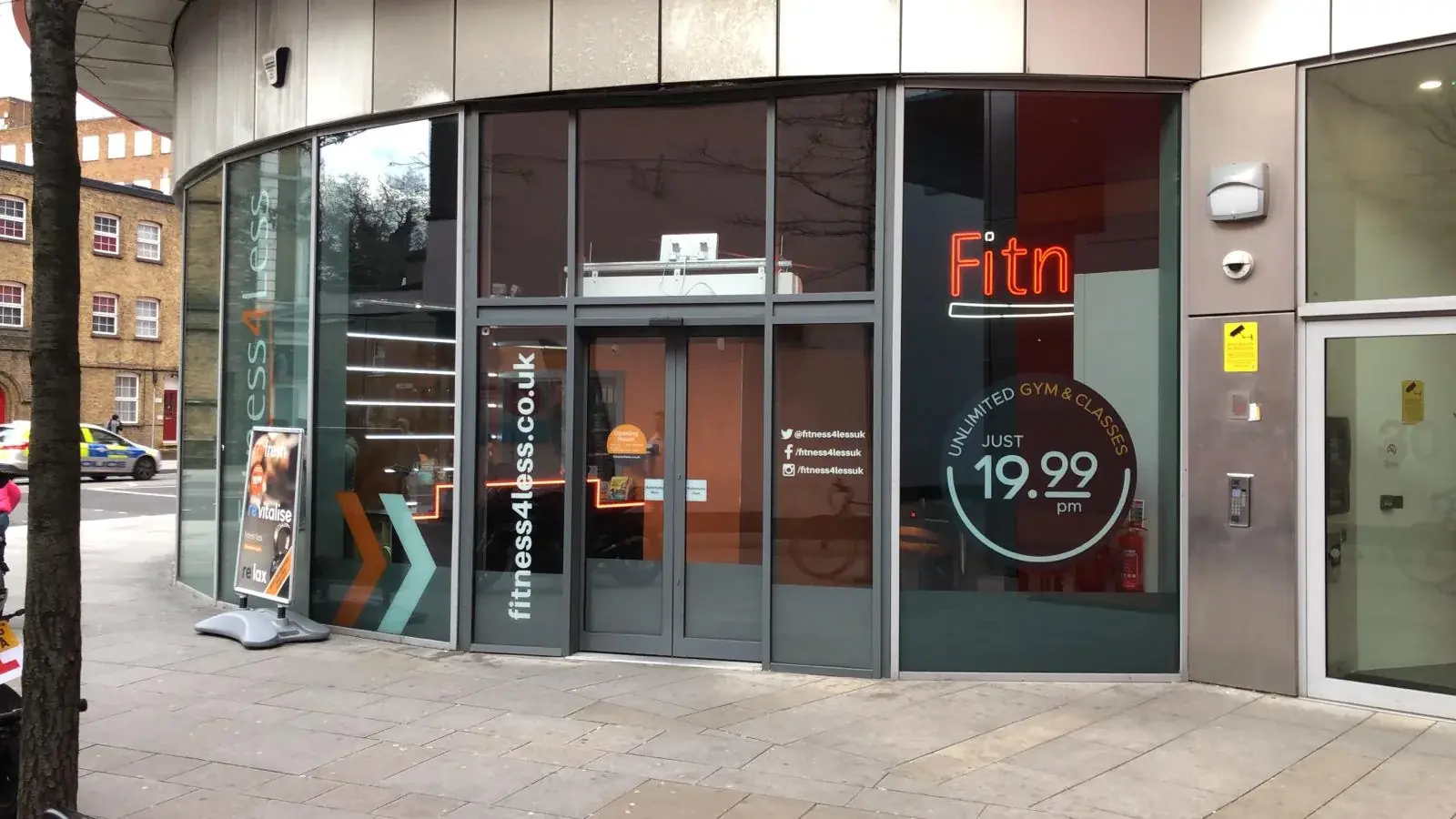
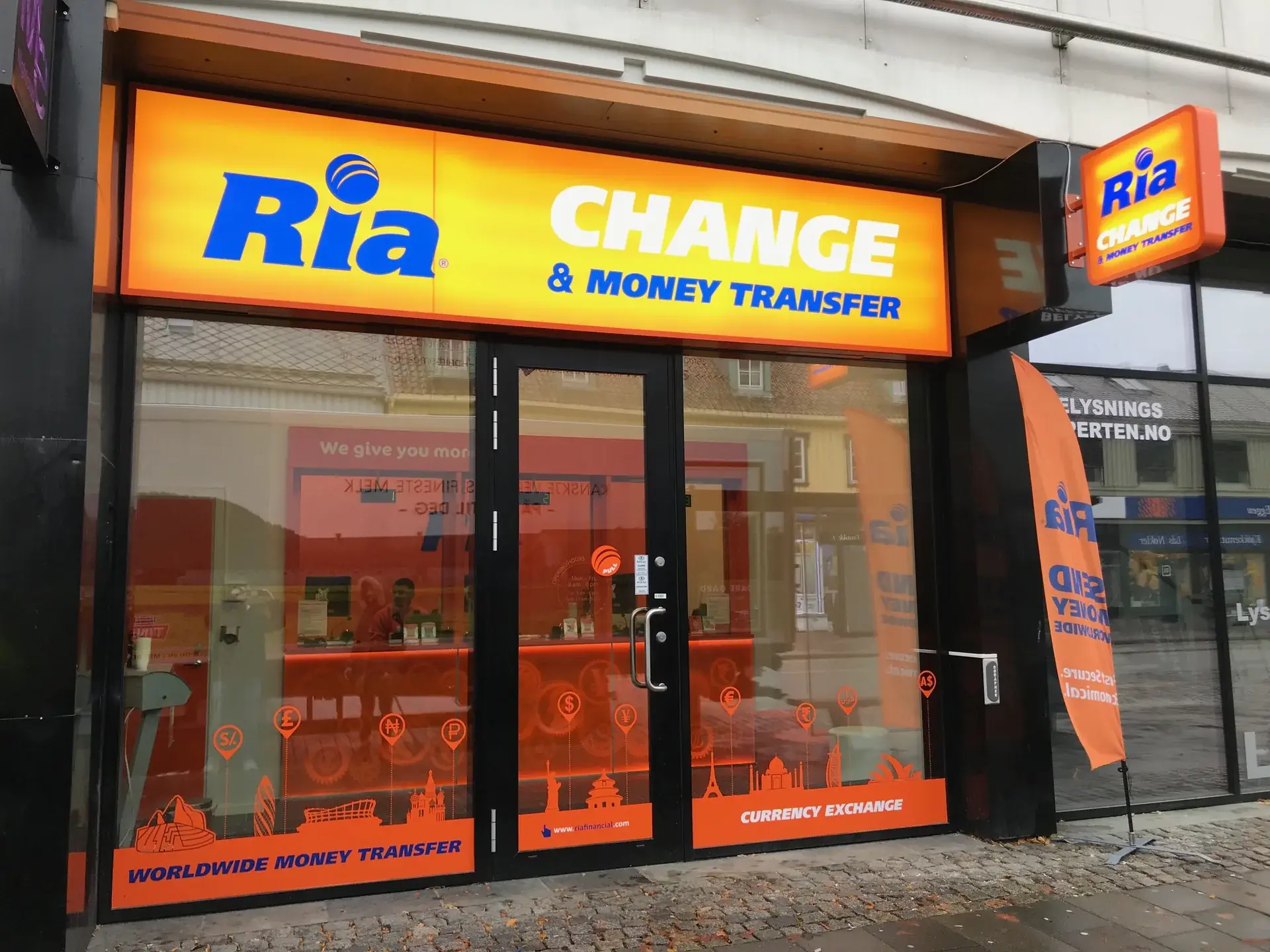
A clear sign can help someone notice your shop among nearby buildings and businesses. A sign above the entrance shows the name to people looking straight at the front. A projecting sign, which sticks out from the wall, can help someone see you as they walk along the street. Window lettering may show opening hours or the kind of service you offer. The sign needs to be placed where people can see it, with words large enough for the distance. Trees, parked vans, street furniture and bright reflections can all get in the way.
Being seen does not guarantee more customers. A sign gives you a chance to explain who you are, but people also think about what you offer, where you are and the experience they have when they visit. Walk toward the shop as if you have never been there. Can you spot the name before reaching the door? Can you tell what the business does? If the sign grabs attention but says nothing useful, people may still walk on without knowing whether it is right for them.

Keep your business look familiar
People begin to recognise a business when they see its name, colours and logo used in a similar way. A shop sign, window, reception area and website do not need to look exactly alike, but they should feel connected. A large logo may work well above a door, while a smaller version may be clearer on a room plaque. Decide which logo file, colours and letter style are current, then share them with anyone working on your signs. This helps prevent different versions appearing at separate parts of the same business.
The material and finish also affect the feeling of a place. A neat metal sign may suit a quiet office entrance, while a colourful window may fit a lively shop. Choose a finish that matches your business and the building rather than following a trend just because it looks good in a photo. If you have more than one location, save the approved artwork, colours and sign sizes. Each building will have its own shape, but the business can still feel familiar from one place to the next.
Make windows and entrances useful
A shop window can share one main offer, show a product or give people a quick idea of what you sell. People walking past do not have much time to read, so short words and a clear picture often work better than a long list. Decide whether you want to attract someone inside, explain a service or mark a seasonal event. Keep the design in the part of the window that people can see, and do not cover the products if the display itself helps tell your story.
Once a visitor finds you, the entrance should make the next step clear. Show where to go in, whether the business is open and any important detail they need before entering. Check that the opening hours match your current schedule. Inside, a reception sign or directions can answer common questions and help visitors reach the right person. Remove old offers and notices that are no longer true. A window full of out-of-date messages can make it harder for customers to trust the information they see.
- Give each sign one main job.
- Think about who will read it, from where and how far away.
- Put the most useful message first and keep extra words brief.
- Use the same approved name, logo and colours throughout the site.
Help customers move around inside
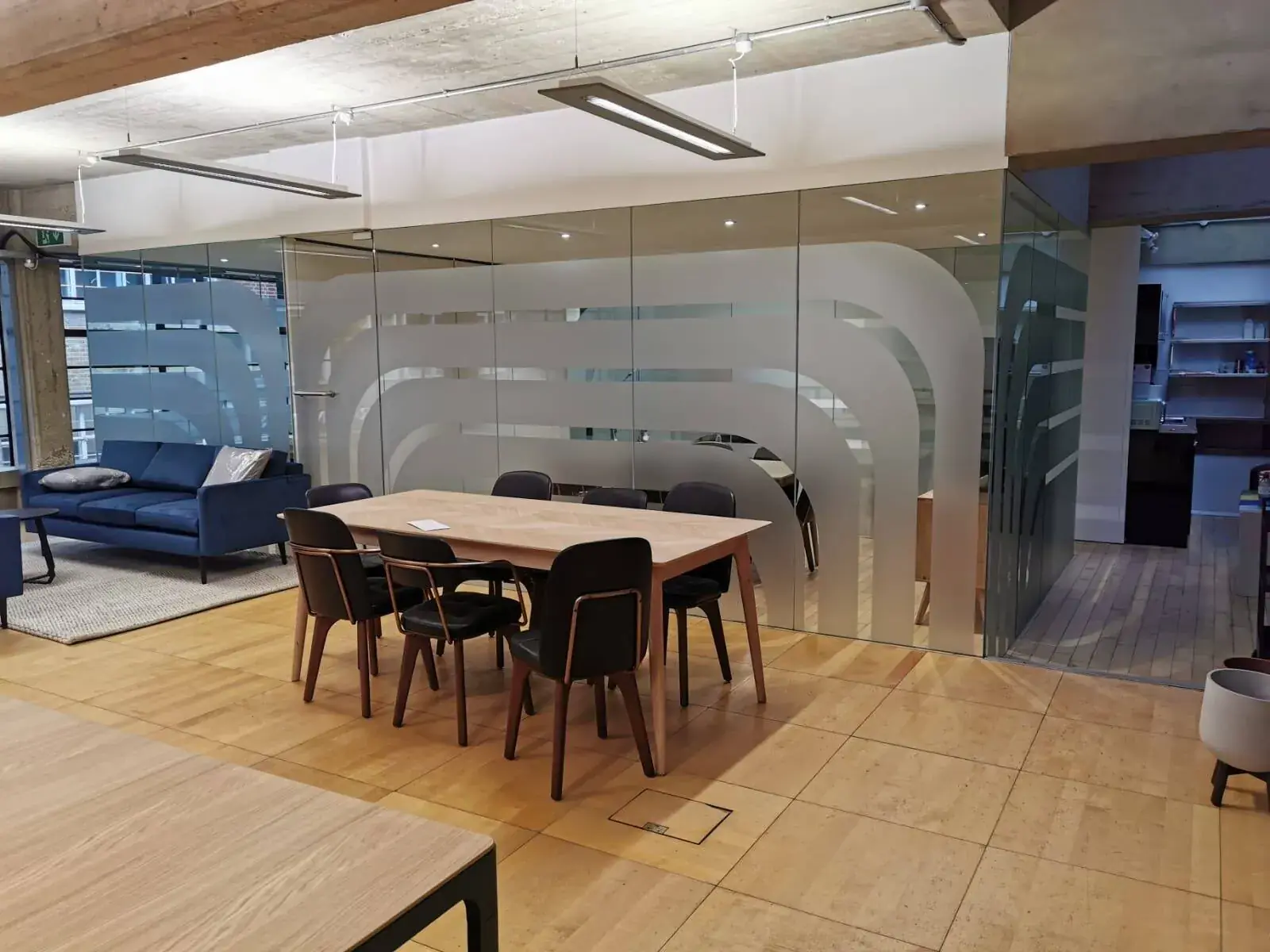
Signs inside your business can point visitors to a reception desk, toilet, room or service counter. Clear directions mean people do not have to guess or ask staff every time. Start where a visitor enters and think about the choices they need to make along the way. Use familiar words, arrows that point the right way and names that match the doors or rooms. A bright sign is not useful if it sends people in the wrong direction. Ask someone new to the space to follow the signs and tell you where they get stuck.
Some signs can connect a visitor to a website or a QR code, the square code a phone camera can scan. Check the code works and leads to a page that makes sense. Do not make a passer-by read a long web address or stop in an awkward place to scan. The sign should give a simple prompt, while a web page or a member of staff can answer more detailed questions. Keep links and offers up to date, especially if the sign is meant to support a short campaign.

Keep signs in step with your other messages
A sign works alongside your website, local adverts, social media and word of mouth. An online advert may bring someone to the street, and the sign helps them know they have reached the right place. The shopfront can also introduce your business to someone who has never seen an advert. Keep the offer, name and opening details consistent. If a sale ends online but the old offer is still printed on the window, customers may be disappointed. Give someone on your team the job of checking dates and removing old messages.
Inside, signs can explain your services or answer questions, but more words are not always better. Think about what customers ask staff most often. A short sign may answer a simple question, while a person is better for a detailed conversation. Keep permanent information separate from temporary offers so staff can update one without confusion. Regularly walk through the customer area and check whether each sign still helps. If it no longer answers a real question or points to a useful next step, it may not need to stay.
Check whether the sign is doing its job
Before fitting a sign, write down what you hope it will help with. That might be making the entrance easier to find, showing opening hours clearly or helping visitors reach the right room. Later, ask customers how they found you or whether the sign helped. Staff may notice fewer people asking where to go. You could also use a web link just for one campaign and see how many people visit it. These clues can be useful, but they do not prove a sign caused every change in business.
Look at the sign from the places customers use, at different times of day. Is a tree or parked car hiding it? Does sunlight make the words hard to read? Can someone see the entrance and understand what to do? Check campaign dates and make sure the message is still true. A sign may need cleaning, a new light or an update rather than a full redesign. A regular check helps you fix small problems before a faded sign or old offer becomes the first thing a visitor notices.
Plan signs around the customer visit
Before ordering signs, walk the route a customer takes: from the street, to the entrance, then to the place they need inside. Write down where a sign would answer a question or make a choice easier. Take photos, measure the available space and note lights, nearby signs and anything that blocks the view. Decide which messages are permanent and which will change. Send the sign maker your current logo and the words you want to use. This helps each sign fit into the whole visit instead of being designed on its own.
Ask for a plan showing each sign, where it will go, its size and what it will say. Check the spelling, direction, opening hours and colours before approving it. If the building is managed by someone else, find out who needs to approve the work and arrange fitting access early. One project might include a shop sign, window graphics and indoor directions, but each part should have a clear job. Keep the approved artwork and a list of sign locations so it is easier to replace or update them later.
Commercial Signage London — Plan signs that fit your business and the way customers visit.
Conclusion: make each sign useful
Signs can help people notice your business, recognise it and find their way through the space. They work best when each one has a clear job and shares the same basic look as your other business messages. Choose words customers can understand quickly, check that the sign is visible from where they approach and keep the information up to date. A sign cannot promise extra sales, but it can make a visit clearer and help people find the right place. London Signage can discuss signs for shopfronts, windows and indoor spaces. Share photos, the address and your current artwork through the contact page or quote form to start a practical conversation.
Talk about your sign plans — Share the customer questions you want your signs to answer.
Ask for a signage quote — Send the location, sign details and any artwork you have.
Frequently asked questions
How can a sign help my business?
It can show people where you are, share your name or offer and point visitors to the right place. Its usefulness depends on the message, position and what customers need.
Will a new sign guarantee more sales?
No. A sign can help people notice or understand your business, but sales also depend on your offer, location, service and what customers are looking for.
What should I put on a shop sign?
Start with your business name or the main thing customers need to know. Keep the words short and easy to see from the place where people will read the sign.
How can I check if a sign is useful?
Look at it from the customer’s approach, ask visitors for feedback and check whether it answers the question you planned for. Remember that other things can affect customer numbers too.