Planning business signs
Planning Signs as a Business Investment
Plan business signs around a real need, the people who use your premises and the care the signs will need over time.
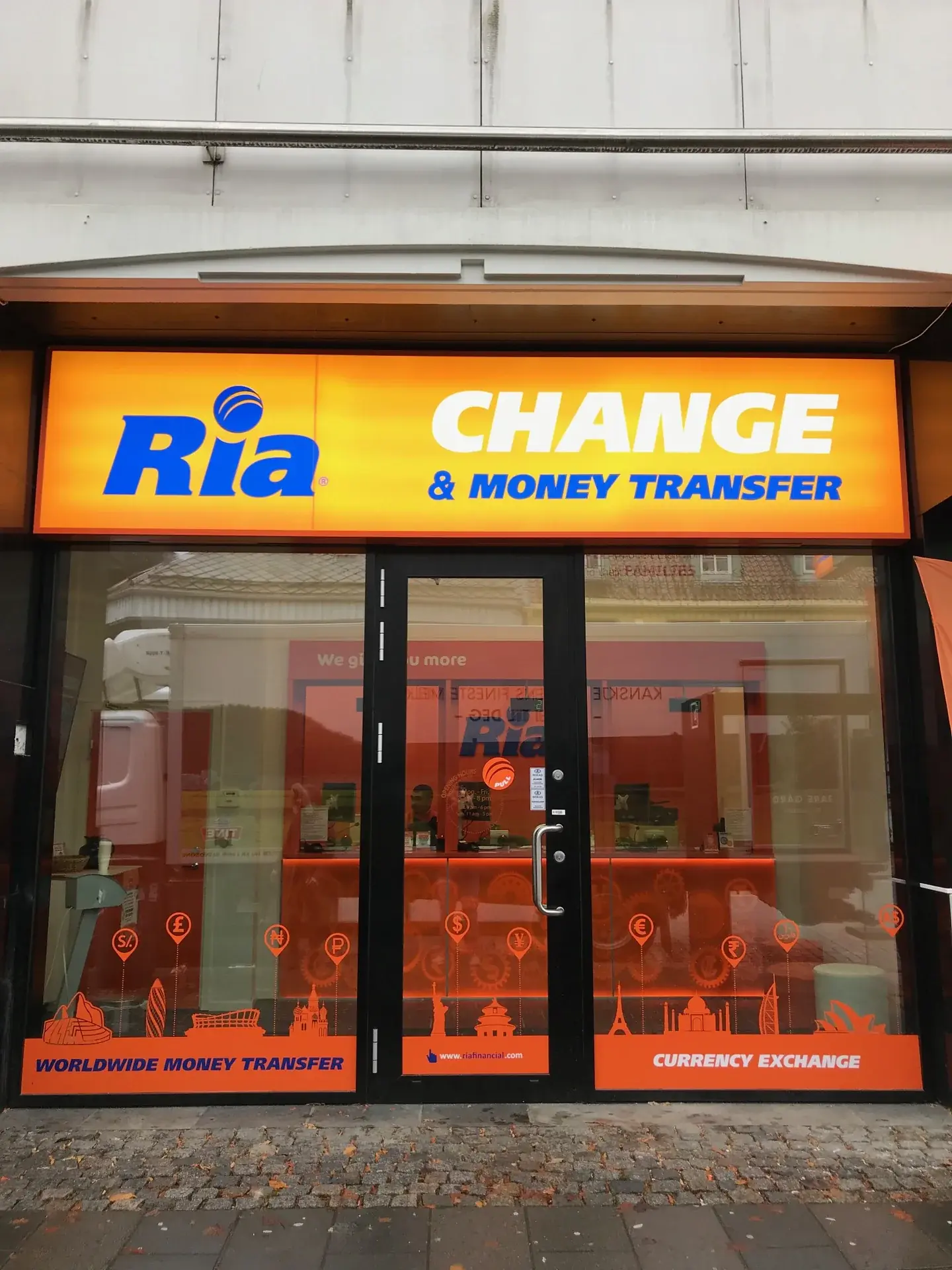
Signs are worth planning when they solve a real problem for your business. The biggest or fanciest sign is not always the best choice. A new shop may need people to spot its entrance, while an office may need clearer directions or a reception logo. An older sign may simply be hard to read or no longer show the right opening hours. This guide helps owners think beyond the first bill: what should improve, which signs matter most, and what care or changes may be needed later? There is no single promise that a sign will bring more sales. Its value depends on the place, message and people who use it.
Name the problem you want your signs to solve
Before looking at products, ask what should become easier after the signs are put up. Do you want customers to notice your name from the street? Should visitors find the entrance without phoning? Do staff need clearer labels for rooms? Write down what people do now and where they get stuck. The more clearly you can describe the problem, the easier it is to decide what signs might help.
Separate the must-haves from the nice extras. A shop may need its name, an entrance sign and clear opening hours before it needs a decorative wall feature. A workplace may need room names and visitor directions before a large brand display. Decide what must be ready for opening and what could wait. If you plan more signs later, keep their words and look consistent so the first group does not feel separate from the next.
Think about the people and the places they move through
Walk the route from the pavement, car park or building entrance to the place your visitor needs. Notice turns, doors, lifts and spots where someone might stop to decide where to go. A sign after the turn may arrive too late. Think about how far away people will be, whether they come in daylight or evening, and what else catches the eye nearby. A better position or shorter message may help more than making a sign bigger.
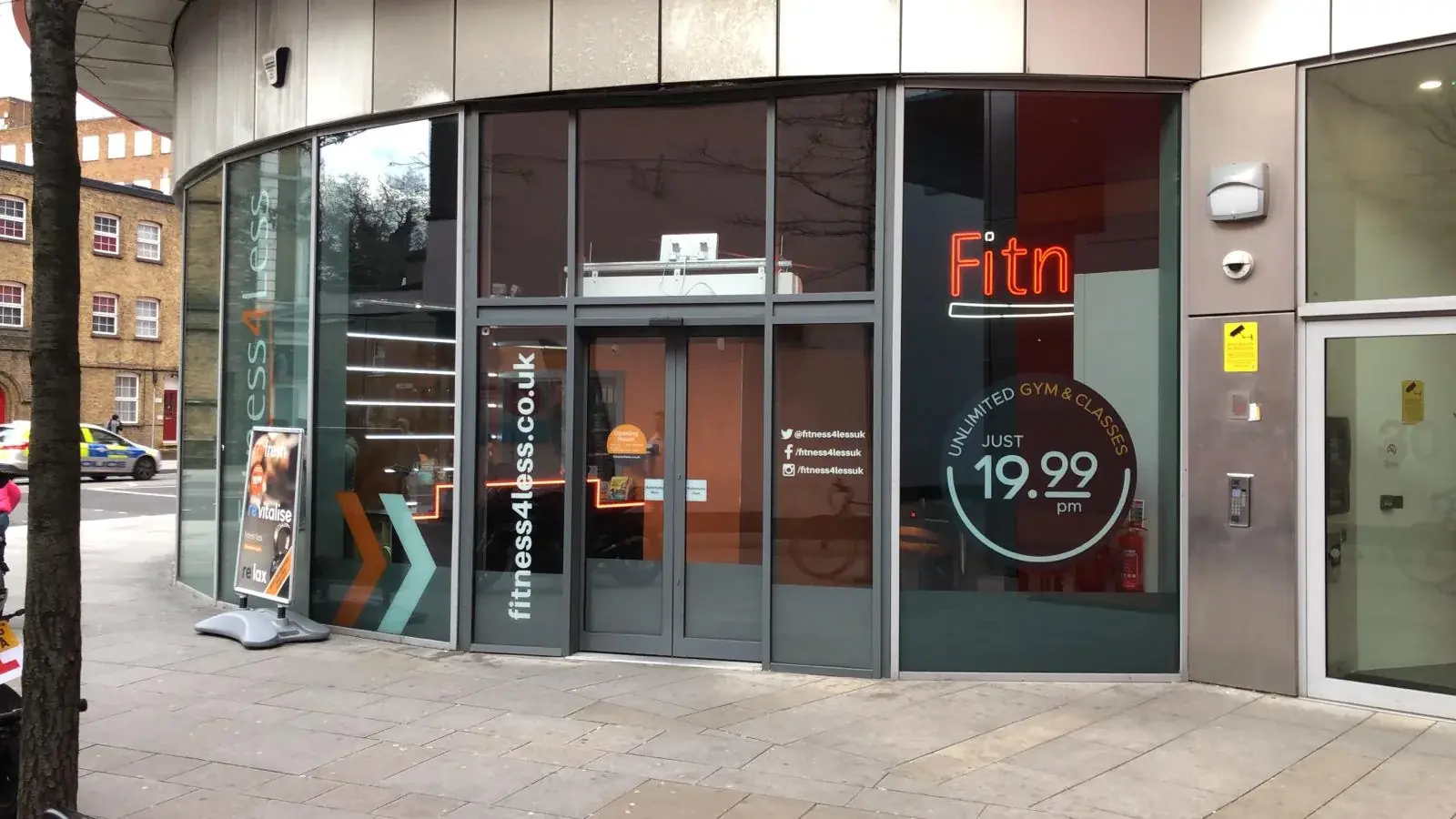
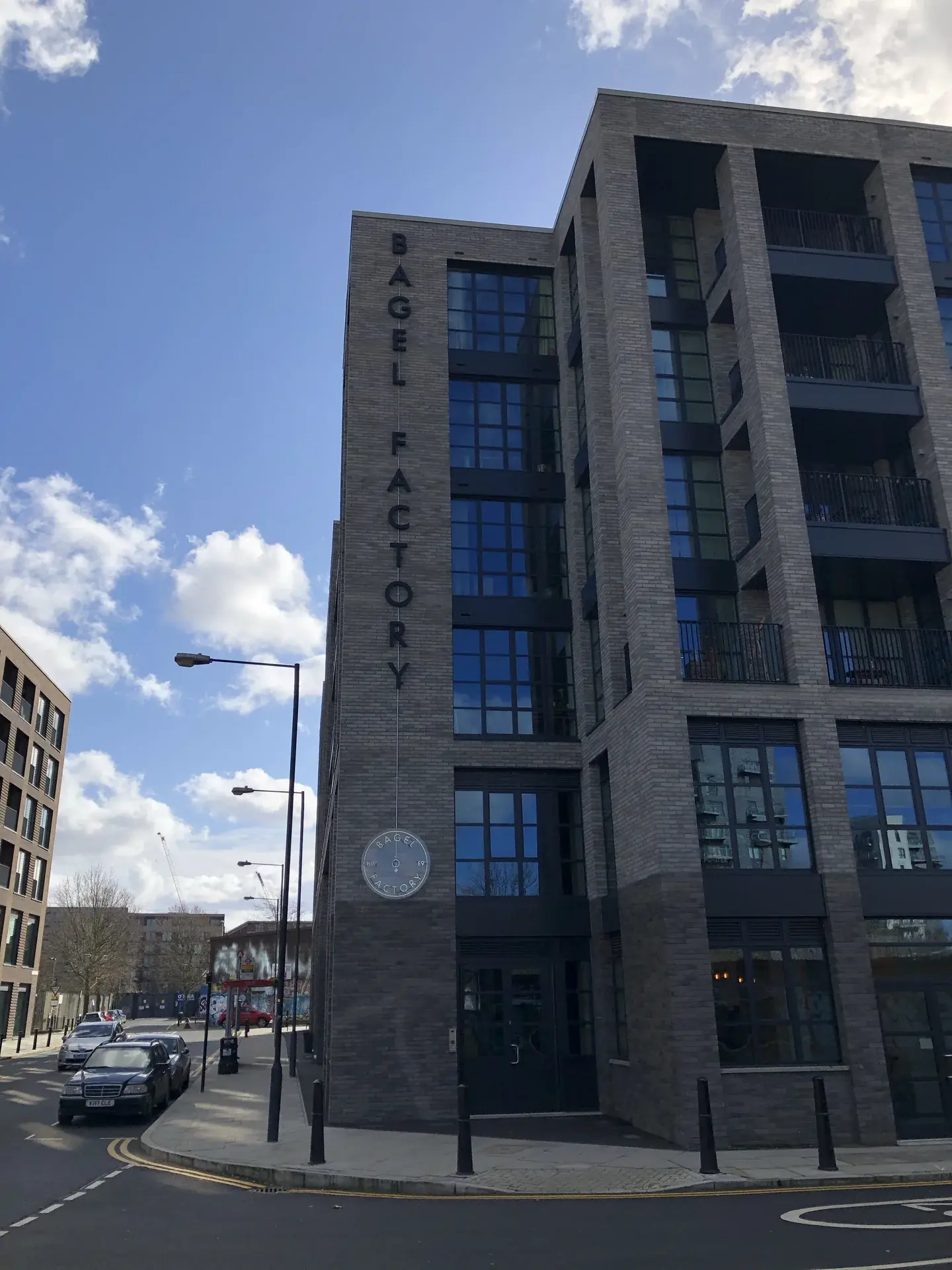
Ask staff who speak with customers which questions come up again and again. A visitor who has never been inside may need more help than a regular customer. Look at the signs you already have, too. Is an old phone number still on the wall? Do two signs point in different directions? This shopfront image shows why it helps to view a sign from the street, where customers first meet it. Make a list of what works and what needs changing before ordering more.
Think about care and changes, not only the first bill
A quote is the starting cost, but also ask what the sign may need later. It may need cleaning, a new light or updated words. Opening hours change, teams move and shopfronts get refreshed. Ask how much of the sign can be changed without replacing the whole thing. A printed panel may suit a message that changes, while a lasting wall feature may suit a logo that is unlikely to change.
Weather, direct sun, cleaning and daily use can affect a sign, so ask what care the chosen material needs. A lit sign can help people see a business in the evening, but it also needs power and may need future attention. A special finish might make sense at a customer-facing entrance but be unnecessary in a back room. Choose based on where the sign will go and how it will be used, rather than picking the most expensive option.
Spend first on a clear message
People need to read the important words quickly. Choose a short message and make the business name or direction easy to spot. Do not give a phone number, slogan, address and offer all the same space if one matters much more than the others. Ask to see the design at the size it will be made, and look at it from the place customers will stand. A simple sign can work well when its message is clear.
If you need several signs, use the same business name, colours and room names throughout. Keep a list of where each sign goes and what it says. That list helps when a sign needs replacing or a new location opens. For more than one shop or office, try the plan at one place first. Staff and visitors can tell you whether the signs answer real questions before you repeat the same plan elsewhere.
Decide whether an extra feature earns its place
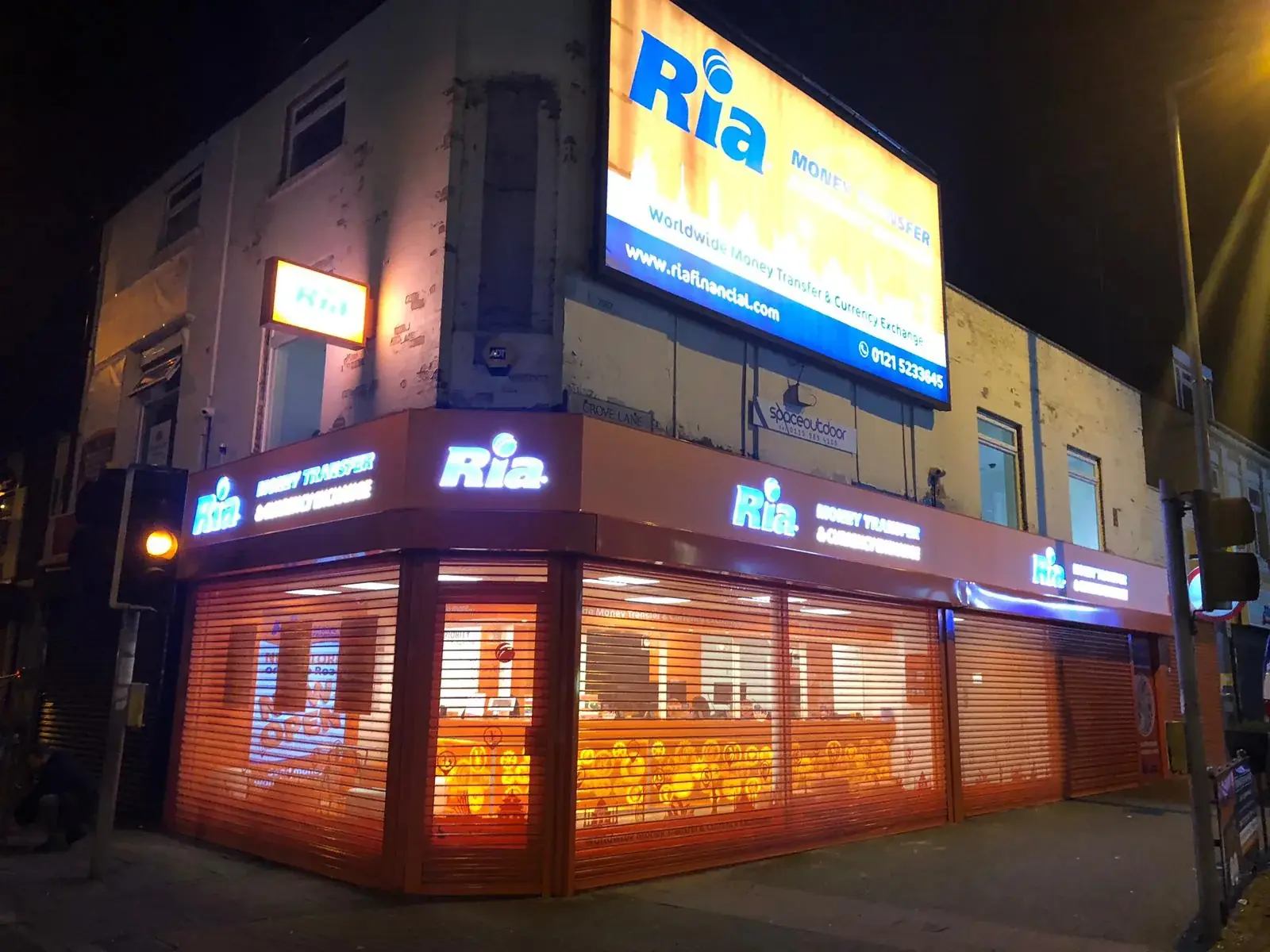
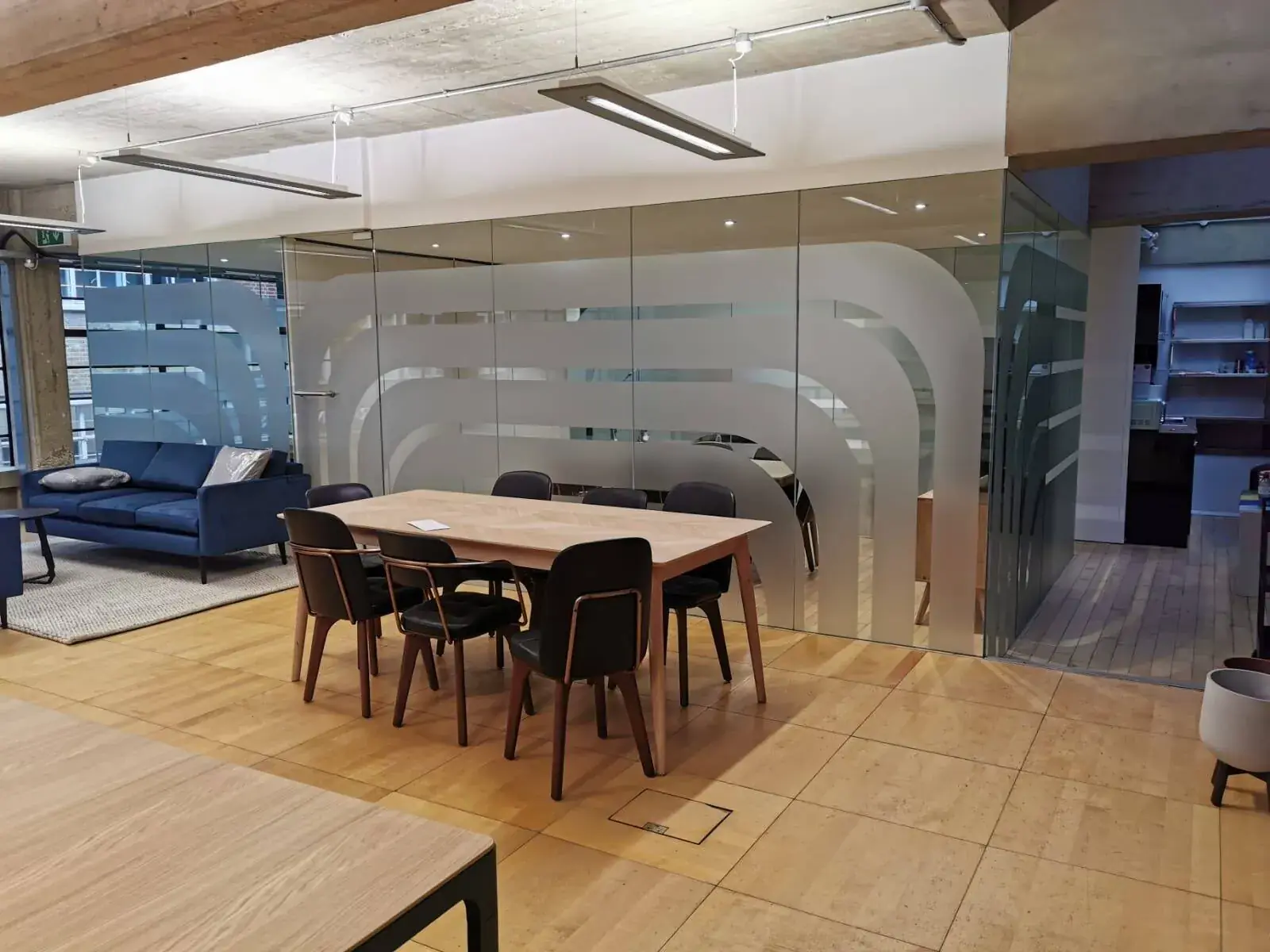
Lighting, raised letters, window pictures and special colours can each serve a purpose. If customers visit after dark, ask whether lighting would make your name easier to see. Raised letters can give a reception wall more depth. Window vinyl—film cut or printed for glass—can share an offer or add privacy. Ask what each choice changes about the look, cleaning and fitting. An extra feature is useful when it solves a need you have named.
Ask to compare two or three options, including a simpler one. A lit sign and an unlit sign may look different by day and night, and they do not have the same care needs. Check whether the building has a suitable power source and who would connect it. You can explore illuminated signs if evening visibility matters. Ask what needs checking at the site before deciding, rather than treating extra lighting as an automatic improvement.
Plan the timing so work does not need doing twice
Signs are often part of a shop opening, office move or building update. Ask what must happen first. The wall may need painting, the power may need to be ready, or a landlord may need to approve a drawing. Agree when you will supply the logo and when you need to approve the final size and words. Putting a sign up before nearby work is finished could mean it gets covered or damaged.
Keep one copy of the drawing you approved and note who approved it. Check the wording, colours, size and position before the sign is made. If you want a change, ask how it affects the timing and total before agreeing. A site visit can settle questions about a wall or measurement, and a sample can help with colour. Share your target date, address and photos when you ask for a quote so the plan can be based on the real job.
Keep simple records and check signs over time
When the signs are fitted, keep the approved drawing, the locations, material details and cleaning advice together. Ask who to contact if a light stops working or a panel is damaged. Read the written guarantee and ask what it covers. These details are useful if the person who arranged the signs leaves or another member of staff takes care of the building.
Look over the signs when something about the business changes. New opening times, a moved entrance or a renamed room can make old information confusing. Once in a while, walk the customer route and notice faded words, damage or signs that no longer point the right way. If you run several sites, use one list to note what needs attention. This helps you plan repairs or replacements before an old sign causes more confusion.
Illuminated Signs London — Review lit signs if people need to see your name after dark.
Talk about your sign priorities — Discuss the place and what your signs need to do.
Ask for a project quote — Share your site details and the outcome you want.
Treating signs as a business investment starts with the people who need them. Make their message clear, put it where it can help and choose a finish that suits the real place. Compare the first cost with future cleaning, repairs and changes, then keep a simple record of what was fitted. A small, plain sign can be the right choice if it solves the problem. London Signage can talk through shopfront, inside and lit sign choices. Look at the illuminated signs service if evening visibility matters, or contact the team with your photos, address and plans. That gives you a useful place to start.
Frequently asked questions
How can I tell if an upgrade is worth it?
Link it to a real need, such as being seen after dark or making a reception easier to find. Compare the extra work and care with a simpler sign.
Do all my signs need to go up at once?
No. Start with the signs people need most, then make sure any later signs use the same names and look.
What details should I keep after fitting?
Keep the approved drawing, sign locations, material details, care advice and the contact for repairs or updates.
Can a sign promise more sales?
No one can promise that. The result depends on your location, customers and message. Decide what useful change you want to see instead.