Shop Ideas
Retail Sign Ideas That Keep Shops Clear
Fresh ideas for shop signs that make your store easy to spot, keep sale windows simple to change and help customers find what they came for.
Shop signs work best when they answer everyday questions. Can people tell what your shop sells? Can they see what is on offer this week? Once inside, can they find the till, fitting room or collection desk? New colours and clever displays can make a shop stand out, but they should not make these basics harder. London shop owners also have to think about narrow frontages, nearby signs and people passing at different speeds. This guide looks at useful ideas, including window sales, simple directions, changeable displays and signs that work across more than one shop. Treat trends as ideas to test, not rules to follow. Your customers, products and street will show you what is worth keeping.
1. Make the whole shopfront feel connected
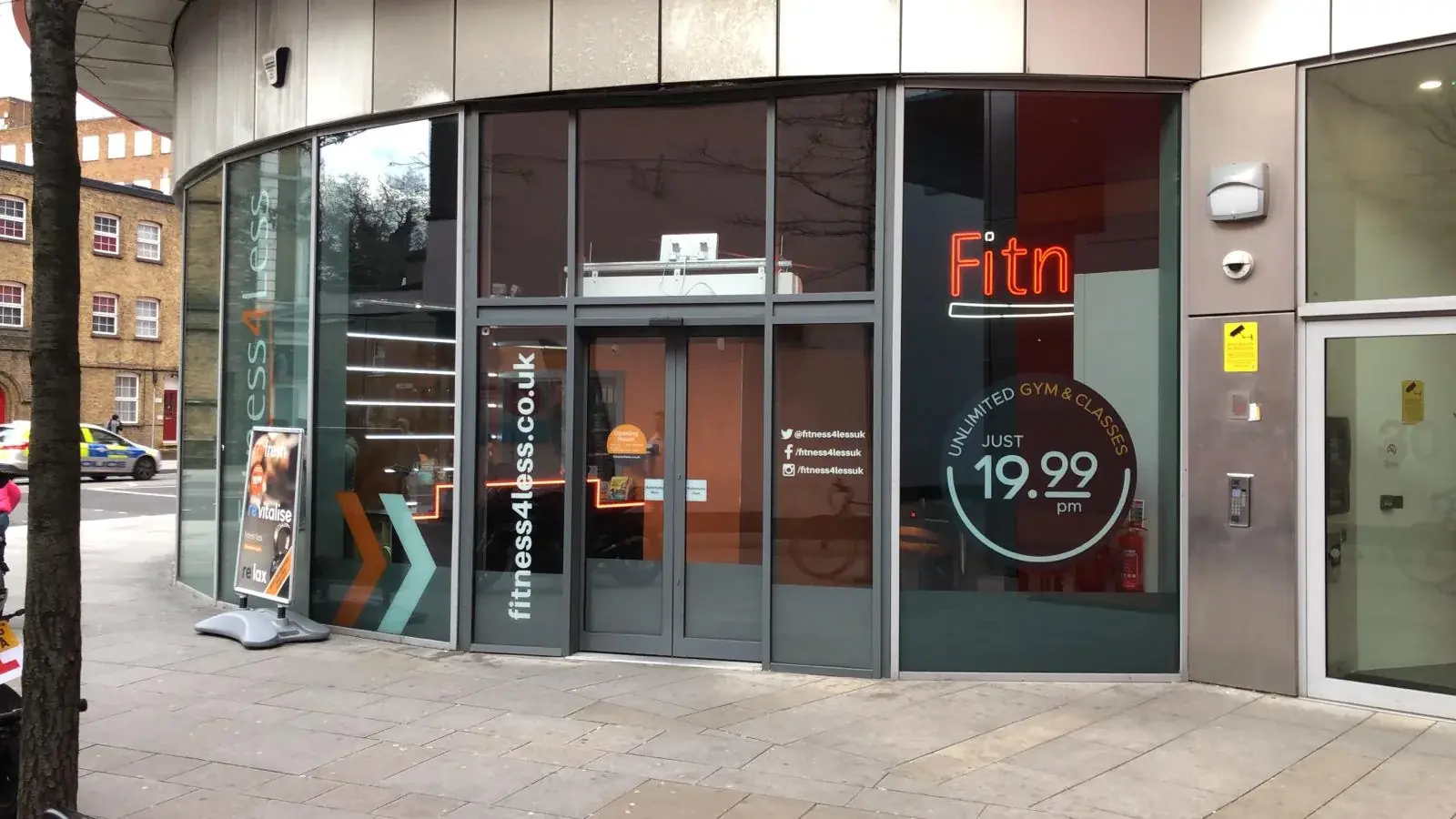
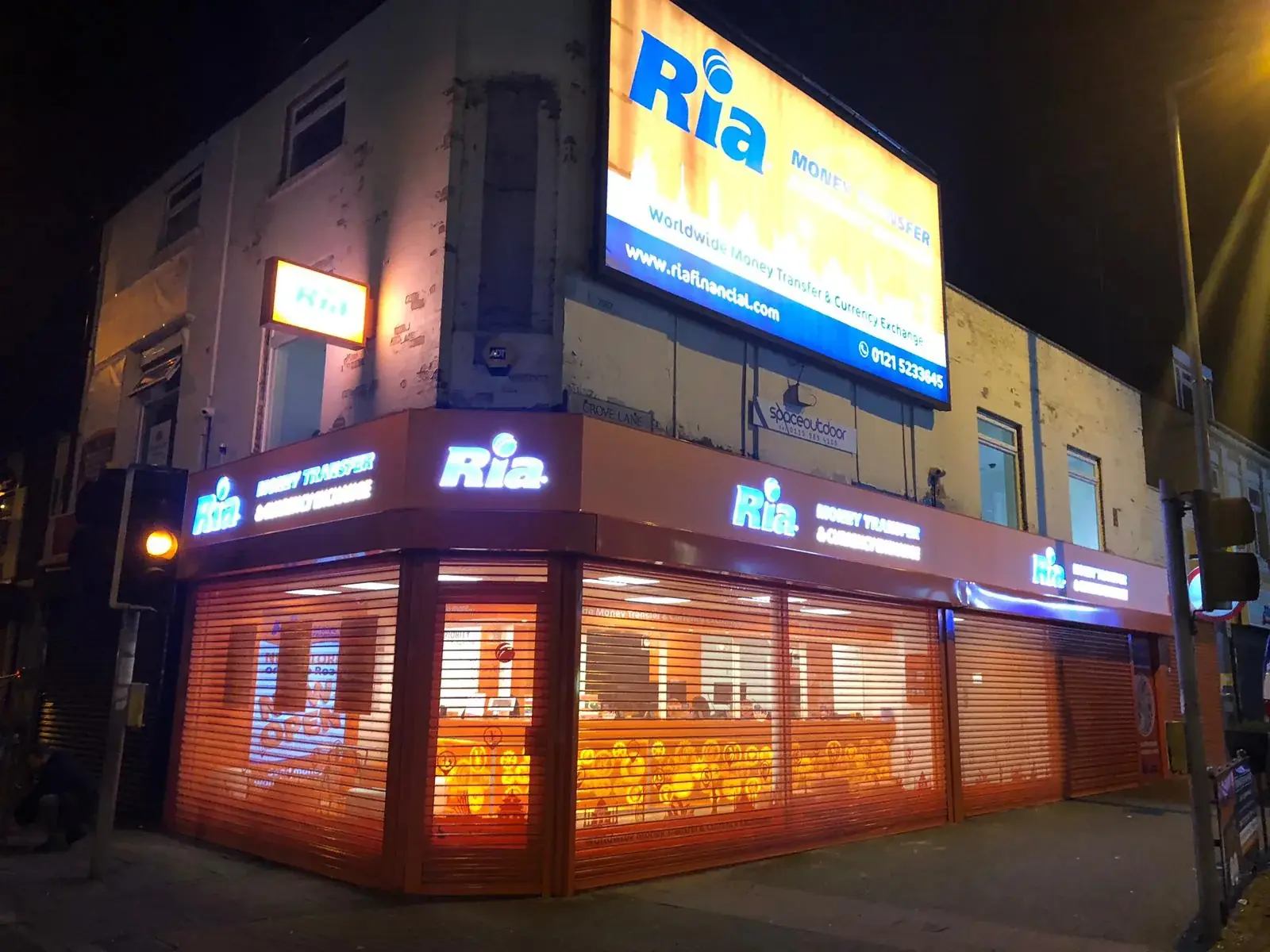
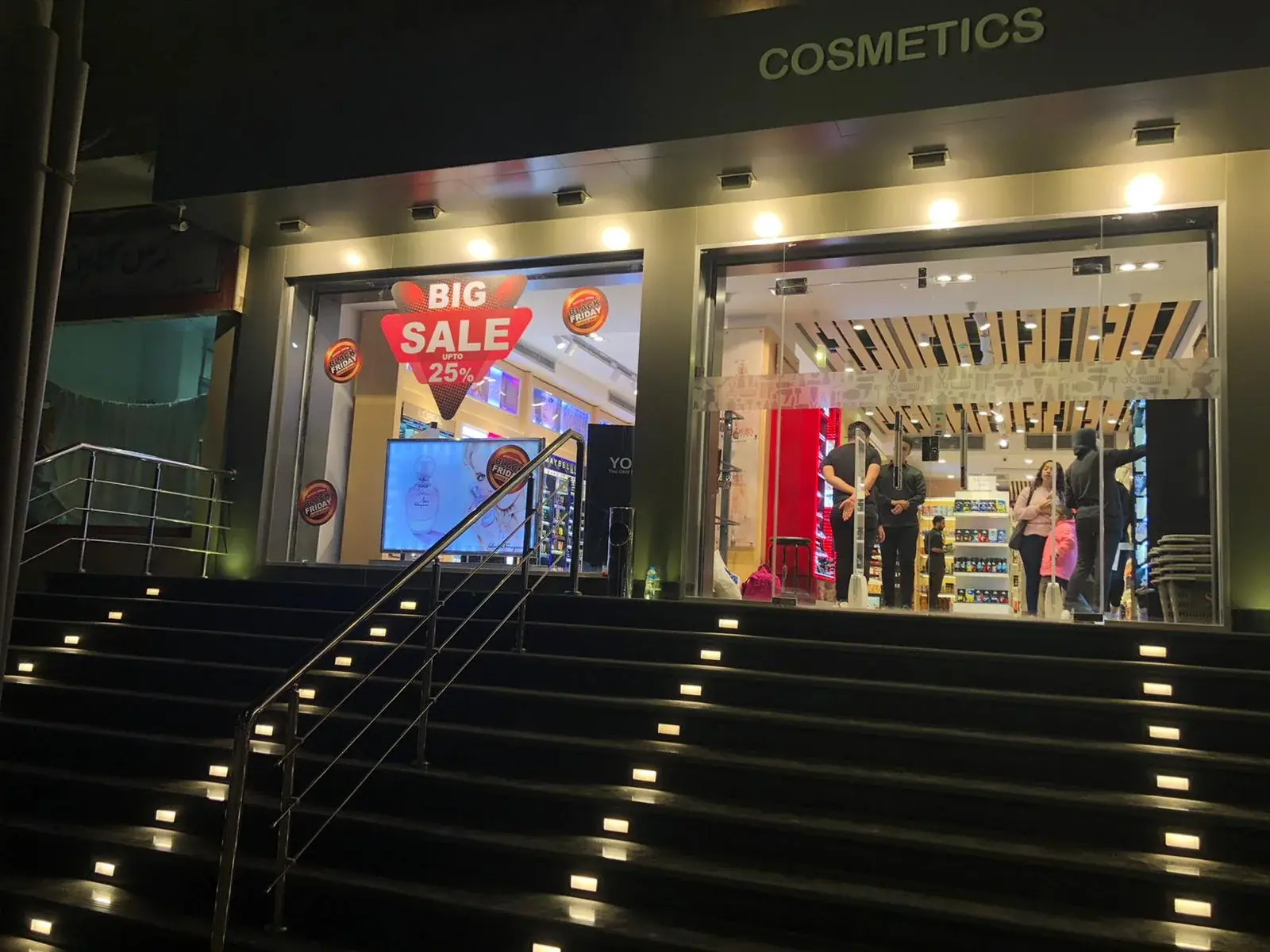
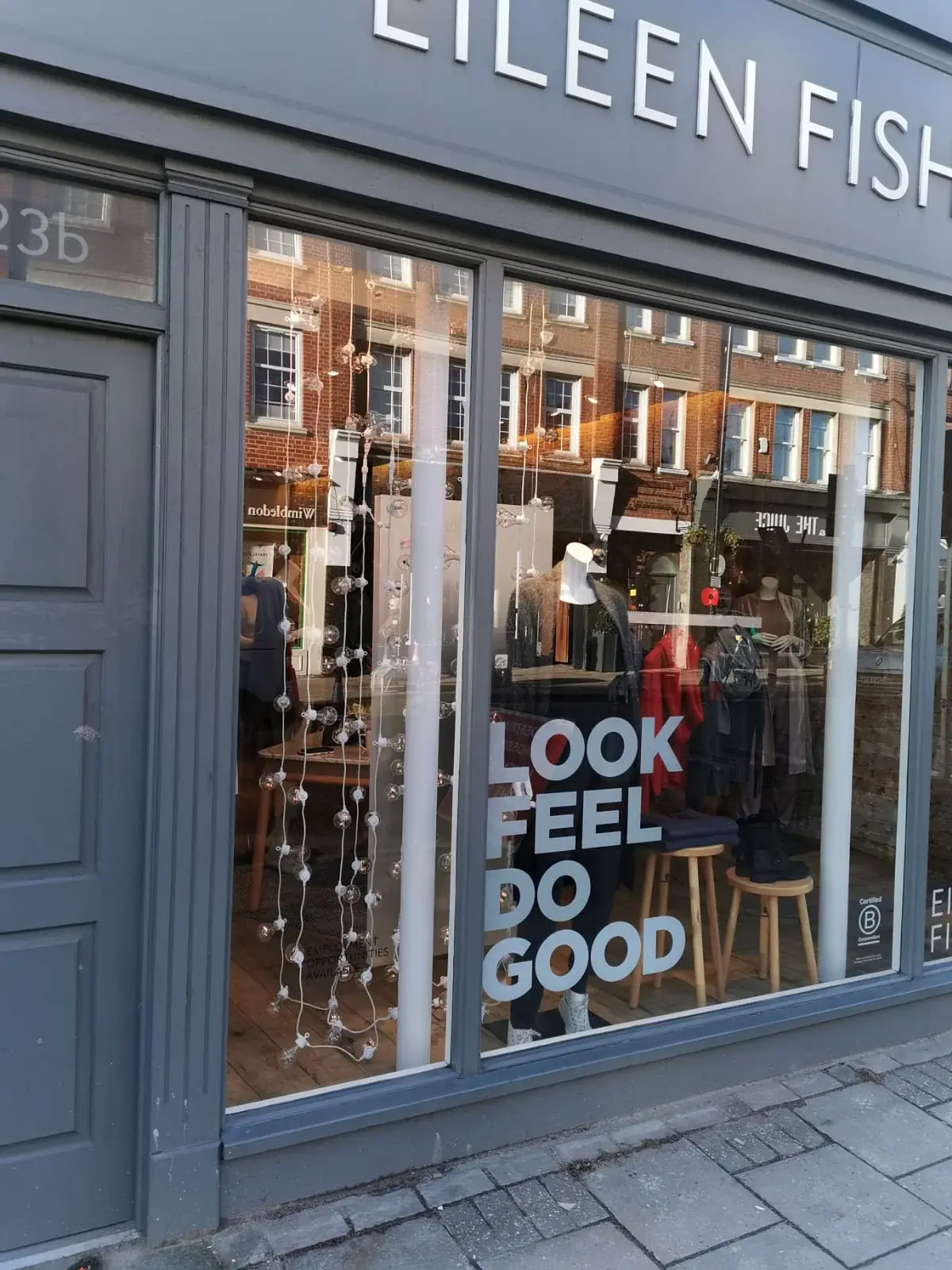
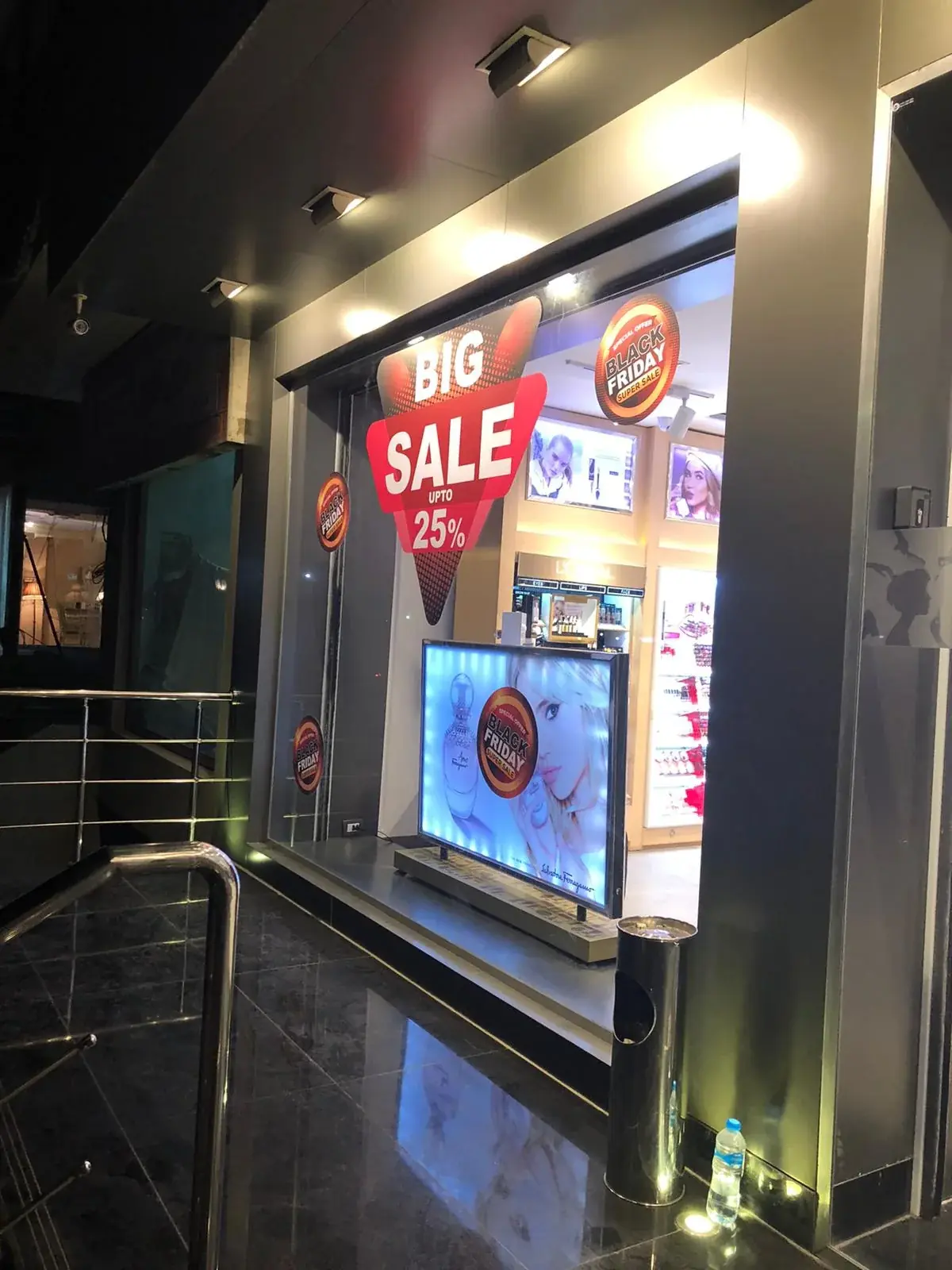
Think about the main shop sign, front windows and door as parts of one view. The main sign tells people the shop name. A window can show a new range or offer. The door can carry opening hours and any useful entry information. When each part is made at a different time, colours and messages can fight for attention. Decide what should stand out first: usually the shop name, then the current offer, then small practical details. Look from down the street and from the pavement, not only from inside the shop. Leave some clear space around each message. A window packed with words and pictures can be hard to take in while people are walking by. The Black Friday example in the image uses a strong sale message; for your shop, choose a message that matches your own products and the time it will be on display.
2. Plan window offers so they are easy to change
A window offer may last a week, a month or a whole season. Plan how it will come off before it goes on. Vinyl is a thin sticky film that can be cut into letters or printed with pictures. Cut letters work well for short messages; printed vinyl can show a photo, pattern or several colours. Ask who will put it up, who will take it down and how the glass should be cleaned afterwards. A calendar can help the team remove an old offer before a new one begins. Keep a few parts the same from one campaign to the next, such as the logo position or the way prices are shown. Customers will recognise the shop even when the picture and offer change. Do not leave old dates or crossed-out prices in the window after a sale ends.
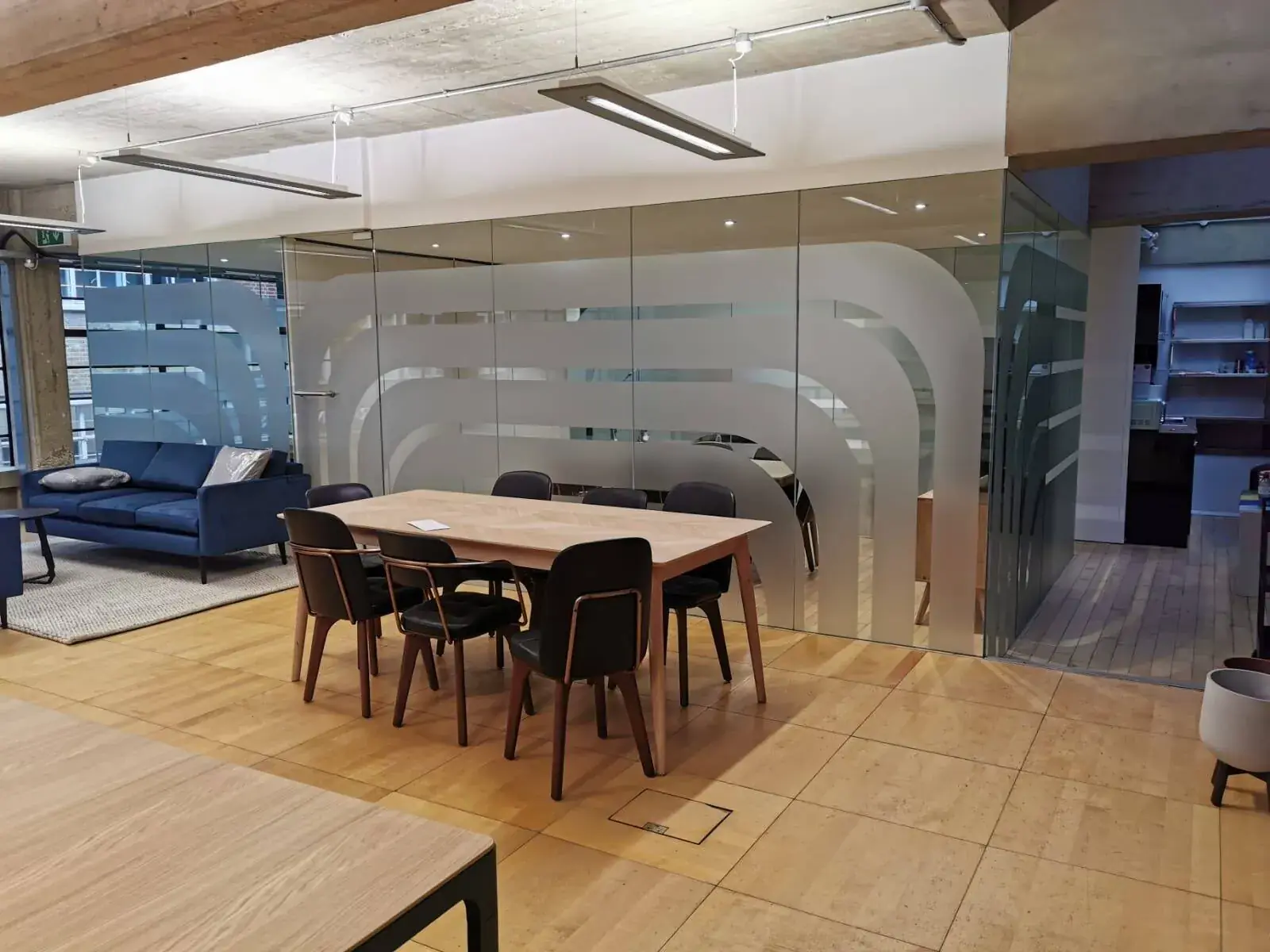
Covering the whole window can make a bold display for a short time, but it can also hide the products and the people inside. A smaller graphic may give the offer a clear place while leaving a view into the shop. Decide what you want passers-by to see: a new coat on a mannequin, a stack of books, or a simple sale message. Check the window in daylight and when the shop lights are on. Reflections from the street can change the way words appear. If you are not sure, print a paper copy at full size and tape it up temporarily. Stand outside and see whether the main message is clear before you order the finished version.
3. Put directions where customers need them
Inside a shop, people may look for the changing rooms, tills, toilets, collection point or a particular department. They should not have to read every sign to find the right one. Walk through the shop as a new customer. Notice where you need to choose left or right, where a queue starts and where someone might stop to look around. Put a short direction before that point. Use everyday words such as “Pay here” or “Pick up orders” rather than a name only staff understand. Small shops may need just a few clear signs. A large store may need a directory near the entrance and smaller signs to lead people onward. Keep the names the same on signs, receipts and collection messages so customers are not left wondering if two names mean the same place.
4. Pick sign materials for the real shop
A shiny finish can catch the eye, but strong lights may bounce off it and make words difficult to read. Pale lettering on a pale wall may disappear. A sign near the till may get touched all day and need regular wiping. Before choosing a finish, think about the light, the wall or window, how often it will be cleaned and how long it needs to last. Ask to see samples in the shop if you can. A small sample on a desk may look very different from a large sign across the room. You do not need lots of materials to make a shop feel special. One colour, a clear logo and a useful message can look stronger than a mix of shiny letters, patterns and pictures. Check that the sign still feels like your shop, not just a passing fashion.
5. Use screens only when their changeable message helps
A screen can be handy when the message changes often. It could show today’s menu, event times or several products in turn. But a screen needs power, someone to update it and a plan for what it shows when no campaign is running. It can also be hard to read if it is too bright or placed where sunlight hits it. For information that stays the same, such as the shop name, opening hours or a fitting-room direction, a printed sign may be simpler. Some shops use both: fixed signs for things that do not change and a screen for news or offers that do. Before buying a screen, write down how often the message will change and who will check it. If no one owns that job, the screen may end up showing old news.
6. Keep the shop look steady while offers change
If you run more than one shop, a short set of shared rules can save time. Keep the same approved logo, colours and writing style, but allow for each shop’s different windows and walls. One location may have a wide window; another may have a narrow door and a pillar in the middle. A useful guide can show where the logo goes, how sale prices look and which parts of the design can change. Keep the final artwork in a shared folder and label each version with its date and shop. That makes it less likely that someone will order an old sale design by mistake. Before printing, check the words, dates, prices and measurements with the person responsible for the offer. After a campaign, note when it came down and whether the window was left clean.
Window Graphics London — Find out about graphics for shop windows and changing offers.
Talk about a shop sign refresh — Share your shopfront, campaign plans and what shoppers need to find.
Ask for a retail sign quote — Send the shop details and the sign ideas you want to explore.
Choose ideas that help after the launch
A fresh sign should keep working after the first week. Make the shop name easy to spot, give each sale a clear end date and use short directions inside. Think about how a customer sees the shop from the street, not only how the artwork looks on a computer. Check samples in the real light and decide how window graphics will be taken down. If you have several shops, keep the parts that make the brand familiar while adjusting for each building. London Signage can discuss shopfront and window signs with you. Before you start, list what stays all year, what changes for each offer and what shoppers need to see. That simple plan can help you spend time and money on signs that make the shop easier to find and use.
Frequently asked questions
What shop sign ideas are useful right now?
Clear shop names, window offers that are easy to change and simple directions inside are useful when they solve a real problem for shoppers.
Can window graphics be used for a short sale?
Yes. Choose a graphic that suits the length of the sale and plan who will remove it when the offer ends.
Does every shop need a digital screen?
No. Screens help when messages change often and someone can update them. A fixed sign is often simpler for information that stays the same.
How can several shops keep the same look?
Use the same logo, colours and writing style, then adjust the sign to fit each shop’s windows, walls and entrance.