Restaurant Signs
Restaurant Signs That Welcome London Diners
Help hungry passers-by spot your restaurant, read the menu and feel sure about coming in, with practical sign ideas for the street and dining room.
A restaurant sign should do more than show a name. It can help someone spot your door, see what kind of food you serve and feel welcome enough to come in. On a busy London street, people may be walking quickly, looking across the road or deciding where to eat with friends. A clear sign gives them useful information in a few seconds. It also sets an expectation for the meal: relaxed, lively, simple or special. This guide looks at the signs people meet from the pavement to the table, including the main shop sign, menu, windows and directions inside. You know your customers and your place best, so use these ideas to decide what guests need to see first.
1. Help people spot your restaurant from the street
Stand across the road or at the end of the pavement and look at your entrance as a new customer would. Can you pick out the name among nearby shops? Is the door easy to find? A main shop sign gives the name a clear home. A sign that sticks out from the wall can help people walking along the pavement see you before they reach the door. Window lettering can add opening times or a short message. Each part should have its own job, rather than repeating the same words in several places. Keep the restaurant name easy to see, then add a small extra detail such as “Thai food” or “pizza and pasta” if it helps people decide. Look at the sign from nearby viewing spots, not just straight on. A design that looks lovely close up may be hard to pick out from across a busy road.
2. Choose lighting that helps people read the name
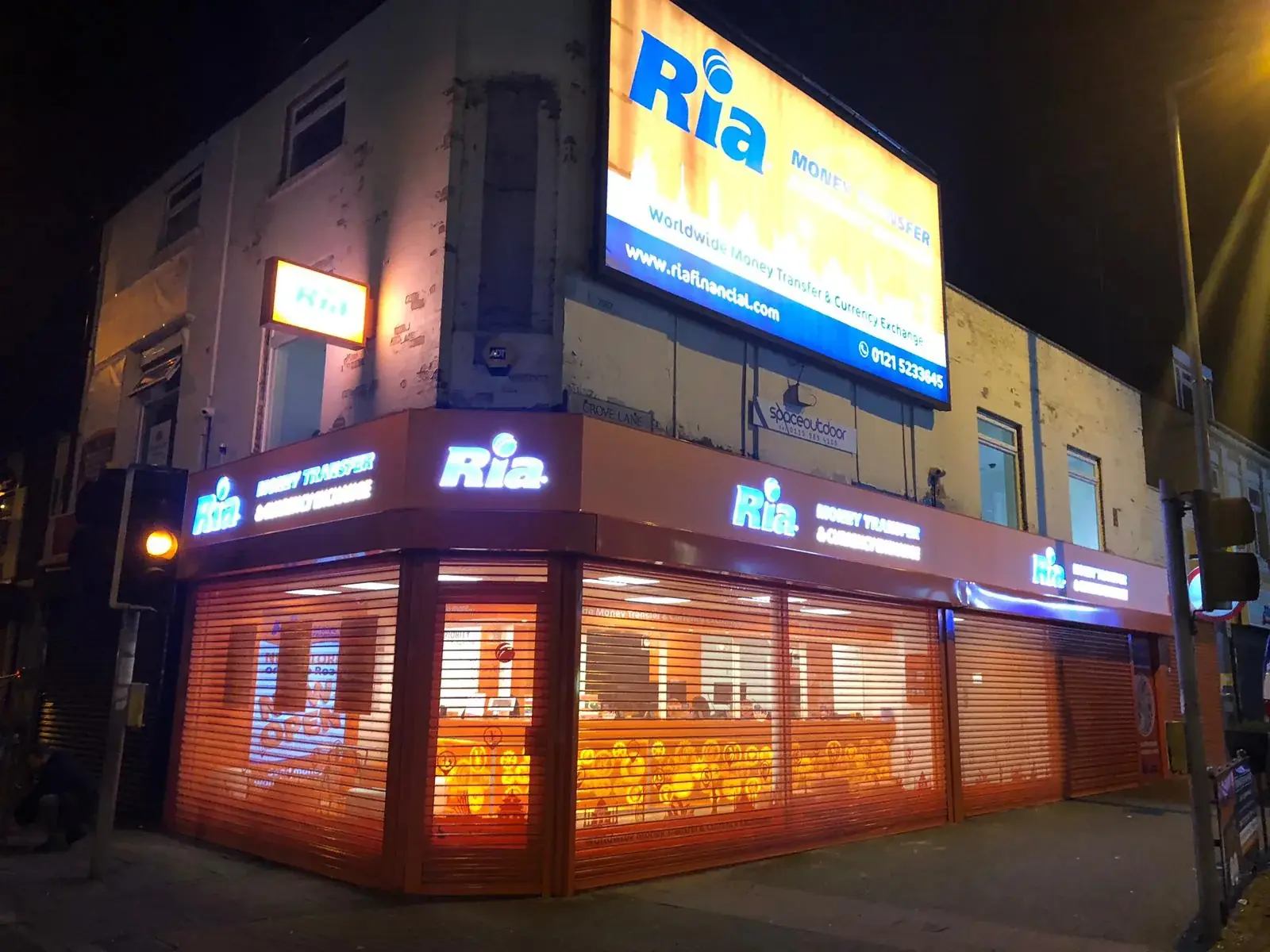
If customers visit after dark, lighting can keep your name easy to see. Some signs have lights inside them; others have separate lights shining onto the sign. A sign without lights may be enough on a bright street or where the shopfront already has good lighting. Think about the light at different times of day. A very bright sign can make letters blur together, while a soft, even light can help them stand out. Ask how the sign will look from inside too, especially if it sits above a window where diners are seated. Check where the power will come from and how the lights will be switched off and looked after. Your landlord or building manager may have rules about signs and lighting. Ask before the design is final, as each building and street can have different needs.
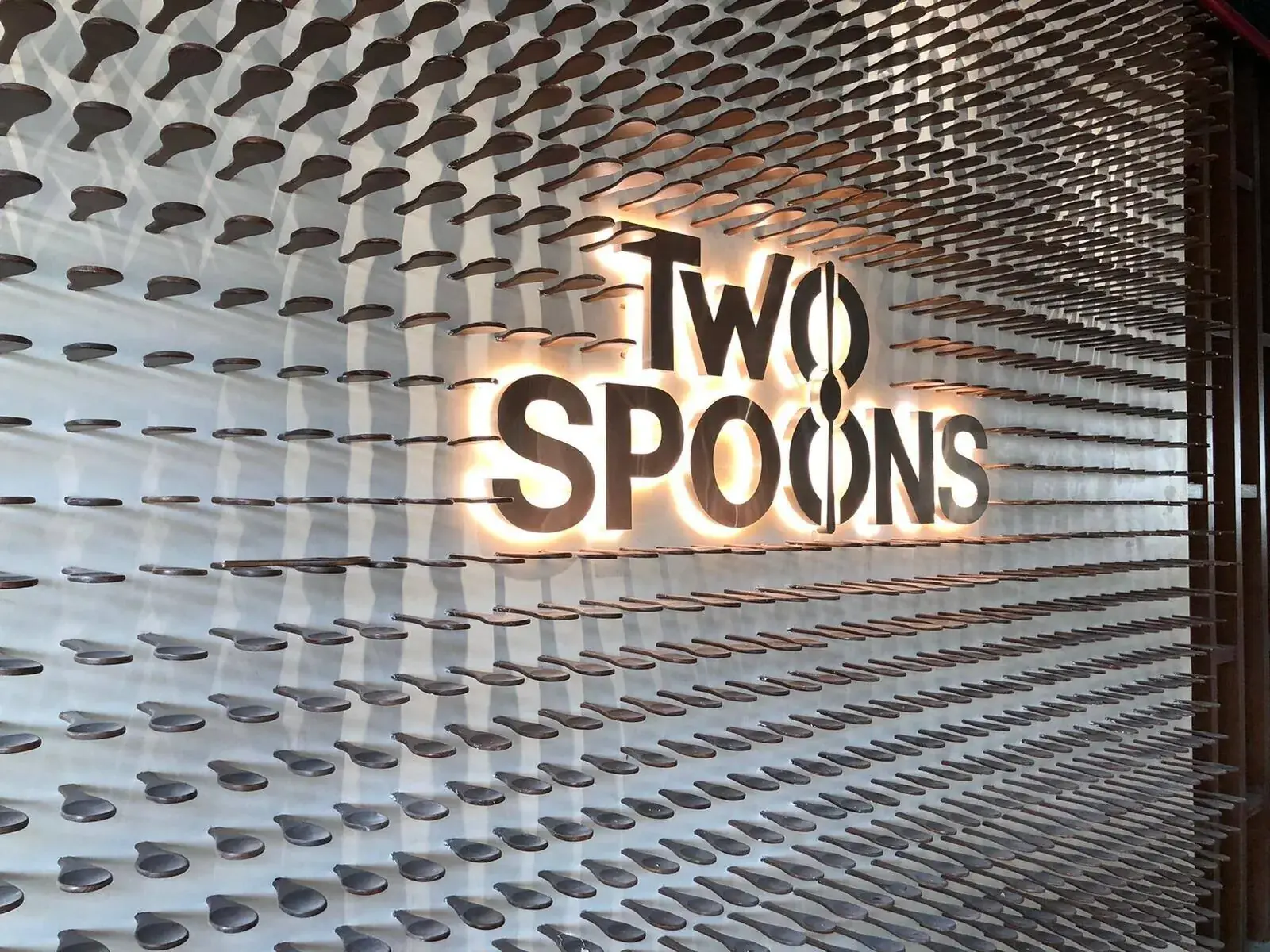
The Two Spoons sign shown here gives a real example of a restaurant name on a shopfront. Use it as a prompt, not a design to copy. Your doorway, building, neighbours and opening hours all matter. Take clear pictures in daylight and after dark, and note when the sign is hardest to see. A sign maker can use that information to talk through suitable choices. If you rent your premises, check what the owner allows before you order anything. Some buildings have limits on size, light or where a sign can be fixed. Confirming this early can save you from choosing an idea that cannot be used.
3. Put a short, helpful menu where people can see it
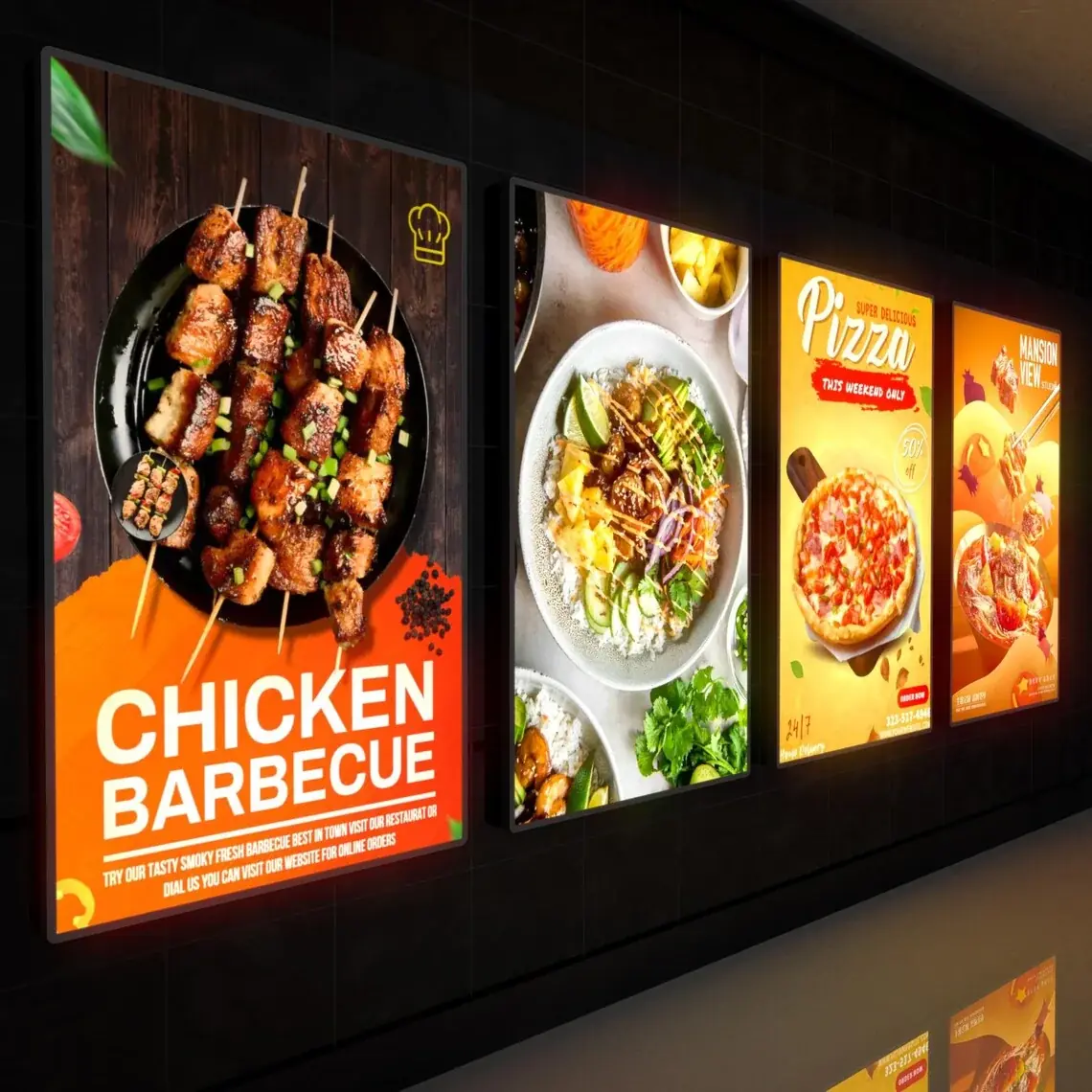
A menu outside should answer a few quick questions: what sort of food is served, what might I order, and where can I read more? It does not need to show every dish. A short list of popular choices can help someone decide without covering the window in small writing. Keep the words big enough to read from the pavement. Use a clear difference between the writing and the background, and leave space between dishes so the list does not feel crowded. If your menu changes often, choose a board or display that is easy to update. If prices change with the seasons, make sure someone knows how to replace them. Place a longer menu inside or online and use a simple message outside to point people to it. The aim is to be useful, not to fit every detail onto one panel.
- Show the restaurant name and one useful detail about the food.
- Pick a few dishes or tell people where to find the full menu.
- Use large, clear words with enough space between each item.
- Choose a display that staff can update when dishes or prices change.
Look at the menu from the place where a customer will stand. Reflections in window glass can make some words hard to see, and a display inside may be difficult to read from the pavement. Ask a colleague who did not help write the menu to read it from outside. If they cannot tell where to look first, make the choices simpler. A special offer can be useful, but keep it separate from the permanent name so it can be changed without redoing the whole shopfront.
4. Use the windows without hiding the room
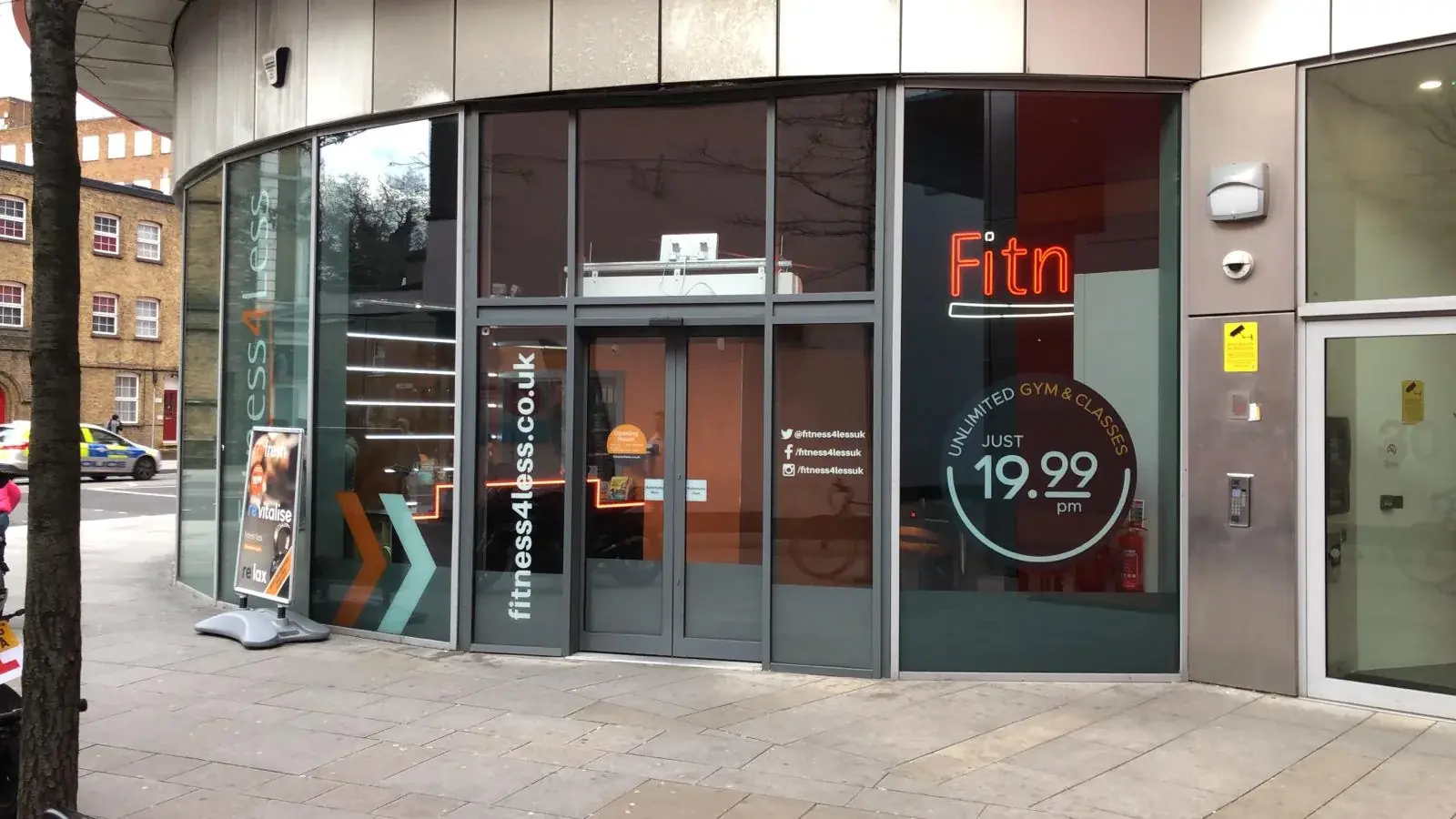
Your windows can show opening hours, booking details, a small logo or a seasonal offer. Vinyl is a thin sticky film used to make letters or pictures for windows. Cut-out vinyl letters leave much of the glass clear, while printed vinyl can show photos and several colours. Either can work, but consider how much of the dining room you want people to see. A full window picture may give privacy, but it can also hide the tables and the warm feel inside. A few well-placed words may be enough. Check the design from both sides of the glass. Daylight, indoor lights and reflections change how it looks. Keep the window message in step with the main sign, so the name, colours and tone feel like they belong to the same restaurant.
5. Make it easy for guests once they come inside
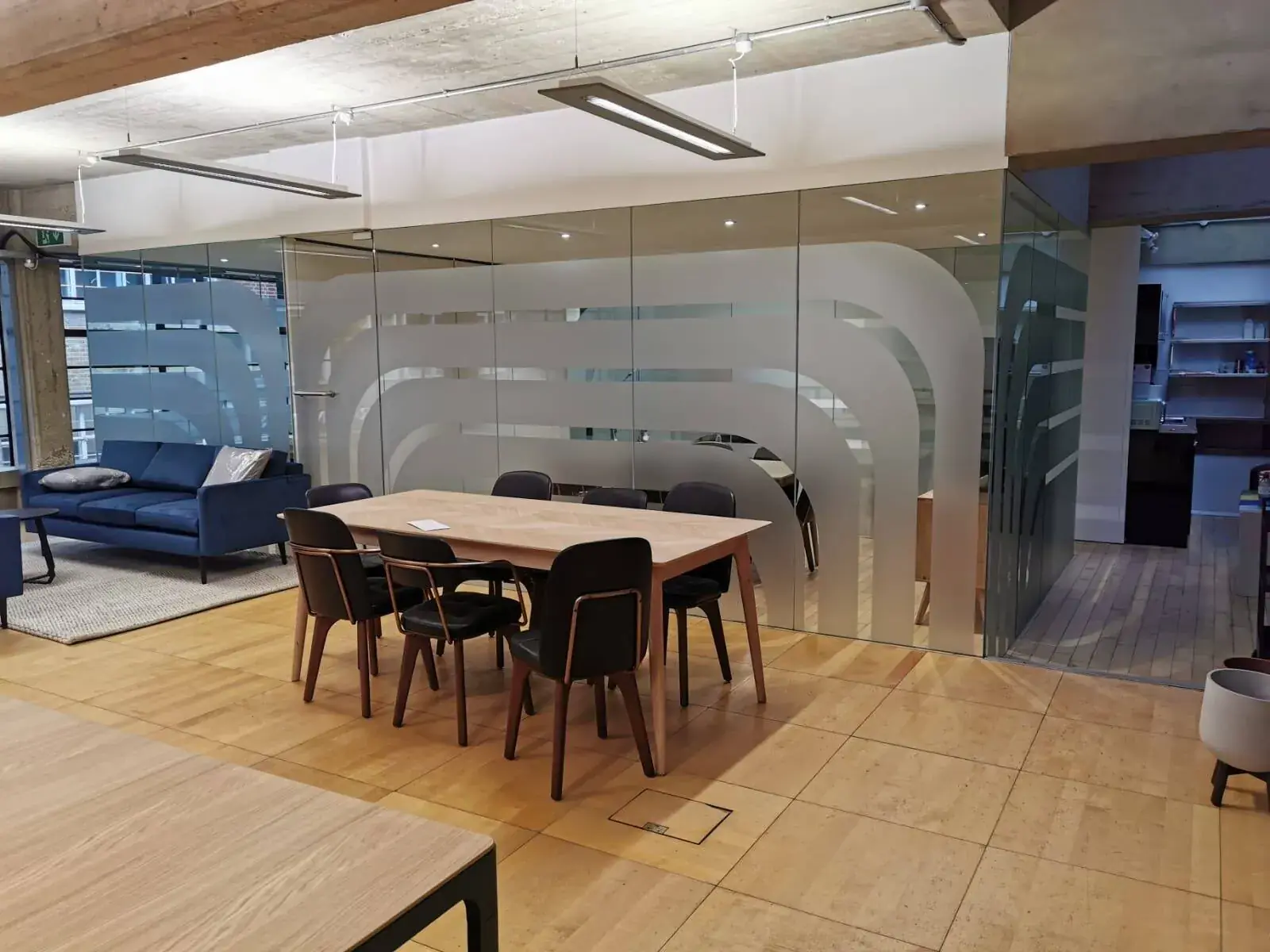
A sign inside should answer a real question. Guests may need to know where to order, collect food, meet the host or find the toilets. A small sign at the right spot can stop people from having to ask or guess. If guests order at a counter, make the order and collection points clear so people do not stand in the wrong queue. In a restaurant with more than one floor, put directions before the stairs or lift, not after. Use the same names that staff use when they help customers. Keep the message short and friendly. Consider whether people can see signs while standing in a queue or sitting at a table. Signs near a busy counter may need a surface that is easy to wipe clean and does not show every fingerprint.
6. Get the useful details ready before asking for a quote
Before speaking with a sign maker, gather the address, a few clear pictures of the front and inside, rough measurements and your logo file if you have one. Say what you want the signs to help with. For example, you may want people to see the name after dark, understand the menu before entering or find the collection point. Mention opening hours, busy times and any limits on when an installer can work. If you rent the premises, share any sign rules you have received from the landlord. Ask to see a drawing that shows the size and position on your building. Check the spelling, colours and fixing places before you say yes. These details help the sign maker understand the job and suggest a useful group of signs instead of guessing from one photograph.
Shop Front Signs London — Find out about signs for the outside of shops and restaurants.
Talk about signs for your restaurant — Share your plans, the building and the things your guests need to find.
Ask for a restaurant sign quote — Send the site details and the signs you are thinking about.
Bring the street and the dining room together
The best restaurant signs help guests at each step: spotting the door, deciding whether to come in, choosing a dish and finding their way around. Start with the name and make sure it can be seen from the pavement. Add a short menu or window message only if it gives people something useful. Inside, put simple directions where guests might pause or feel unsure. Think about lighting, window reflections, cleaning and when work can happen, as well as the colours and logo. A few clear signs often do more than a crowd of messages. London Signage can discuss signs for restaurant fronts and interiors. If you are opening a place or freshening up your shopfront, share a few photos and measurements with the team to talk through what may work for your space.
Frequently asked questions
What signs are useful outside a restaurant?
A clear main shop sign helps people find the restaurant. A projecting sign, window message or short menu can add useful details if the building allows them.
Do restaurant signs need lights?
Not always. Lights can help after dark, but the right choice depends on the street, sign position and building. Check how bright it looks at night before deciding.
How much of the menu should go outside?
Usually a short list or a few popular dishes is easier to read than a full menu. Point people to the complete menu inside or online.
What should I share to get a sign quote?
Send the address, photos, rough sizes, your logo and any landlord rules you know about. Explain what you want customers to notice or find.