Office Signs
Reception Signs That Welcome Office Visitors
Choose a reception sign that suits your wall, helps guests know they have arrived and keeps check-in details easy to find.
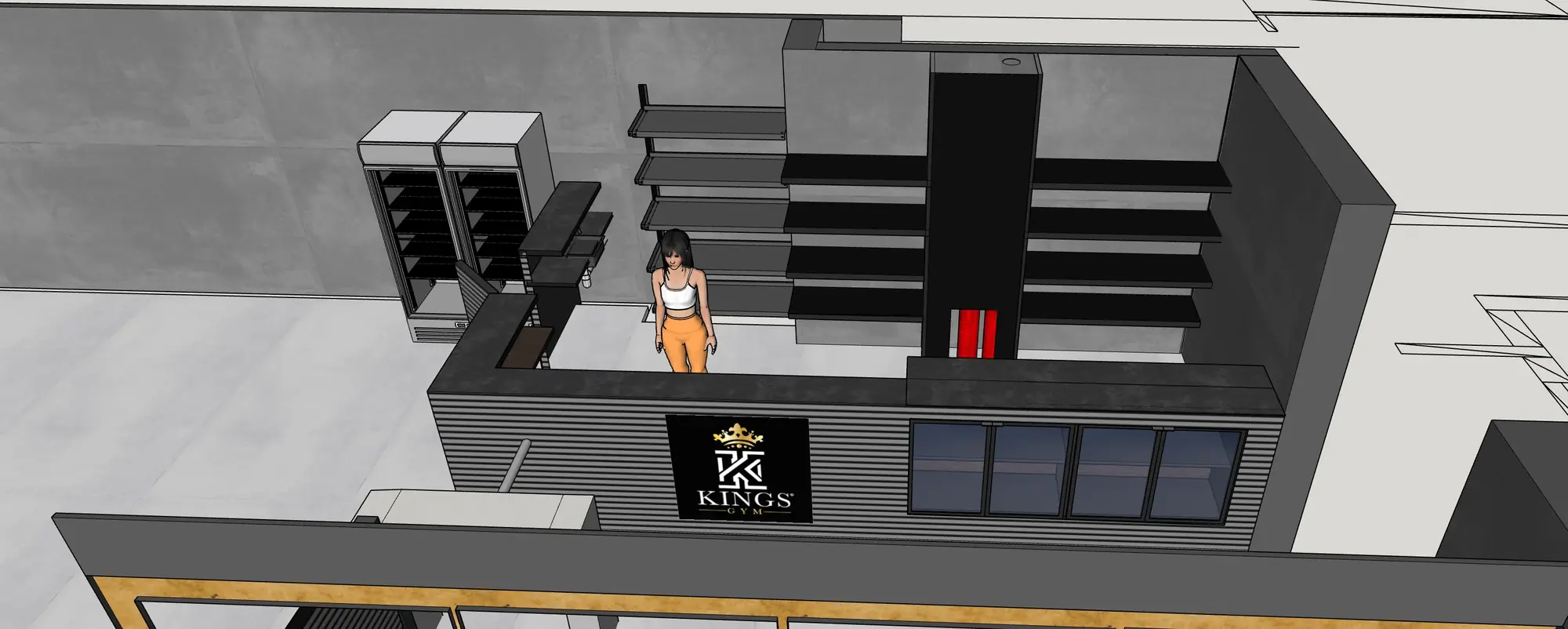
Reception is often the first place a visitor sees inside your office, studio or clinic. A sign can show that they have arrived at the right place and give the room a welcoming feel. It can also help someone who has never visited before know where to check in. The right choice depends on the wall, the desk, the light and the way people enter. This guide is for business owners and office managers planning a new reception sign or making an existing space clearer. It covers the main choices, from simple flat signs to raised letters, along with size, visitor messages and fitting. You know how the office works each day, so use that knowledge to choose a sign that looks right and helps people.
1. Decide what visitors need the sign to do
A sign behind the desk may show your business name, while a small message by the door may tell visitors where to check in. These are different jobs. Decide which one matters most before choosing a material or colour. In a shared office, visitors may need to find one company among several. In a small studio, a clear name on the wall may be enough. Think about the first few moments after a visitor enters. Can they see the desk? Do they know where to wait? Will someone meet them, or do they need to ring a bell? A logo on the wall can look smart, but it may not answer these questions. You may need one main name sign and a separate short direction.
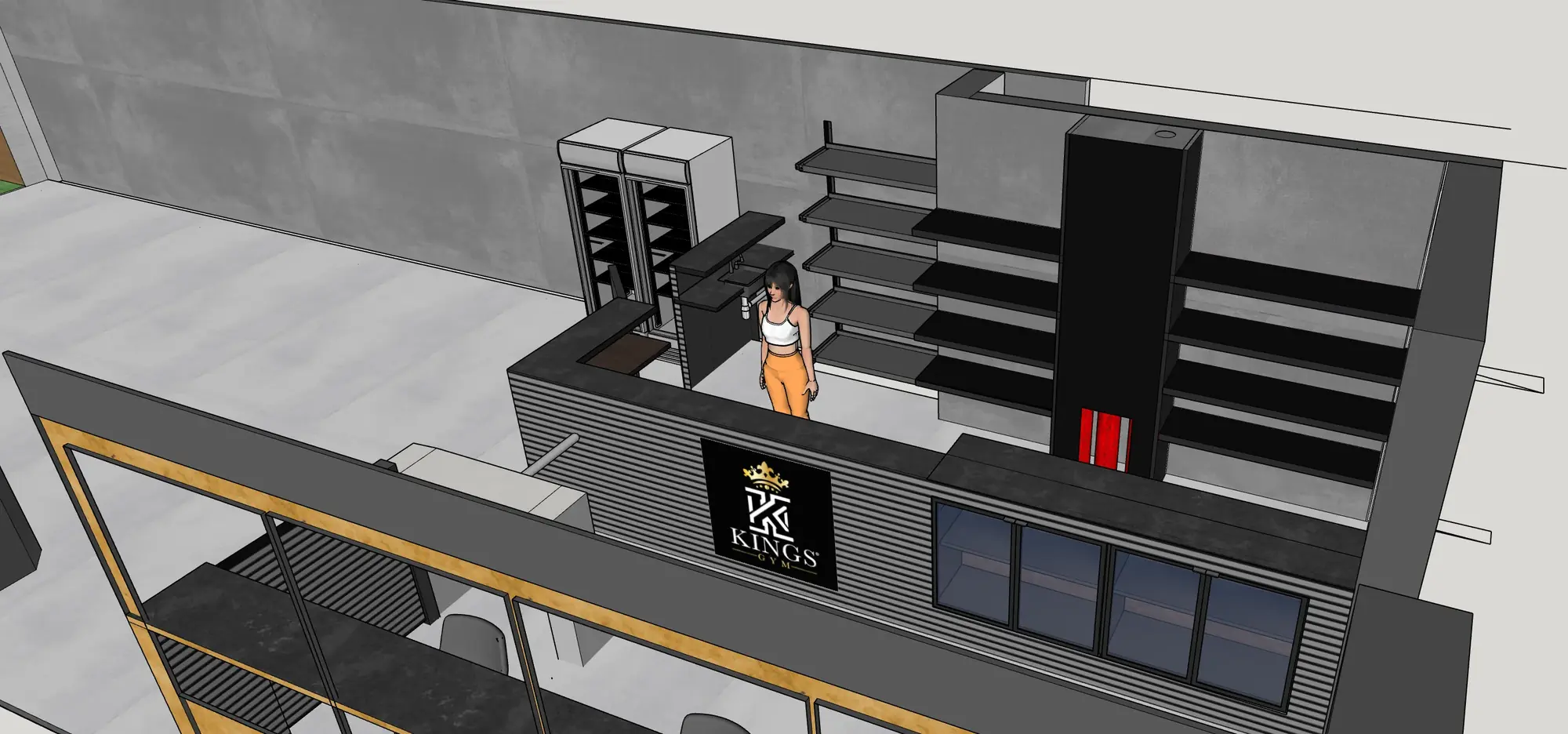
2. Choose a sign that suits the wall
Some signs are flat panels; others use separate raised letters that stand out from the wall. Acrylic is a hard, smooth plastic that comes in different colours. Metal can give a different look and feel. Printed panels can carry a detailed picture or a lot of information. Ask to see samples next to your wall colour, not just in a small photo. The wall matters too. Brick, rough plaster, glass and tile may need different ways to hold a sign in place. If your logo has very thin lines, ask whether they will still show clearly when made large or as separate letters. A sign maker can help adjust small details while keeping the logo familiar. Check what the sign will look like in the room, not only on a screen.
Think about the lights and windows in the room. A ceiling light can make raised letters cast shadows. Daylight through a window can make a colour look different at one time of day. A sign with its own lights may suit some rooms, but it needs a safe place to connect to power and someone to look after it. A sign without lights can still be easy to see when its colours stand out from the wall. Check how the sign looks from the entrance, the desk and the chairs where visitors wait. A paper copy the same size as the finished sign can help you judge whether it feels too small, too large or just right.
3. Find a size and position that feel right
A small logo can disappear on a wide wall, while a large one may take over a small reception. Measure the clear wall space and mark the idea out with paper. Include the desk, lights, screens, switches, plants and pictures that will stay. The middle of the wall is not always the best place. Visitors may first see the sign from the doorway, so place it where it looks balanced from that angle. Leave some empty space around the logo so it does not feel squeezed between furniture and other details. Check if a person standing at the desk or waiting in line will block it. Take a photo from the entrance and look at it on a phone from a little distance. This can reveal if the sign is hidden by things you did not notice close up.
4. Keep check-in details separate and clear
Visitors may need to know where to wait, who to call or which lift to use. Keep these instructions short and easy to spot. It is usually clearer to put a check-in message beside the desk than to add it in small letters under a large logo. If several businesses share an entrance, a directory listing each one may help more than putting every name on a single wall. Avoid putting details on a permanent sign if they change often, unless it is easy to update them. Use the same names that appear in appointment emails and directions inside the office. If the desk is not staffed all day, say what visitors should do next. Put the message where someone would look for help, not hidden behind a plant or a stack of papers.

5. Match the sign to the room around it
A reception sign should feel at home with the paint, floor, furniture and lights. A brushed metal finish may suit a simple, quiet room; coloured acrylic might add a bright note; a printed panel can work well when the design has a picture or lots of detail. These are ideas to compare, not rules. Put samples in the room and look at them in the morning and afternoon if the daylight changes. Check whether fingerprints or dust will show, especially if people can touch the sign. If the sign is near a glass wall, make sure reflections do not make it hard to see. You do not need to put your logo on every wall. One clear sign can give the room a strong identity without making it feel busy.
6. Prepare the wall and fitting details
Before ordering, gather wall measurements, clear photos, your logo file and the finish you like. Decide where the sign should go and who can approve the final design. A visit to the site can help check the wall and where the sign can be safely fixed. If the building has rules, ask the manager or owner before work is planned. Share details about delivery, building access and working hours. If the office is busy, agree how the installer can work without blocking the entrance or disturbing nearby desks. Ask to see a drawing or full-size layout on the wall. Check the spelling, colours, spaces between letters and position before you approve it. Knowing these details early helps avoid last-minute changes and gives everyone a clearer plan for fitting.
Ask what cleaning or care the sign may need once it is up. If the logo or company name may change soon, tell the sign maker before choosing a permanent format. A sign that is simple to update may save time later. Keep the final design and any colour details somewhere the office team can find them. That way, a repair or replacement can match the original instead of becoming a close guess.
Commercial Signage London — Find out about signs for office spaces and visitor areas.
Talk about a reception sign — Tell us about the wall, your logo and what visitors need to know.
Ask for a reception sign quote — Share wall measurements, photos and the style you are considering.
Make the first hello work well
A good reception sign should look like it belongs in your office and help visitors feel sure they have arrived in the right place. Begin with what people need to know, then look at the wall, light, size and view from the entrance. Keep check-in instructions easy to find and separate from the main business name if that makes them clearer. Try a paper layout before ordering, and agree how fitting will work around the office day. A little planning can help you avoid a sign that looks right in a drawing but feels wrong in the room. London Signage can talk with you about signs for office receptions and interiors. Share pictures, measurements and your logo to discuss a sign that fits the space and the way visitors use it.
Frequently asked questions
What can a reception sign be made from?
Signs can use raised letters, acrylic, metal, printed panels or wall graphics. The best choice depends on the wall, logo, light and how the sign will be cleaned.
How big should an office reception sign be?
Choose a size that suits the wall and can be seen from the entrance. A paper copy at full size can help you judge it in the room.
Can a reception sign show visitors where to go?
Yes. Keep directions short and easy to see. A separate small sign may be clearer than adding instructions to a large logo.
What do I need to ask for a quote?
Share wall photos and measurements, your logo, a finish you like, building access details and any rules about fixing signs.