Planning a sign order
What to Ask Before Ordering Business Signs
Use these simple questions to turn your sign idea into a clear order, with fewer surprises about the design, site, fitting and final cost.
A sign order is easier when you ask a few useful questions before approving a drawing or starting the work. You may have a shop sign in mind, a logo for reception, a picture for the window or room names for an office. The finished result depends on details such as what people must read, what the wall is like and who will fit the sign. This guide is a checklist for business owners speaking with a sign maker. You do not need to know all the answers. You do need to know who will find them, what needs your approval and what is included before you place the order.
What should the sign help people do?
Start by asking yourself what you want to change. Do you want passers-by to notice your shop, visitors to find the right door or customers to understand an offer? Choose one main job and keep the wording short enough for that situation. A person reading from the pavement needs fewer words than someone standing beside a directory. Ask the sign maker to explain how large the words will be and where people are likely to see them.
Think about who will use the sign and when. A customer arriving for an appointment may need the entrance marked. Someone passing your café may need to spot the name quickly. Notice glare, busy surroundings and whether people approach on foot or in a car. Separate information people must have from details that are nice to include. If one sign feels crowded, ask whether two signs would make the information clearer.
Where will it go, and what do you know about the site?
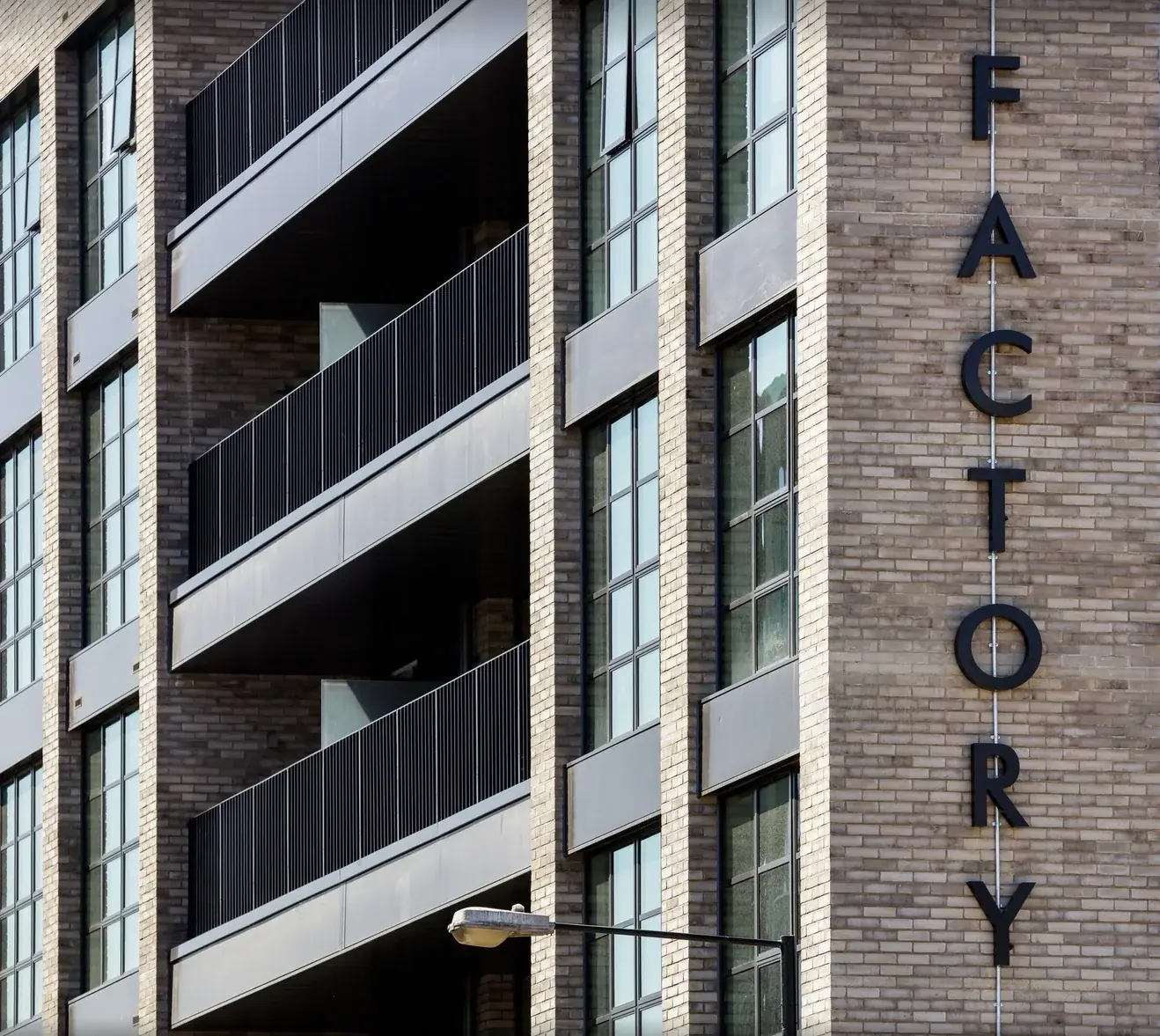
Give the sign maker the full address and point out the exact place for the sign: brick wall, shop sign area, door, window glass or a wall inside reception. Send photos from the front and along the route customers take. A quick sketch and rough measurements also help. Tell them if the wall is uneven, recently painted or shared with another business. Ask what they need to check before confirming the size.
Ask who needs to approve the work or arrange access. Your landlord, building manager or facilities contact may need to see a drawing. There may be rules about delivery times, parking, visitor sign-in or working hours. Find out early, before you agree a fitting date. If the sign will light up, ask who checks where the power comes from. A photo can show the setting, but a site visit may be needed to check measurements and the wall.
Which kind of sign and finish suits the job?
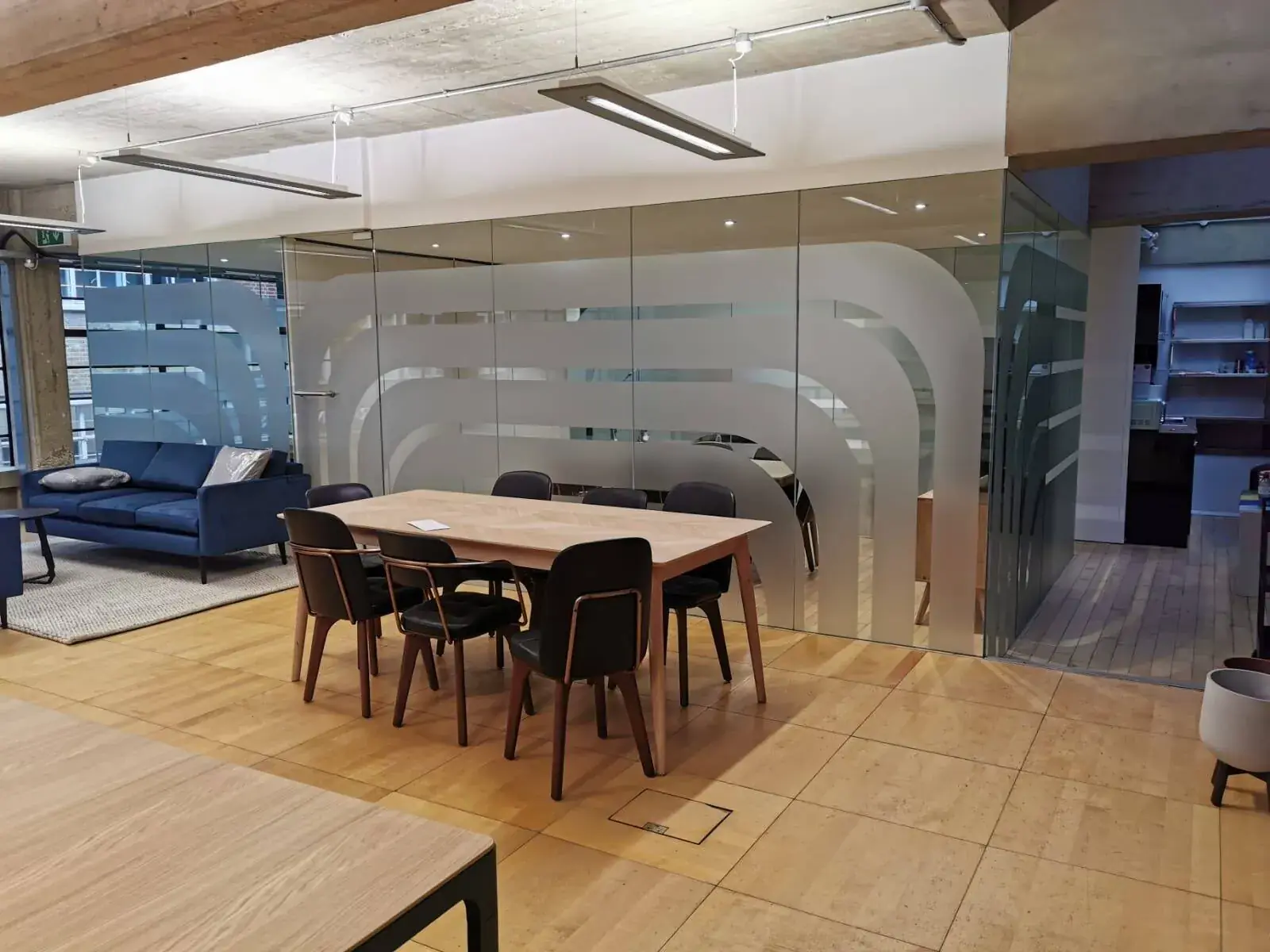
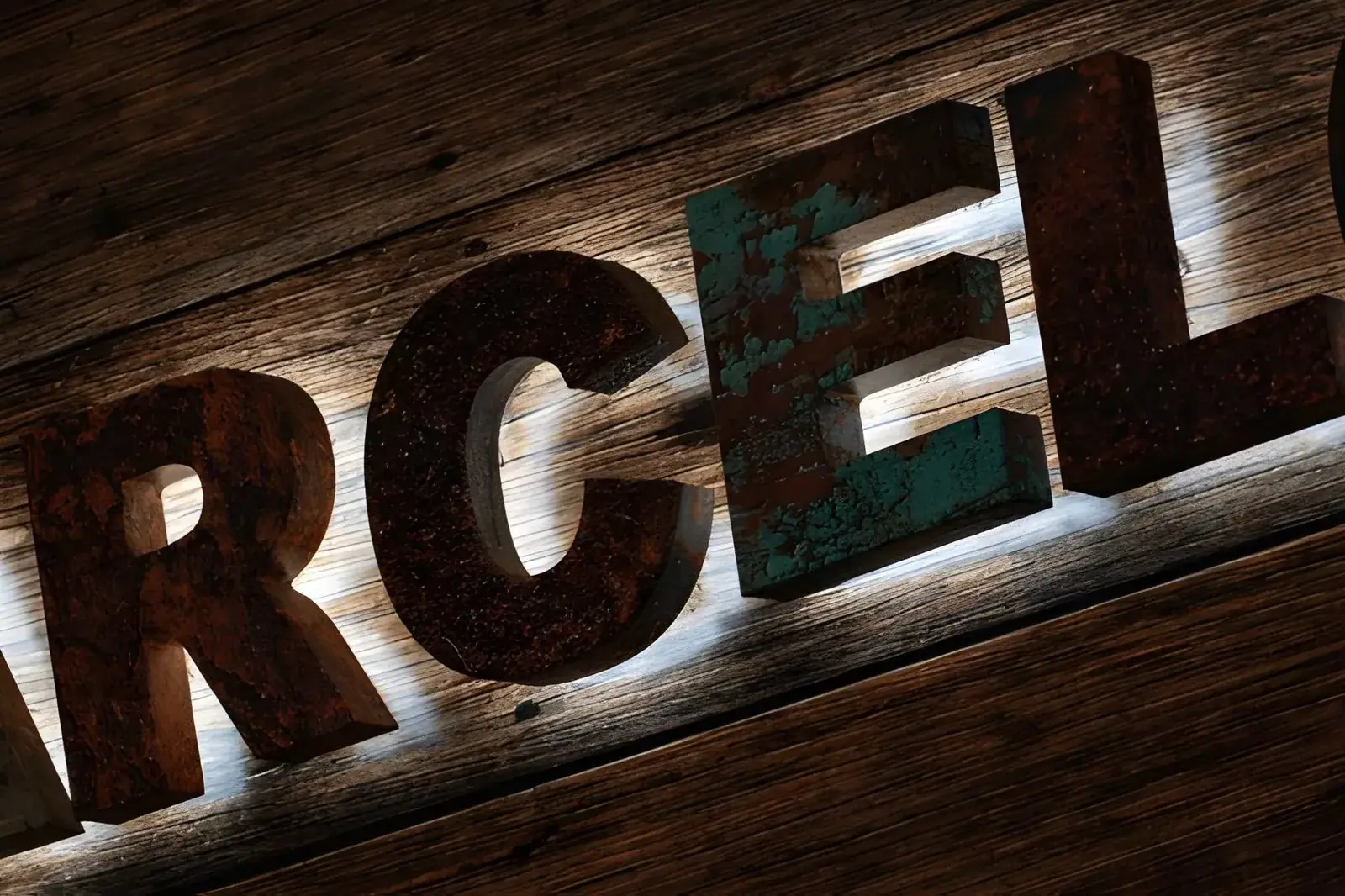
Ask the sign maker to explain the choices. A flat panel, raised letters, a sign that projects from the wall, lit letters and cut vinyl—which is film that sticks to glass or another smooth surface—can all look different. Ask what each choice does well and what to think about, such as cleaning, weight, lighting and how it attaches. If you need signs in several places, find out how they can look related without being exactly the same.
Ask what the sign is made from and how the finish will look on your building. Rain, sunlight, cleaning and daily use matter. If colour is important, ask whether you can see a sample. Your computer screen may show a colour differently from the real material. For a lit sign, ask how it looks in daylight and at night, and who can reach the lights if they need attention. Ask why the suggested material fits your location instead of assuming one material works everywhere.
What artwork and drawing will you approve?
Ask who prepares the artwork and what files they need from you. Share the current logo, colours and any rules about how they should appear. If you only have an old or small logo file, say so before the drawing is made. Ask whether changes to the artwork are included and how many chances you have to review it. The drawing should show the words, size, colours and position clearly enough for you to check them.
Read the drawing closely before you approve it. Check spelling, phone numbers, web address and opening hours. Ask how the company checks the proposed position against the real building, and whether final measurements still need confirming. If a landlord or property manager must approve the sign, allow time for that review. Keep a copy of the version you approve so you and the sign maker can refer to the same plan.
Who handles permission and fitting access?
Ask whether the sign needs permission from your landlord, building manager or another local contact. Rules can depend on the building and the sign, so do not assume approval is automatic. Ask what drawings or details the sign maker can provide and who will make any needed enquiries. Agree who is responsible before the sign is made. This avoids finding out late that someone else needs to review the plan.
Ask who books any equipment, sets up the work area and checks that the site is ready. Tell the sign maker about limited access, busy customer times, deliveries and any building rules for workers. If people will be nearby while the sign is fitted, agree how they will be kept clear of the work. The fitting plan should say what the quote includes and what you or the building owner needs to arrange.
What does the price cover?
Ask for the quote to list the sign, number of signs, size, material, finish, artwork, delivery and fitting. Check whether it includes taking down an old sign, any work on the wall and electrical work for a lit sign. Ask what is not included. This is important because you may need to arrange some tasks with your landlord or another worker. A clear list helps you understand the whole job, not just the sign itself.
Ask what might change the final total. A different measurement, new wording or a wall that needs repair could affect the work. Find out how the sign maker will tell you about a change and ask for your approval before extra work starts. Compare quotes only after you understand what each includes. When you are ready, use the quote form and add the address, pictures and any drawing that explains your idea.
How will the order move from drawing to fitting?
Ask what must happen before work begins. The company may need your approved drawing, confirmed measurements, a deposit or an order from your business. Ask when the expected timing starts; it might be after you approve the final drawing rather than the day you first make contact. If another worker needs to finish the wall or power, check that the task will be done in time. A schedule should fit your actual job.
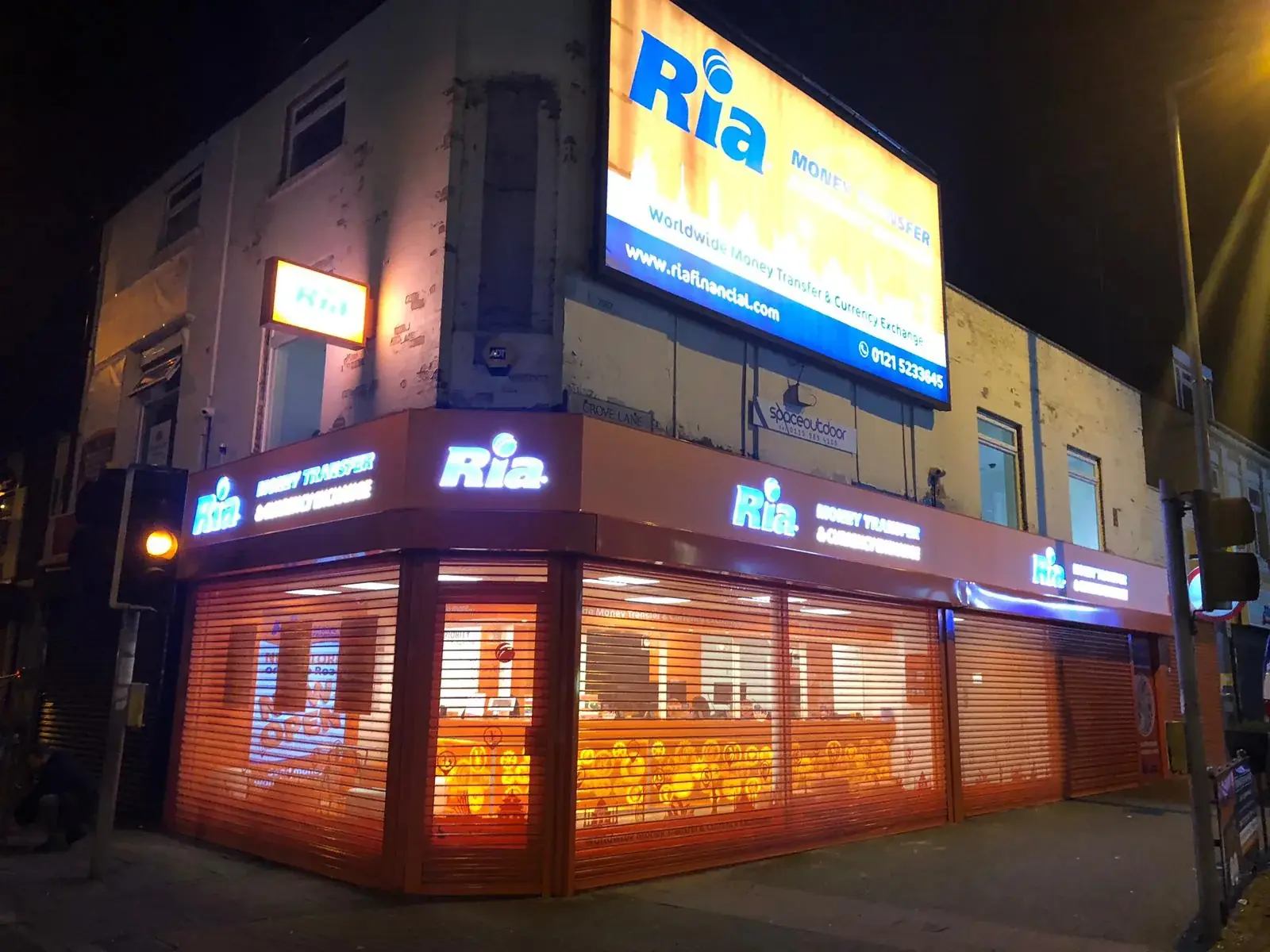
Before the fitting day, ask who will contact you and what they need from the site. Find out how the work will be checked when it is done, and ask for cleaning instructions and written guarantee details. Keep a record of the approved wording, colours, size, position and materials. The installation photo here shows the work that follows the design stage. If the fitting team spots a problem, agree that they will talk to you before changing the plan.

Shop Front Signs London — Explore signs made for shopfronts.
Ask the signage team a question — Talk through your site or sign idea.
Send details for a quote — Share your sign idea, address and photos.
You do not need to know every technical detail before ordering a sign. You do need to ask what the sign will say, where it will go, who will check the site and what the price includes. Read the drawing carefully and keep a copy of what you approve. Ask the sign maker to explain anything that is unclear in everyday words. London Signage can discuss signs for shops and workplaces once you share the site and what you want the sign to do. Contact the team for guidance or send photos and your likely timing with a quote request.
Frequently asked questions
Do I need exact measurements to ask for a quote?
No. Rough sizes and photos are enough to start a conversation. Mark your measurements as estimates and ask whether someone should visit before the final drawing.
Who checks whether I need permission?
Ask your sign maker and building contact what needs checking, then agree who will make any enquiries. The answer can depend on the building and sign.
Can I change the sign after approving the drawing?
You can ask, but a change may affect the work or timing, especially once making the sign has begun. Ask how changes are agreed and recorded.
What should a sign quote include?
It should say what the sign is, what it is made from and whether drawing, delivery and fitting are included. It should also list work that is left out.