Building Signs
Property Signs for London Buildings and Shared Sites
Help visitors find the right entrance, business and room with a clear sign plan for shared and managed buildings.

A visitor arriving at a large building may need to know whether they are at the right place, which door to use and where to go next. Clear signs can answer those questions before someone has to ask for help. This is especially useful in London buildings shared by several businesses, where names and tenants can change over time. A map, entrance sign and tenant list all have different jobs. This guide is for building owners and managers planning a set of signs that helps visitors, staff and delivery drivers get where they need to go. Write down what you notice.
Walk the site before choosing signs
Start at the places people arrive: the street, car park, gate or public transport stop. Walk the route to the main entrance, reception, lifts, stairs and shared rooms. Make a note each time a visitor has to choose a direction or might wonder where to go. Take photos and mark the confusing places on a simple plan. Someone who works in the building every day may know the way already, so ask a new visitor to try the route too.
Remember that not everyone arrives in the same way. A delivery driver may need a service entrance, a contractor may need a sign-in point and a disabled visitor may need a step-free route. Emergency signs must also stay clear and must not be hidden by new signs. Ask building staff where visitors get lost or where people often stop to ask for help. Their answers can show where one well-placed sign will be more useful than several extra boards.
Separate the building name from the tenant list
A sign outside can tell people the building name and show the main entrance. A directory can list businesses inside, with their floor or room. These messages work well together, but they do not all need to be on one crowded board. Put the building name where people can see it as they arrive. Place the tenant list where visitors can stop and read it without blocking the door.
Businesses move and names change, so make a plan for keeping the list right. Choose who can ask for a change, who checks the new name and who updates the sign. A board with separate name strips or panels can be easier to update than replacing the whole thing. Avoid handwritten notes or stickers added without approval; they can leave visitors unsure which list is correct. If you use a screen, decide who will update it and keep key details available another way if the screen is off.
Put directions where people need them
Directions are most useful before a person reaches a choice, such as a corridor turning or a lift lobby. Tell people what is ahead and use arrows in the same way throughout the building. Keep place names the same on the directory, map and signs. If one floor has two names, choose one clear name or explain how the names match. It is frustrating to follow a sign only to find that the destination is called something else on the door.
Look at each sign from the direction visitors will come from. A board hidden behind a door, plant or queue cannot help. Try the route with someone who does not know the building and ask them to say what they expect to find next. They may spot a missing sign or a confusing name that regular staff no longer notice. Make sure people can pause to read without blocking the doorway or other visitors.
Keep signs inside and outside easy to follow
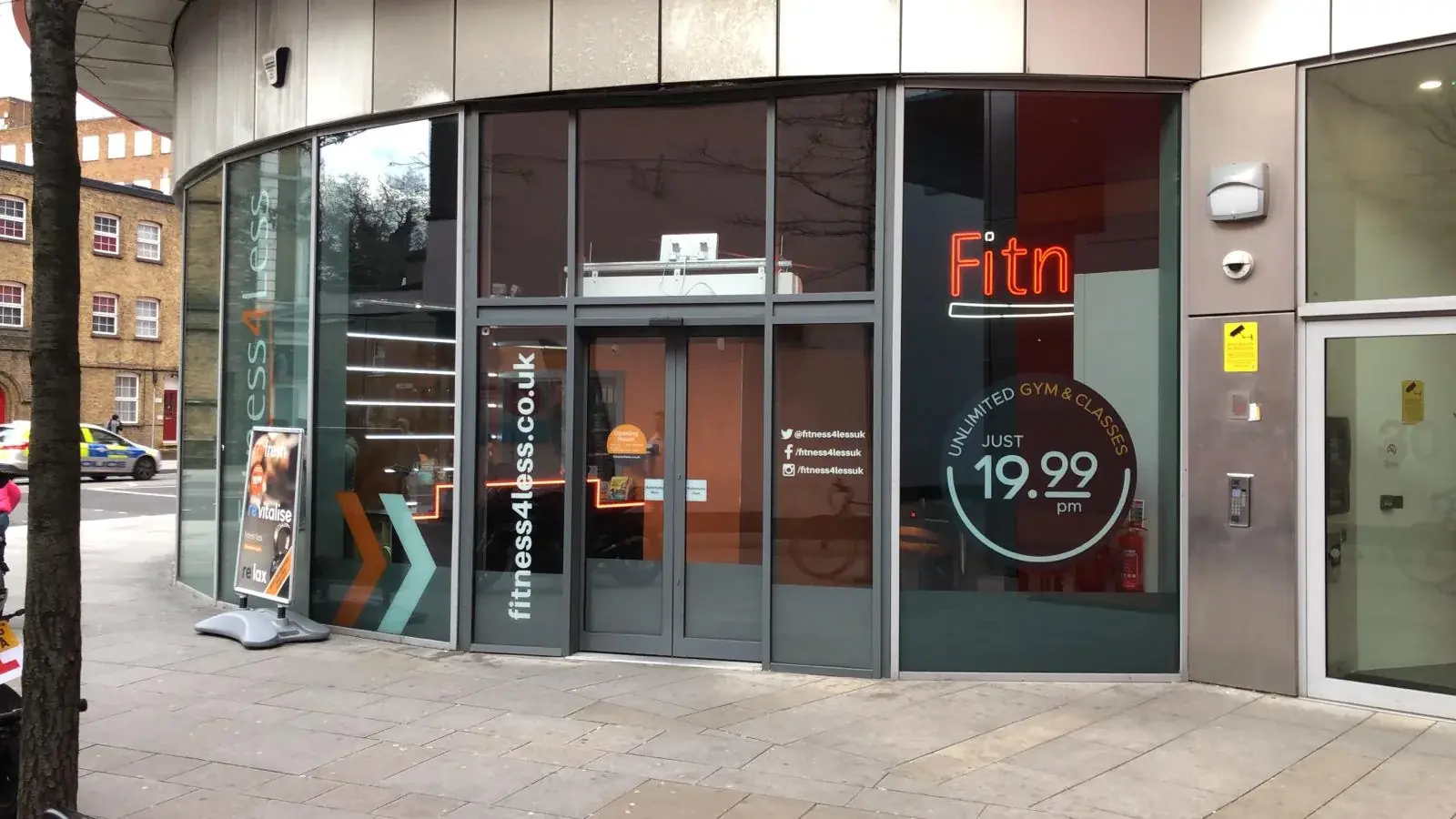
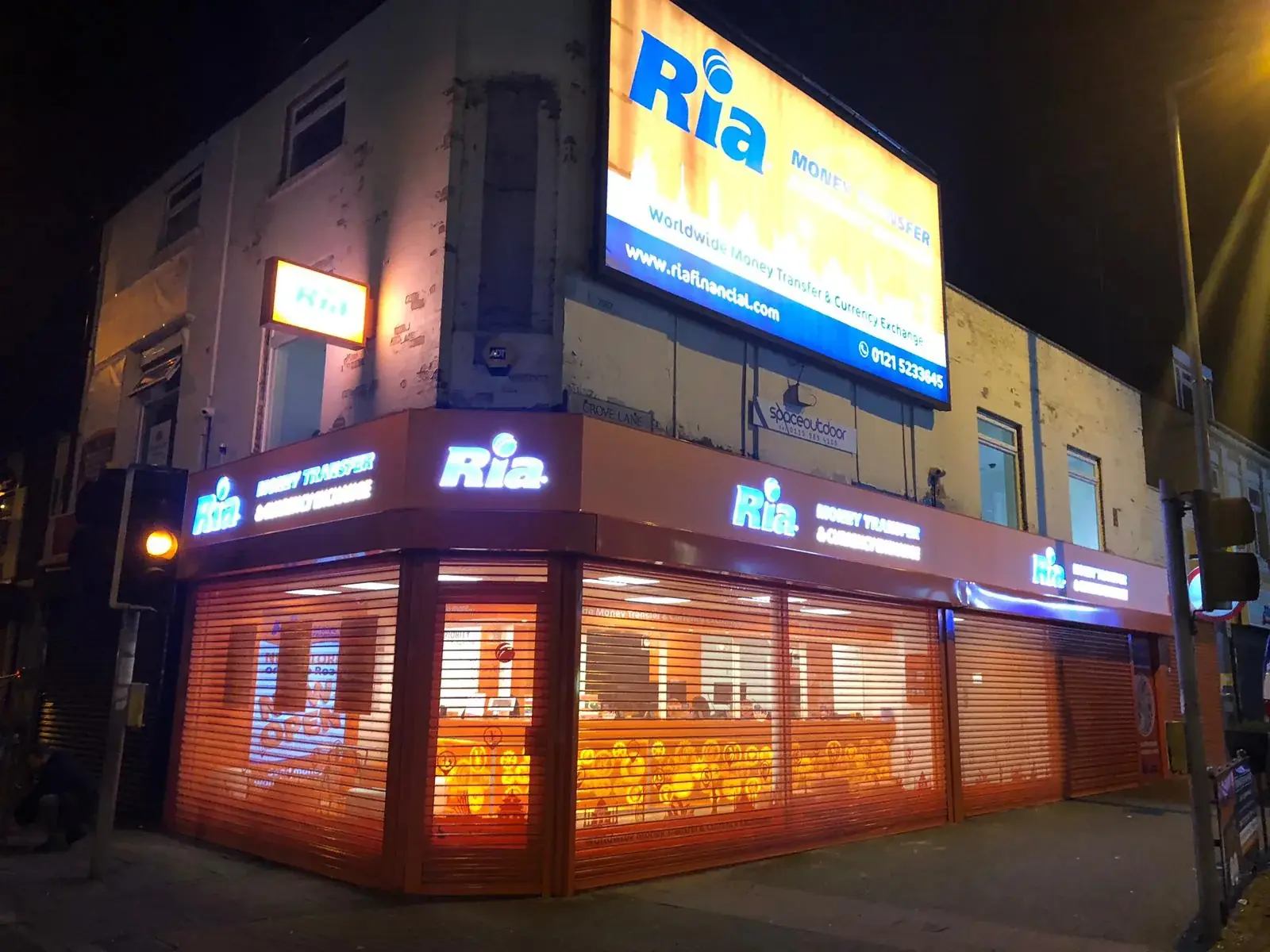
A property may need an outside name, an entrance sign, a reception sign, lift and corridor directions, floor names and room labels. These can share the same colours, letter style and simple symbols so people recognise them as one set. But the signs do not all need to look exactly alike. Someone reads a street sign from far away and a room label from close up, so the letter size and amount of detail should fit the place.
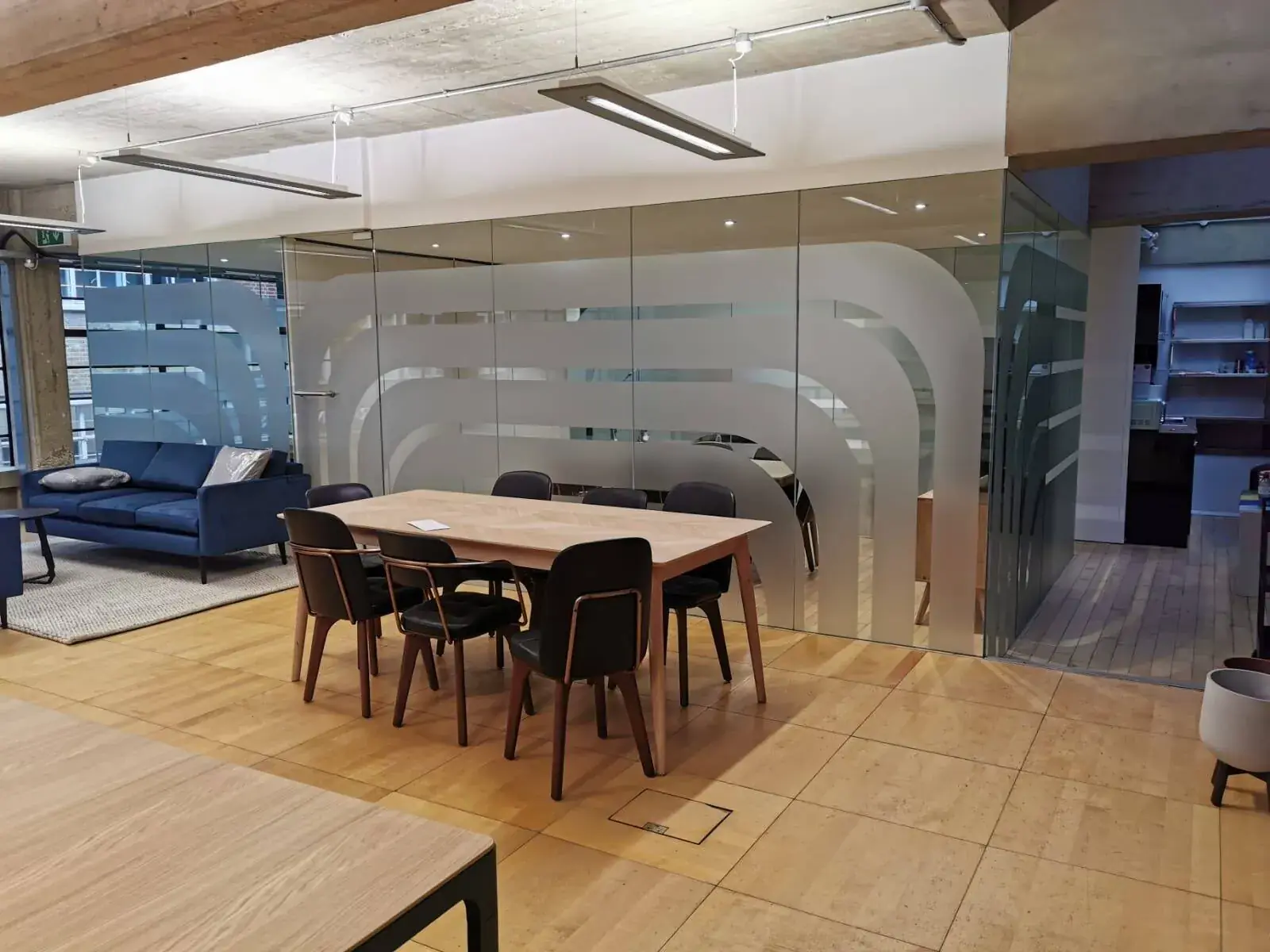
Use words that visitors understand, and do not rely on colour alone to show which way to go. Good contrast between the words and background can help people read the sign in different light. Keep door glass clear enough for people to see through where that matters. If a sign gives important access or safety information, check whether special rules apply and ask a suitable adviser when needed. A clear sign system should work for a wide range of visitors.

Choose signs that suit the place
Think about rain, direct sun, cleaning and how often people touch each sign. A printed board, sticky vinyl, clear acrylic or metal can each suit different places. Ask how the sign will be cleaned and whether a damaged part can be replaced. For a tenant list, being able to change one name matters more than using a finish that is difficult to update. For an outside sign, ask how the material will handle the weather where it will sit.
Consider the building itself before drilling or covering a wall. Older buildings may need special care, and the owner may have rules about where signs can go. Check the wall and look for wires or pipes before choosing the fixing points. Keep a note of how each sign is held in place, so a future repair does not start with guesswork. A simple plan for cleaning and updates can help a sign stay useful for years.
Agree approvals and fitting times
A shared building may involve the owner, building manager, tenants, designer and installer. Name one person to approve the words and another to arrange access to the building. Check any lease rules, sign zones and council requirements before signs are made. The owner or client should find out which approvals are needed. A sign maker can provide drawings, measurements and details to help with those checks.
Before the fitting, agree when workers can arrive, where they can unload and how they will keep doors and paths safe. Tell tenants if work may affect their entrance or usual route. Check the wall, glass and other surfaces at the chosen sign positions, and note any wires or things that block access. For several signs, plan the work so important directions are not missing for long. Keep a final plan showing where each sign was fitted and what it says.
Keep the sign list up to date
Make a simple list of every sign in the building. Write down its location, words, size, material, owner and the person who can approve a change. Add a photo or mark each sign on a floor plan. Note which messages change often, such as tenant names, building works or temporary routes. This record helps new staff understand what is there and stops a temporary notice from being left up for years.
Set a reminder to check the signs when a tenant moves, a floor changes or reception moves to another place. Remove old directions as soon as they are no longer true. Choose one person to keep the tenant list current and arrange updates. At the end of a project, give building staff the final sign list, artwork and cleaning notes. London Signage can help property teams plan signs around a site visit and the needs of its visitors. A clear record means later changes can be made without starting over. That gives the team a simple place to start next time.
Commercial Signage London — Explore direction and building signs for shared places.
Talk about signs for your building — Discuss visitor routes, tenants and site needs.
Ask for a building sign quote — Share plans, photos and a list of signs you need.
Frequently asked questions
What signs help in a building with several businesses?
A building name, entrance sign, tenant list and directions at turning points are common choices. Walk the visitor route first to see what your building actually needs.
Who should update the tenant list?
Choose one person to receive changes, check names and arrange updates. Review the list whenever a business moves in or out.
Can I add signs to an old or listed building?
Possibly, but the building may need special care and approval. Ask the council, owner or a suitable building adviser before drilling or fitting a sign.
Who gets approval for signs in a shared building?
It depends on the property and the sign. The owner or client should check permissions. A sign maker can provide drawings and details to help.