Sign Fitting
What to Expect When Your Business Sign Is Fitted
A clear guide to sign fitting, from checking the site and access to agreeing the position, preparing the artwork and reviewing the finished work.
A well-designed sign needs to be fitted in the right place, in a way that suits the building and keeps people safe. That takes more than turning up with tools. The installer needs to know what is being fitted, what the wall is like, how people will reach the work area and whether the business can stay open. London sites may have busy pavements, shared entrances, limited delivery space or rules set by a building owner. Clear planning helps avoid last-minute surprises and protects the finished sign. This guide explains the steps to expect and the information you can gather before booking. You do not need to know every technical detail yourself, but sharing what you know about the site makes it easier for the right questions to be asked.
Agree what is being fitted and where
Start with a clear description of the sign: what it says, roughly how big it is, what it is made from and whether it lights up. Say how many signs are included and whether an old sign needs to be taken down. A small panel beside a door is a different job from large raised letters high above a shop entrance.
Send recent photographs of the whole wall or shopfront, plus a closer picture of the planned position. Point out anything you already know about the place, such as cables, window glass, cladding, tiles or a shared entrance. Tell the installer who owns or manages the building and who can approve the final position. A tenant may need permission before a sign is fixed to a shared or outside wall.
Be clear about what you want the sign to do and how people will see it. Is it for customers walking along the pavement, guests approaching reception or drivers looking for a business from the road? That helps everyone agree the right position before the sign is made.
Check the wall and how the sign will be fixed
An installer may need to visit the site to measure the wall, check its condition and look for anything that could get in the way. A photograph or old drawing can help start the conversation, but it may not show exact measurements or what the wall is made from. A site visit can also help work out whether a ladder, platform or other safe access equipment is needed.
Different surfaces need different ways of holding a sign in place. Brick, painted render, metal panels, glass and indoor partitions are not all the same. The sign’s size, weight and position also matter. If the wall or support behind it is unknown, raise that before the sign is made. The installer may need help from the building manager or another qualified person to confirm what can safely hold it.
Do not assume that the same screws or glue will work at every site. Ask how the planned method suits the actual wall and whether any preparation is needed. Confirm that nearby paint, tiles or windows will be protected during the work.
Plan access, timing and people on site
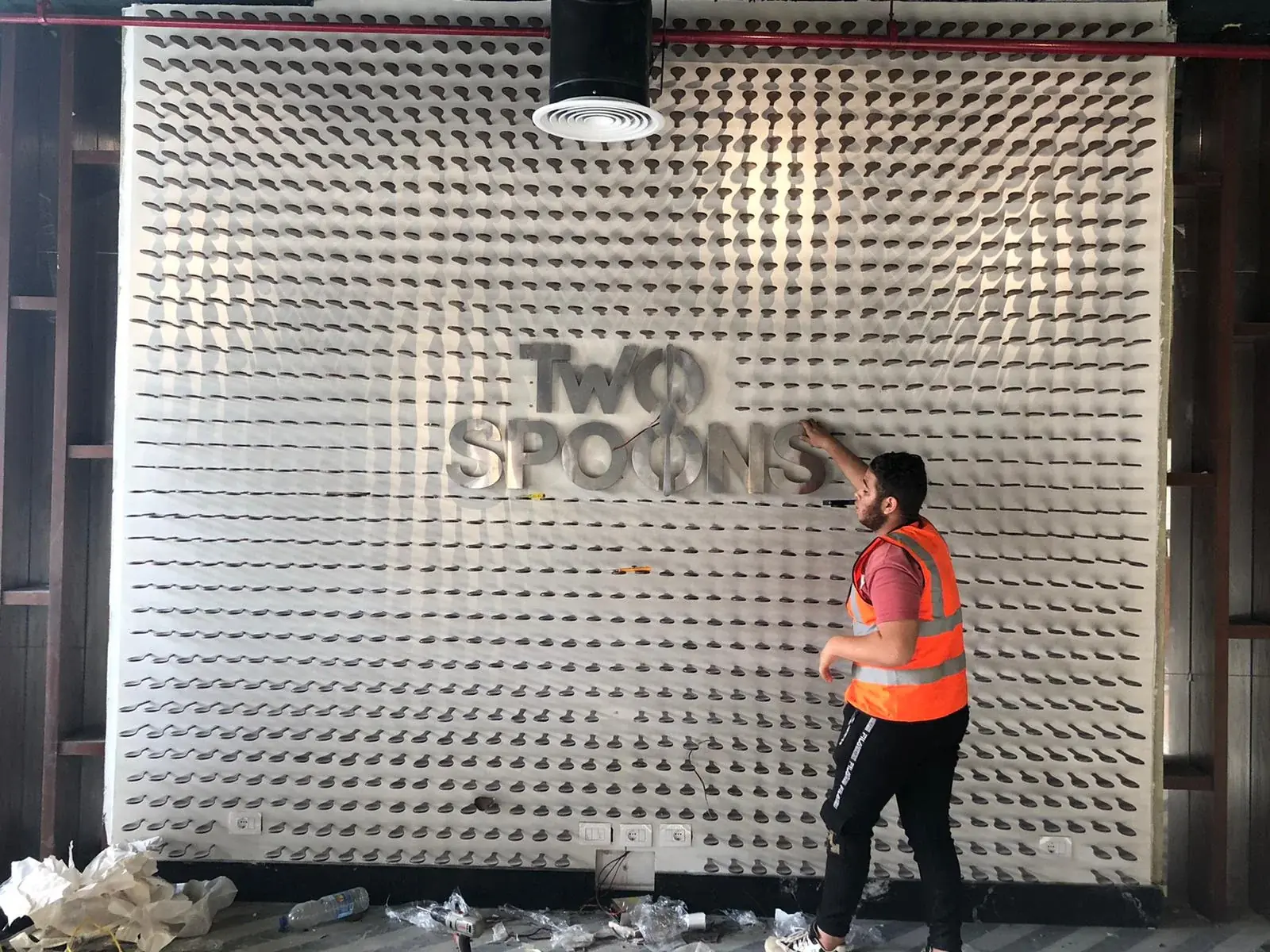
Talk about delivery and access before the fitting date. Is there space to unload? Does the installer need to book a loading area, use a service entrance or sign in at reception? Ask about opening hours, security steps and any limits on noisy work. If a pavement, shared hallway or customer area may be affected, agree how people will be kept clear.
Choose a contact who can answer questions on the day and approve small practical decisions. Make sure that person can get into the building and knows where the work will happen. Move displays or furniture if needed, and tell staff or neighbours about any short disruption. Outdoor work can depend on the weather, so ask what happens if conditions make the planned work unsafe.
Be careful with promises about how long a job will take before the site has been checked. The time depends on the sign, its position, access and the wall. A realistic plan is better than rushing a crew or leaving a busy entrance blocked for longer than expected.
Get permissions and responsibilities clear
Check whether the building owner, landlord or manager needs to approve the sign or its position. Rules can depend on the building and the sign, so approval for an older sign may not cover a new one. Ask the right person before ordering the sign. If you are unsure, seek help from the property manager or a suitable adviser.
Write down who is responsible for each part of the job. Does the installer take down the old sign? Who will arrange power for a lit sign? Who will protect nearby paint and clean up packaging? For electrical work, agree that connection and testing will be handled by a suitably trained person. Clear answers help prevent missing tasks on fitting day.
Approve the final sign and fitting plan
Before the sign is made, check every word, logo, size, colour and finish. Look at a drawing or proof that shows where it will go. For separate letters, check how their spacing will be marked on the wall. For a panel, ask where any wires will come out and how the panel will be supported. Make sure the drawing matches the agreed position and measurements.
Keep one final approved version and send it to everyone who needs it. If the site visit leads to a change in size or position, make sure the updated drawing reaches the people making and fitting the sign. A paper guide or full-size outline may help when several letters need to line up. Check the final version before work starts, rather than relying on someone to remember a change made in a phone call.

Know what happens on fitting day
The team will usually check the work area and confirm that it matches the plan. They may protect nearby surfaces, mark the position, check the level and prepare the fixing points. Then they fit the sign using the agreed method. The exact steps change with the sign, wall and access equipment, but the aim is a secure fit in the approved place.
If a word or position needs to change on the day, pause and agree the change with the person who has approval. Do not ask the fitting team to guess at new wording or move the sign without checking. When the work is finished, agree how tools and packaging will be cleared and when the area can be used again.
Review the finished work and keep useful details
Look at the sign from the route customers will use. Check that it is in the right place, looks straight, has no obvious damage and can be read in the light where it will be used. If the sign lights up, ask the responsible trained person to check it works as agreed. Write down any small issue that still needs attention and who will follow it up.
Keep the final drawing, care advice and any information about lights or fitting. Take a photograph of the finished sign. These records can help if you need to clean, repair or update the sign later. Before the team leaves, ask who to contact if something changes and whether the sign needs any regular care.
Conclusion: make fitting part of your sign plan
A smooth sign fitting starts with clear details about the sign, the wall and the people who use the site. Check the position, access and permissions early, approve the final words and drawing, and agree who is responsible for power, protection and taking down an old sign. On the day, keep one contact available and review the finished work from the customer’s point of view. London Signage can discuss sign fitting and planning for business locations. Explore signage options, contact the team with photographs and access details, or ask for a quote with the sign type and location. Early questions can help the fitting team plan carefully, while a clear handover gives you useful details for looking after the sign later.
Commercial Signage London — Look at sign styles before planning the fitting.
Talk about your site — Share details about access, timing and the building.
Ask for a fitting quote — Send measurements, photographs and the sign details.
Frequently asked questions
What details should I send before asking about fitting?
Share the sign type, rough size, photographs of the wall and where it should go. Add any known access limits, timing needs and details about the building.
Do I need permission before a new sign is fitted?
The building owner or manager may need to approve it. Check who is responsible for the wall and get any needed permission before work is booked.
Can a sign be fitted while my business is open?
It may be possible, depending on the sign, access and work area. Discuss customer routes and timing with the installer before confirming the date.
Who connects a lit sign to power?
Agree this before the job starts. A suitably trained person should handle the electrical connection and check that the sign works safely.