Shop Signs
How Good Shop Signs Help London Businesses
See how clear shop signs help people notice your business, find the door and understand what you offer, without crowding the shop front.

A shop sign starts helping before a customer opens the door. It says the name, helps people tell your shop from the one next door and can give a clue about what they will find inside. For a shop owner, that is a real business job, not just decoration. A clear sign does not need to shout or cover every window. It needs to suit the building and make the right words easy to notice. This guide looks at how signs can help customers feel sure they have found the right place, and gives you simple ways to judge whether a new sign will work on your own street.
Make your shop name easy to spot
Put the name where people can see it from the ways they approach. A sign above the shop door is often the main one, but a tree, canopy or corner can hide it. Letter size matters, but so do the shape of the letters, the space between them and the colour behind them. A simple name with room around it may be easier to read than a large, busy logo. Look at the sign from the pavement, not just from close by.
If your name does not tell people what you sell, add a short clue. “Books”, “flowers” or “repairs” can make a new shop easier to understand. Keep the main sign focused. A long list of products, social media names and phone numbers can make the shop name disappear. Use the window or a small panel by the door for details people can read while standing still.
Help people find the right door
The entrance may be around a corner, under a shared arch or set back from the pavement. Walk towards your shop the way a first-time customer would. Look from both directions and notice where the door first comes into view. If someone could mistake another doorway for yours, a small sign near the door or a sign that sticks out from the wall may help. The answer depends on what people can actually see.
Pay attention to real questions from customers. Do they ask if they are at the right place? Do they miss the entrance or wonder whether you are open? Each question points to a different fix. A clear name can solve one problem; opening times on the glass can solve another. Adding more signs before you know what is confusing can make the front harder to understand.

Make the front feel like your shop
The shop front gives people a first idea of what to expect. A bright toy shop, a quiet bookshop and a smart tailor may each need a different feel. Choose colours and letter styles that suit your business, then use them in a steady way on the main sign, door and window. A sale poster can be lively, but it should not hide the shop name. When a short offer ends, the main identity should still be clear.
Think about what people see once they come inside. If your menu, opening times and signs all use different colours and styles, the shop may feel untidy even if each item looks fine alone. You do not need a logo on every wall. Leave open space where it helps customers see into the shop or understand where to go. A few well-placed signs are often enough.
Choose how the sign is made to suit the shop
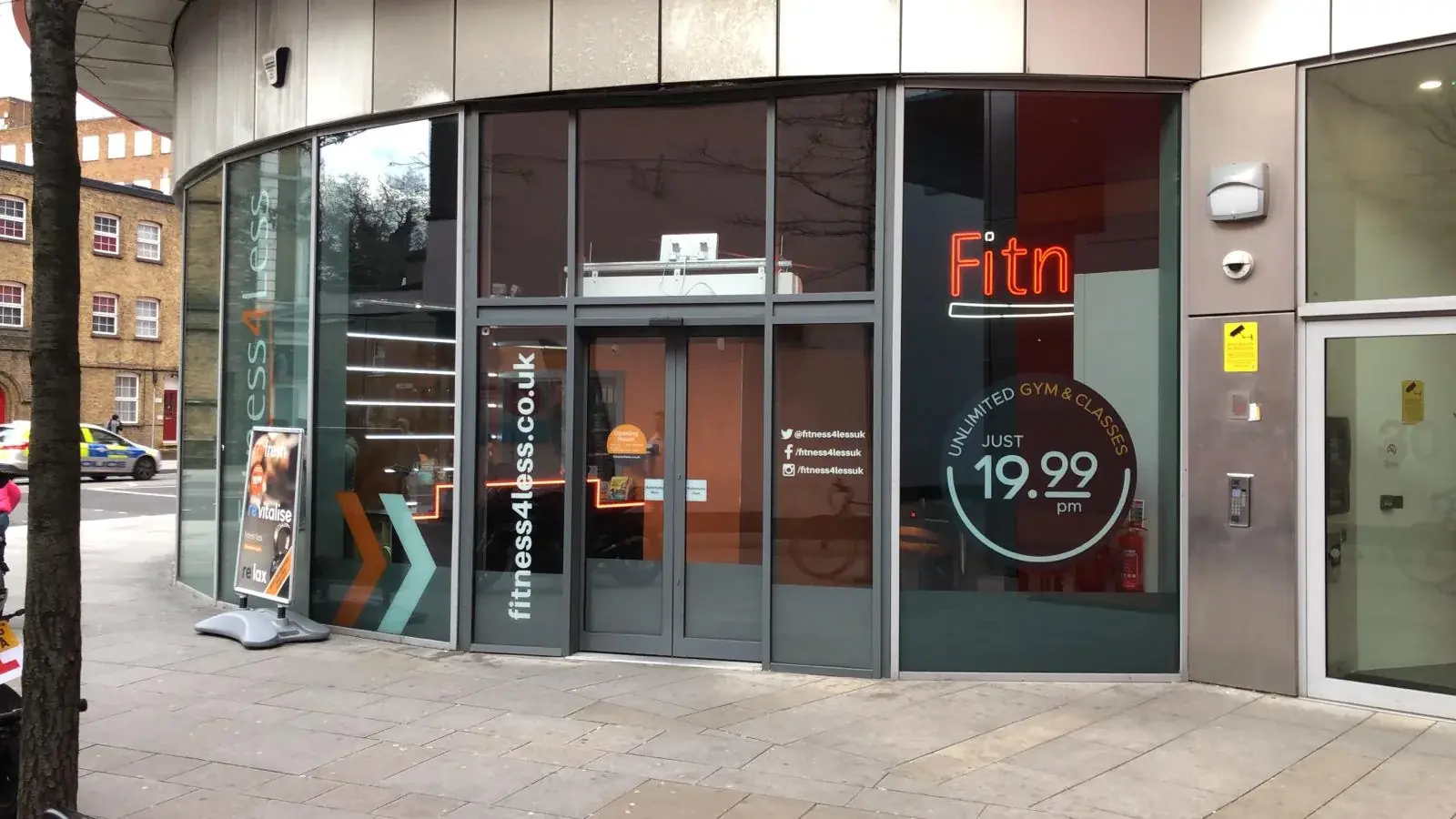
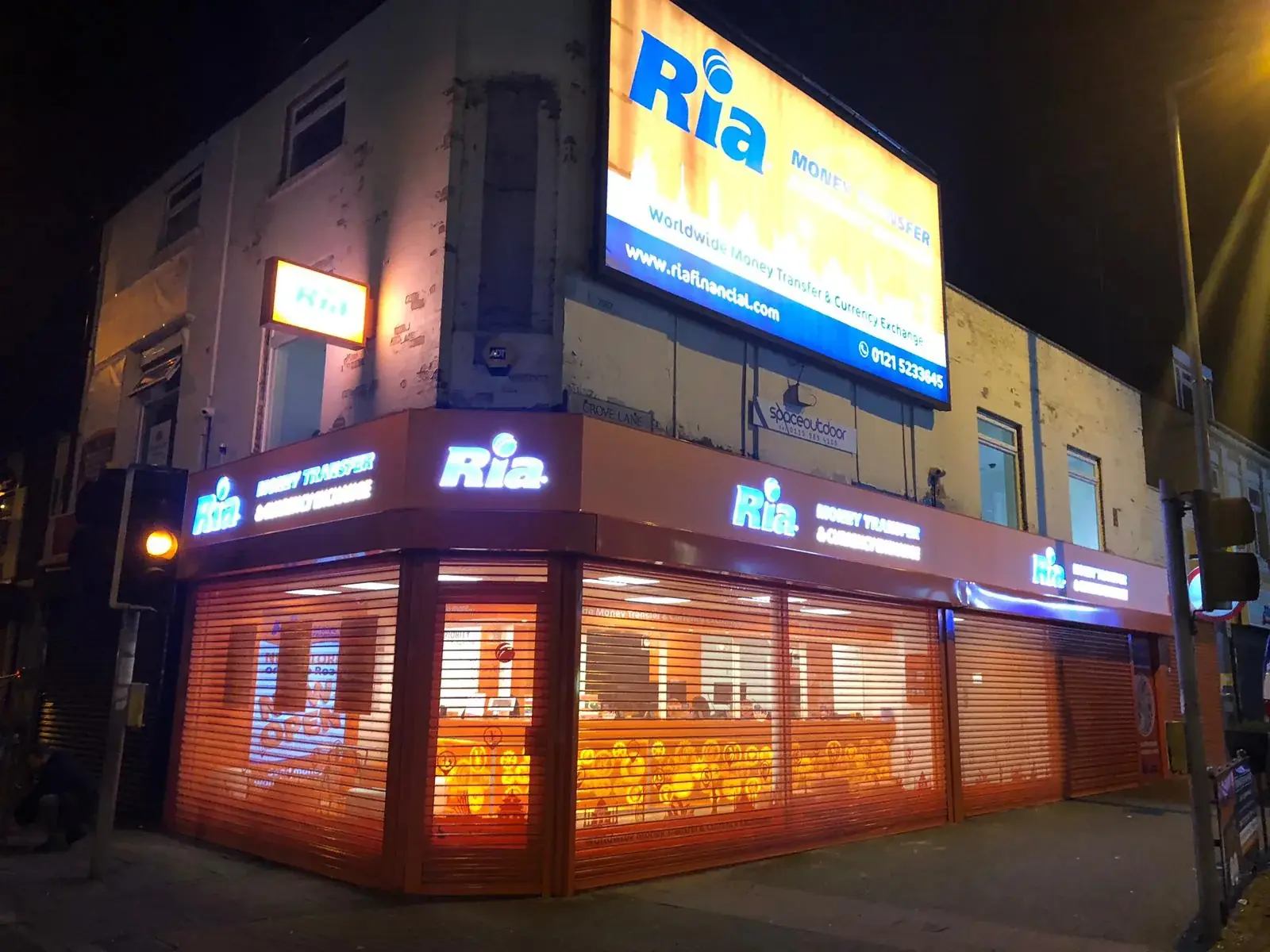
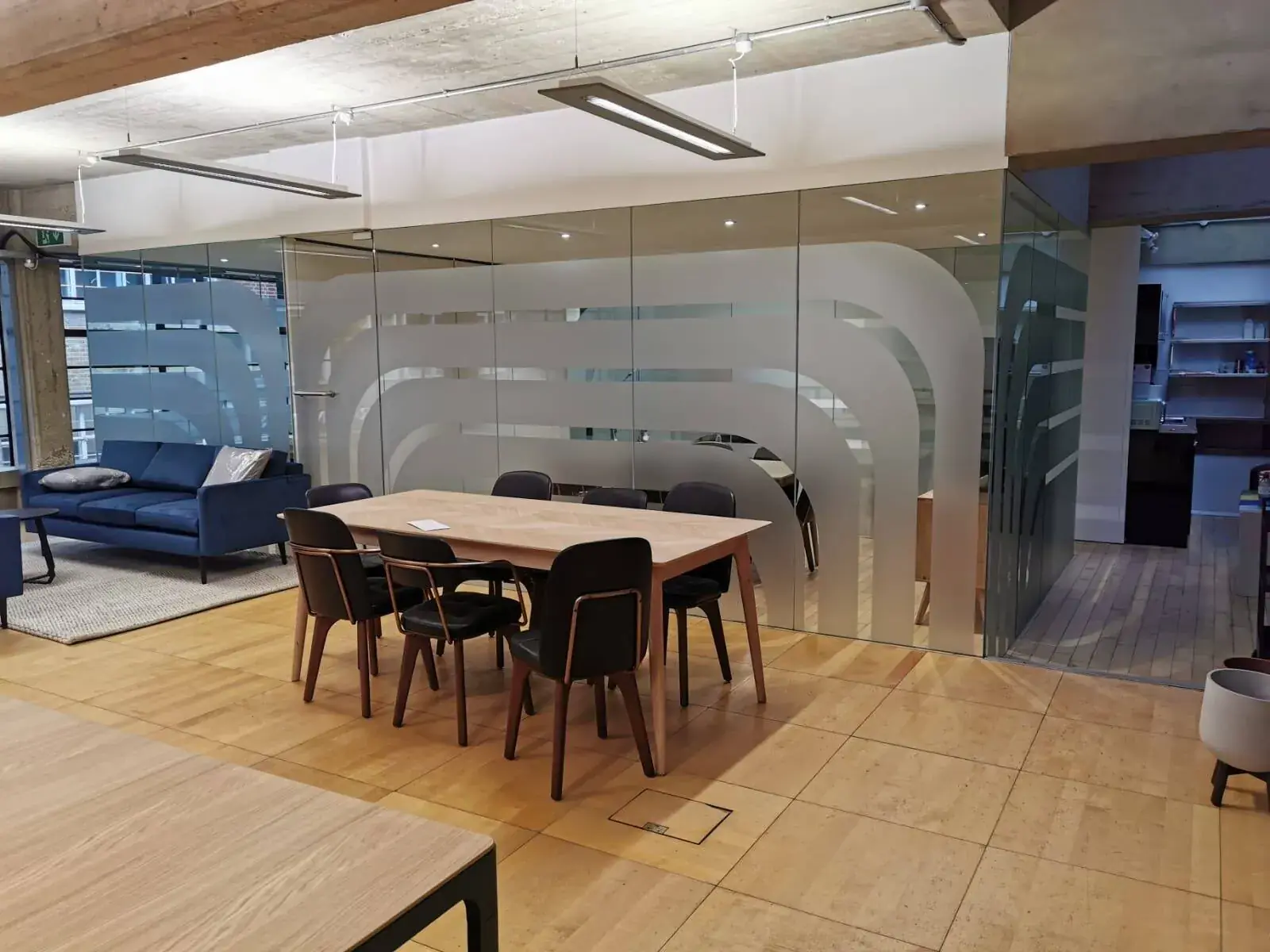
A flat panel gives the name a solid background. Separate raised letters stand out from the wall and can leave the brick or paint visible between them. A light box has a panel that lights up. Window vinyl is a thin, sticky film with words or pictures on it; it can show opening times or a short message on window glass. Ask to see the choices against photos of your own shop, because a sign that looks good on a plain white wall may feel different on brick or painted wood.
Ask what the sign is made from and how it will cope with rain, sun and cleaning. Find out how it will be attached and whether cables will show. Neat edges and tidy fitting matter because customers see the whole shop, not just the lettering. If you are considering lights, ask how the name looks with the lights on and off. A sign should be easy to read in both conditions.
A sign maker should measure the site and ask about your logo, colours and building rules. Ask to see a drawing at the planned size, preferably on a photo of the front. Check every word and number before giving approval. Once the sign has been made, a mistake in a phone number or opening time may mean extra work. If another owner or landlord must approve the sign, make sure everyone sees the same final drawing.
Plan fitting day and care
Before the fitting day, agree when work will happen, where the installer can unload and who will meet them. A shop in a shared building or busy parade may have rules about work hours and keeping the pavement clear. Check whether customers can use the entrance while the sign is being fitted. These details are easy to forget when you are focused on how the new sign will look, but they help the day go smoothly.

Ask how to clean the sign and what to do if part comes loose or a light stops working. Check it now and then as part of looking after your shop. Do not climb up to fix a high sign or open anything connected to electricity. Keep the drawing and notes about its materials, so you can make a matching change later if your hours or brand change.
Shop Front Signs London — Explore sign types for shops and other street-facing businesses.
Make the sign work for your business
A shop sign earns its place when it helps the right people notice you and feel sure about coming in. Put your name first, use a short extra message only when it helps, and make the entrance easy to spot. Before choosing a style, stand where customers stand and see what they see. Take photos, make a list of the questions customers ask, and show those details to the sign maker. A practical conversation about your shop is a better start than choosing a sign from a picture alone. That way, every change has a clear reason and supports the way you serve customers.
Talk to London Signage — Discuss your shop front and what customers need to see.
Ask for a shop sign quote — Send photos and details about your shop and timing.
Common questions about shop signs
Frequently asked questions
What makes a shop sign look good?
A clear name, easy-to-read letters, colours that suit the shop and careful fitting all help. The sign should also fit the building instead of hiding its useful features.
Should I put all my services on the main sign?
Usually, no. Use the main sign for your name and perhaps a few words about what you do. Put longer details somewhere customers can stop and read.
Can I update the sign I already have?
Maybe. It depends on the sign’s age, condition and how it is made. A sign maker can look at it and tell you whether a new face or a full replacement makes more sense.
Does every shop need lights on its sign?
No. Lights may help if you trade after dark or your door is hard to see. Think about the street, your opening hours and power before deciding.