Fitting business signs
Why Careful Sign Fitting Matters
Good sign fitting brings the design and the real site together, from wall checks and safe access to a tidy finish and clear handover.
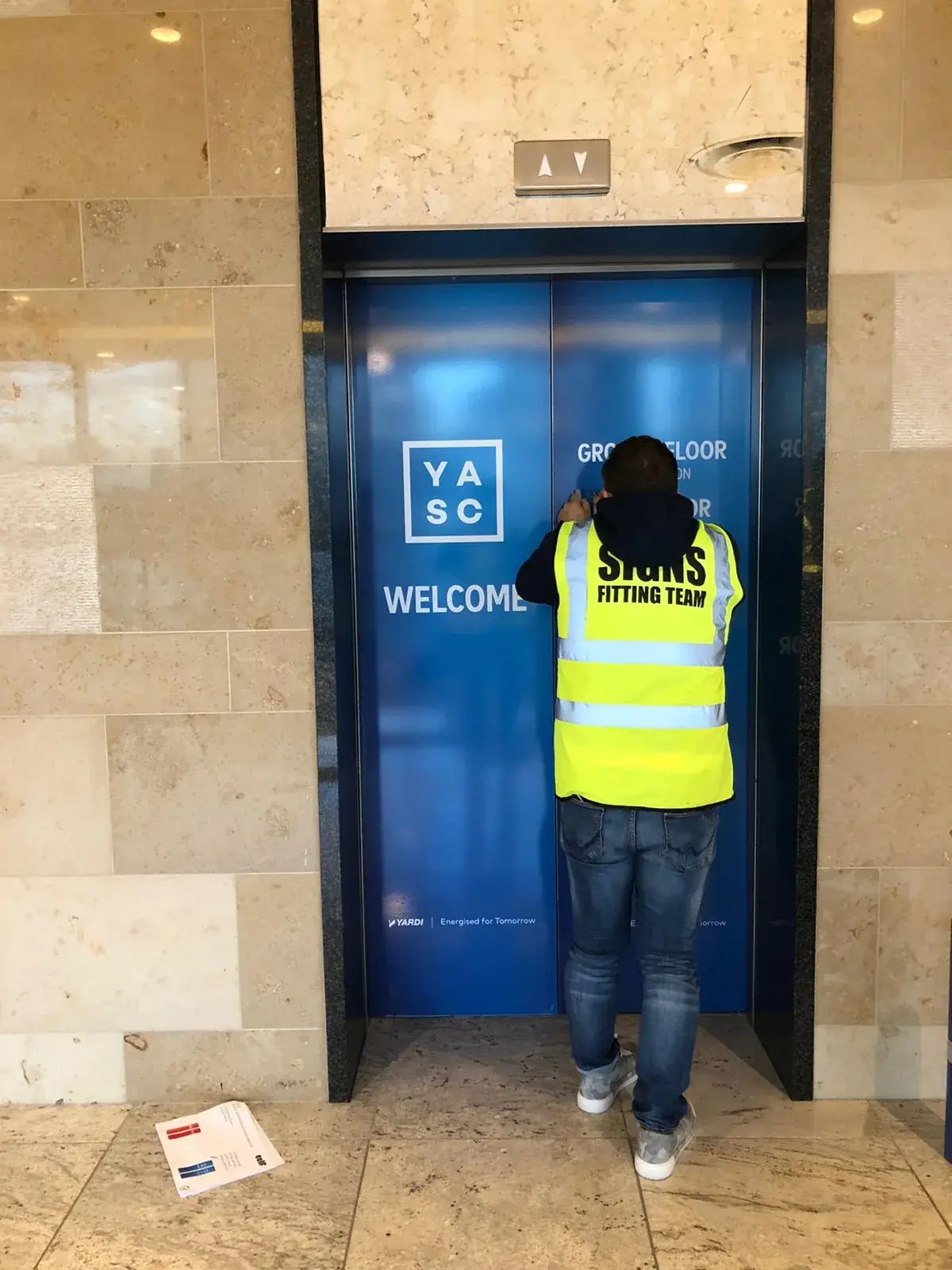
A finished sign may look simple from the pavement, but fitting it takes care. The team needs to know where it should go, what the wall is like and how to reach the spot. A sign that sits at an angle or covers a door feature can spoil a good design. Planning the fitting before the day helps avoid surprises and gives everyone a clear job. This guide explains what careful sign fitting involves and what you can prepare as the business owner. Every building is different, so the right plan depends on the actual sign and place, not just a photo or a guess.
The right position helps people read the sign
A shop sign needs to sit well on the front of the building and be seen by people approaching along the pavement. A sign that sticks out from a wall should be easy to spot along the street. Inside, a direction sign should appear before a visitor has to choose which way to go. Fitters can compare the agreed drawing with the real place and notice pipes, doors, lights or joints that may affect the position.
When several signs go up together, matching their height and spacing helps them look like a set. A small difference can stand out across a line of room names or panels. If the planned position does not work once the team arrives, ask them to explain the issue and show another option. Agree any change before the sign is fixed. This keeps you involved and makes sure the finished position is recorded for later.
The wall and fixing method both matter
A light window picture, a flat directory and heavy raised letters do not all attach in the same way. The fitter needs to know the size and weight of the sign and what the wall or window is made from. They may need to check whether the surface is flat, sound and clean. If something is unknown, ask whether a visit or advice from another building worker is needed before choosing how to attach the sign.
Do not assume that one fixing suits every wall. Older walls, patched paint or uneven surfaces can need a different plan from a new, smooth wall. Pipes or wires may also be hidden behind the surface. A photo can show the room, but it cannot reveal every hidden detail. A careful fitter will tell you what they can see, what they cannot confirm and what should be checked before work starts.
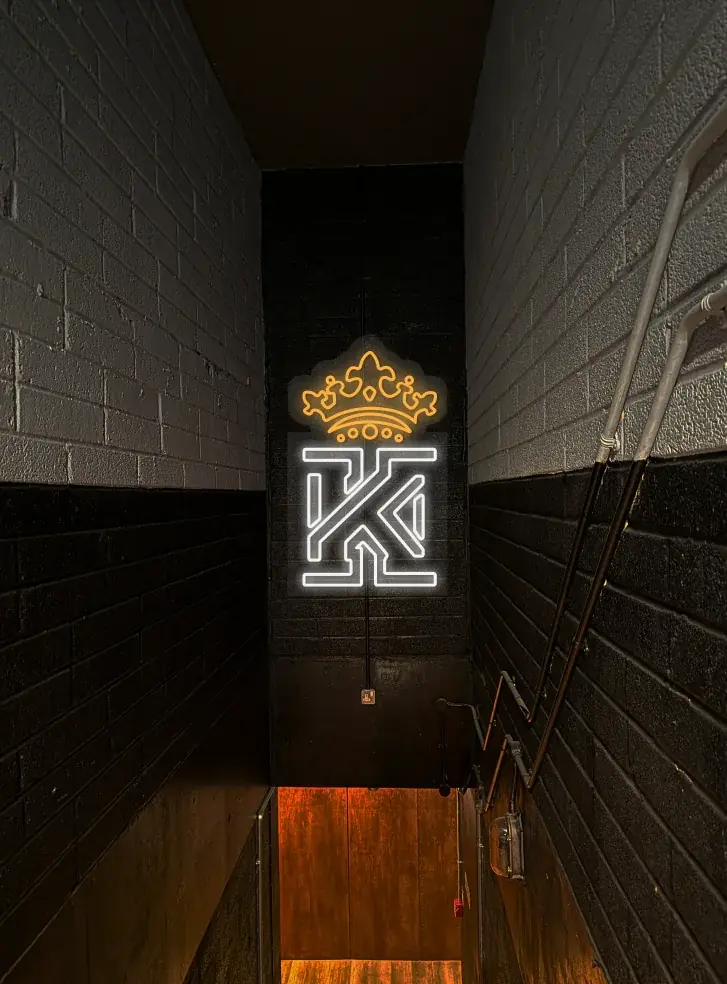
Plan access so the work can happen safely
Fitting can be delayed by simple things, such as no place to unload, a locked door or a work area full of stock. Tell the team about parking, building entry, sign-in rules and the hours they can work. An office or shop in a shared building may need approval or advance notice. Check whether the sign can fit through doors and lifts on the way to its location.
Signs high above a doorway or near customers need extra planning. Ask what equipment the fitter will use and whether keeping people away from the work area is included. Tell staff when a space may be closed for a short time. Share photos and contact details for the person who can open the building or answer questions. The fitter and building owner should agree the safety steps for that place before the visit.
A tidy finish comes from careful work
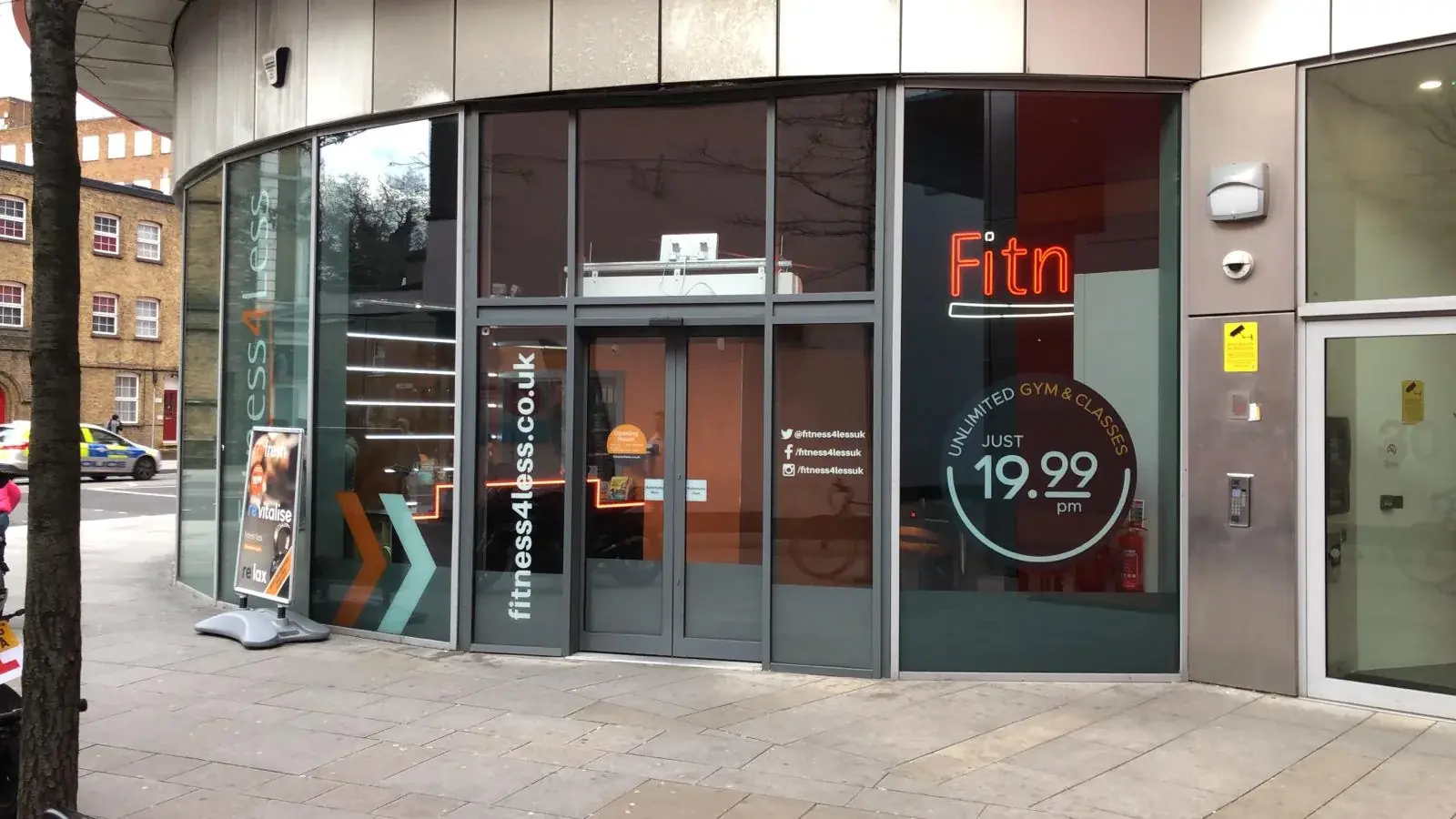
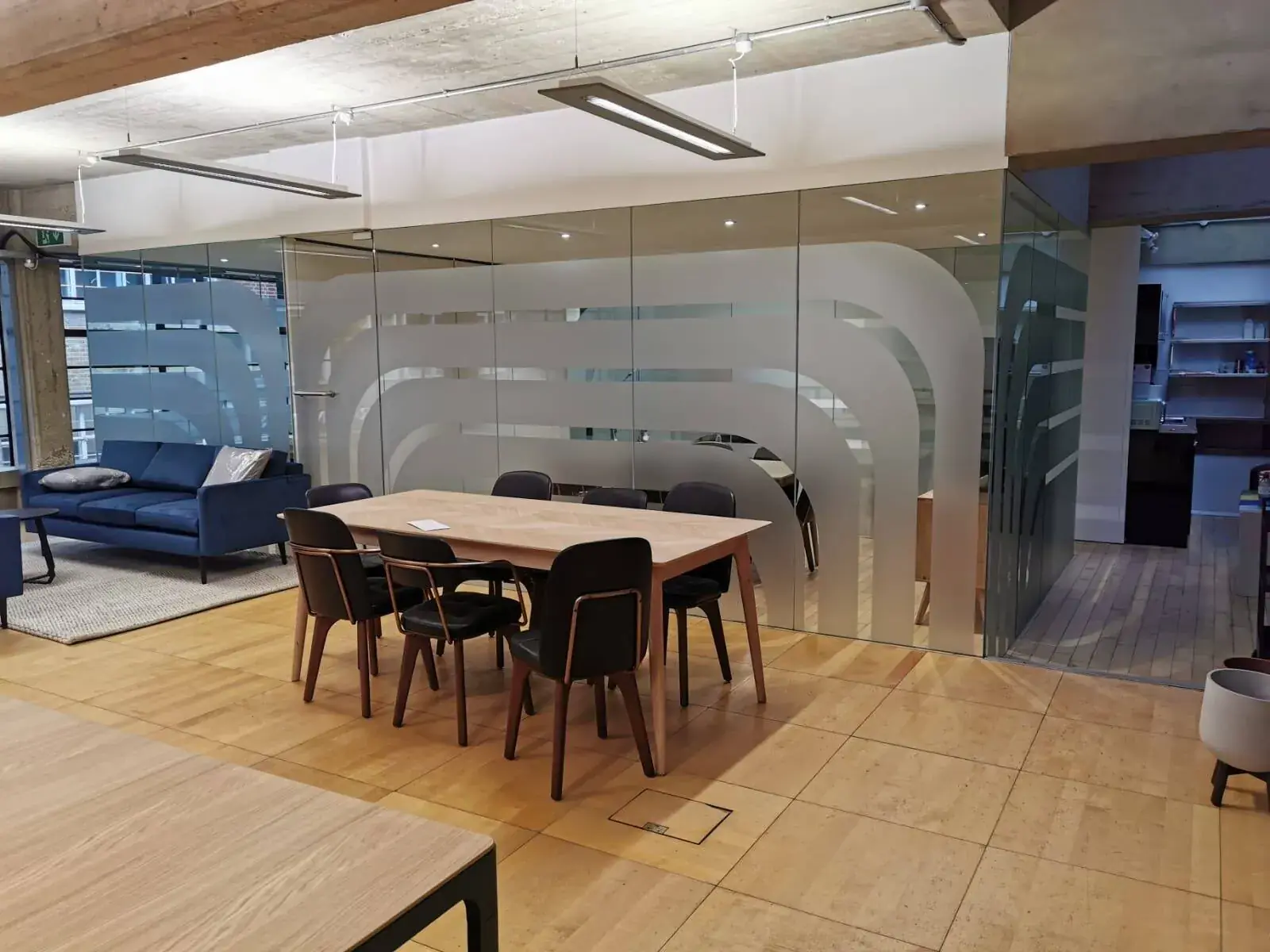
Look for straight letters, even spaces, clean edges and a sign that sits neatly beside doors, windows and other details. Window vinyl is printed or cut film that sticks to glass; it needs a clean surface and careful placement to avoid bubbles or crooked lines. Raised letters need even gaps and a secure fixing. A flat panel should sit neatly against the wall. These small details affect how the whole sign looks.
The team should also take care around your shop or office. Ask how nearby surfaces will be protected and how rubbish or packing will be cleared away. If other workers are painting, moving furniture or connecting power, agree who goes first. Before the team leaves, look at the sign from the place customers or staff will see it. If you notice a problem, ask for it to be written down with a clear next step.
Lit signs need a power plan
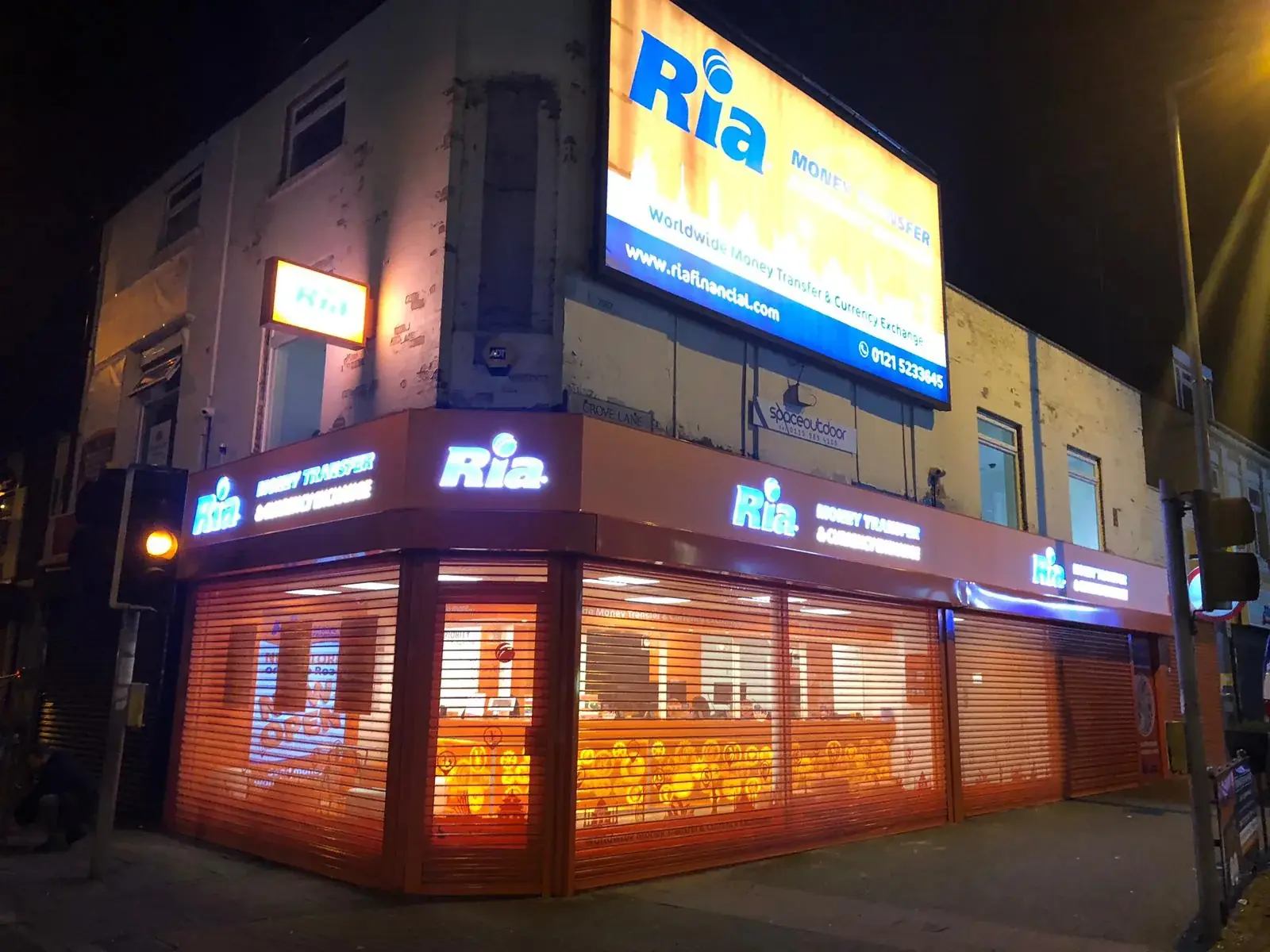
A lit sign has lights inside or behind it, so there is more to arrange than with an unlit sign. Ask where the power will come from and who is responsible for connecting it. Check with the building contact if power work needs a separate electrician. Ask how someone can reach the lights later if they stop working. Do not assume that making the sign includes every electrical job at the property.
Think about what the sign looks like both during the day and after dark. Ask who will check the lights once they are switched on and how you will report a problem later. LED means a small, energy-saving type of light; if it is part of the sign, ask how it is powered and what happens if a light part needs replacing. Talk through these points before the sign is made so cables and access do not become an afterthought.
Ask for a clear handover when fitting is done
When the work is finished, ask for a note saying what was fitted and whether anything changed from the drawing. Ask for cleaning advice that suits the sign, and keep details about its materials and lights. If something still needs attention, make sure it is written down and that someone is named to follow up. These notes help if another member of staff takes care of the building later.
Ask to see the written guarantee before work begins. Find out what it covers, how long it lasts and how to report a problem. A guarantee may treat accidental damage differently from a fault with the sign or fitting. Keep the quote, approved drawing and handover together. They show what was agreed and make it easier to explain the issue if you need help later.
Get your site ready for fitting day
Choose one person at your business who can meet the fitters and answer questions. Confirm the access time, parking, building rules and which area needs to be clear. Move stock, chairs or vehicles if they block the work. Tell staff or tenants if a doorway or room may be out of use for a while. If you know the wall has a problem or has been changed recently, tell the team before they set off.
Before the date, check that the approved drawing, sign position and number of signs are still right. Make sure any other worker or power connection the job needs is ready. Keep your contact phone nearby while the fitters are there. These steps do not replace the fitter’s planning, but they help the visit go as expected and give the crew the access and information they need.
Shop Front Signs London — Explore signs that may need fitting outside your shop.
Talk with the fitting team — Discuss access and the place where the sign will go.
Ask about sign fitting — Share the sign type, address and access details.
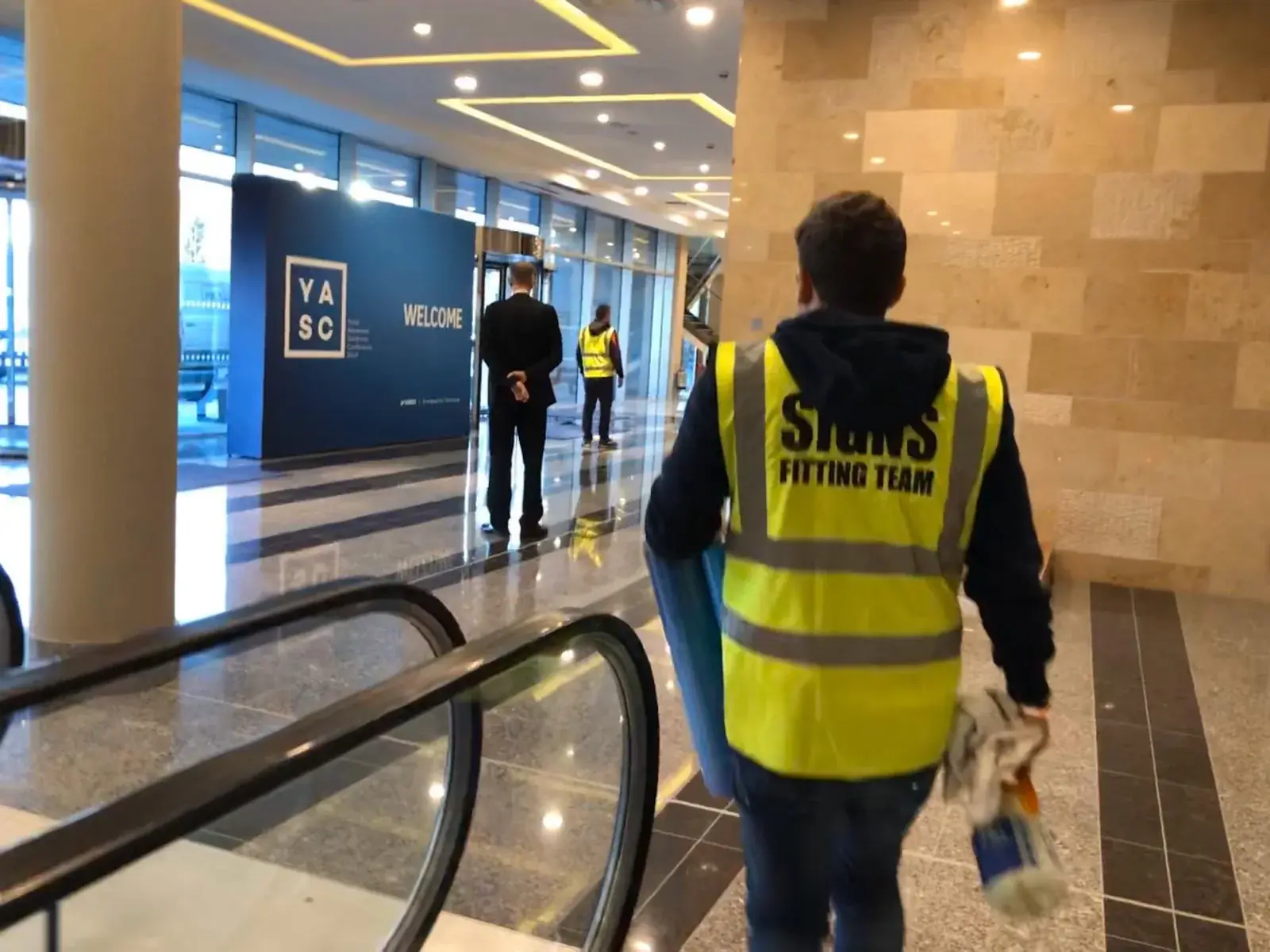
Careful fitting brings the sign plan and the real building together. It helps put signs in useful places, attach them in a way that suits the known wall and leave the area tidy. No one can promise that every wall or access plan will be exactly as expected, but a good process gives you time to discuss a problem before the work changes. London Signage can talk through fitting for business signs. Share your address, photos, sign details and access needs to discuss the next step or request a quote. A little planning helps make fitting day clearer for everyone.
Frequently asked questions
Can I fit a business sign myself?
A small sign may be simple, but weight, height, wall type and power can make the job harder. Ask someone qualified to check your sign and site.
What should I check before the fitters arrive?
Confirm the drawing, time, site contact, access, clear work area and any building rules. Check that any needed power or other work is ready.
Does fitting a lit sign include connecting power?
Not always. Ask who supplies and connects the power, and who checks the lights when they are on.
What if the wall is different from the drawing?
Ask the fitter to explain what they found and suggest a safe next step. Agree any change to the sign position or fixing before they continue.