Outside Signs
Outdoor Sign Ideas for London Shops and Businesses
Compare outside sign ideas for shops, cafés, offices and other businesses, then choose what will help customers find you.

An outside sign can help customers find your business before they reach the door. It can also tell them what you do and give them a first feel for the place. The best choice depends on the building and the route people take to reach it. A narrow shop on a busy street needs something different from an office set back in a courtyard. Here are practical outdoor sign ideas for London businesses, with ways to think about shop signs, projecting signs, windows and lights. Begin by asking what people have trouble seeing or finding today. Take note as you go.
Look from the places customers come from
Stand across the street, walk along the pavement and try the route from the nearest car park or courtyard. Notice how far away you can see the door and whether trees, parked vans or other signs get in the way. Take photos in daylight and, if people visit after dark, in the evening too. A sign that looks clear while standing right in front of it may be hard to see from the way most customers approach.
Usually, the business name should be the first thing a passer-by sees. A short line about what you offer can help, but too many words can make the sign hard to read quickly. If people cannot spot the door, a small sign by the entrance may help more than squeezing extra words onto the main sign. Decide what the visitor needs to know first, then give each sign one clear job.
Use a shop sign above the door
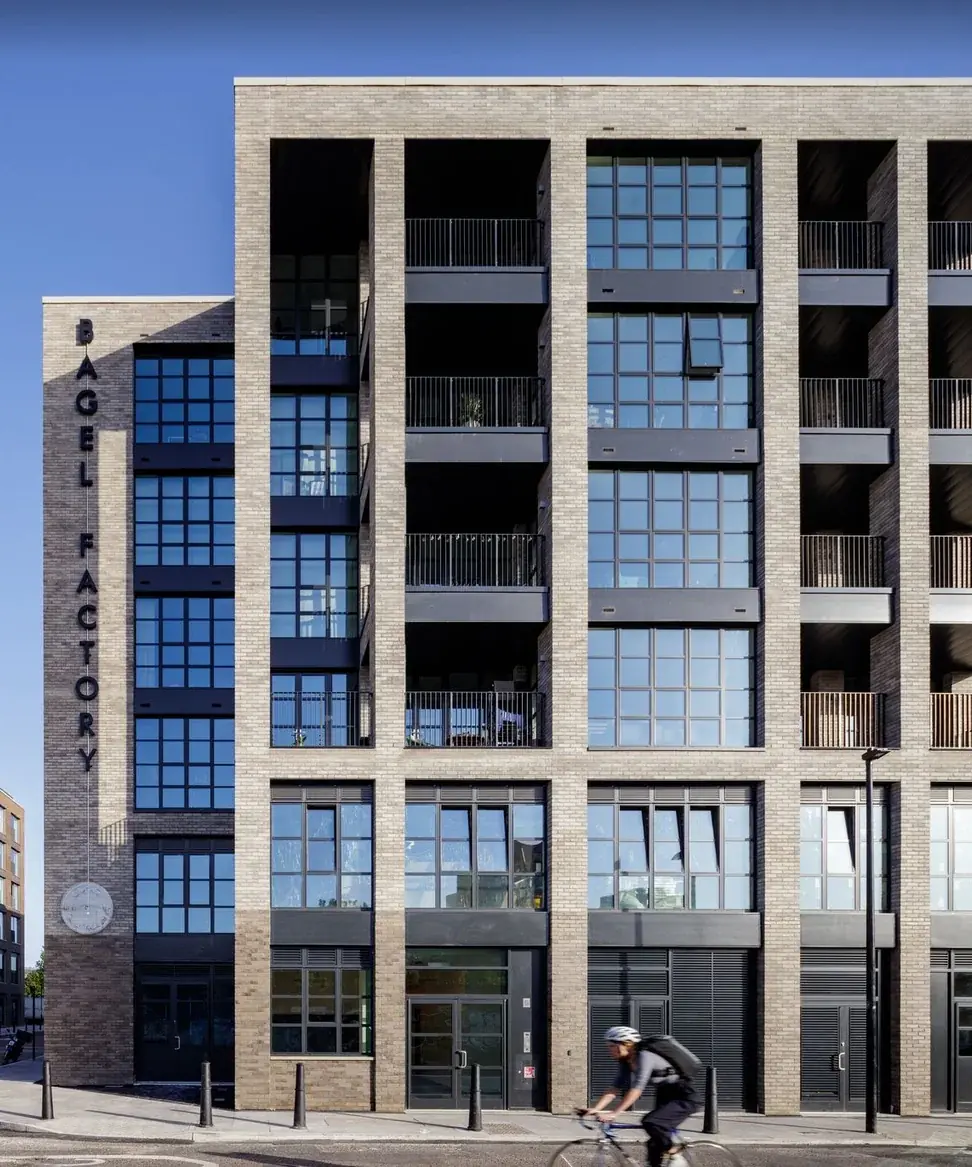
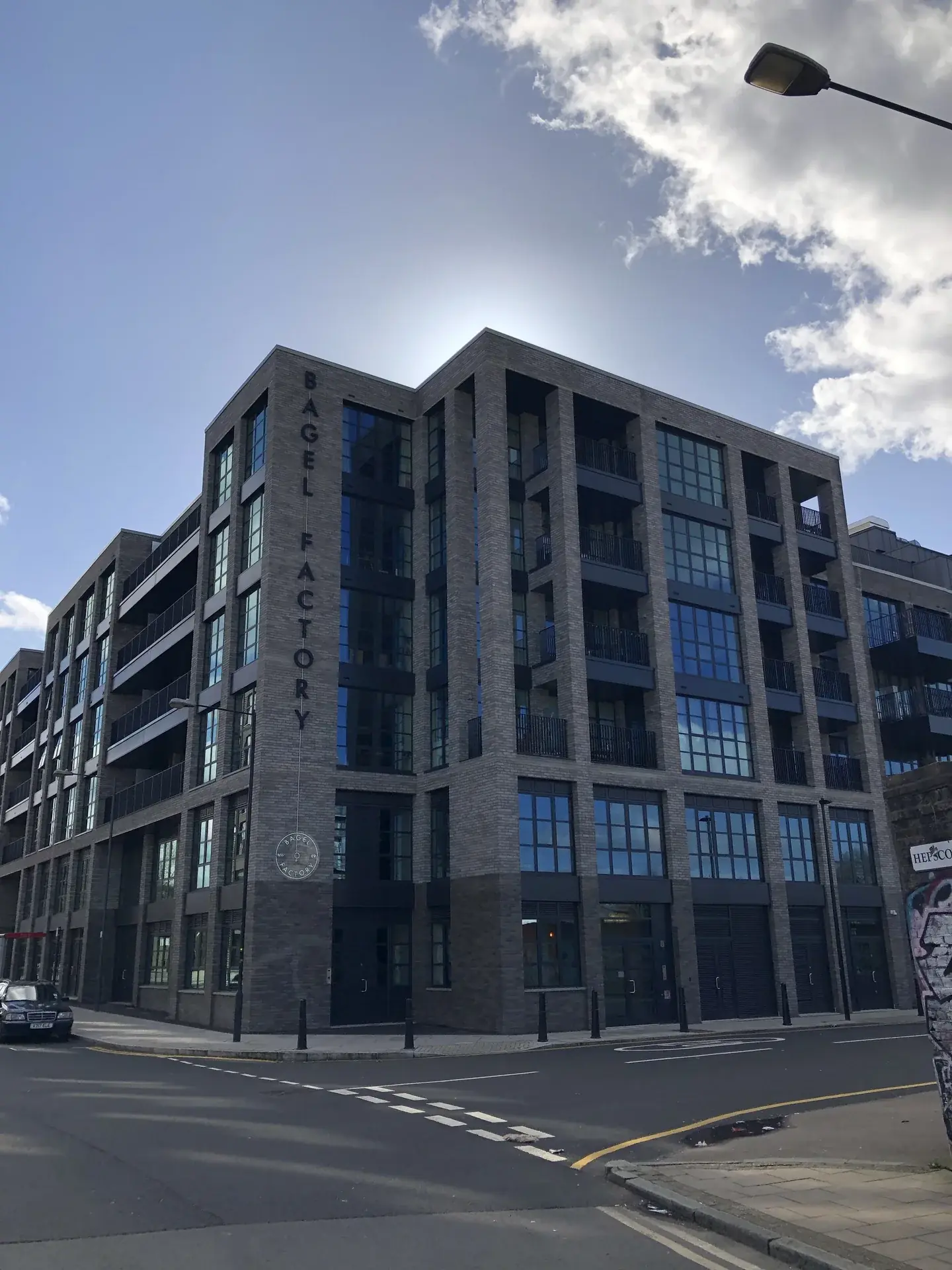
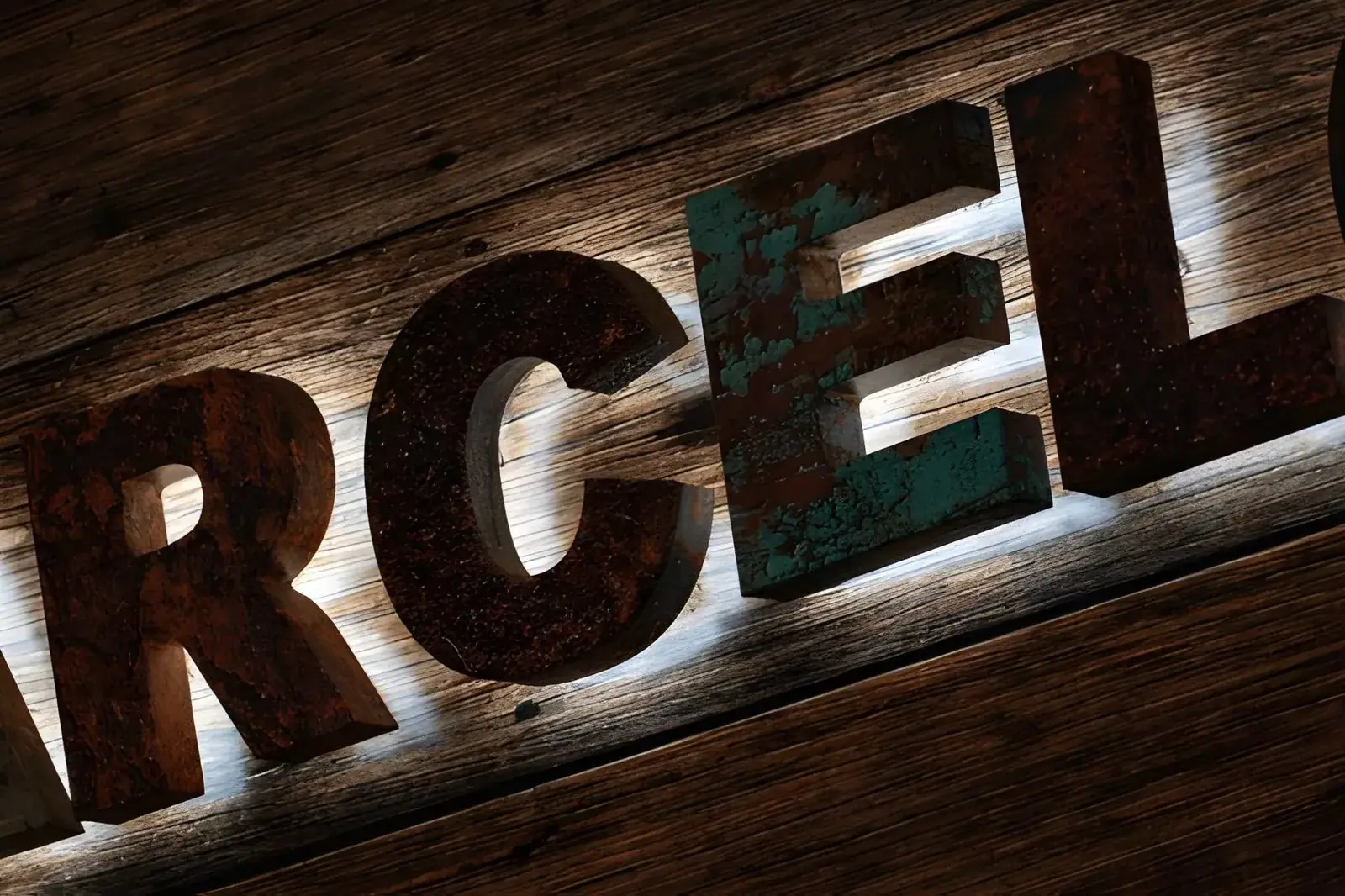
The wide strip above a shopfront is often the natural place for the main name. You could use a flat panel with printed letters, or separate raised letters attached to the wall. Raised letters are sometimes called 3D letters because they stand out from the surface and cast a small shadow. The right size depends on how wide the shop is and how far away people will be when they read it. Make sure the building’s shape and any landlord rules are considered too.
Think about how the sign will look close up as well as from the other side of the road. A colour sample held against the real wall can be more helpful than a picture on a screen. Ask what the letters or panel are made from and how to clean them. If the shopfront has a lovely old detail, place the sign so it does not cover more of the building than needed.
Help people see you along the street
A projecting sign hangs out from the wall, so people walking beside the shop may spot it before they turn to face the building. It can be useful on a row of shops where signs above doors are easy to miss. Keep the message short: a name or simple picture is often easier to notice than a long list of services. Check where it can go and how far it can stick out before choosing its size.
The bracket that holds the sign is part of what people see, so choose a shape and colour that suit the shop. Check that there is safe space for people to walk underneath. If it reaches over a public pavement, ask the council and property owner what is allowed before ordering. A sign maker can check the wall and suggest a safe fixing, but should not guess about permission to use public space.
Use window graphics for extra information
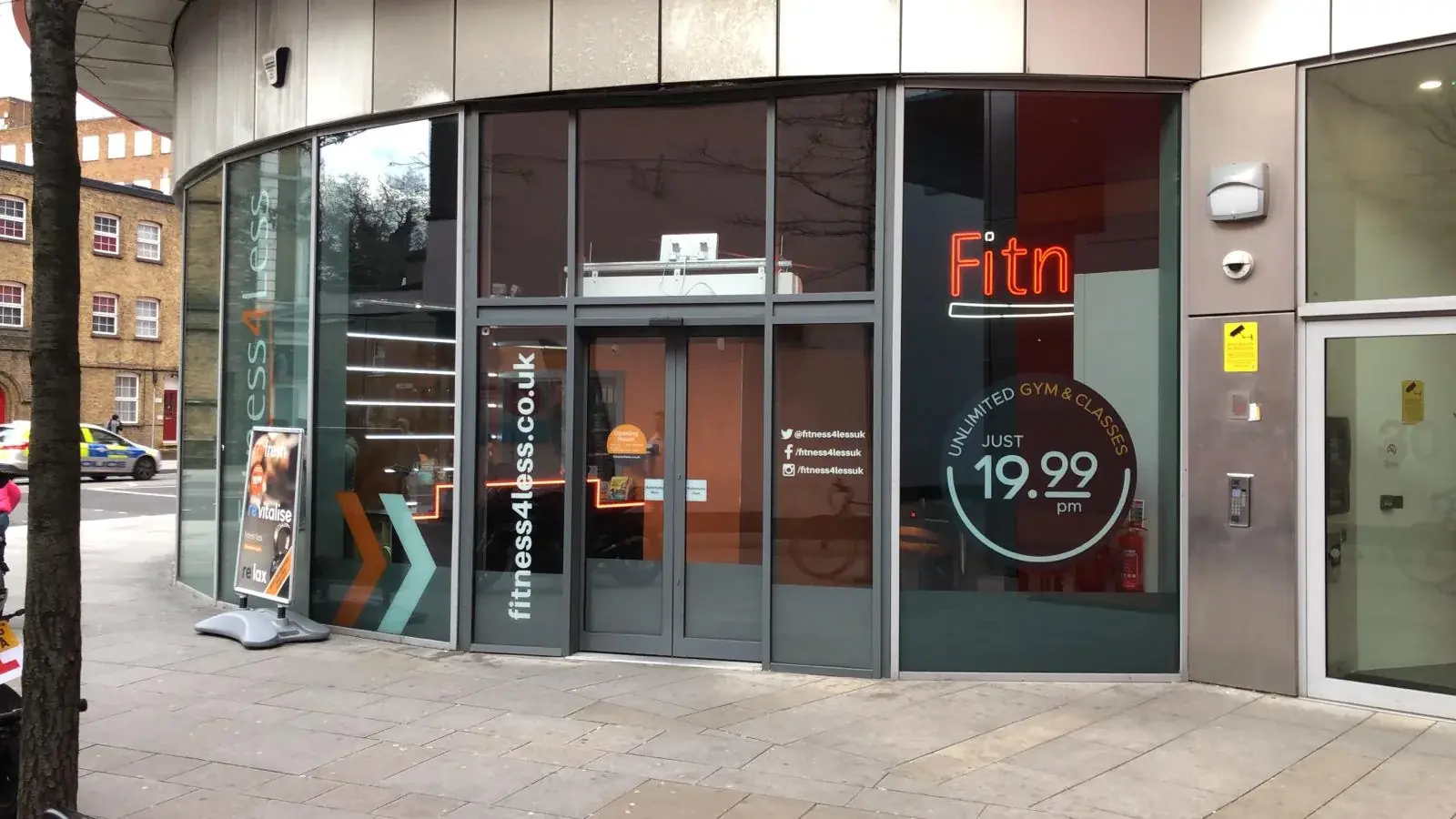
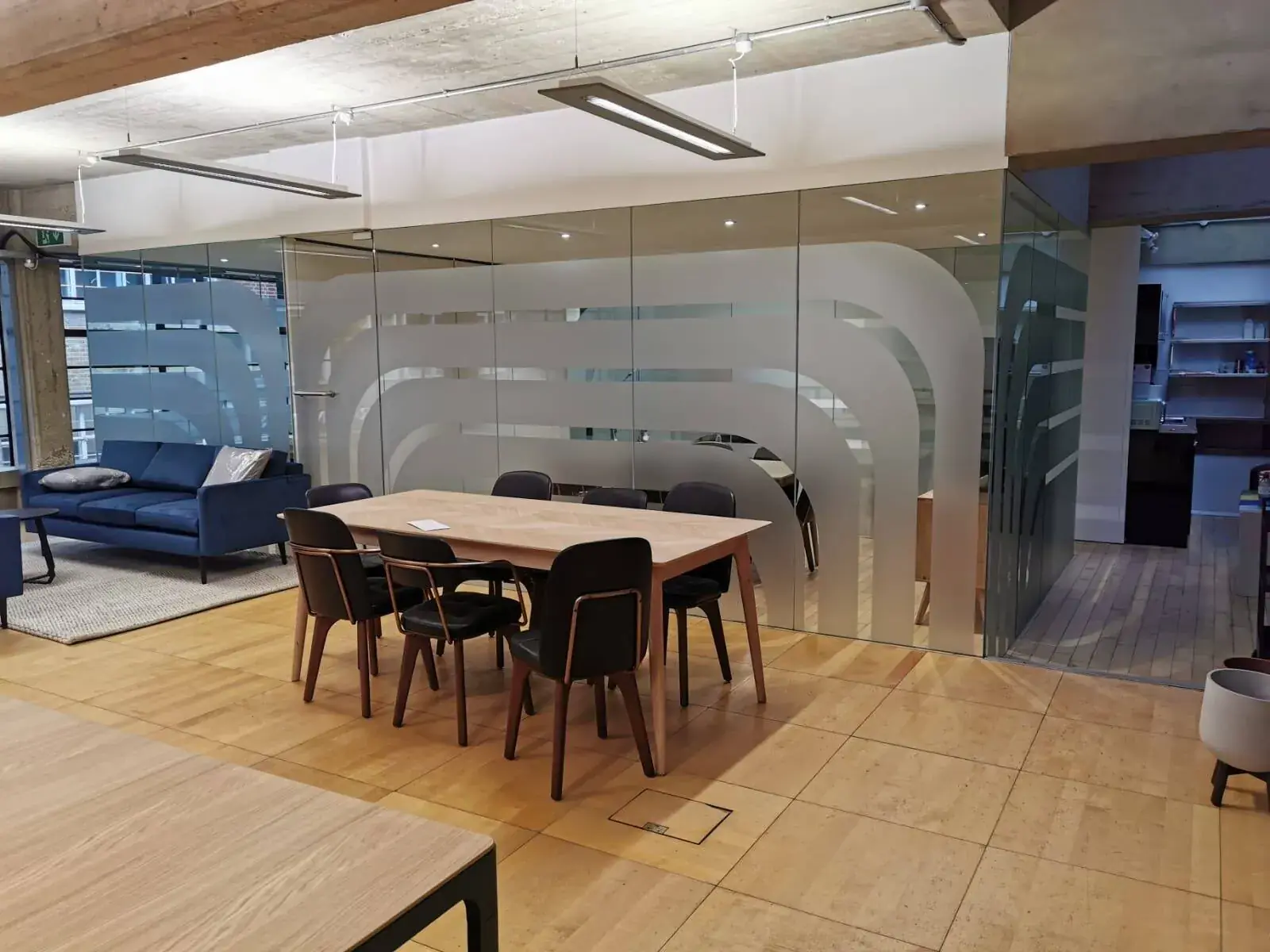
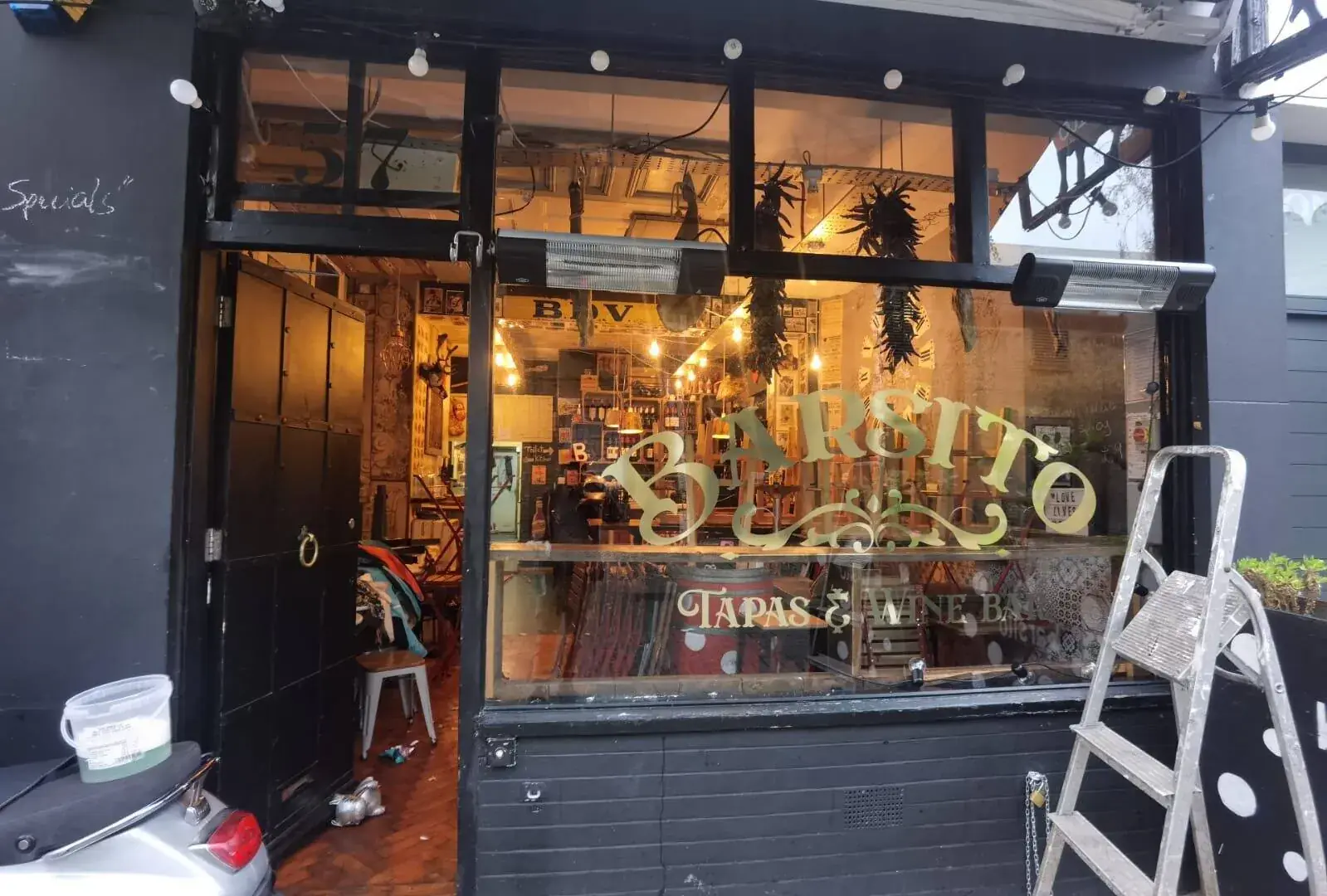
Window graphics can show your opening hours, name, special offer or services. Vinyl is a thin sticky film that can be cut into letters or printed with a picture, then put on the window glass. Frosted film makes the glass cloudy for privacy while still letting in light. Cut letters leave more of the window clear; a large printed picture gives you more room for colour and detail. Choose how much glass to cover based on what people inside need to see.
Windows are useful for changing offers, but decide how the old graphics will come off and who will replace them. Ask whether the film suits the glass and whether it can be cleaned in the usual way. Measure each window panel rather than guessing from a photo, especially if bars divide the glass into sections. Keep permanent signs, like your name and opening hours, separate from short-lived offers so customers can still find the important details.
Consider lights for evening visits
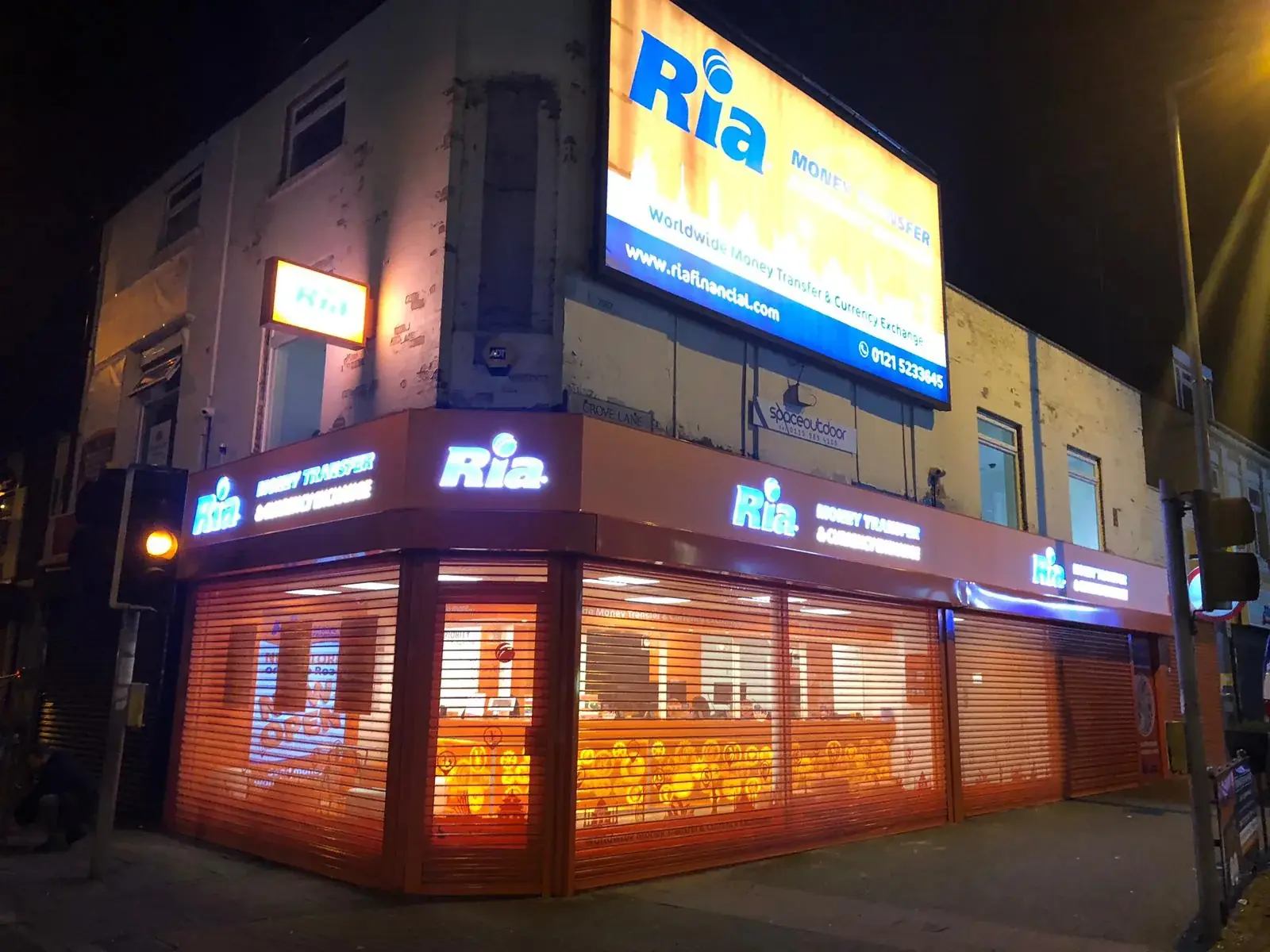
If customers come after dark, a light can help a sign stand out. Some signs have lights inside the panel; others use small lamps above the sign, or light behind raised letters to make a soft outline. Think about whether you want the whole sign to glow or just the name to show. Look at the design in daylight too, because the sign will be switched off for part of the day.
LED means light-emitting diode: a small light often used inside modern signs. Ask how bright it will be, how it will be switched off and how someone can reach it for repairs. Lights should not shine into nearby homes or dazzle people passing by. More brightness cannot fix letters that are too small or colours that blend together. Check with your landlord and council about any rules that may apply to a lit sign.
Make a sign easy to find at a large site
Some businesses sit away from the pavement, behind a gate or inside a shared courtyard. A sign at the entrance can tell people they have arrived, while a second board can show which door to use. A directory lists several businesses in one place. Put the most useful information at the top and make sure the names are easy to find. If names change often, use a design that allows one name to be updated without replacing the whole board.
Place a sign where it can be seen before a person has to choose which way to go. Check that it will not be hidden behind a parked car, hedge or open gate. For a freestanding board, ask where it can safely stand and how it will be held in place. If the site is shared, agree who will keep the names and directions up to date. A sign is only useful if visitors can see it when they need it.
Make several signs feel like one set
A shop may use a main sign, a hanging sign, window details and a small door marker. They can look like a family through shared colours, letter styles and shapes, while each one does a different job. Use larger letters for people looking from far away and save extra details for places where customers stand close. Repeating the full name and every offer on each surface can make the front look crowded.
Before making the signs, ask to see them drawn on a photo or measured picture of the actual building. Check them from the pavement, not only straight on. Confirm the size, colour, lights, fixing and who will arrange any approvals. A survey may find pipes, uneven walls or other things that are hard to see in a photo. That visit helps the sign fit the real shopfront and makes fitting day easier to plan.
Shop Front Signs London — Look at shop signs and separate lettering for business fronts.
Choose the sign that fixes the problem
The best answer may be one clear sign, not several new ones. Ask what a first-time customer cannot see: the business name, the door, the opening hours or the way into a shared site. Choose a sign that fixes that problem. Check it from the customer’s route and think about cleaning, repairs and any details that may change later. A useful sign is easy to spot, easy to understand and suited to its place.
A sign maker can help compare sizes and materials and check the fitting place. London Signage works with businesses on shop signs, letters and window graphics. To start a useful conversation, share a photo of your building, rough measurements and what people currently have trouble finding. A drawing shown against the real front can help you decide whether the idea is right before it is made. Ask how the sign will look in daylight and after dark, and what will be needed to keep it in good shape. Use those details to choose a sign that suits the place and your customers.
Talk about outdoor sign ideas — Tell us about your building and what customers need to see.
Ask for a quote for outside signs — Share photos and details about the sign you have in mind.
Frequently asked questions
What outside sign is best for a shop?
It depends on how people approach. A sign above the door shows the name from the front; a projecting sign can be seen along the street; window graphics can add details close up.
Should my sign have lights?
Lights can help when customers visit after dark, but they are not right for every building. Think about neighbours, brightness, opening times and any rules that apply.
Can I put a sign out over the pavement?
Do not assume you can. Ask the property owner and council about the sign, the space below it and any permissions before you order.
How many signs does my business need?
Use only the signs that help people spot you, find the door or get useful information. Give each sign a clear job and avoid crowding the shopfront.