Office Signs
Office Signs That Help People Find Their Way
Plan clear signs for your office, from reception and meeting rooms to glass walls, shared areas and routes visitors use every day.
Office signs help people understand where they are and where to go next. A visitor may need to find reception, wait for a meeting or locate a shared room. Staff may need signs for kitchens, lifts and quiet areas. Signs should make these everyday trips easier without filling every wall with words. London offices can have shared entrances, glass walls and several businesses on one floor, which can make a first visit confusing. This guide is for the people who look after offices and want to plan clear signs. Start by walking the routes visitors take. Then decide what information belongs at each point and how the signs can stay useful when rooms or teams change.
Walk the routes visitors and staff use
Begin at the building entrance and walk to reception, meeting rooms and visitor facilities. Mark each place where a person must choose which way to go or check a door. Include shared areas that staff know well but visitors may not. Ask the reception team what people ask most often. A simple floor plan with arrows can help show the main route and the points where people may need help.
Give information a step at a time. At the entrance, show which business or reception to look for. At a corridor turn, point to the next place. At the room, confirm its name or number. Use the same names on signs, meeting invitations and room booking screens. If one place has two different names, a visitor may not know they have found the right room. Keep each message short enough to take in while walking.
Make reception easy to spot
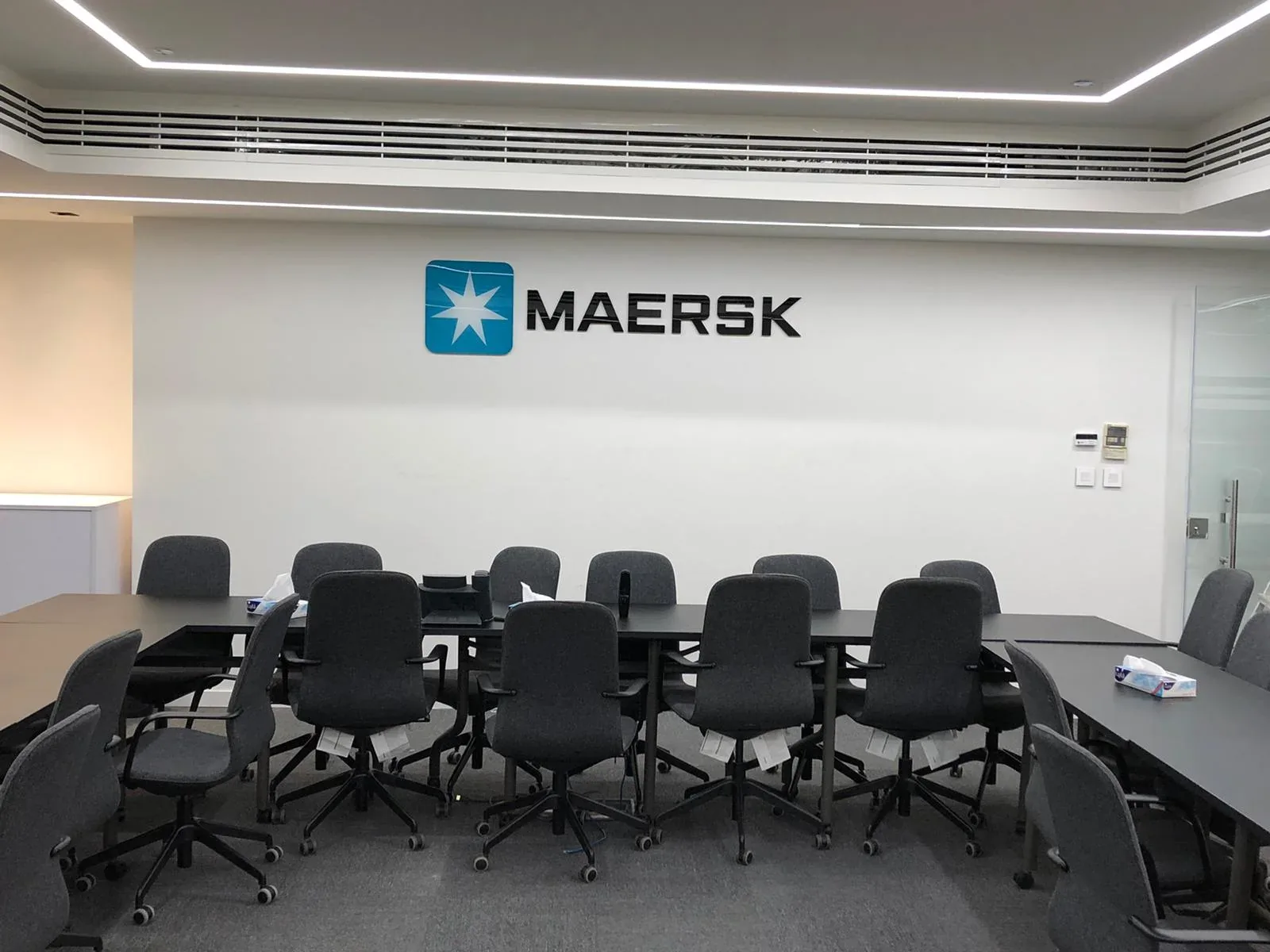
Reception is often the first place a visitor looks once inside. A wall sign, raised letters or a simple panel can show where to check in. Think about the view from the entrance and where people naturally stop. Make sure a desk, plant or light fitting will not hide the name. If the building has shared reception, check how each business should be listed and whether the building already has a directory.
Keep the business name separate from instructions such as “Please check in” or “Wait here”. Visitors need both messages, but they do different jobs. Check how the sign looks under the room’s lights and whether shiny surfaces make the letters harder to see. Ask to see a picture of the sign on the actual wall. If the office is still being built or painted, agree who will check the wall size and colour before the sign is made.
Put clear directions at the right places
Choose simple names for rooms and use the same arrows and colours across the office. Put a direction sign before a turn or right where a visitor must choose. An arrow should sit close to the place it points to. Avoid packing too many destinations onto one sign. In a building with several floors, show the floor number near lifts and stairs so people can check where they are.
Try the route with someone who does not know the building. Ask them to find a meeting room and watch where they stop or look around. That can show where an arrow is missing or a doorway is easy to miss. Think about doors left open, people waiting in the hall or furniture that moves. Signs should match the route people can really use, not just the route on a drawing.
Commercial Signage London — Explore signs that help people find places inside a building.
Name rooms and shared spaces clearly
Decide whether rooms need names, numbers or both. Use the same naming plan on the door and in any directory. Put the sign where someone can see it while walking towards the room, not behind a door handle. A list at reception should only include places visitors may need. A clear name can help staff too, especially when they are booking rooms or directing a visitor.
Some rooms change use or need a sign that can be updated. Ask who will change the wording and how they will do it. A small changeable strip may be more useful than making a new sign each time. Use words and symbols people understand, and do not rely on colour by itself to explain whether a room is private or shared. If the office has access rules to follow, check them with the person responsible for the building.
Make glass walls easier to see
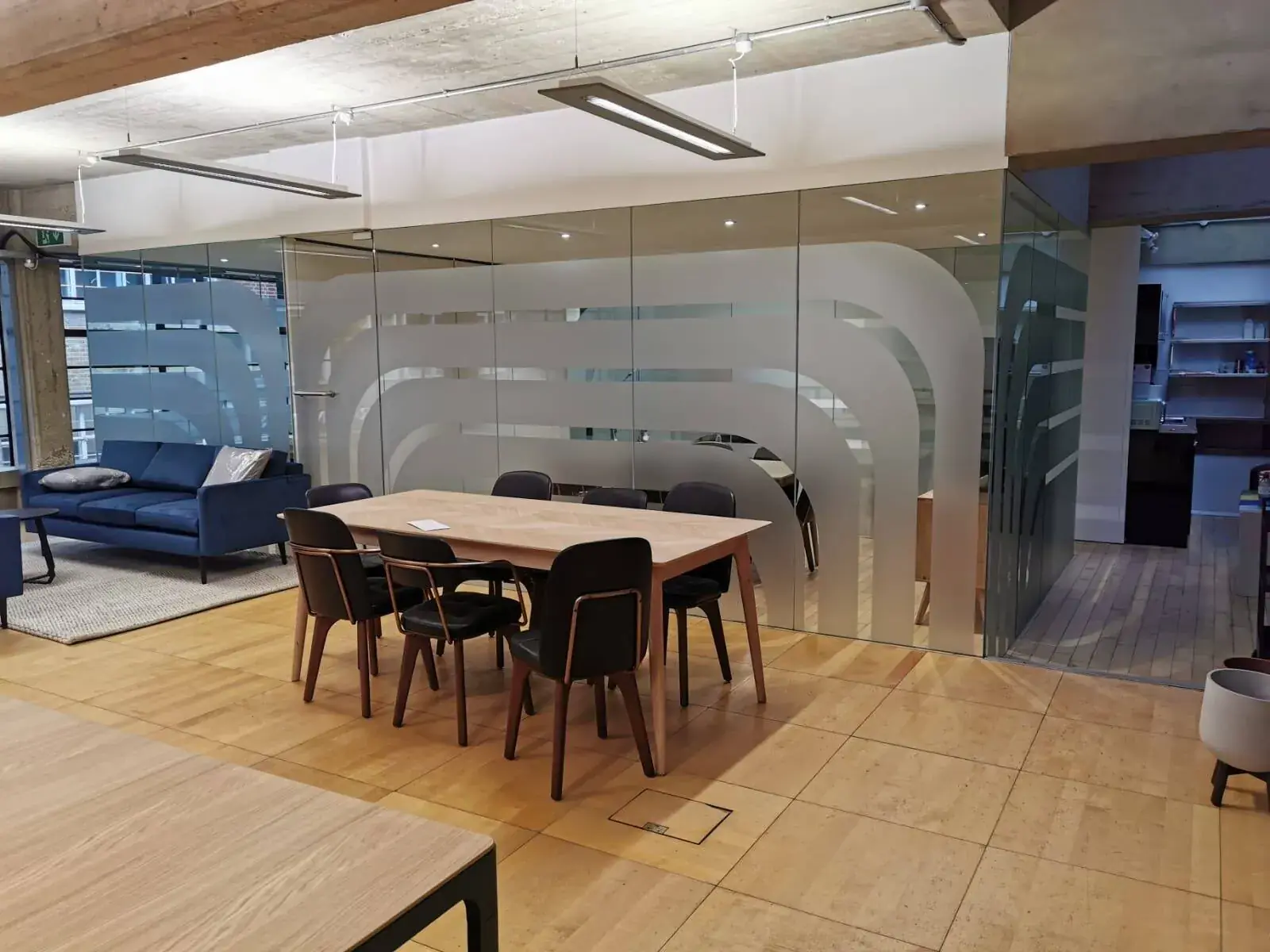
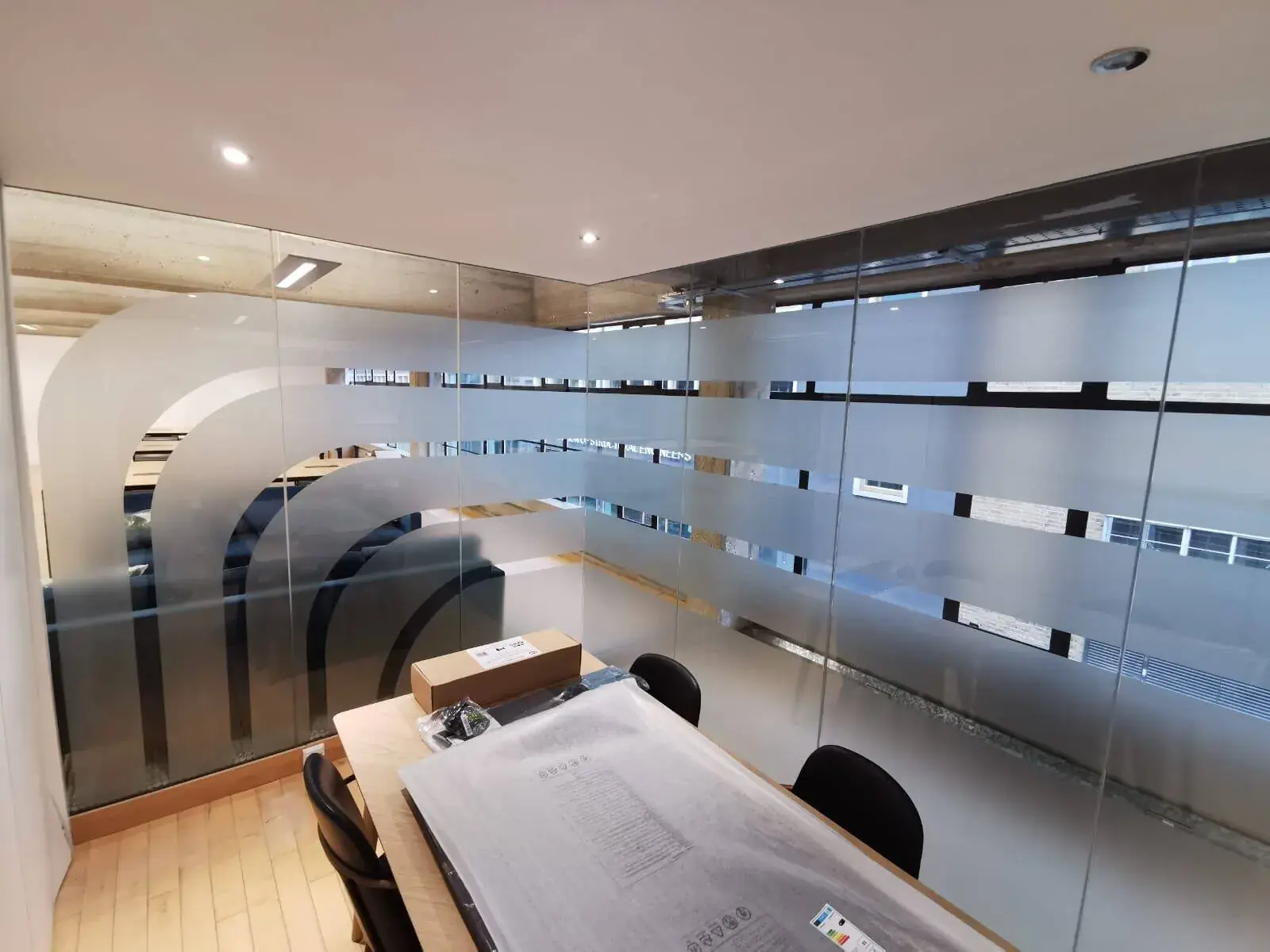
Clear glass walls can be hard to notice, especially when someone is looking at a person on the other side. Window film or simple shapes on the glass can help people see it and can give a meeting room more privacy. Frosted film looks cloudy and lets light through, while cut shapes or printed designs can add a different look. Think about how much privacy each room needs. A meeting room may need more cover than a shared space where people want to see in.
Look at the glass from both directions and from sitting and standing height. If there are several glass panels, plan the shapes so they line up across the joins. Ask which side the film goes on and how to clean it. Some glass has a special surface, so check with the building team before applying anything. A sample on the real glass can help you see how the pattern and light feel across a larger area.
Choose signs that fit the office
Office signs can use printed panels, metal, acrylic, wall graphics or cut vinyl, a thin coloured film that sticks to a surface. Raised letters can give a reception wall depth. A printed directory can hold a longer list of names. Choose what suits the room, how far away people will stand and how the sign will be cleaned. Ask to see a sample if the colour or shine matters. Check it under the office lights, not only on a computer screen.
Plan fitting so it does not cause more trouble than needed. Ask whether the wall needs to be prepared and how furniture or painted surfaces will be protected. If people are working in the office, agree when the team can install the signs and how they will keep routes open. Find out who will provide access and receive the delivery. A short plan helps staff know what to expect and lets the fitting team do the work safely.
Keep signs useful when the office changes
Teams move, room names change and offices add new spaces. Keep the business name sign separate from details likely to change, such as room names or a directory list. Save a list of sign locations and the final wording. When the floor plan changes, remove arrows that no longer make sense. Adding a new sign beside an old one can send people the wrong way.
Before the project is finished, walk through the office and check each sign. Make sure names match the room list, arrows point along the real route and glass marks can be seen from both sides. Tell staff who to contact if a sign is damaged or gives the wrong information. For a new office sign plan, collect a floor plan, photos, room names and any logo guidance. London Signage can help discuss reception signs, directions, room names and glass film. You can ask a question or send the details for a quote. Start with the places where visitors need help, then choose signs that will still make sense as your office changes.
Talk about office signs — Discuss visitor routes and the signs your workplace may need.
Ask for an office sign quote — Share a floor plan, photos and details of the project.
Frequently asked questions
Which signs might an office need?
Many offices use a reception sign, room names, a directory, signs with directions and signs for shared areas. Walk the visitor route to see what your workplace needs.
Why put marks on clear office glass?
Simple film or shapes help people notice the glass and can give a room more privacy. Choose a pattern that suits the room and still lets in the amount of light you want.
How can I make office directions clearer?
Use the same room names and arrows, put signs before turns and keep each message short. Ask someone new to the building to try the route.
Can office signs change when rooms change?
Yes. Ask about replaceable labels or directory parts for details that may change. Keep a list of sign locations and the approved words for future updates.