Lit Signs
LED Signs in London: A Guide for Businesses
Learn what LED signs are, compare light boxes and glowing letters, and plan the design, fitting and care for a sign that uses lights.
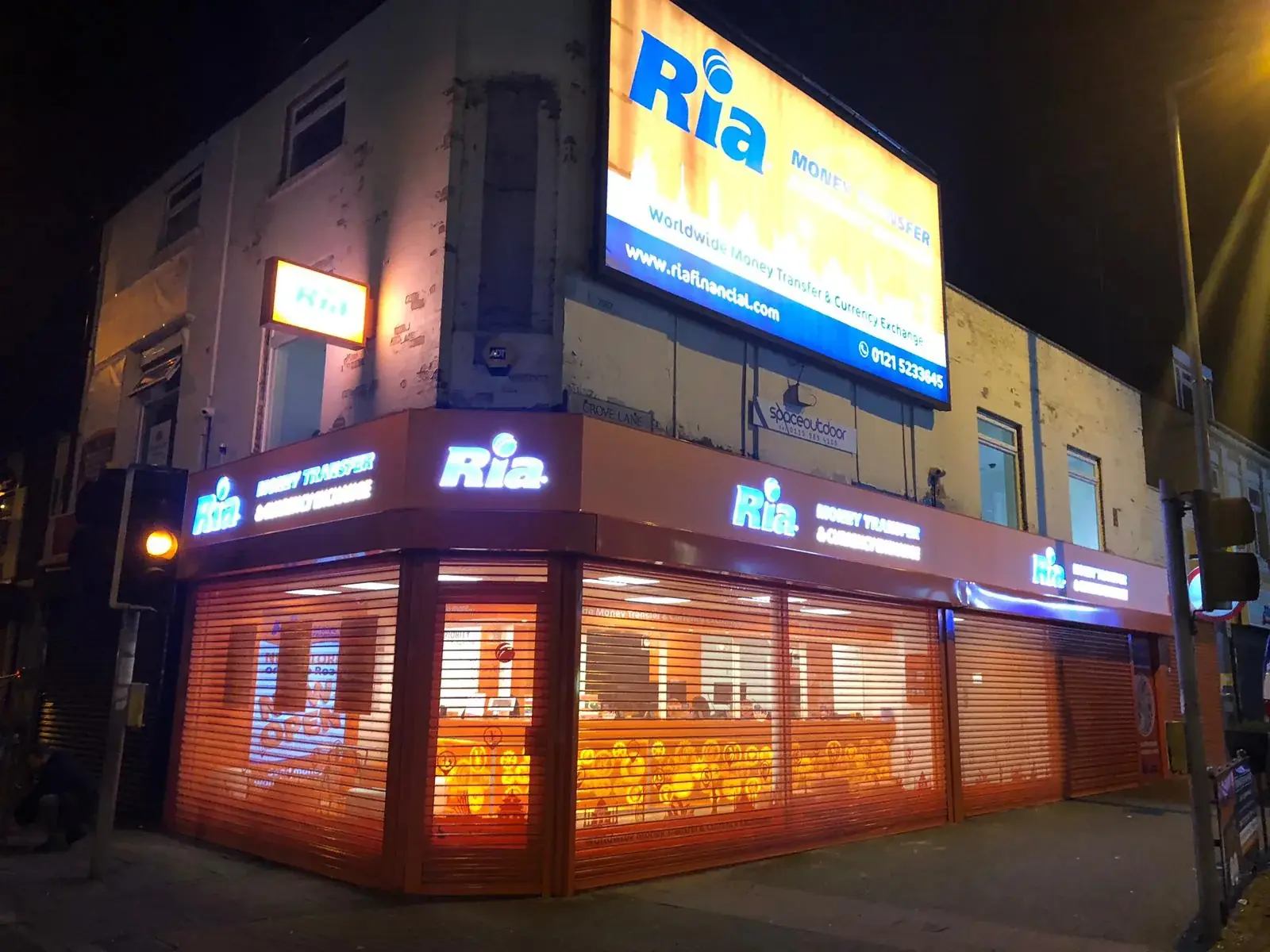
LED signs use small lights to make a sign glow. The phrase can mean a flat light box, a sign with separate glowing letters or even a screen that shows changing messages. Those are not the same thing. Before you ask for an LED sign, think about what you want the light to do: show your name after dark, help people find a doorway or display changing information. This guide explains the main choices and the questions worth asking. You can then speak with a sign maker about your building, opening hours and the way customers find you. A few clear choices can save time when you plan the job.
Be clear about what you mean by an LED sign
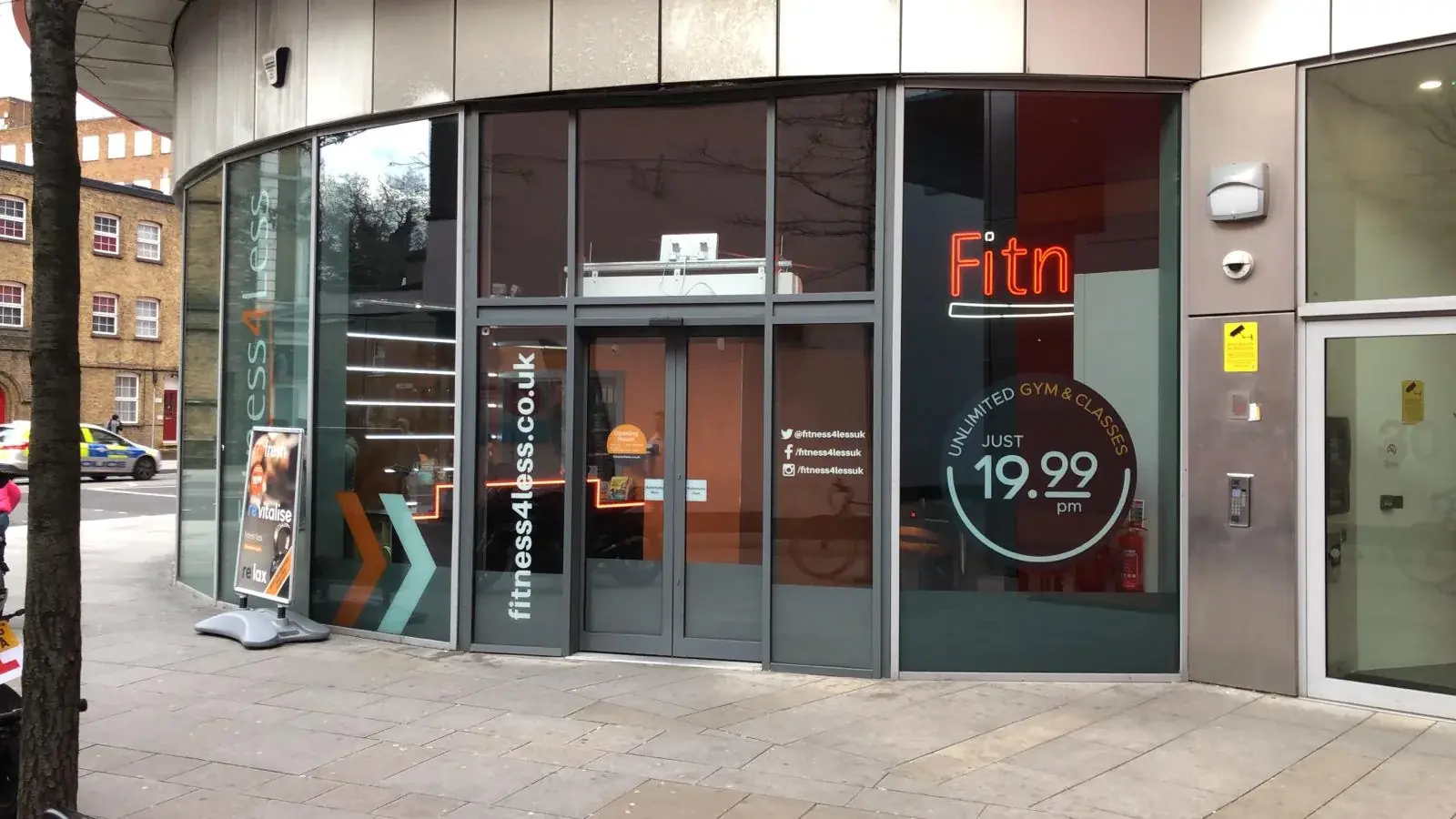
LED stands for “light-emitting diode”. It is a small light that can be placed inside a sign. A light box uses many of these lights behind a flat face, so the face glows. Separate letters can have lights inside them, with the light coming through the front or shining onto the wall behind. Each can show a name, but they look different on the building and may be cared for in different ways. The right choice depends on your customers, opening hours and building.
Some people use “LED sign” to mean an electronic screen that shows changing words or pictures. That is different from a sign with a fixed name and built-in lights. If you need messages to change during the day, explain that from the start. A screen needs a way to update the content and may need someone to look after those changes. A fixed sign is simpler when the name and message will stay the same.
Match the sign shape to your building
A wide shop front may have room for separate letters across the wall. A small doorway may need a compact sign that shows the name clearly. A light box gives the message a lit background, while separate letters leave more of the wall visible. A soft glow behind the letters can work well if the wall is plain enough to show it. None of these choices is automatically best. Look at the full building and decide what people should notice first.
Ask to see a picture of the sign placed on a photo of your building. Look at it during the day and at night. Check whether the sign is too large, whether the letters are easy to read and whether light reflects off nearby windows. A close-up picture of a sign cannot tell you how it will look from across the road. If possible, view the proposed size from the same place your customers will stand.

Ask how the light will look
A good sign should not have dark patches or light that is so strong it hides the letters. Ask the sign maker how the light will spread across the face and whether a sample is available. If the colour of your name matters, check how the colour looks both with the lights on and off. A colour on a computer screen may not look exactly the same on a real sign.
The sign is more than its lights. The face, letters, wall behind them, power parts and way the sign opens for repairs all affect how it looks and works. Ask where a repair person can reach the parts and whether one faulty light can be changed on its own. It is useful to know this before the sign is made, especially if it will be high up or hard to reach.
Plan the power and fitting early
A lit sign needs a safe connection to power and a tidy route for its cable. Ask who will make the electrical connection, where the cable will go and where the parts that control the lights will be placed. A visit to your site can help check the wall, the space around the sign and how an installer can reach the right place. Make these plans before the sign is built.
Think about fitting day as well. A busy street, limited unloading space or shared entrance may affect when the work can happen. Ask who will arrange access, whether the building manager has rules and what needs to be ready. If the sign sits high above the pavement, the trained fitting team will need to plan the right equipment. Do not try to fit a large or wired sign yourself.
Ask your landlord or building manager whether they need to approve the sign. Some sites may need other permission too, depending on the sign and location. There is no one rule for every building, so check the real site before ordering. If someone needs a drawing or other details to decide, allow time to send them before setting a fitting date.
Compare what each offer includes
A useful quote should say what size and type of sign is offered, what it is made from, how the lights work and who will fit it. Check whether it includes a site visit, drawings, electrical work and any equipment needed to reach the sign. Ask what is left out and what the sign maker still needs to find out. Two quotes are hard to compare if one includes fitting and the other does not.
Send photos, an estimate of the size, your logo and the words you want on the sign. Explain when customers need to see it and whether there is power nearby. Check every letter, colour and number on the final drawing. Ask how to clean the sign, who to contact if the lights stop working and what information to keep for later repairs. Clear answers help you understand what you are agreeing to.
Decide whether LED is right for you
LED lights may suit a business that wants its name to remain clear after dark, or an entrance that is hard to find in shadow. They may not be needed for a business that closes early and has a sign people can already see. A lit sign should make the name easier to notice, not just brighter. Choose words that are easy to read, leave enough space around them and keep small details off a sign meant to be seen from far away.
Before deciding, compare the sign on your own building in daylight and at night. Ask what it will take to connect the power, fit it and look after it. Think about your opening hours and how often the lights will be used. A sign maker should be able to explain the choices in plain words. If the reason for the light is clear and the plan works for your site, you can make a more confident choice.
Illuminated Signs London — Explore sign choices that use light to show a business name.
An LED sign is not one single kind of sign. It may be a light box, letters with lights inside or a screen that changes its message. Start by deciding what customers need to see, then match the sign to your building and the hours when it must work. Ask about the light, power, fitting, repairs and what the quote covers. Bring photos and your logo to the conversation. A clear plan helps you choose a sign that works in real life, not just one that looks bright in a picture. A good choice should help people find you and be easy for your team to look after.
Talk to London Signage — Discuss your building, opening times and the sign you have in mind.
Ask for an LED sign quote — Send photos, size details and the words for your sign.
Common questions about LED signs
Frequently asked questions
What kinds of LED signs can I choose?
Common choices include a light box, separate letters with lights inside and signs where light glows behind the letters. An electronic screen that changes its message is a different kind of sign.
Can an LED sign go outside?
Some are made for outside use, but the sign needs to suit the weather and the building. Tell the sign maker where it will go so they can check.
Can a broken LED sign be repaired?
Often parts can be checked or changed, but it depends on how the sign is made and what has gone wrong. Ask how repairs work before ordering.
What details do I need for a quote?
Share your address, photos, the size you have in mind, your logo, the words on the sign, opening hours and any known building or power rules.