Shop Signs
Make Your Business Easier to Spot
Help customers notice your business, understand what you offer and find your door with clear signs planned for your street.
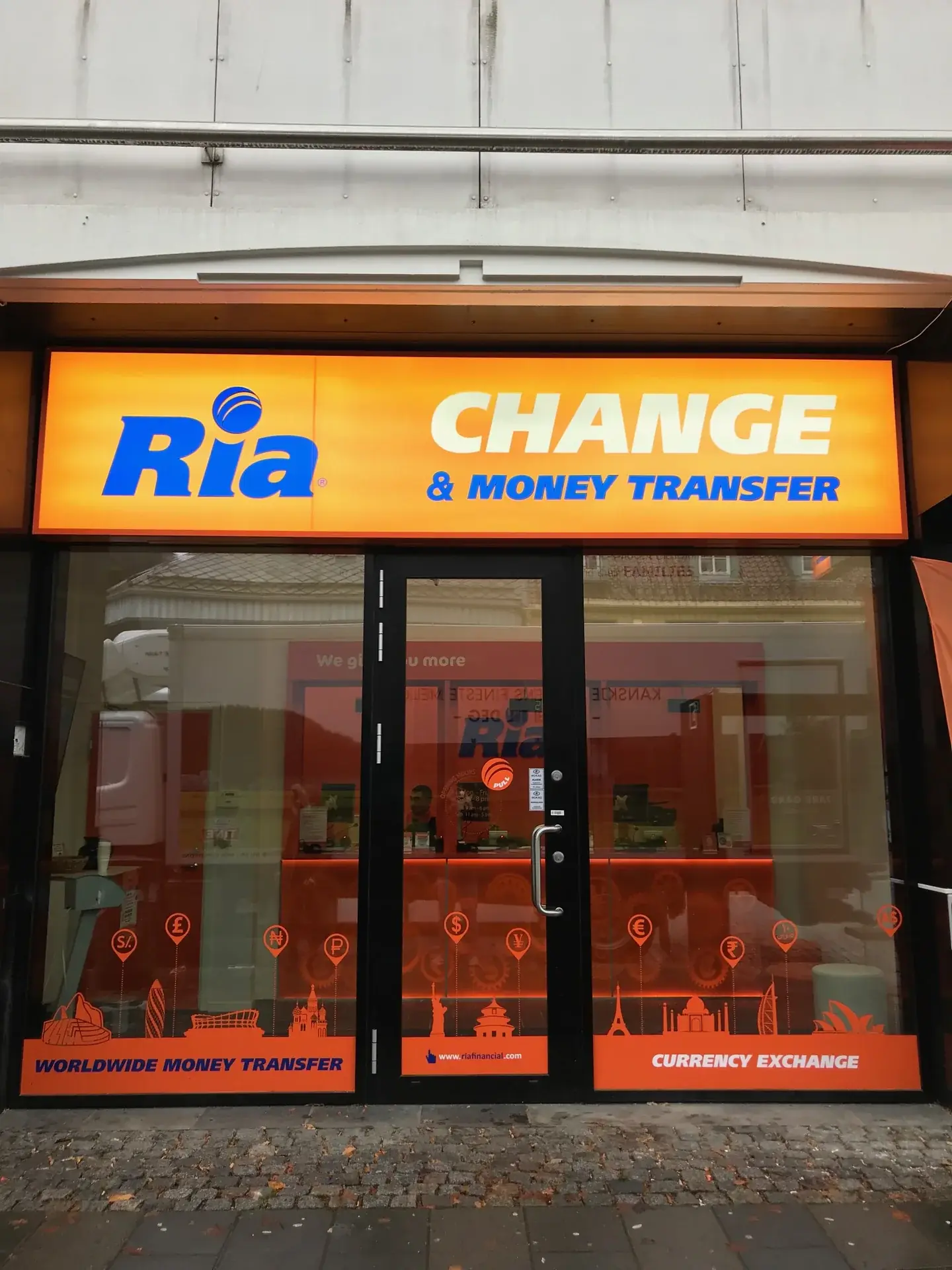
You may have a great shop, a helpful team and something people want to buy, yet passers-by can still walk past without noticing you. A clear sign can help, but the answer is not always to make it bigger. People need to see it from the places they actually come from, read the main words quickly and spot the door. London streets can be busy, with buses, parked cars, trees and other signs all asking for attention. This guide is for shop and business owners who want their place to be easier to find. Take a short walk as a new customer would, notice what is hard to see, then use that evidence to plan a sign that helps.
Look at your shop from the street
Start by standing across the road, then walk towards the entrance from both directions. Look at the building from the places where people slow down or need to choose where to go. Can you see the business name before reaching the door? Is a tree, bus stop, parked van or neighbouring shop sign in the way? A sign hidden behind an open door or a tall display may work only for people already outside it. Take a few photos from these spots. They show what a customer sees, not what you see while standing inside your own shop.
Think about the people you want to reach. Someone on foot can take a few seconds to read a message. A driver has much less time and should not be asked to read a long list. If customers approach from a side street, a sign that sticks out from the wall may be easier to see than a sign that faces straight across the road. Check where your entrance sits and whether it looks like the public door. These simple checks can point to a real problem before you spend time on new artwork.
Keep the main message easy to read
Put the business name first. Add one short clue about what you do only if people may not know from the name. Opening times, a phone number and special offers can go on a door or window where people can stop and read them. When every detail gets the same space and size, nothing stands out. Try reading the sign while walking past. If you cannot catch the important words in a glance, shorten the message or make the words clearer.
Letters need enough room around them, and their colour should stand apart from the background. Dark letters on a light background, or light letters on a dark one, are often easier to see than two similar shades. Fancy lettering may suit a logo, but use simple letters for details such as opening hours. Avoid putting words over a busy photo. Ask someone who does not know your business to look at a draft from across the room or pavement. Their first answer can show whether the message is doing its job.
Give each part of the shopfront one job
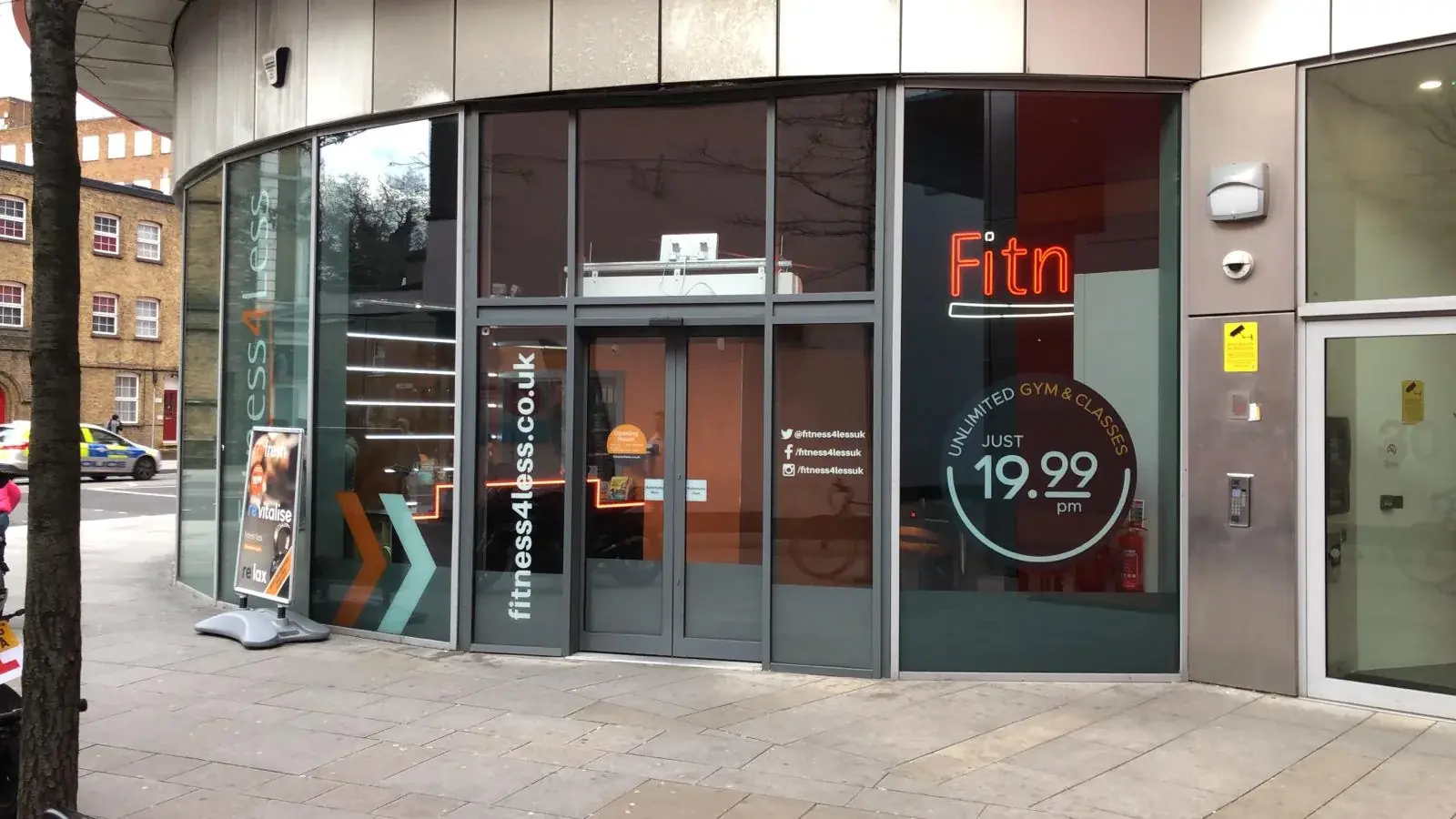
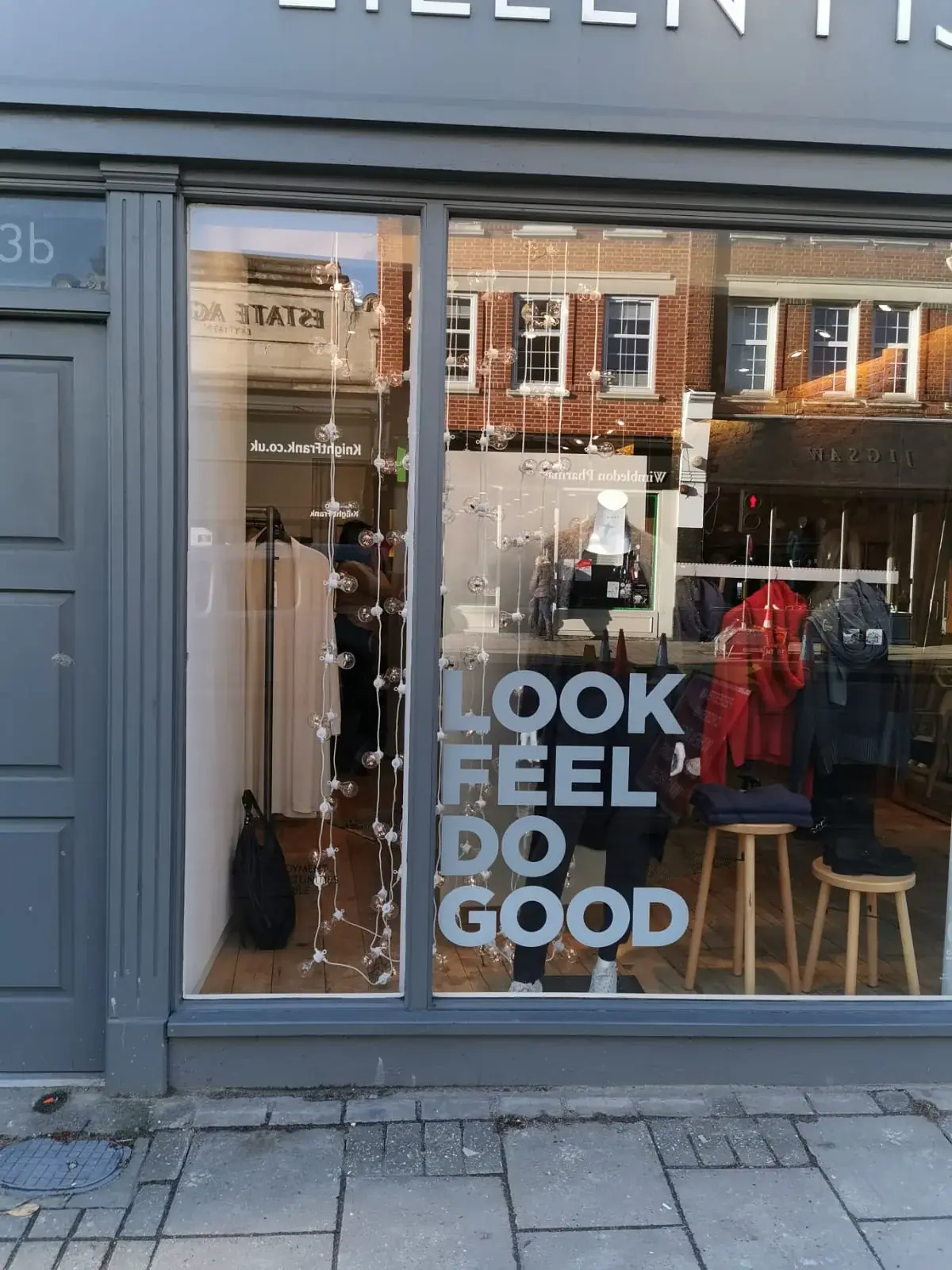
A shopfront can use a sign above the door, a smaller sign at right angles to the wall, window lettering and a notice on the door. Each part can help in a different way. The sign above the door tells people the name from across the street. A sign that sticks out can help people walking along the pavement spot the shop. Window lettering can share an offer, while a door notice can show opening hours or point out the entrance.
Try not to put the same long message on every surface. Too many words make the whole front look busy and can hide the name. Choose a small set of colours and use the same logo and letter style across the signs. Leave enough open space on the windows so people can see inside, especially if seeing the shop helps them feel welcome. For a business with more than one location, keep the main look the same but make sure each sign fits its own building and doorway.
Decide whether lighting will help
If customers visit after dark, lighting may help them spot the business. If you close before evening, a clear sign in daylight may matter more. Go outside at the times you are open and look from the pavement. Are the letters bright enough to see? Do reflections from nearby lights or windows make them hard to read? A bright sign is not always a clear one. Light that is too strong can make words shine out or blur together.
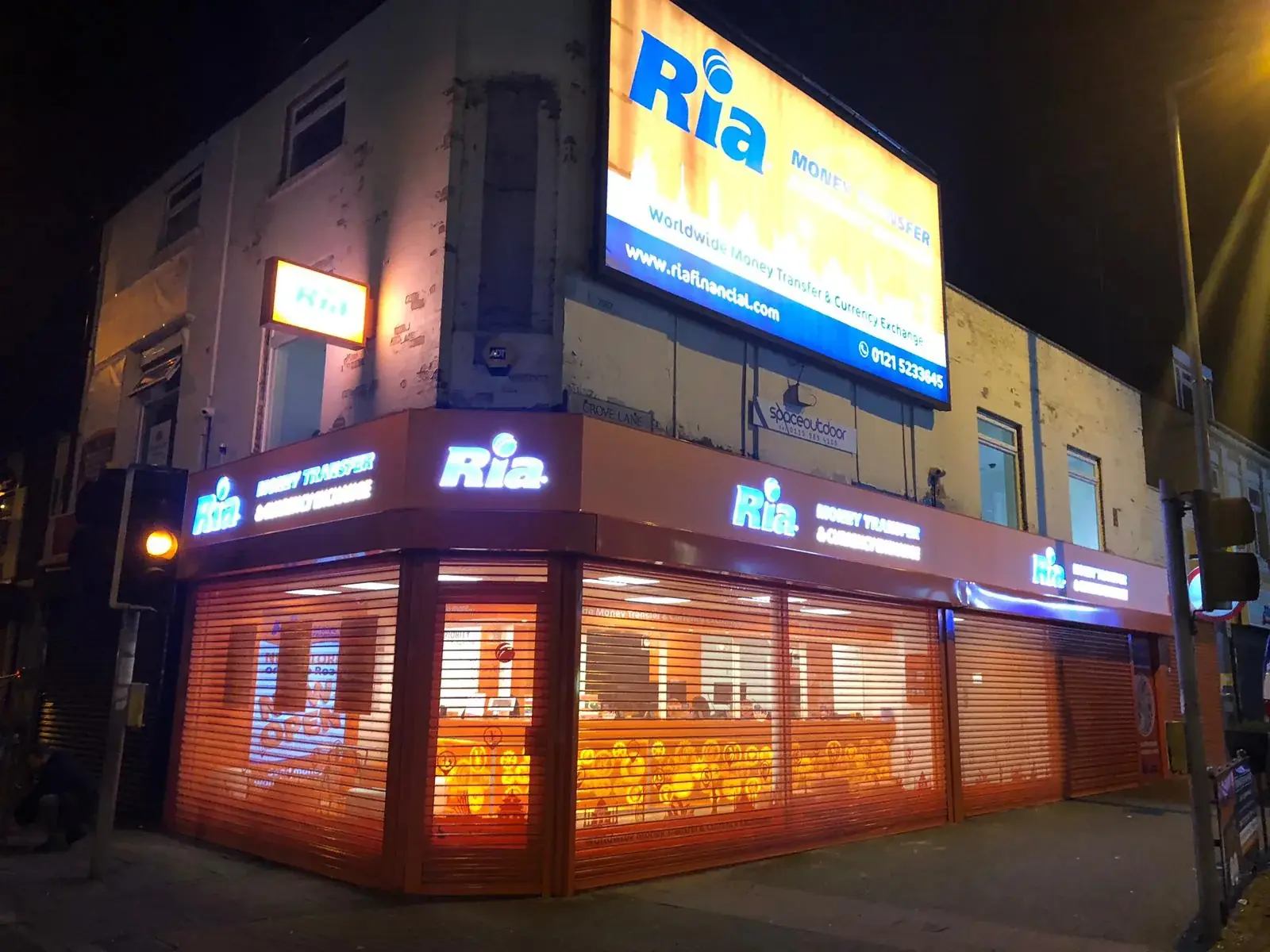
Some signs light up across the whole panel. Others light only the letters, and some use a lamp above or below the sign. Ask to see how the sign may look in daylight and at night, not just on a computer picture. Think about where the power will come from and how someone will reach the lights if they need care. The light should help people notice the name without making it hard to look at the shop or the street.

Use signs to help people find the right place
A sign should do more than get attention. It can help a first-time visitor find the entrance, reception desk or right room. If people often ask where to go, note the exact place where they become unsure. A small arrow or a clear room name at that spot may help more than another sign at the front door. Inside a larger building, repeat directions where people must make a choice. Use the same words each time so visitors do not have to guess whether two names mean the same place.
Ask new customers how they found you. You do not need a big survey; a quick question at the till or reception can tell you whether the name was visible and whether the entrance was clear. If people often walk to the wrong door, fix that problem first. If they can find you but do not know what you offer, change the short message. Check again after the change. Simple feedback from real visitors is more useful than guessing what might catch someone’s eye.
Plan the sign before it is made
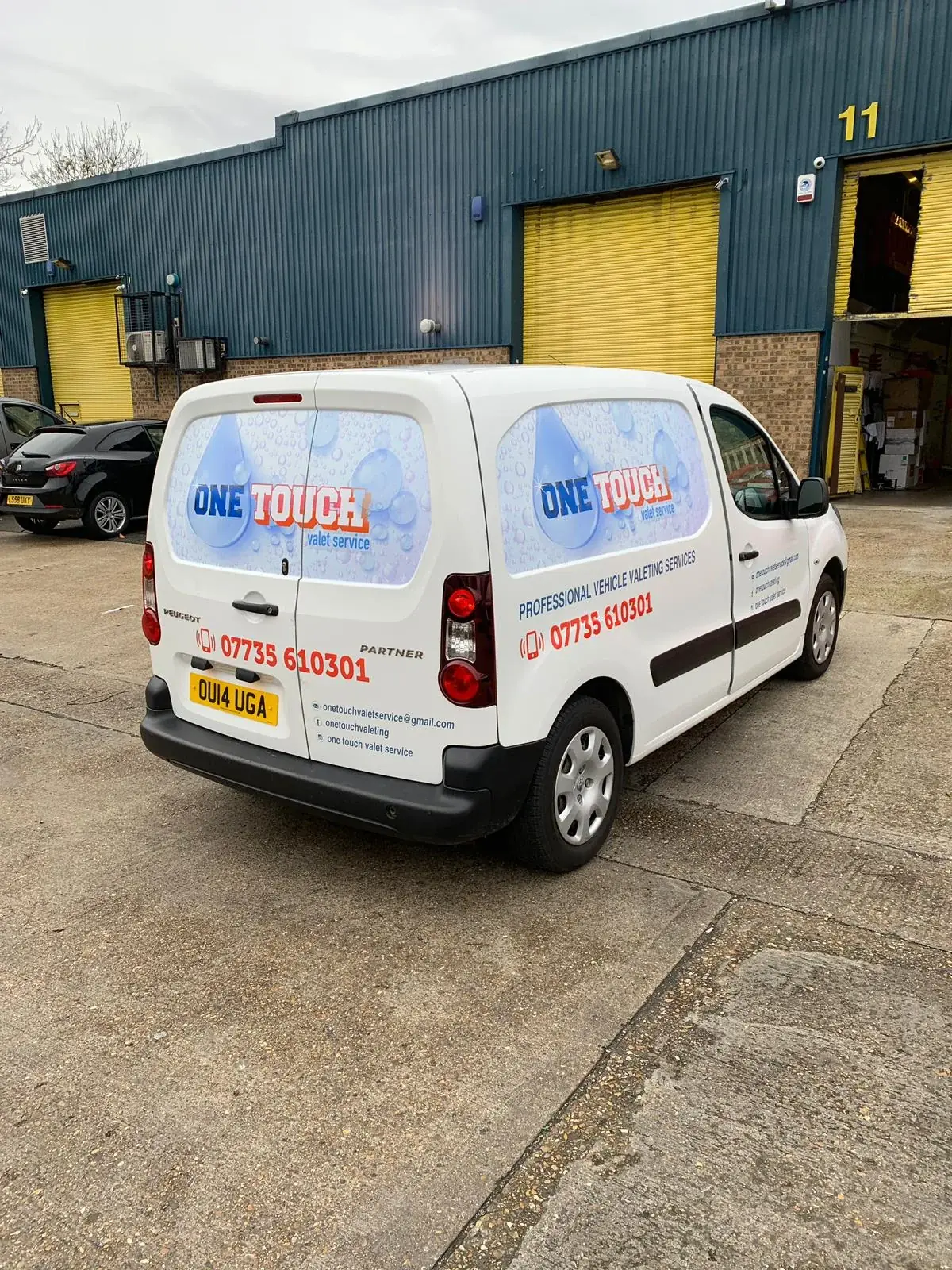
Before speaking with a sign maker, gather photos of the shop from the street, rough measurements, your opening hours and the words you most want people to notice. Bring a clear copy of your logo if you have one. Explain where customers come from and what they sometimes miss. Mention any limits you know about, such as a landlord’s rules, a narrow pavement or a lack of power near the sign. The more clearly you explain the problem, the easier it is to discuss useful choices.
Ask to see a drawing that shows the sign on your actual building and at a believable size. Check the spelling, colours, position and how the sign will be fixed to the wall. Ask how it can be cleaned and what happens if a light or part needs attention later. If an old sign will be removed, ask who will do that and whether the wall needs work afterwards. Agree who is handling each step before work begins. Clear answers help prevent surprises on fitting day.
Commercial Signage London — Look at sign choices that can be planned around your building and message.
Talk about your shopfront — Share what customers find hard to see or find.
Ask for a sign quote — Send photos and a short description of your sign project.
Conclusion: make the next step clear
A helpful sign makes it easy to notice your business, understand its name and find the right door. Begin with a walk along the routes customers take. Then decide which words matter most, where people need to see them and whether light will help during your opening hours. Give each part of the shopfront a clear job, and ask customers what still confuses them after the signs go up. London Signage can discuss sign designs and fitting plans with business owners. Bring photos, measurements and your main message to start. You do not need to solve every problem at once. A clear name, a visible entrance and one useful direction can make a real difference to a first-time visit.
Frequently asked questions
Which sign helps a shop get noticed?
That depends on the street. A sign above the door helps people across the road, while one that sticks out from the wall may be easier to see along a narrow pavement. Check the view from the way customers arrive.
Does a lighted sign always make a shop easier to see?
No. Light can help after dark, but glare or reflections can make words harder to read. Look at the sign from the pavement at the time customers need to see it.
How can I tell if my signs are clear?
Ask someone new to your business to find the entrance and explain what you offer. If they hesitate or ask the same question as your customers, that is a good place to make a change.
Can one sign work for people walking and driving?
It can show the business name to both, but drivers have less time to read. Keep the message short and put extra details where people can safely stop and look.