Business Signs
Why Clear Business Signs Matter
See how useful business signs help customers recognise your place, find the right entrance and feel sure about where to go next.

A useful business sign does more than show a name. It helps people spot the right building, find the door and know what to do when they come inside. Think of a customer visiting for the first time. They may be looking for your sign from across the road, then checking which entrance to use. If the name is hard to see or the next step is not clear, they may feel unsure before they have even met your team. Signs can make those small moments easier. This guide is for shop and business owners who want their signs to help real people in everyday situations. It explains how to make a place easy to recognise, what to put where and how to keep signs useful over time.
Help people recognise your business
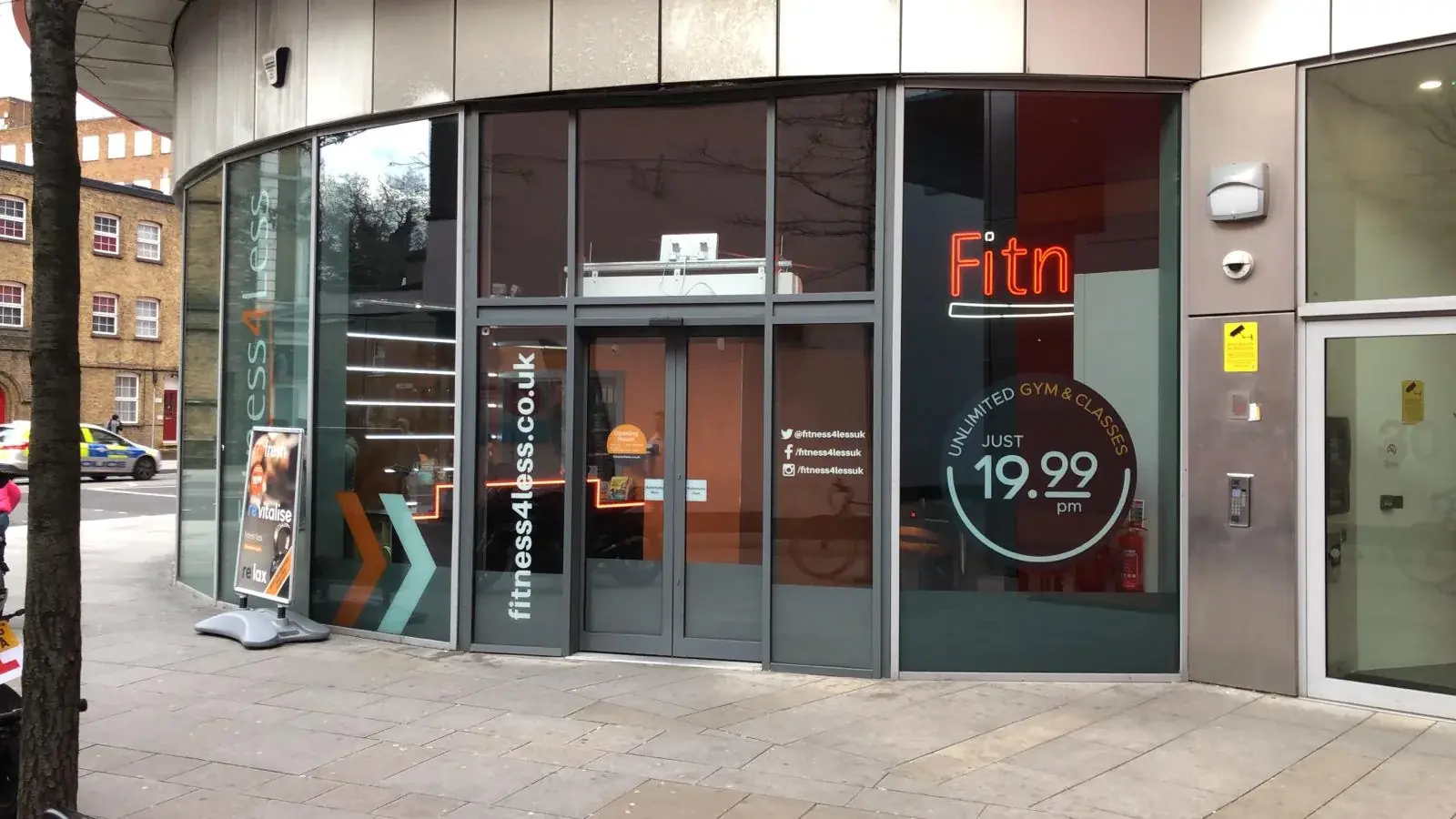
A sign may be one of the first things someone notices about your business in person. Your name, logo and colours can help connect the place with an online search, a recommendation or a visit they made before. You do not need lots of decoration to be remembered. A clear name and a few colours used in the same way can be easier to recognise than a sign crowded with messages. Look at what customers see from the pavement, car park or shared lobby. Put the main name where they are likely to look.
A logo made for a phone or computer may have tiny words or thin lines that are hard to see on a large sign. Ask to see it at the size it will be made. The sign maker may suggest a small change so the important parts remain clear. Check that the name stands out from the background and can be read in daylight or under indoor lights. The aim is not to change who you are. It is to help people spot your name when they only have a moment.

Show customers the right door and route
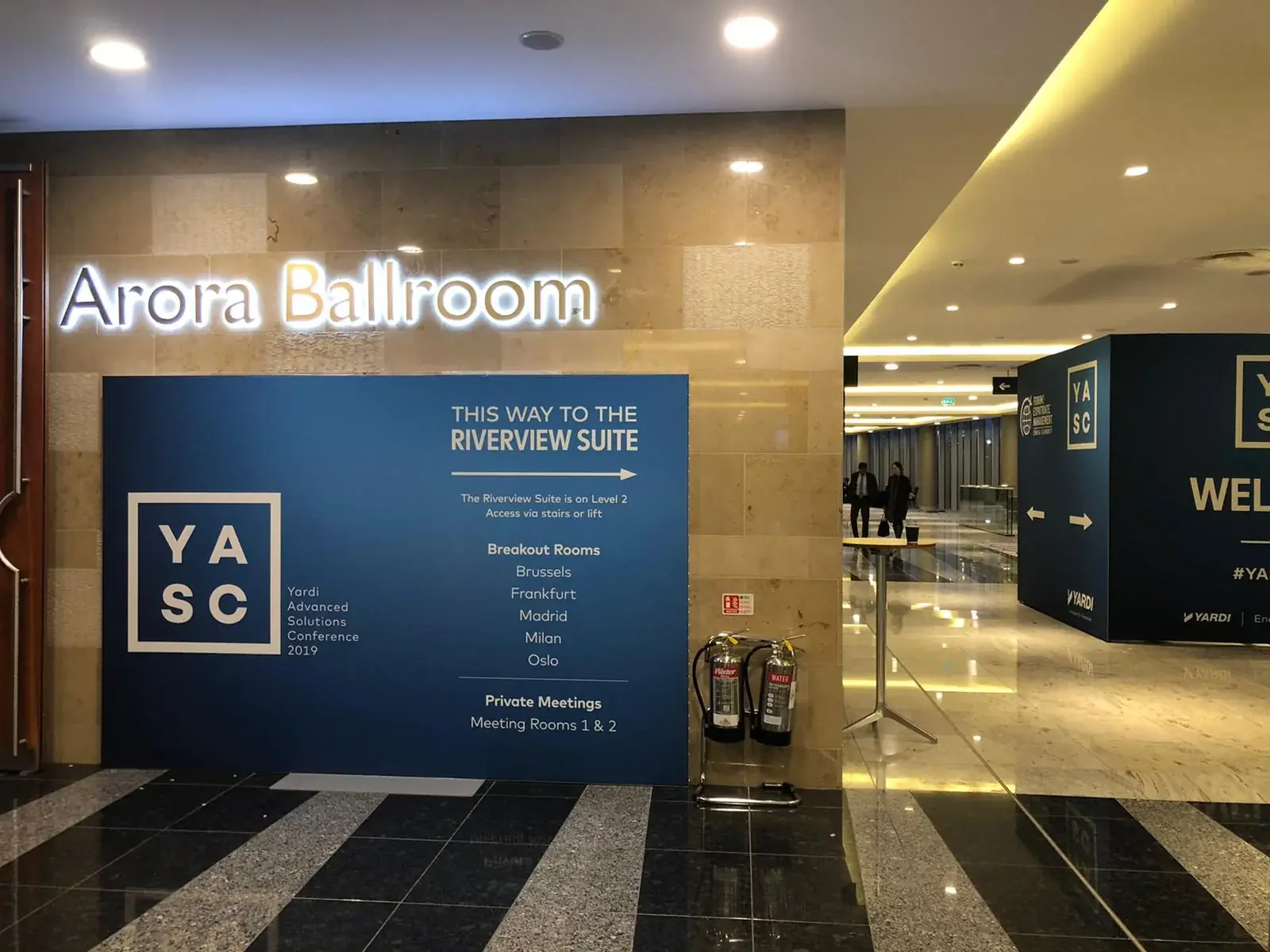
A person may spot your name but still not know which door to use. This can happen in a row of shops, a shared office building or a place with several entrances. A clear sign at the door can remove the guesswork. Inside, an arrow and a room name can show the way to reception, a lift, a meeting room or a service desk. Put the message where someone needs to make a choice. Use the words customers already know, not an internal name only staff understand.
Walk from the pavement or car park to the place a visitor needs to reach. Notice every point where you might turn, stop or look for help. At the entrance, show which business is inside. At a junction, show the next direction. At the room, confirm its name. Ask someone who has never visited to try the route. If they stop or take a wrong turn, that is useful information. It may mean a sign is missing or a message needs to be clearer.
Use a neat finish that suits the place
People notice when a sign is crooked, peeling or hard to read. A neat sign can help a business feel cared for, but it does not have to use a costly material. A printed panel may suit one wall; separate raised letters may suit another. The right choice depends on where the sign will go, how close people stand and how it will be cleaned. Ask the sign maker to explain why a material suits your site. Also ask how it will be attached and what its edges will look like.
Good work starts before anything is made. The sign maker should check the words, size, wall and fitting plan. Talk about when the work can happen, especially if the business will stay open. Ask how staff and customers will get past the work area and how the team will protect nearby walls or windows. These are ordinary parts of a well-planned job. They help the fitting go smoothly and reduce disruption to your day.
Commercial Signage London — Explore signs for reception, rooms and other workplace areas.
Give each sign its own job
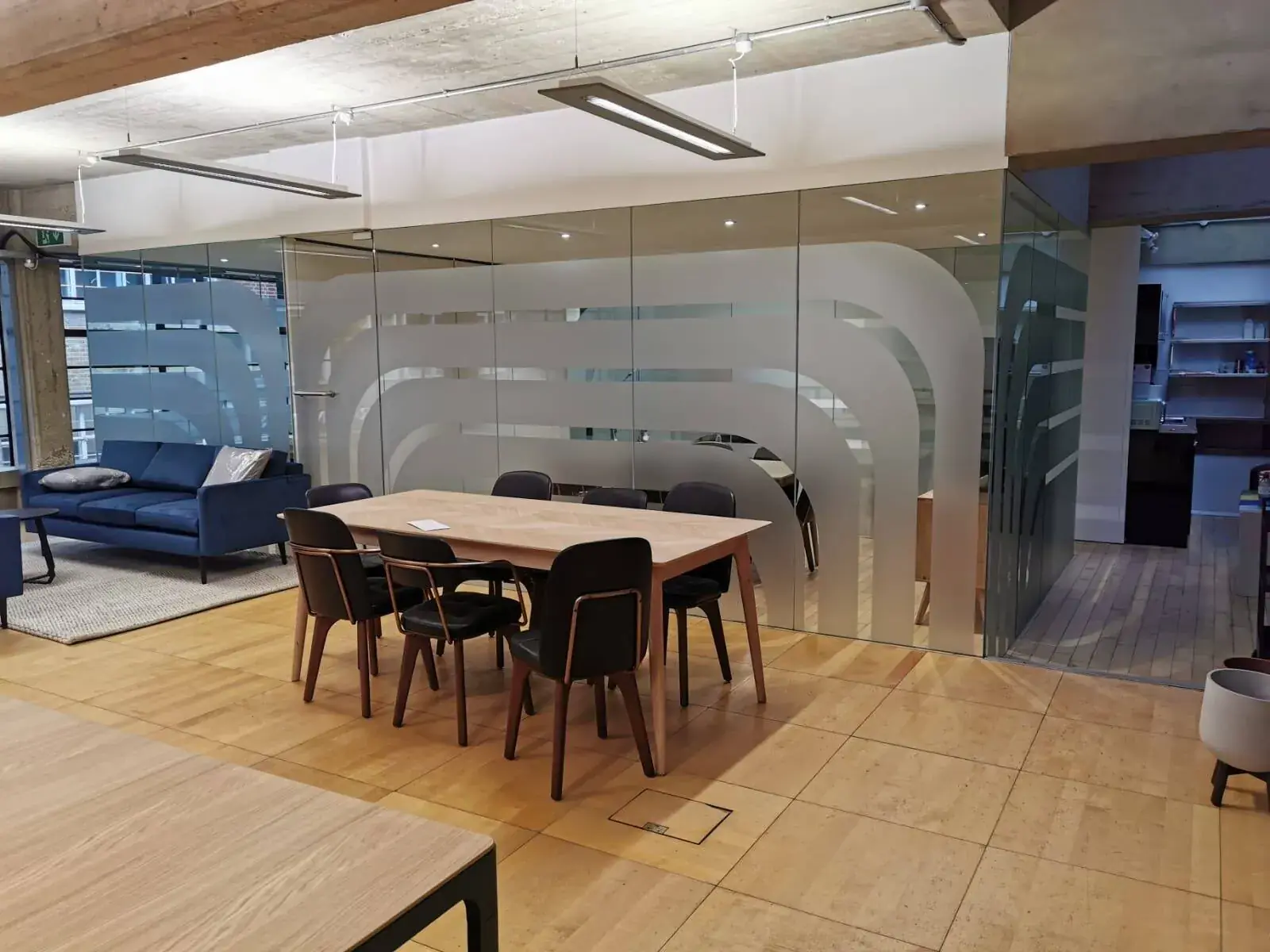
A business may need an outside name sign, window lettering, a sign at reception, room names and arrows. They can look related without being copies of each other. Use the same logo, a few colours and similar lettering styles to tie them together. Then give each one a clear job. The outside sign tells people they have arrived. The window can show opening times. An arrow inside can point to the right room. When every surface carries the same long list, it becomes hard to find the one detail a person needs.
Keep a record of the final designs, colours and words. If you open another room or change a department name, the record helps you make a sign that fits the rest. It also helps avoid old directions being left up beside new ones. When you add or replace a sign, look at the whole customer journey rather than one wall by itself. Signs that work together can make the building easier to understand.
Think about the real view, not just a picture
A sign can look different in its real setting. Sunlight may shine on window glass. A canopy may cast a shadow. A narrow hallway may make a large message feel too close. Ask to see the design on a picture of the actual wall and at a believable size. Think about who will read it: a person walking past, a driver arriving or someone standing close to a door. Keep the main message short, use letters big enough for that distance and do not use colour alone to explain an important difference.
Also think about who uses your building and what help they may need. Plain words, a clear place for each sign and directions that use the same style can help many visitors. If you have specific access needs or rules to follow, ask a qualified adviser or the person responsible for the building. A sign maker can help with the signs, but may not know every rule that applies to your site. Talk about those needs early so they can be included in the plan.
Keep signs in good shape as things change
Rain, sun, fingerprints and daily cleaning can all affect a sign. Ask how to clean the material and whether any part should be checked from time to time. Keep the design file and care notes. If phone numbers, opening times or room names may change, ask about a way to update those parts without replacing the whole sign. That can save time when your business changes.
Review your signs after a move, a new name, a change to the entrance or a change in what customers do. Old stickers or an out-of-date directory can confuse people even when the main sign looks fresh. Walk through as if you were visiting for the first time. Fix the signs that hide the entrance or send people the wrong way first. A short check now and then helps your signs keep doing their job.
Start with the moments when a customer might stop and wonder where to go. Write down what they need to know and take photos of those places. London Signage can talk with you about sign types, materials and fitting for your premises. You can ask a question or send details for a quote. A useful sign plan is not about covering every wall. It is about helping people recognise your business and take the next step with confidence. Keep a copy of the finished designs so the same care can guide future changes as your needs change over time too.
Talk about business signs — Discuss what customers need to notice at your premises.
Ask for a business sign quote — Share your site details and the signs you are considering.
Frequently asked questions
What helps a business sign look clear and cared for?
Use easy-to-read words, a clear difference between the letters and background, and a size that suits where people will see it. A neat fit and a clean surface help too.
Do good business signs have to cost a lot?
No. The right choice depends on the job and the place. A simple printed panel may be enough, while another site may need raised letters. Compare what each option includes.
How can signs help a first-time visitor?
Show the right entrance, use clear room names and put arrows where people need to choose a direction. Try the route with someone who has not visited before.
When should I check my business signs?
Check them after a move, a change of name, a new entrance or a change to opening times. An occasional walk around can also find damage or old messages.