How Do Illuminated Signs Help Businesses Stand Out After Dark?
Practical advice for restaurants, shops, hotels and customer-facing venues on using illuminated signs to stay visible and recognisable beyond daylight hours.
The most successful commercial graphics are not chosen from appearance alone. They respond to the building or vehicle, the way customers approach it and the information those customers need to understand quickly. For restaurants, shops, hotels and customer-facing venues, professionally planned Illuminated Signs can help a business stay visible and recognisable beyond daylight hours.
What can illuminated signs achieve?
A well-designed project connects practical performance with a recognisable visual identity. Scale, colour, material and placement all affect whether the finished work is easy to understand and appropriate for its surroundings. The goal is not simply to make something larger or brighter, but to make the business clearer at the right moment.
- Stronger evening visibility
- Clearer entrance identification
- A more distinctive night-time presence
These benefits depend on a specification suited to the site. London streets, managed buildings and working commercial vehicles introduce different access, installation and durability requirements, so the design stage should begin with accurate information rather than assumptions.
Start with the viewing environment
Consider where people will first see the finished work, how far away they will be and whether they are walking, driving or already inside the premises. A message read from across a road needs a different hierarchy from one viewed at reception distance. Important wording should remain legible without relying on a customer stopping to study it.
For this service, the main factors include the viewing distance, surrounding light levels, available power and the character of the building. Photographs, dimensions and a site survey can reveal restrictions that are easy to miss in a flat artwork file.
Design for recognition, not clutter
The company name or main message should lead. Supporting services and contact information can then be organised in a clear order. Trying to give every detail equal emphasis usually weakens the complete design, particularly where viewing time is short.
Existing brand colours and typefaces provide the starting point, but they may need careful adaptation for production. Fine lines, low-contrast colour combinations and very small lettering can behave differently when manufactured at scale or applied to a complex surface.
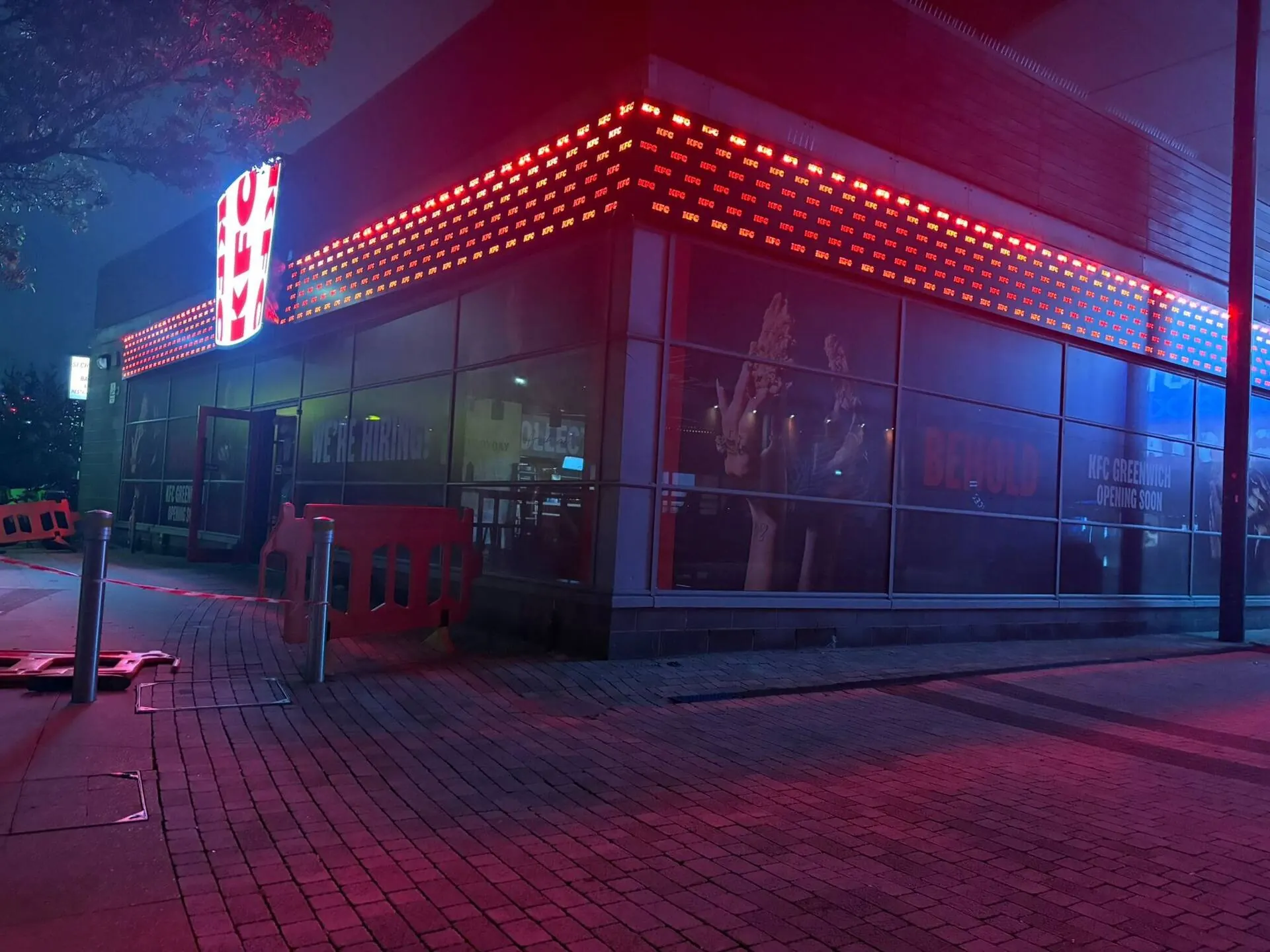
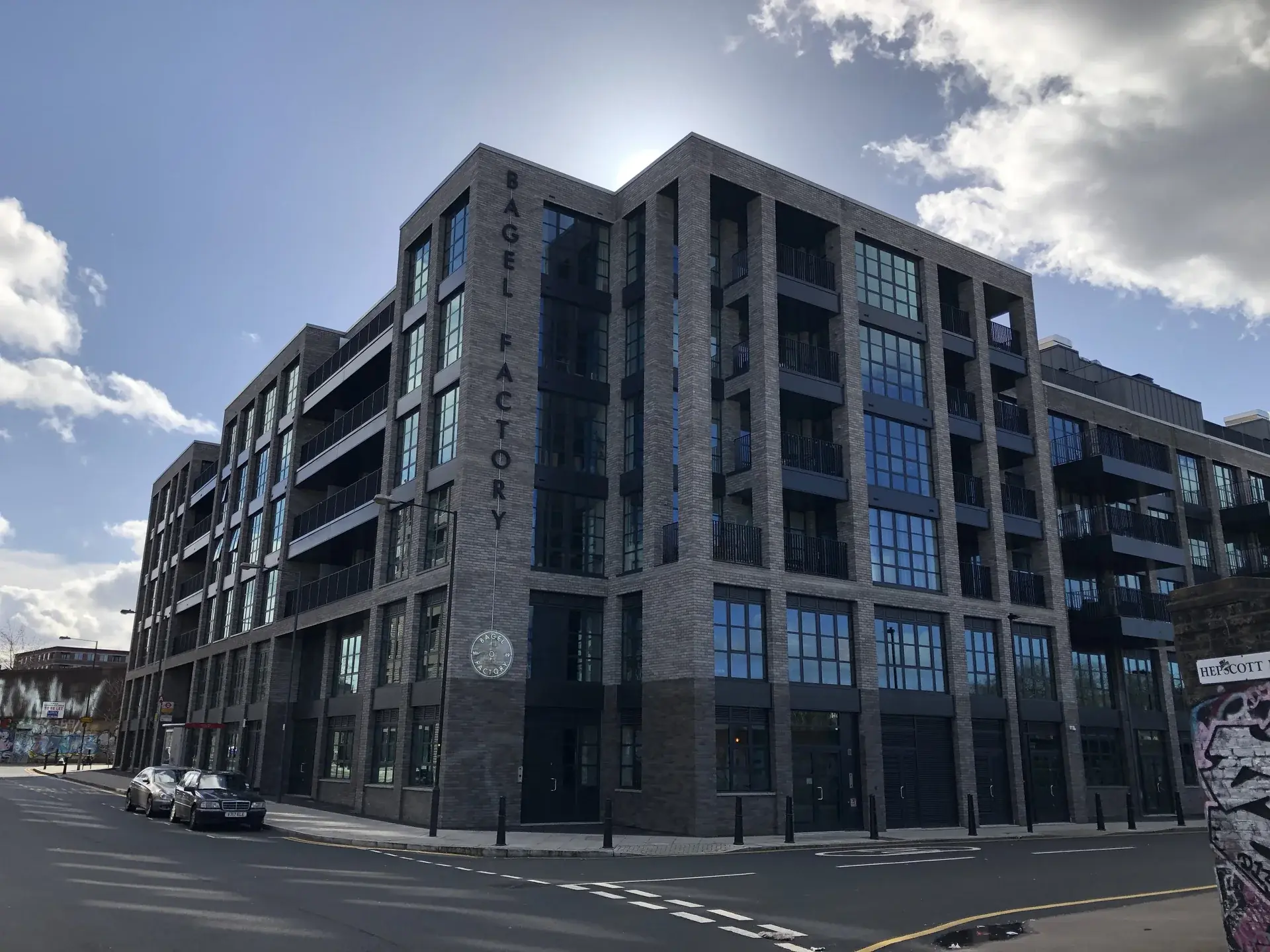
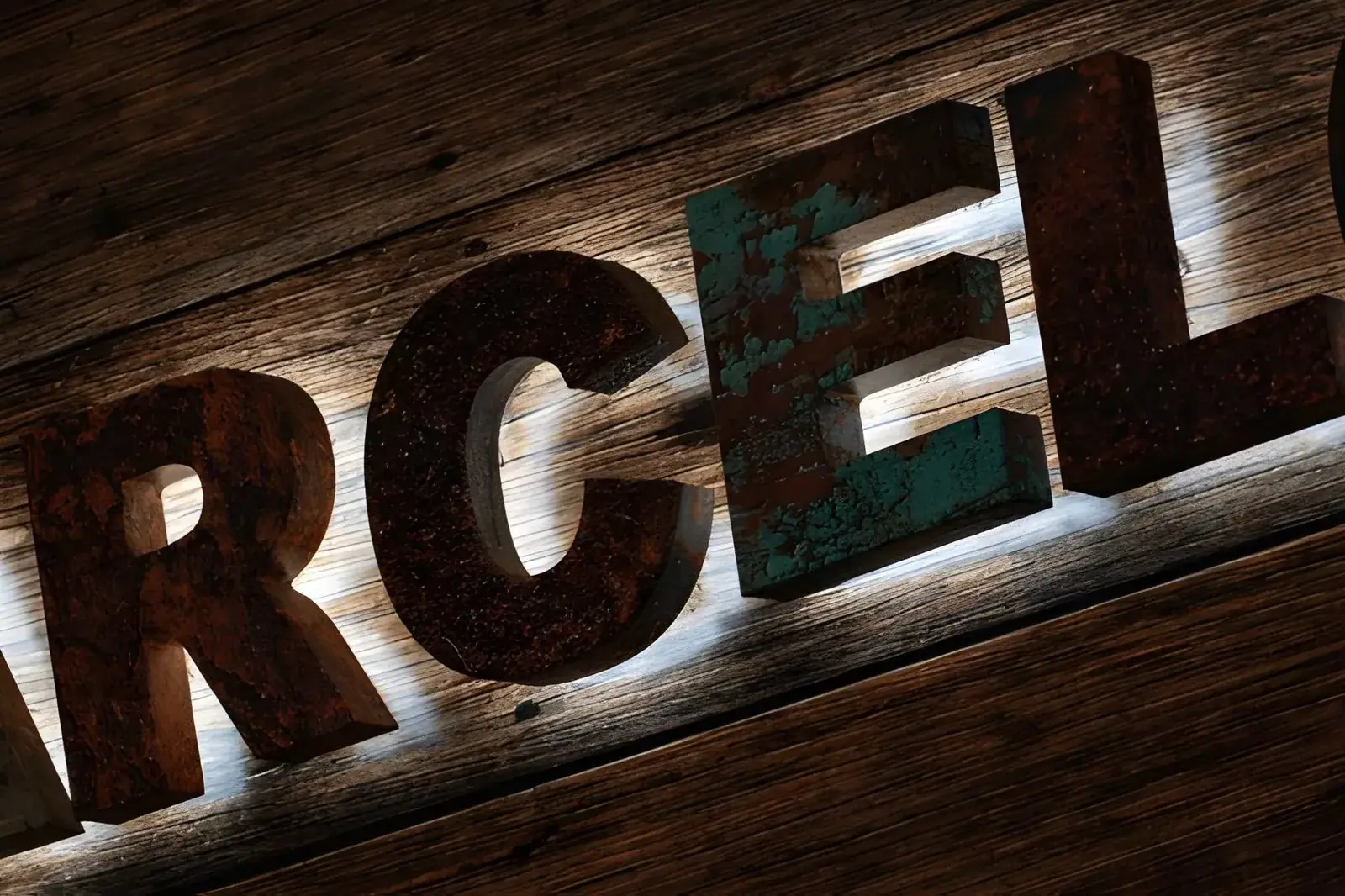
Relevant illuminated signs projects
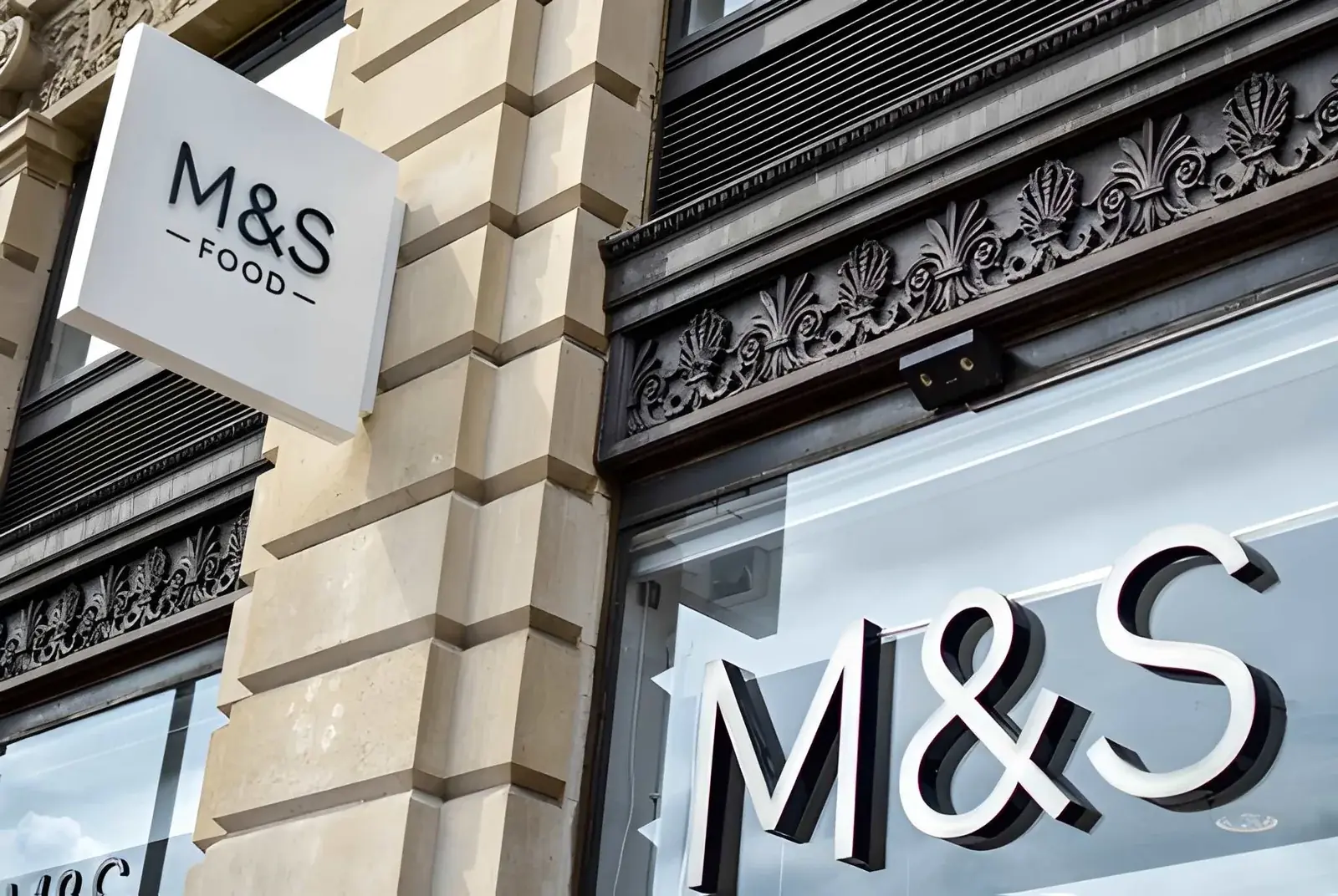
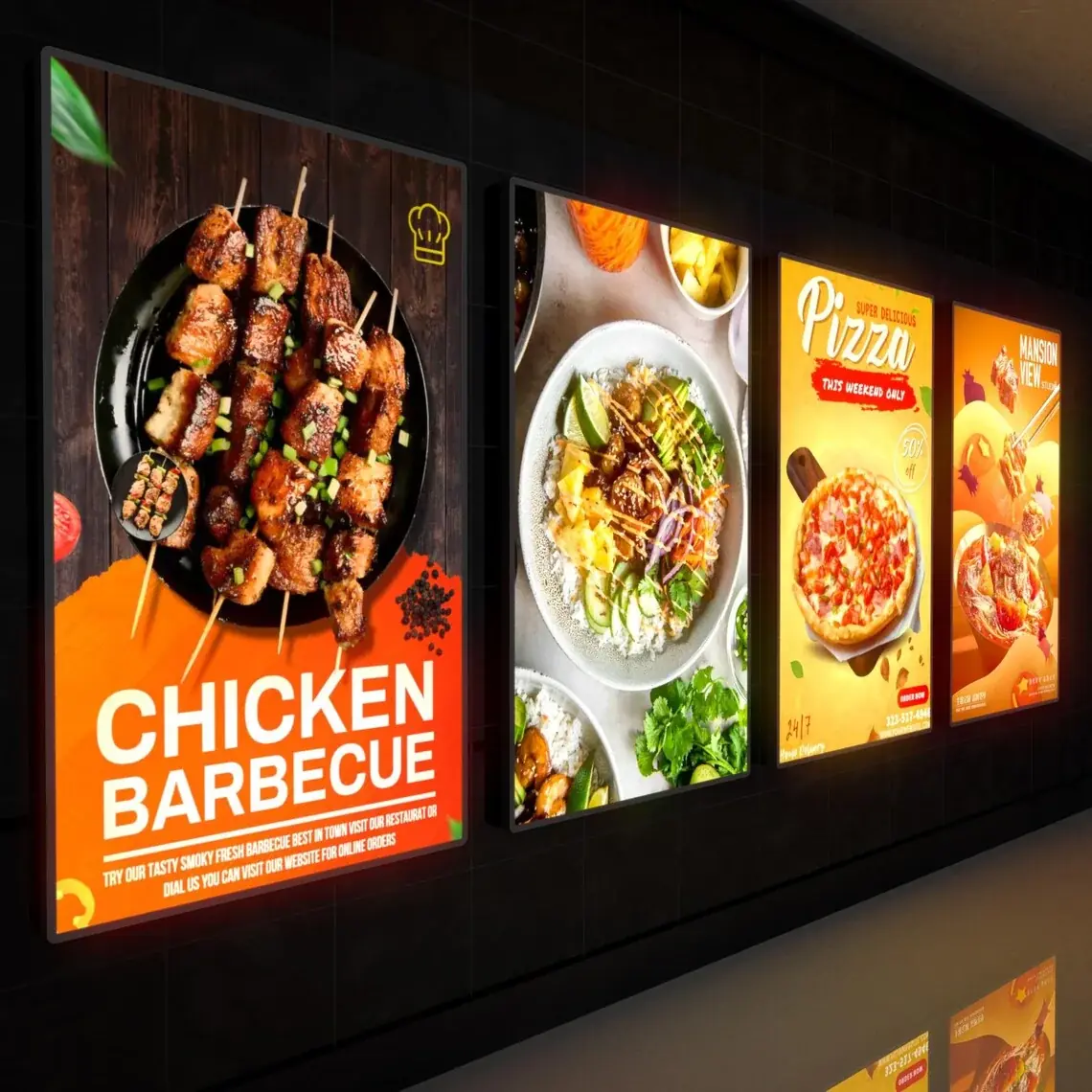
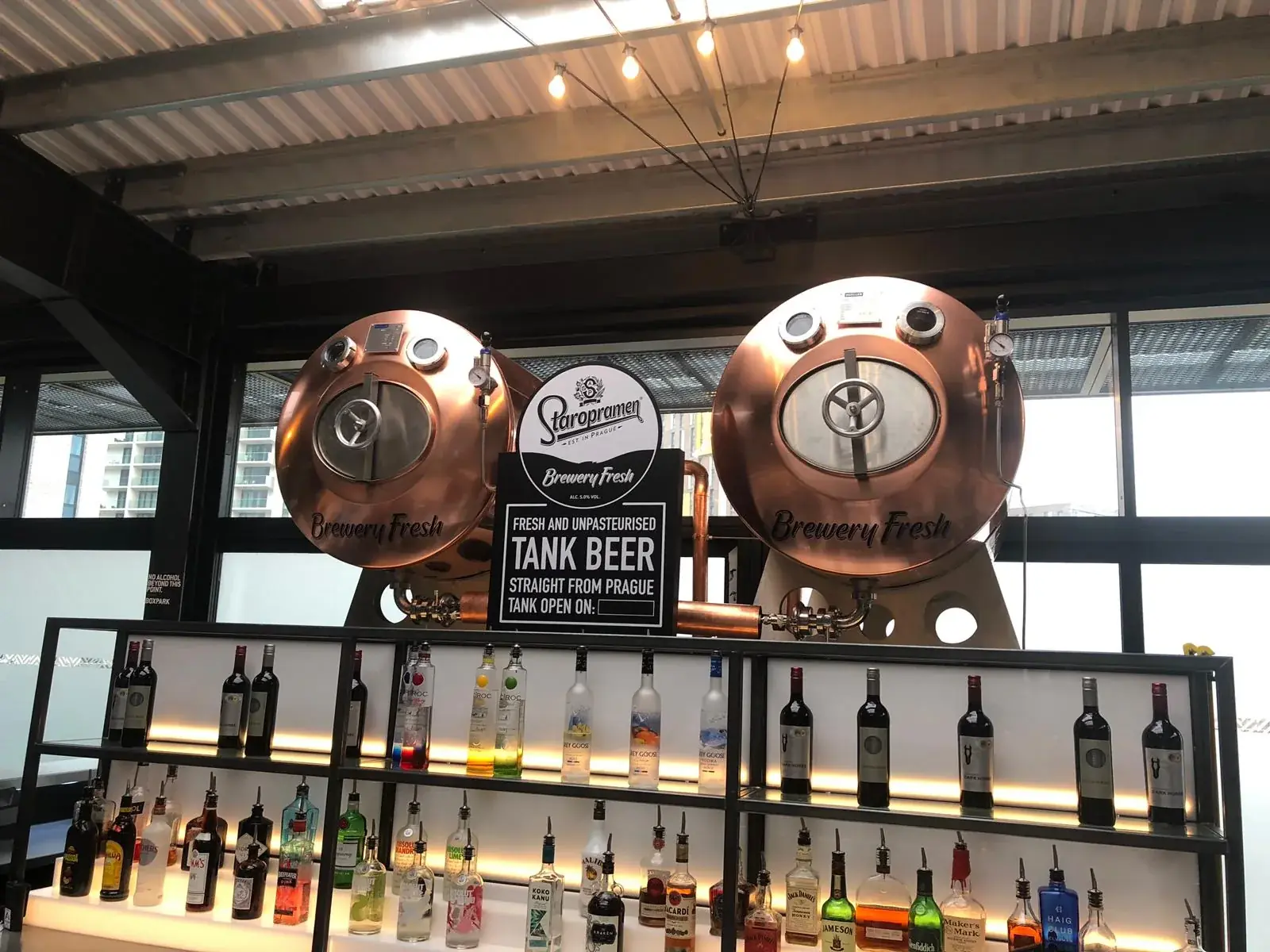
Examples showing different layouts, surfaces and applications related to this service.
Choose materials for the location
Material selection affects colour, depth, weight, cleaning and expected service life. Outdoor work needs suitable resistance to weather and ultraviolet exposure. Interior work may place more emphasis on close-up finish, coordination with décor and low-profile fixings. Vehicle applications need products made for the relevant bodywork and panel contours.
The cheapest material is not always the lowest-cost choice over time. A more appropriate specification can reduce early fading, lifting, difficult maintenance or replacement caused by a material being used outside its intended environment.
Plan manufacture and installation together
Fixings, access, electrical routes and installation timing should be considered before artwork is approved. This is particularly important in busy London locations where parking, working hours, building management or safe access equipment may affect the fitting plan.
Confirming these details early helps the manufactured result match the real site and reduces avoidable changes during installation. For fleets or multi-site projects, an agreed specification also makes repeat production more consistent.
Illuminated Signs planning checklist
- Confirm power and cable routes
- Choose face-lit, halo-lit or light-box illumination
- Check landlord and planning requirements
- Plan safe maintenance access
- Provide current brand artwork in a suitable vector format where possible
- Confirm the installation address, access and target completion date
How much does illuminated signs cost?
Cost depends on size, quantity, materials, artwork complexity, site conditions and installation access. A useful quotation therefore needs more than a generic price per square metre. Sharing dimensions, photographs, location details and the intended use allows the specification and estimate to reflect the actual project.
Discuss your project
London Signage designs, manufactures and installs commercial graphics across London. Explore our Illuminated Signs service for more details, then send us the site or vehicle information, quantities and any existing brand assets for a tailored quotation.
From the journal
Featured articles
More practical ideas for your next signage project.
More published stories are on their way. Explore the journal for now.