Lighted Shop Signs
A Clear Guide to Lighted Shop Signs
Choose a lighted shop sign that suits your building, helps customers read your name and can be cared for over time.
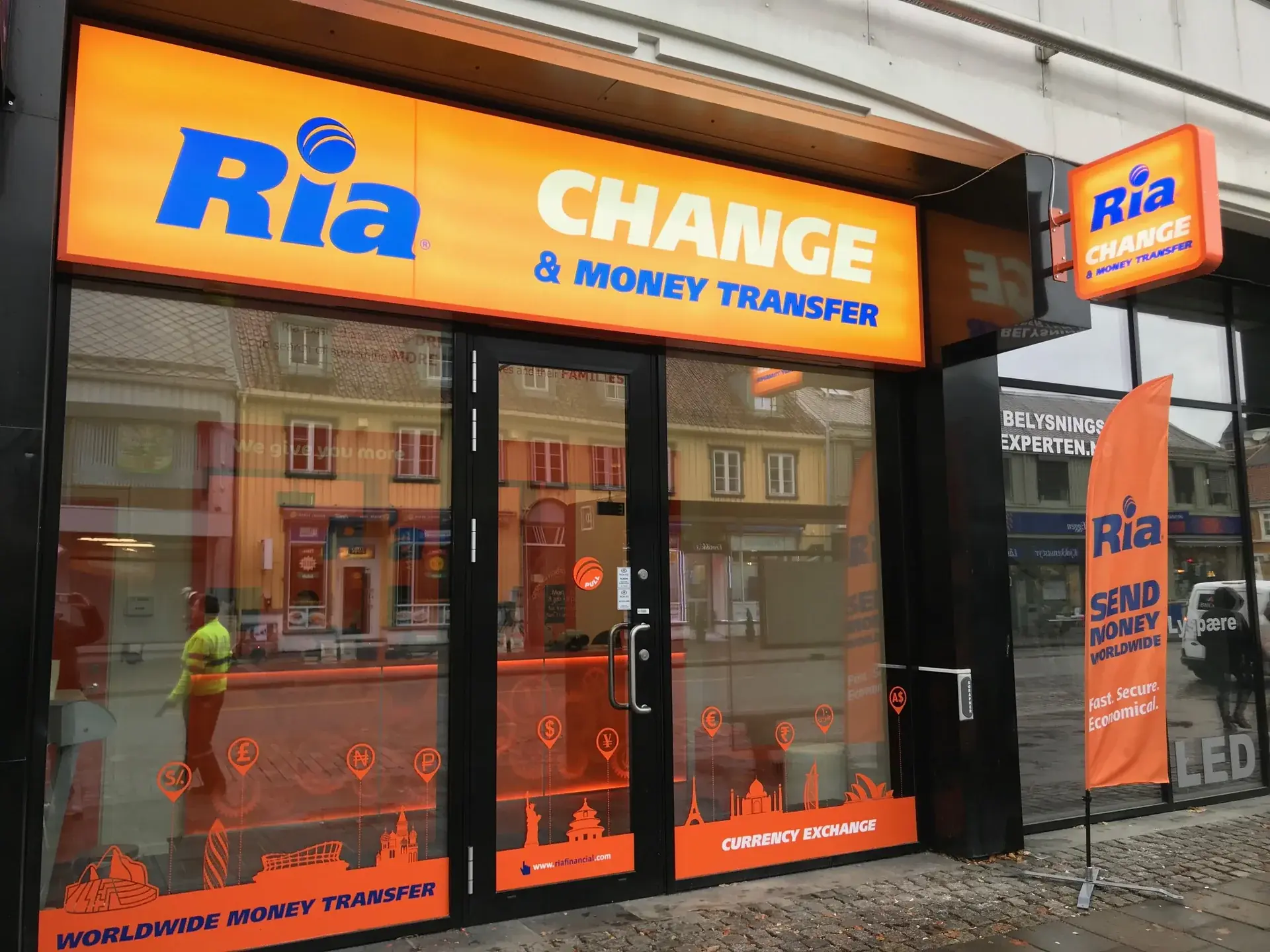
A lighted shop sign can help customers spot your business when the sky gets dark. It can also be seen during the day, when the colours and shape of the sign matter just as much. The best result is not the brightest sign on the street. It is a clear name that suits the building and is easy to care for. This guide is for shop owners opening a new place or changing an old sign. It explains the main ways a sign can be lit and the questions to ask about the wall, power and fitting. Start by looking at your shop from the pavement during the hours you are open. That shows what people need to see.
Choose the sign shape before choosing the light
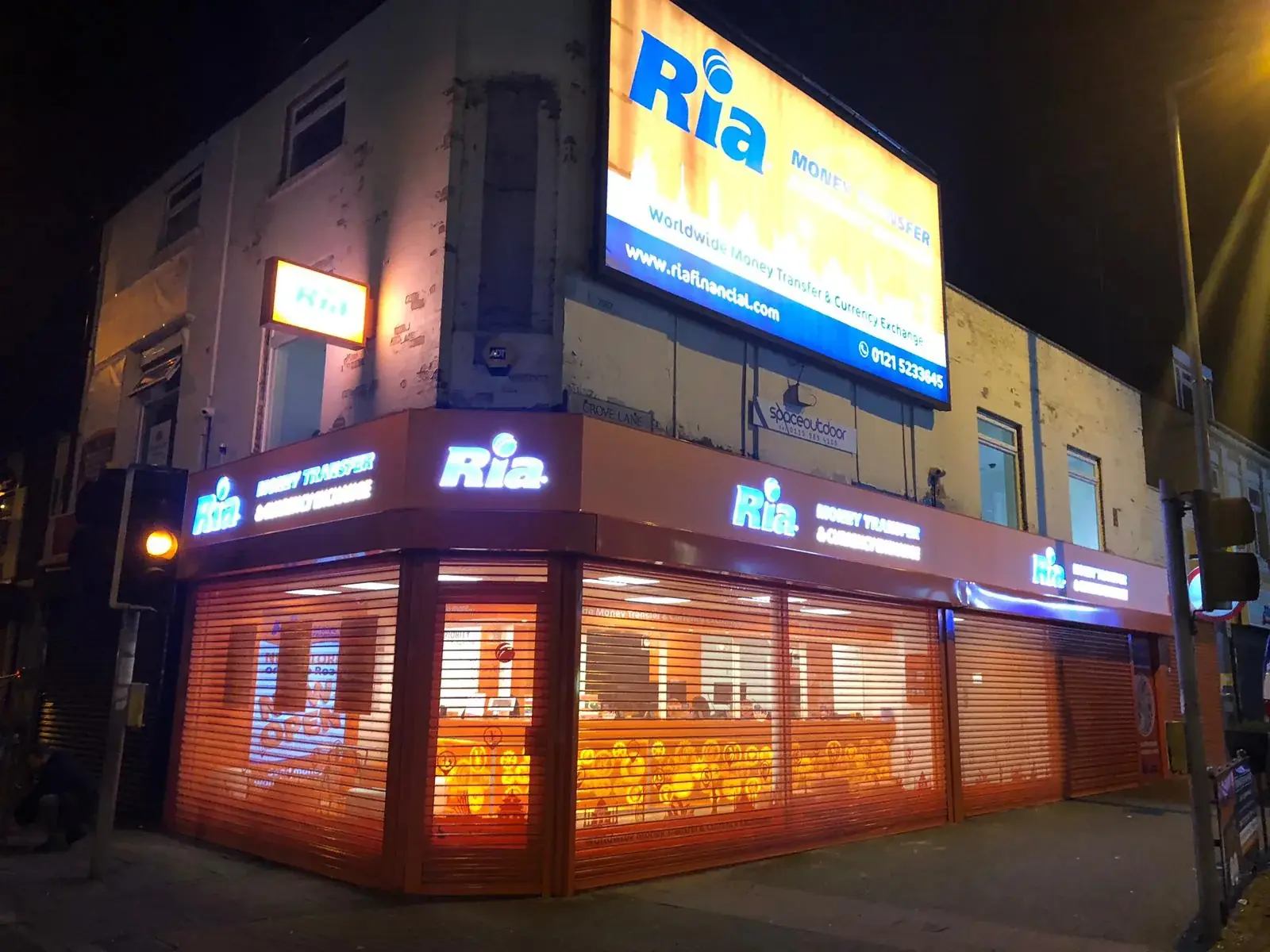
A lightbox is a sign panel with lights inside it. The whole face can glow, with the name printed or fixed onto the front. Separate raised letters can also light up, either through their front or onto the wall behind them. Another choice is a lamp placed above or below a sign that does not light up by itself. These types have different looks, and they fit differently on a building. Think about the space above your door, nearby windows and the style of the shop.
A wide panel can give a short business name a clear background. Separate letters can leave more of the wall visible and cast shadows in the day. Neither choice is right for every shop. Ask to see how each might look on a photo of your frontage, including an evening view if customers visit after dark. If you also want a sign that sticks out from the wall, make sure its colours and message work with the main sign instead of competing with it.
Check the sign in daylight and at night
Your sign will probably be seen before dark as well as after. Check whether the letters stand out against the panel when the lights are off. At night, the light may change the colours and make some parts look brighter than others. Look at the sign from the pavement and from both directions along the street. Reflections from windows or nearby lights can change what people see. A design that looks clear on a screen may not look the same on the building.
Keep the main message short and make the business name the easiest part to read. Fine details and long lists are difficult to see from across a road. Ask for a drawing at the size the sign will really be, not a large picture on a computer. If possible, look at a sample of the colours and letters in similar light. Check the amount of empty space around the words too. A little open space can help the name stand apart from the rest of the shopfront.
Learn how the different lights look
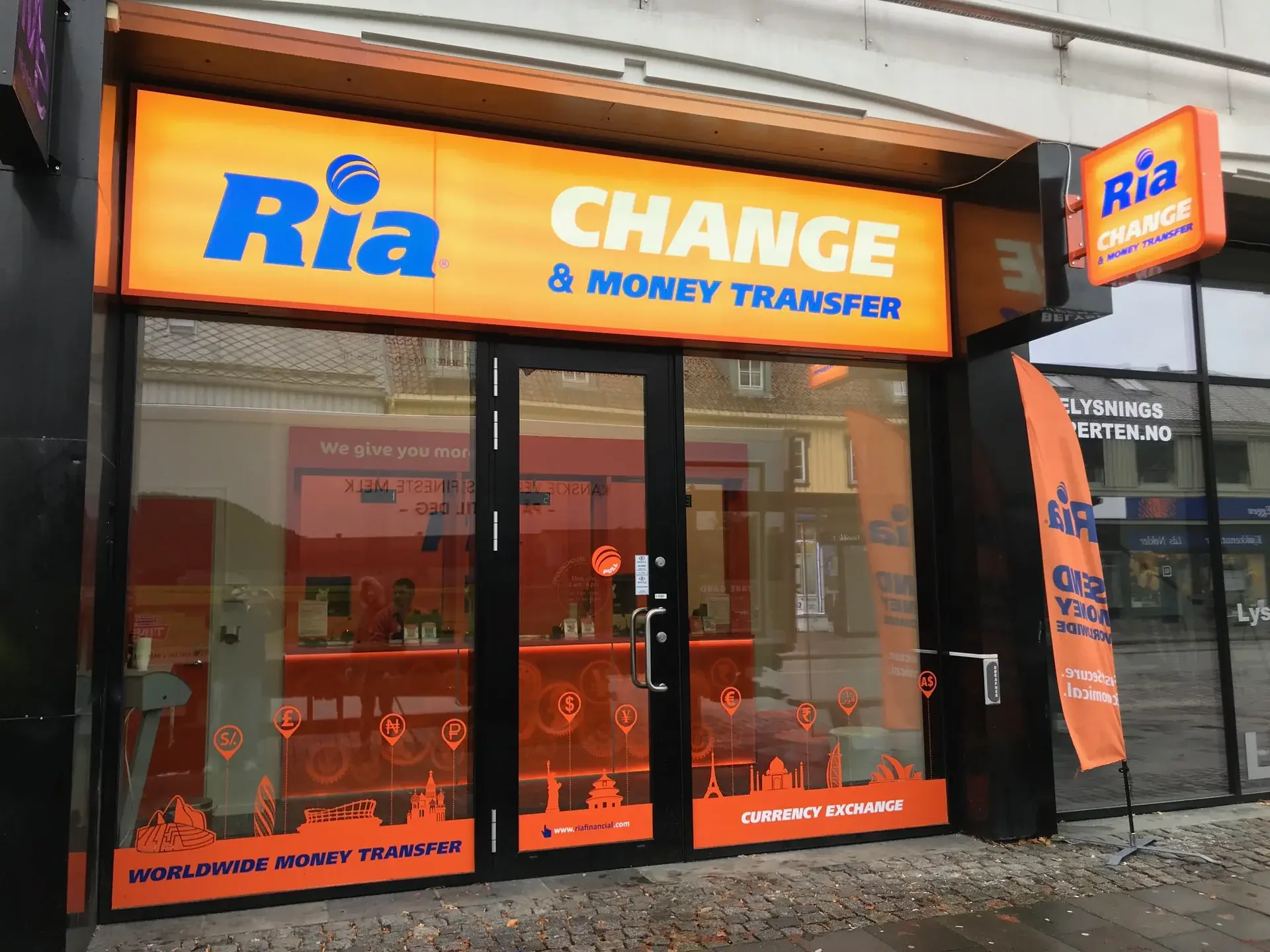
In a lightbox, lights inside the box shine through the front panel. In face-lit letters, light comes through the front of each letter. Halo-lit letters shine backwards onto the wall, making a glow around them. An outside lamp can shine down or up onto a sign. These are simple ways to describe the choices; each needs the right parts and fitting to work well. Ask the sign maker to explain which one suits your building and why.
For a halo effect, the wall colour and texture change how the glow looks. For a lightbox, ask how the front panel can be opened or reached if it needs care. Ask what helps the light look even across the full sign. LED means a small light used inside many signs; it can light a panel or letters. Whatever type you choose, check where the power will come from, how it will be switched on and who can reach it if something stops working.
Use enough light without making it harsh
The sign should help people recognise the shop, not make them squint. Very bright spots, strong reflections or uneven colour can make words harder to read. Stand across the street and look at the sign next to nearby shop lights. If it shines much more brightly than everything around it, ask whether the light can be softened. If the street is already bright, a careful glow may be enough to make the name clear.
Think about the hours when the lights need to be on. Ask how they will be controlled and whether they need to switch off when the shop closes. Talk about wires, the place for power and how someone will reach the lights for care. If most of your customers visit in daylight, decide whether a lighted sign still fits your needs. The choice should suit your opening hours and building, not just look impressive in a picture.
Make the whole shopfront feel joined up
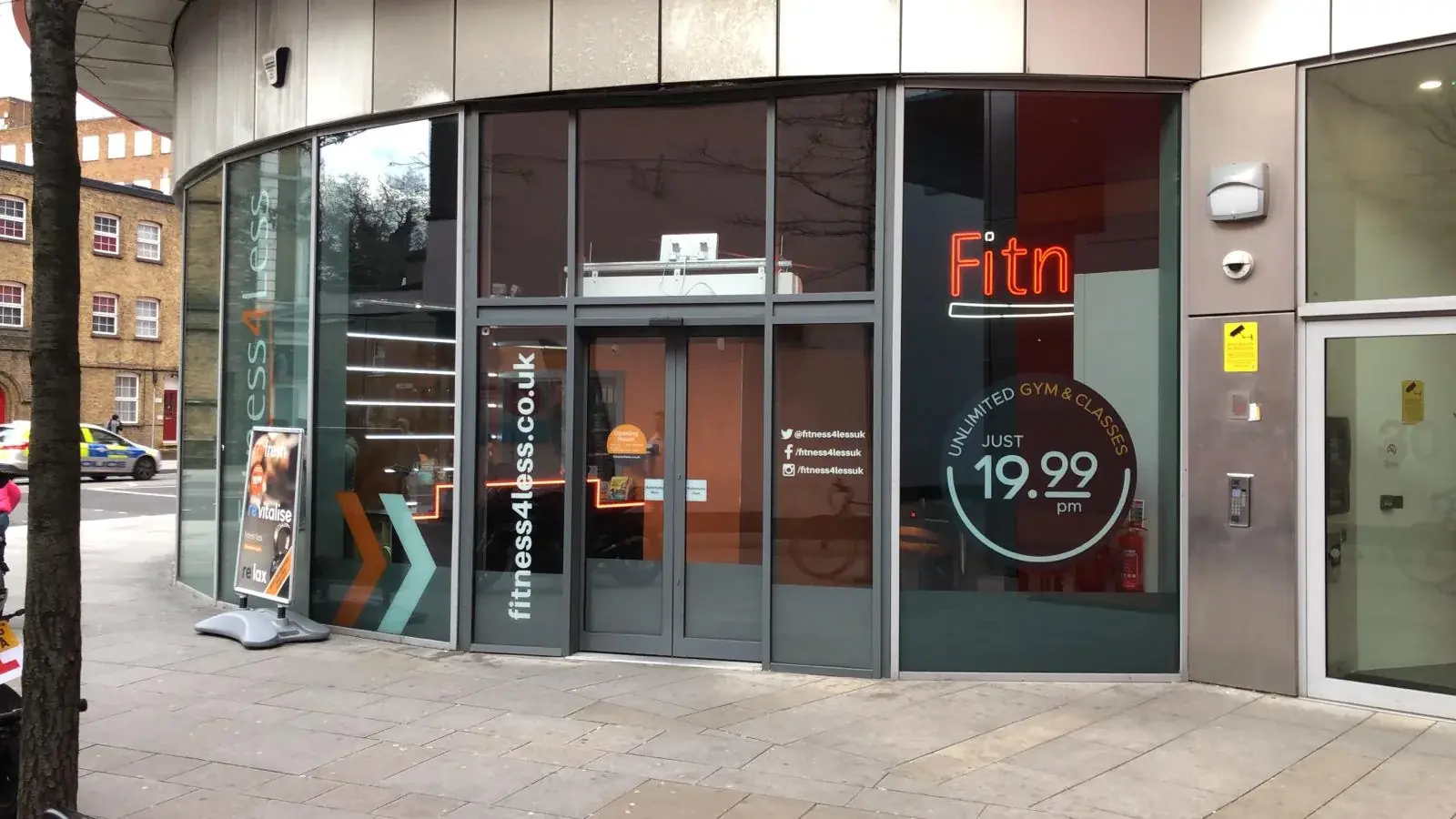
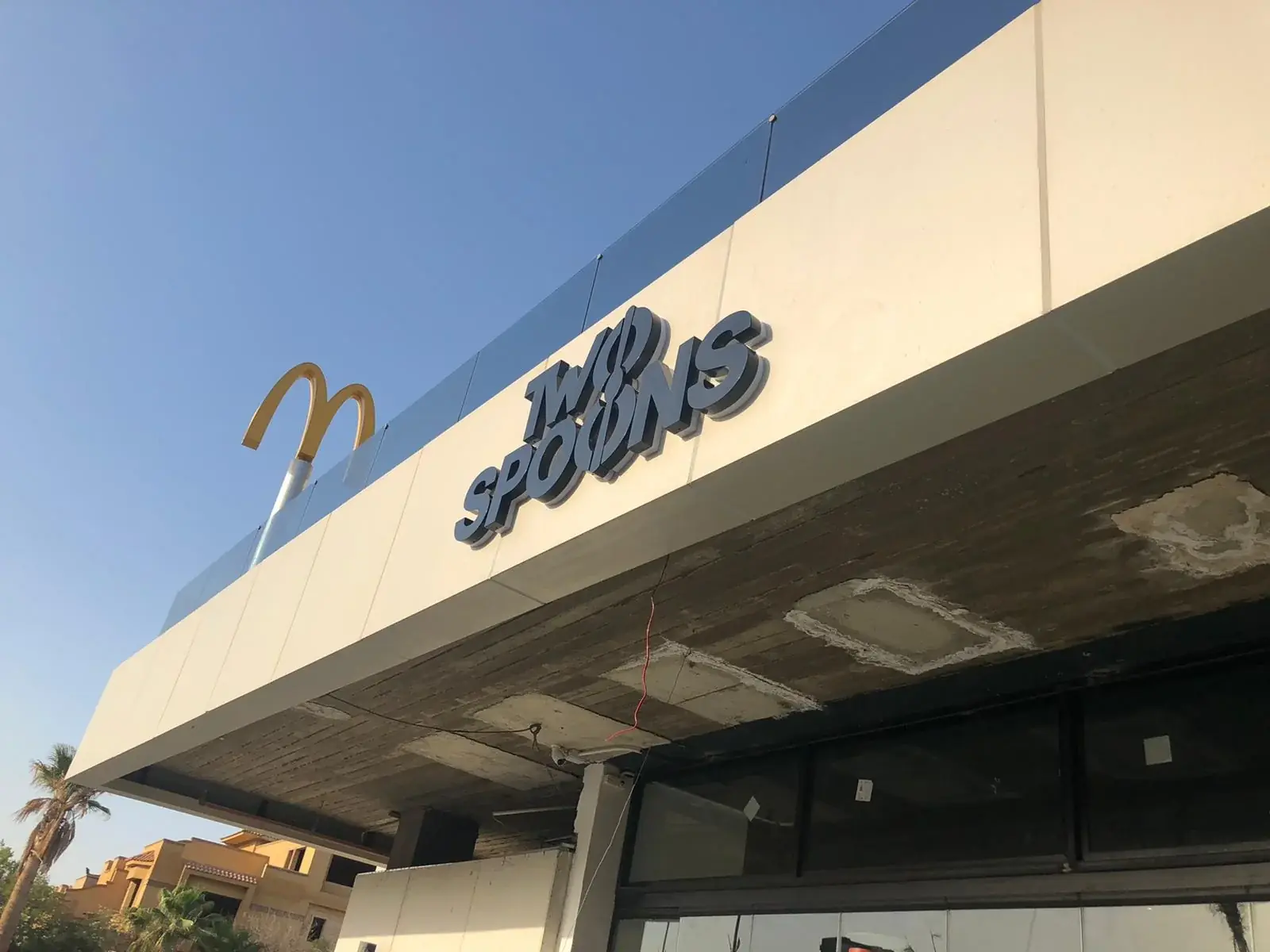
The main sign is only one thing a customer sees. Window pictures can share an offer, a door notice can show opening times and a smaller sign on the wall can help people see the shop from along the street. Give each one a clear job and keep the business name easy to spot. Do not cover every window with words and pictures. People often like to see inside before they decide to come in.
Look at the shop from the left and right, and notice what sits beside it. Choose sign colours that work with the building and do not hide a useful window or doorway. If you plan to keep an old panel or its fittings, ask someone to check that they are still sound. Agree where each part will sit and when it will be fitted. That helps the whole entrance look like one thoughtful design instead of separate pieces added at different times.
Plan fitting, power and future care
Before asking for a sign, take photos in daylight and after dark, measure the space and gather your logo and opening hours. Tell the sign maker where customers approach from and whether there is power near the sign. Ask for a drawing that shows its size, colour, lights and position. Check the business name and every detail before approving the design. Make sure you understand how it will be fixed to the wall and whether the wall needs work first.
Ask what is included in fitting. Taking down an old sign, using a tall access platform, connecting power or repairing the wall may need separate planning. Check with your landlord or local council if you are unsure whether approval is needed for your building or sign. Do not climb up to fix a light yourself or touch electrical parts. Ask a qualified professional to deal with electrical work or work at height. Keep the drawing and care instructions in a safe place for later.
Look at the sign now and then for broken parts, water getting inside or lights that are dim or uneven. Ask the supplier how to clean its face without scratching it. If something changes, arrange for a professional to check it. Before choosing a sign, compare how easy it is to read, how it looks in daylight and at night, how it will be fixed and how it can be cared for. A clear answer should explain how the choice fits your shop, not just name a product.
London Signage can discuss lighted shop signs and fitting plans with business owners. Send a photo of the shopfront, measurements, logo and the hours you want the sign to be seen. That gives you a better starting point for a conversation about the sign type, lights and work involved. Think about future cleaning and repairs while making the plan, not after the sign is already on the wall.
Illuminated Signs London — Explore lighted sign types for shops and business premises.
Talk about a shop sign — Share a photo of your frontage and when you need the sign to be seen.
Ask for a lighted sign quote — Send your shop details and the sign idea you have in mind.
Conclusion: make the light suit your shop
A lighted shop sign should make the business name easier to see while fitting the building and the street. Compare a lightbox, lit letters and outside lamps by looking at them in the place where they will be used. Check the message in the day and at night, and plan power, fitting and future care before agreeing to the work. Keep other parts of the shopfront simple so the name remains clear. London Signage can discuss sign designs and fitting plans with shop owners. Bring photos, measurements and your opening hours to start. The best choice is one that helps your customers find you and is practical for you to look after.
Frequently asked questions
What is a lightbox sign?
It is a sign panel with lights inside, so the front can glow. Raised letters can be lit in other ways, such as shining light through their fronts or onto the wall behind them.
What does LED mean on a shop sign?
LED is a small light used in many signs. It can light letters or a whole panel. Ask how the light will look on your shop and how it can be reached for care.
Do I need permission for a lighted shop sign?
Rules can depend on your building and location. Ask your landlord and the local council what applies before work starts; do not assume every sign is allowed.
Can my current shop sign be made to light up?
Maybe. Someone needs to check how it is built, its condition, space and power access first. They can then discuss whether it can be changed or should be replaced.
How should I care for a lighted shop sign?
Follow the supplier’s cleaning advice and ask a professional to check damaged or uneven lights. Do not try electrical repairs or work high above the ground yourself.