Sign Ideas
Sign Ideas for the Years Ahead
A plain guide to new sign ideas, from changing screens to lower-waste updates, and how to decide what will help your business.
Sign ideas change as new screens, lights and materials become available. That does not mean every new thing is right for your business. A useful sign still needs to help someone find a door, understand a service or notice a name. It also needs to suit your building and be cared for after it is fitted. This guide looks at a few ideas that may be useful in the years ahead, including screens for messages that change, signs that are easier to update and lighting that is planned with care. If you own a shop, office or other business, start by naming the job your sign needs to do. Then compare new ideas with that job, rather than choosing something only because it looks modern.
Use a screen when the message changes often
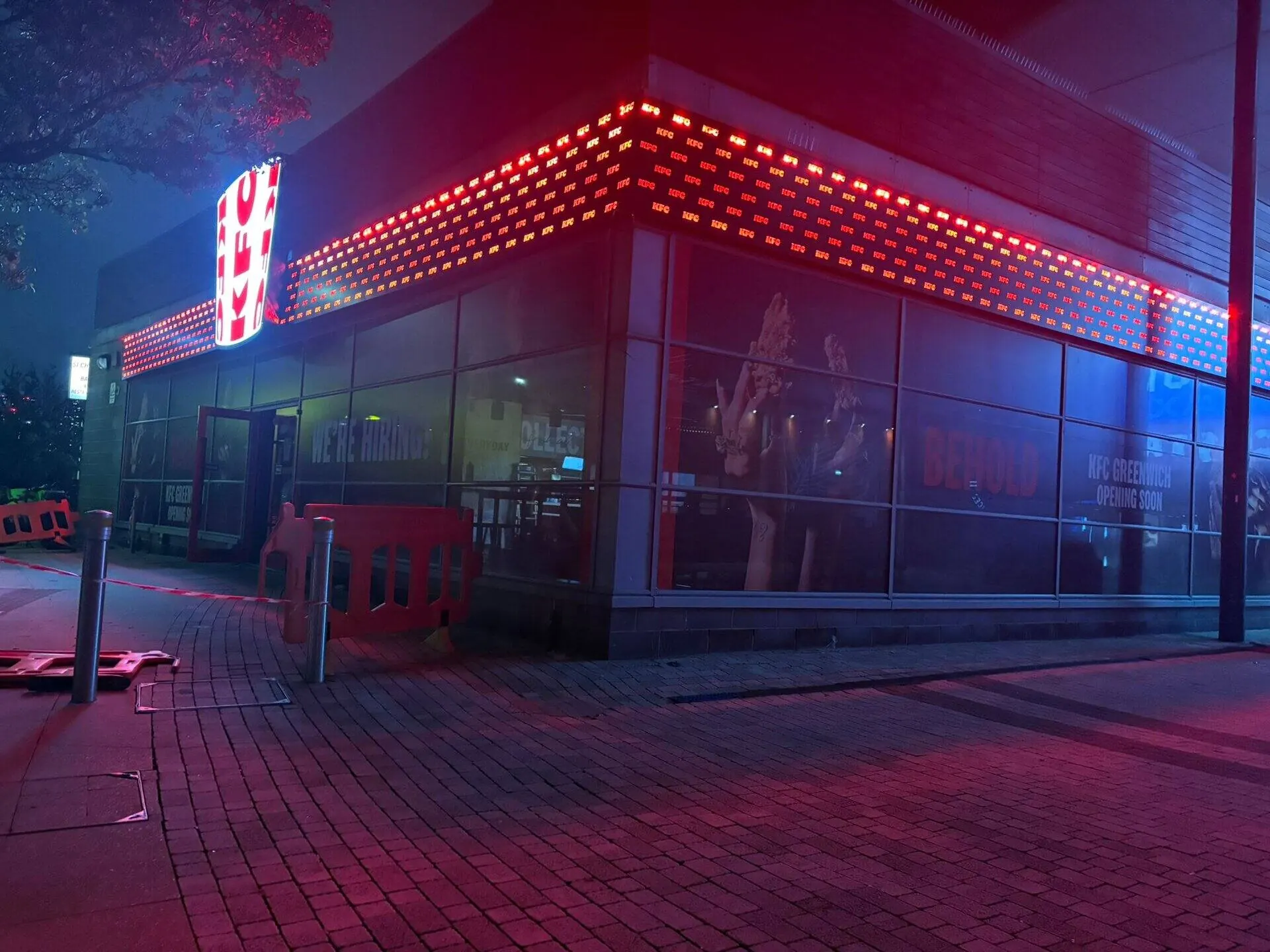
A digital sign is a screen that can show words or pictures which someone can change. It may suit a café menu, a timetable, event dates or offers that change each week. A screen can save repeated printing, but it also needs a person to prepare updates, check they are correct and make sure the screen is working. If your message stays the same for months, a printed or painted sign may be simpler. Think about who will make updates before deciding that a screen is the answer.
Keep screen messages short enough to read while passing. Fast-moving pictures can catch the eye but leave too little time to understand the words. Check whether daylight from a window makes the screen hard to see, and whether it will be viewed after dark. Ask what happens if the screen loses power or the internet stops working. Keep the most important information available in another way, such as a printed notice nearby. A screen works best when someone takes care of both the equipment and the message.
Plan light so the sign is clear and comfortable
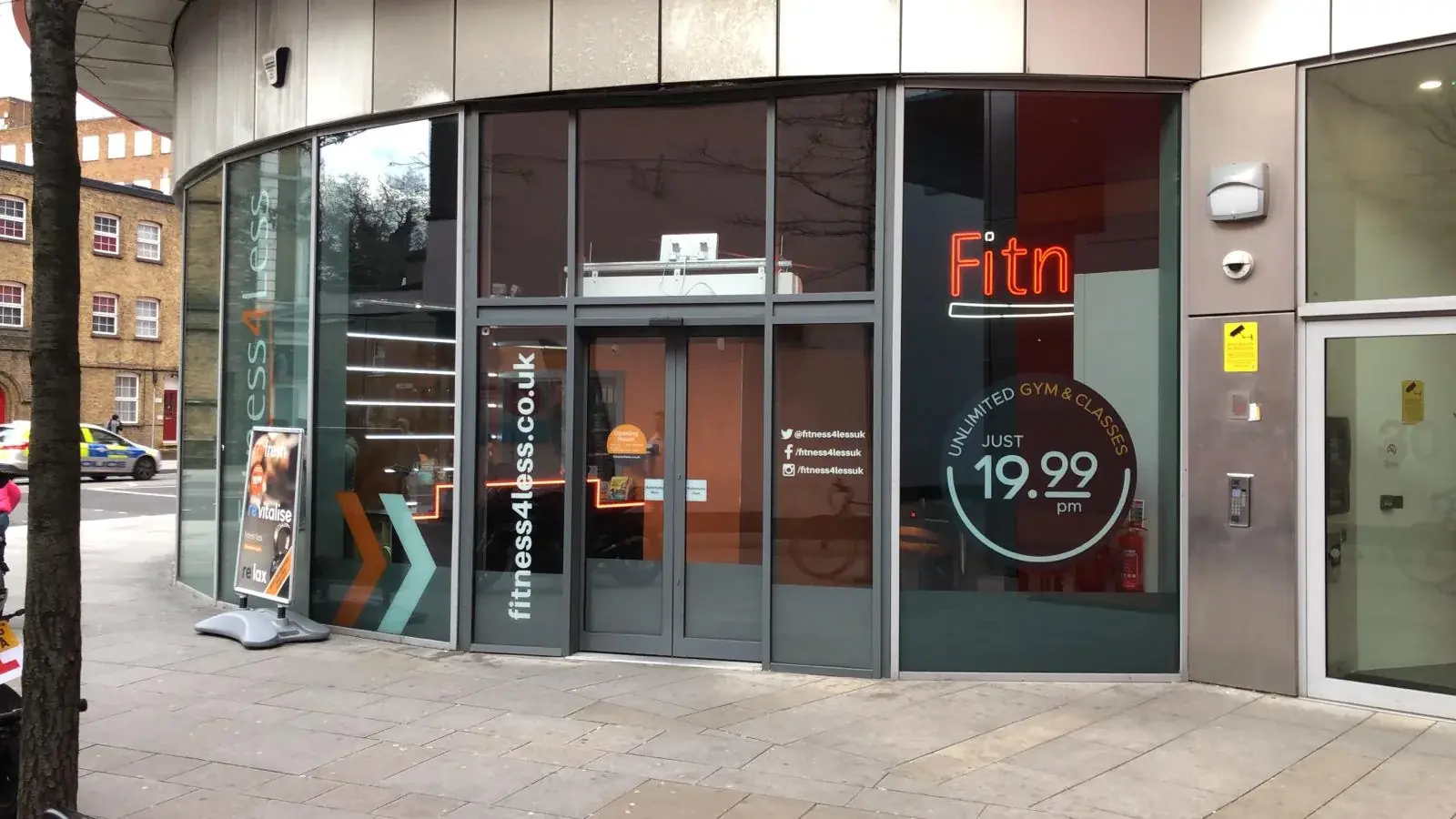
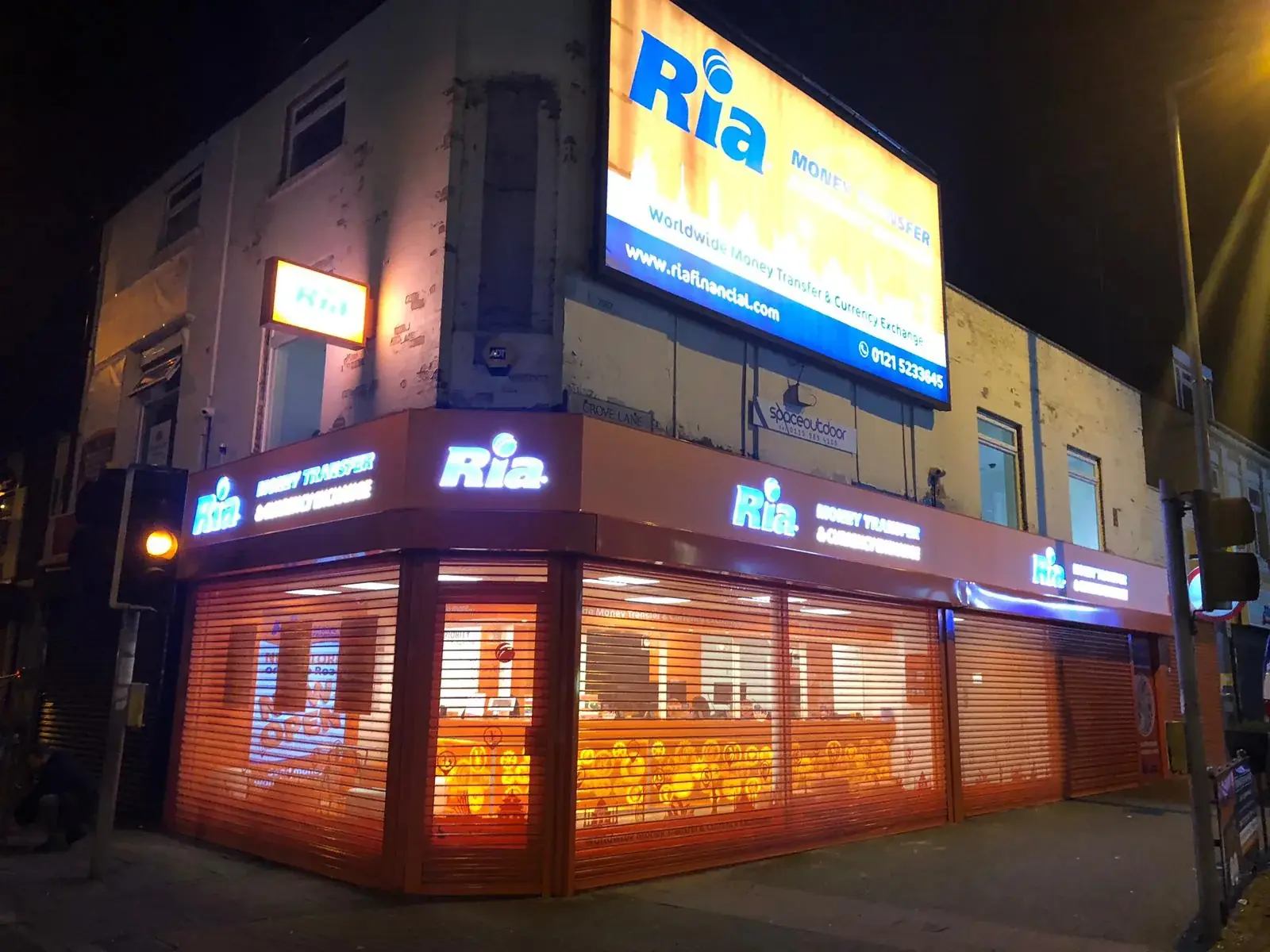
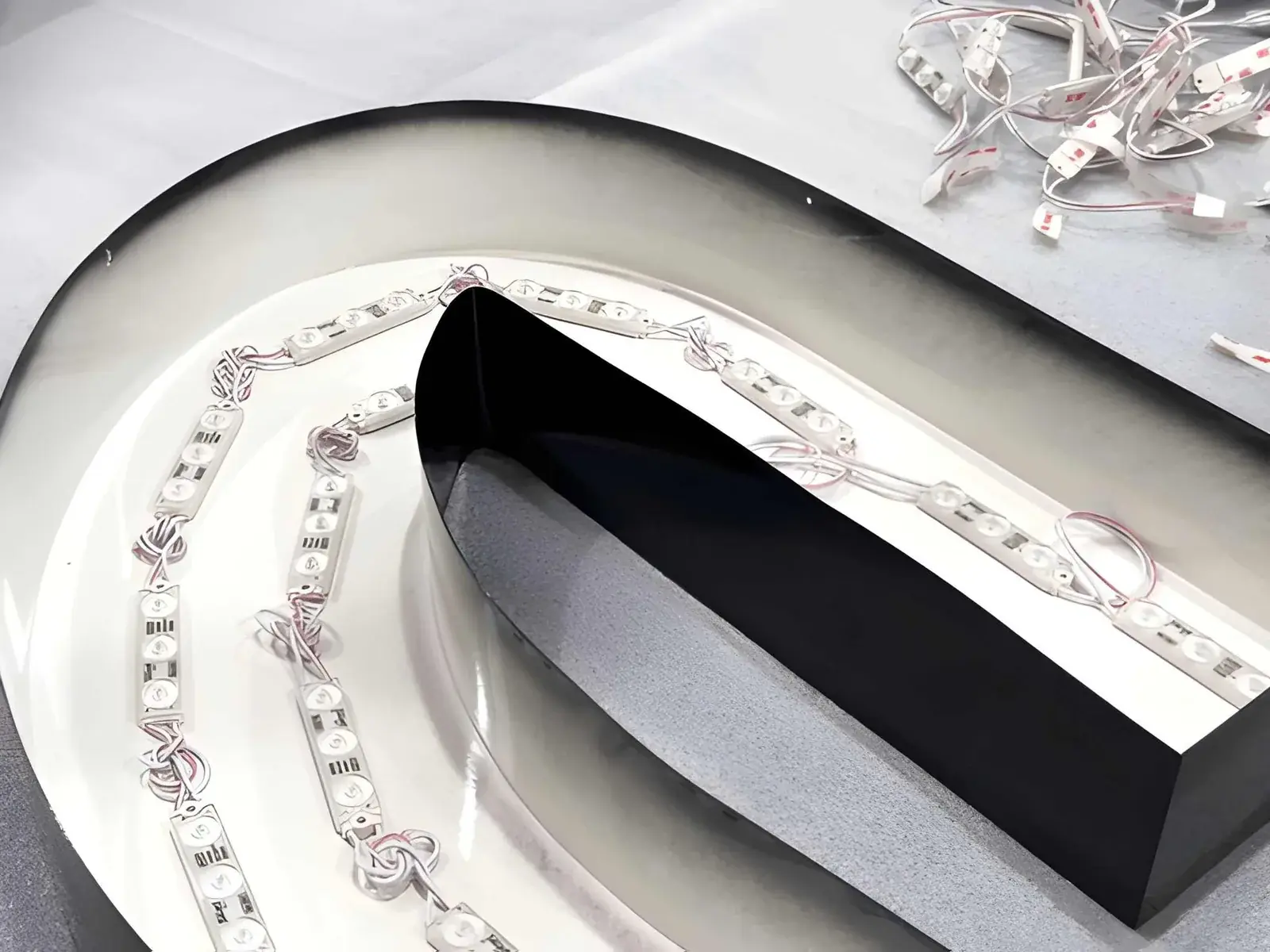
LED means a small, low-power light that can be used inside many signs. These lights let sign makers light up a panel or individual letters. In face-lit letters, light shines through the front of each letter. In halo-lit letters, light shines back onto the wall, making a soft glow around the shape. Each looks different, so ask to see how it may appear on your building. The small lights shown in the image are one part of how an illuminated letter can be made.
More brightness is not always better. A sign can be difficult to read if the light is uneven or too strong, especially beside a bright road or shop window. Look at a design in daylight and in the evening if customers visit at both times. Ask how a light can be reached if it needs care and where its power will come from. A thoughtful plan can keep the name clear without making the sign uncomfortable to look at or letting it overpower the rest of the street.
Choose signs that can be updated instead of thrown away
Some signs are made in parts, so one panel or name can be changed without replacing the whole thing. This can help in a shared building where the list of businesses changes, or at a place where room names and opening times may be updated. A shop might also keep its main name in place and change only a small area for a seasonal offer. Before choosing a sign made in parts, decide which details are likely to change and how often.
A sign that can be changed is only useful if the new part fits neatly and can be replaced without trouble. Ask how the parts join, who can make an update and whether the old parts can be reused or recycled nearby. Do not rely on a broad claim that a material is always good for the environment. Ask what it is made from, how long it is expected to last and what happens when it is no longer needed. Keeping a useful sign for longer can matter more than following a passing style.
Make signs easier for more people to use
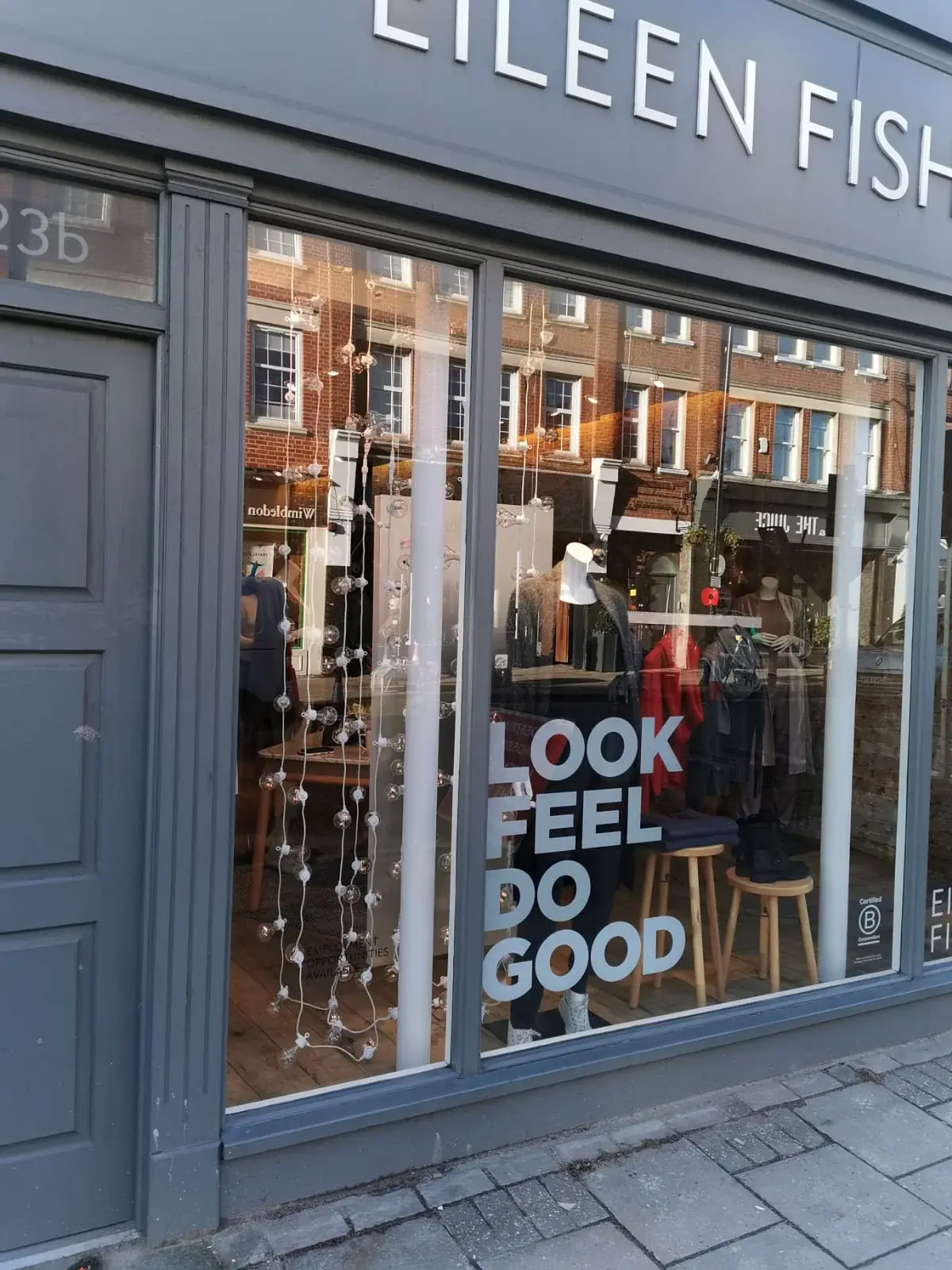
Clear signs help people who are new to a building, people who do not know the language well and people who may have trouble seeing small words. Use everyday words, strong difference between the letters and background, and signs placed where a visitor needs them. Directions should appear before a person reaches a choice, not after they have taken the wrong turn. If a building has several rooms, keep their names the same on every sign and map.
Ask someone who has never visited to follow the directions from the entrance to a room. Watch where they pause or look around. You may discover that an arrow is missing, a room name is confusing or the sign is too high to notice. If a screen gives important directions, keep a printed option too, in case the screen is off or a visitor cannot use it. For complicated buildings or legal access needs, ask a suitable professional to advise on the rules that apply to your site.
Use phone links only when they add something
A QR code is a square pattern that a phone camera can scan to open a web page. It can be useful on a sign when visitors need a menu, booking page or longer list of information. Put a short note beside it explaining what the code opens. The sign should still show the basic message without a phone. A visitor should not have to scan a code just to learn the shop name, find the entrance or see whether the business is open.
Choose a page that works well on a phone and check it whenever details change. Give one person responsibility for keeping the link current. If the page is removed or the code opens an old offer, the sign can confuse people. Think about customers who do not have a smartphone, do not want to scan a code or cannot get a signal. A useful link gives an extra choice; it should not block the simple information people came to find.
Choose an idea by asking what problem it fixes
Before buying a new screen, light or changeable sign, write down the problem. Do visitors miss the entrance? Does the menu change every day? Do names in a shared building change often? Then ask how you will know if the new sign helps. You might notice fewer people asking for directions or find that the right customers can read the offer from the pavement. A clear test makes it easier to compare ideas and stops an attractive extra from taking money and time without helping anyone.
Ask a sign maker to explain how the sign will be fitted, kept clean and updated. Ask what might go wrong and how it can be put right. London Signage can talk with business owners about sign designs and fitting plans for their premises. Bring a photo of the place, a list of the information that needs to appear and details of how often it changes. A useful plan starts with those facts and picks technology only when it makes the job easier.
Commercial Signage London — Explore sign ideas that can be planned around your space and message.
Talk through a sign idea — Tell us what you want customers to notice or understand.
Ask for a sign quote — Share the place, message and changes you have in mind.
Conclusion: choose what will be useful every day
The best new sign idea is the one that makes a real task easier. A screen can help with information that changes often. LED lights can make a name visible after dark, while signs made in parts may be simpler to update. A phone link can offer extra details, but basic information should still be right there on the sign. Before choosing, think about customers, the place, who will take care of the sign and what happens if it stops working. London Signage can discuss sign ideas and fitting plans with business owners. Start with the problem you want to fix, then choose a clear, dependable sign that suits your business rather than chasing something new for its own sake.
Frequently asked questions
Is a screen better than a printed sign?
A screen can help when the message changes often. A printed sign may be easier when the same words will stay in place. Think about who will update and care for a screen.
What does LED mean on a sign?
LED is a small light used inside many signs. It can light a whole panel or shine through or behind letters. Ask to see how the light may look on your building.
Can a sign be made so it is easier to update?
Yes. Some signs have parts that can be changed, such as a name panel or window message. Ask how the new part will fit and who can replace it.
Should I put a QR code on my sign?
Use one only if it opens something helpful, such as a menu or booking page. Say what it does and keep the main message on the sign for people without a phone.