Shop Signs
Planning a Shop Sign for Your London Frontage
Plan a shop sign that suits your building, with clear advice on size, lighting, materials, fitting and the rest of your shopfront.

The shop sign above your door is often the first thing a passer-by sees. It should make your business easy to spot and feel like it belongs on the building. In London, shopfronts sit beside many other signs, windows and doorways, so size and position matter. Light, nearby homes, the shape of the wall and the way people approach can all affect what works. This guide helps you plan the sign before approving a design. It covers what to put on it, how to choose a style, when lights may help and what to check before fitting. You know your business best. A clear plan helps a sign maker turn your priorities into a sign that works on your particular building.
Give your main sign one clear job
Start with the question a passer-by needs answered: what is this business called? Put the name or main logo first. A short line about what you do can help if the name is not clear, but a long list of services may be hard to read from across the pavement. Keep opening hours, phone numbers and changing offers for the door or window, where people can get closer. The main sign should help someone recognise the shop quickly, not make them stop to read a paragraph.
Look at the building from the places customers will see it. Take one photo straight on and others from both ends of the street. Notice trees, bus stops, awnings and nearby signs that may hide part of it. The shop sign does not need to fill the whole space above the door. Leave room around the letters so the name is easy to take in. Photos help you and the sign maker talk about the same view before choosing a size.
Pick a sign style that fits the wall
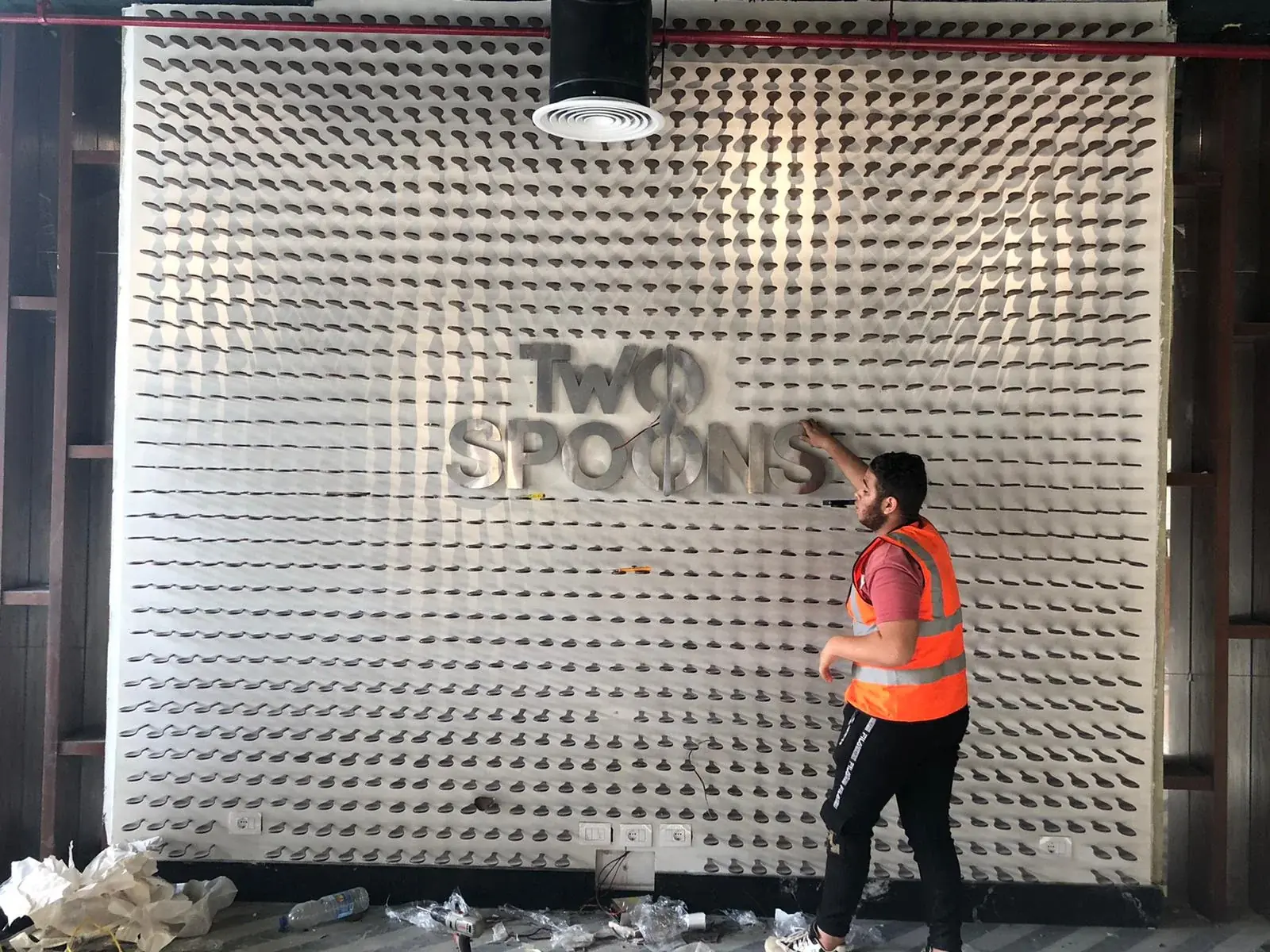
There are several ways to make a shop sign. It may be a flat printed panel, separate raised letters or a sign box with the words on its front. Cut vinyl is a thin coloured film that can be stuck to a smooth surface. Raised letters stand out from the wall and leave more of it visible. A box gives the sign a clear shape and can be lit from inside. Ask to see examples and have the sign maker explain how each choice will look from the pavement.
Think about what is already on the building. A sign beside old brick may need a different colour or finish from one above a smooth painted wall. If you hope to reuse an old sign panel, ask whether it is still flat and secure. If it must come down, find out whether removing it and tidying the wall are included. Ask how water will run off the sign and how you will reach it for cleaning. A style that looks good in a small colour sample may feel different across the whole shopfront.
Decide if lights will help customers
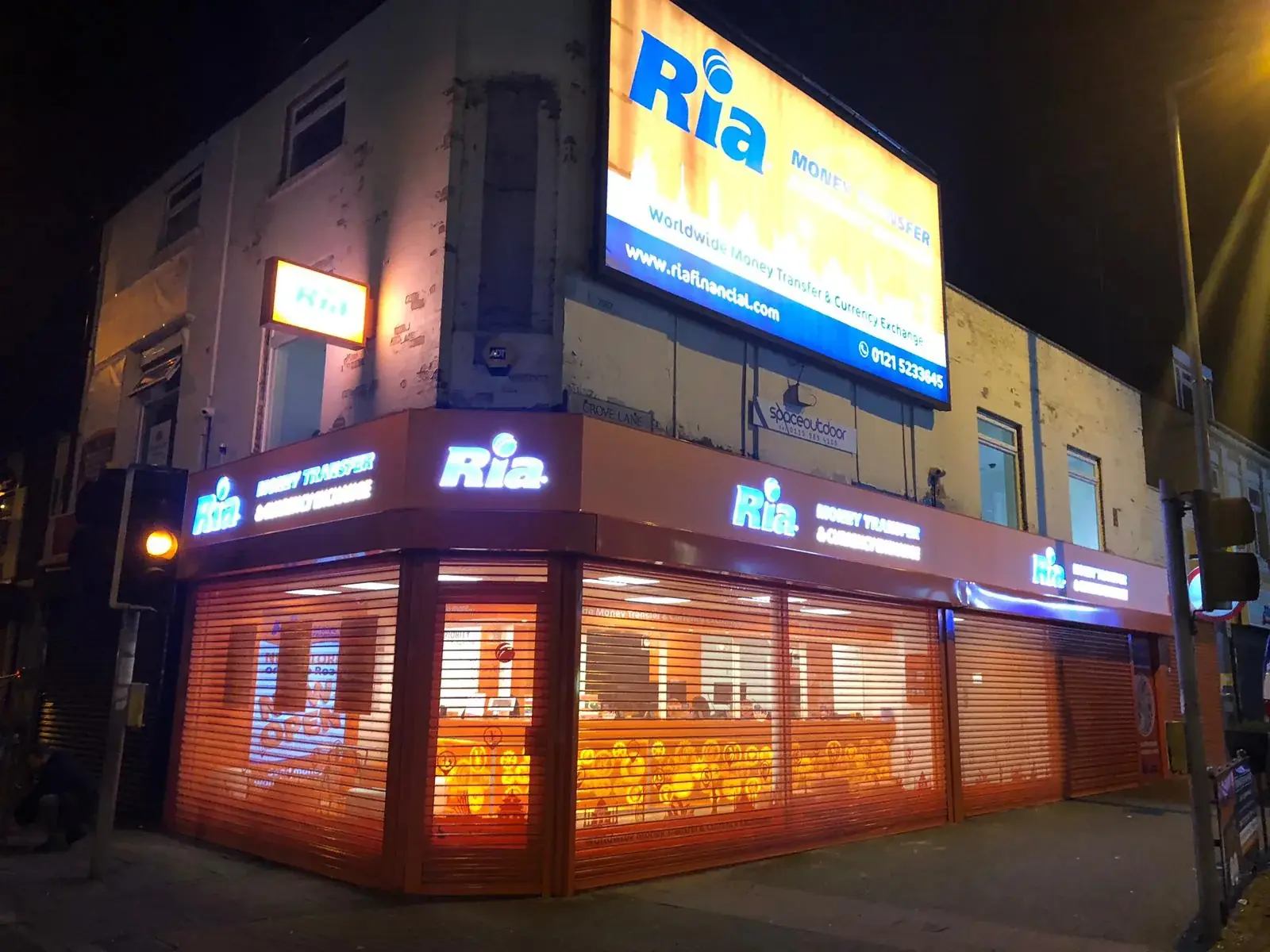
Lights may help if customers visit in the evening or the street is dim. They are not needed for every business. Think about your opening hours, the light around the shop and the mood you want. A lit sign box shines across its face. Separate letters can be lit from the front or can cast a soft glow onto the wall behind them. A sign without lights can still be a good choice when most customers visit during the day.
Ask where the wires and other electrical parts will go, who will connect them and how they can be checked later. Look at a picture of the sign on your actual building, and ask for a realistic view of how bright it will be. Make sure the name is easy to read in daylight too. If homes are close by or the building has a landlord, ask who needs to agree to the lights. It is better to check before the sign is made than discover a concern on fitting day.
Illuminated Signs London — Compare ways to light shop and business signs.
Check the size, words and colours
Ask for a drawing or picture that shows the sign at the right size on the shopfront. Check the spelling, letter size, spacing and the empty space around the words. Stand back from the screen or printed picture and ask whether you could read the name as you walk past. Very fine lines and tiny letters can disappear when a logo is made larger or smaller. If something needs to change, it is much easier to fix before the sign is built.
Colours can look different on a screen, on a printed panel and under a light. If getting the brand colour right is important, ask how you can check it before the whole sign is made. A small sample may help. Also look at the sign beside the door, windows and any sign that sticks out over the pavement. They can use different materials and still feel as if they belong to the same shop. Make sure old stickers or signs will not fight with the new name.
Plan the site check and fitting day
A site visit can uncover things that are hard to see in photos, such as uneven walls, old holes, cables, a canopy or a narrow pavement. Ask who will take the final measurements and where the sign will be fixed. Check how the team will reach the work area. The pavement may be busy, deliveries may block access or the shop may need to stay open. For a shared row of shops, confirm the area you are allowed to use and get any needed approval before the sign is made.
Ask what fitting includes. Will the team take down an old sign, bring any equipment, connect lights and clean up? Agree how they will protect the door and windows, and when they can work. If your sign has lights, be clear who arranges the electrical connection. On the day, check the sign from the pavement and make sure it matches the approved picture. Ask for simple cleaning advice before the team leaves.

Make the rest of the shopfront work together
The sign above the door is only one part of the shopfront. Window lettering can show opening times or a short list of services. A sign that sticks out from the wall may help people see you as they walk along the street. Door lettering can tell customers which way to enter. Give each part a clear job and leave enough open space so the windows do not feel covered. Take down old messages that no longer apply.
Think about how easy each part will be to change. If your offers or opening times may change, put them on a window or another part you can update without replacing the main sign. Check the whole frontage every so often. Faded stickers, damaged corners or lights that look different from each other can make the shop appear untidy. Keep the approved design and colour notes so later changes have a good starting point.
If you are planning a new shop sign in London, gather a few photos, rough measurements and the words you want people to see. Include any notes from your landlord or building manager. London Signage can talk through the choices and explain whether a site visit would help. You can ask a question first or send details for a quote. Take time to check the design on the actual shopfront, not only on a screen. A sign that suits the building, the way customers arrive and your everyday needs is more likely to keep working well after fitting day. That way, the shop stays easy to recognise.
Discuss your shopfront — Share what your building looks like and what you want the sign to do.
Ask for a shop sign quote — Send photos and details of the sign you are planning.
Frequently asked questions
What should go on the main shop sign?
Usually, make the business name or logo the easiest thing to spot. Add a short line about what you do only if it helps. Put opening hours and changing offers on the door or window.
Can I add lights to my shop sign?
Often, yes. You could choose a lit sign box, letters with lights or lights shining onto the sign. The right choice depends on the building and when you are open. Ask about wiring and care before you agree.
Can a new sign go on my current shopfront?
It may be possible. Someone should check the size, wall, old fittings and how the sign will be attached. A site visit can find problems that photos do not show.
What photos help when I ask for a quote?
Send a view straight on, views from both ends of the street and a closer picture of the wall above the entrance. Add rough measurements and any access or landlord details you know.