Practical Guides
Lower-Waste Sign Choices for Your Business
Plan signs that last, can be repaired or reused, and come with clear information about their materials and end of use.
A sign is not better for the planet just because someone calls it “green.” It takes materials to make a sign, move it, fit it and care for it. It also needs to go somewhere when it is no longer useful. For a business owner, one good place to start is to ask whether the sign you have can be repaired or updated instead of replaced. If you do need a new one, choose something that suits the place and has a clear plan for care and removal. This guide explains simple questions to ask about materials, lighting and reuse, without making promises that a supplier cannot prove.
Check whether you need a whole new sign
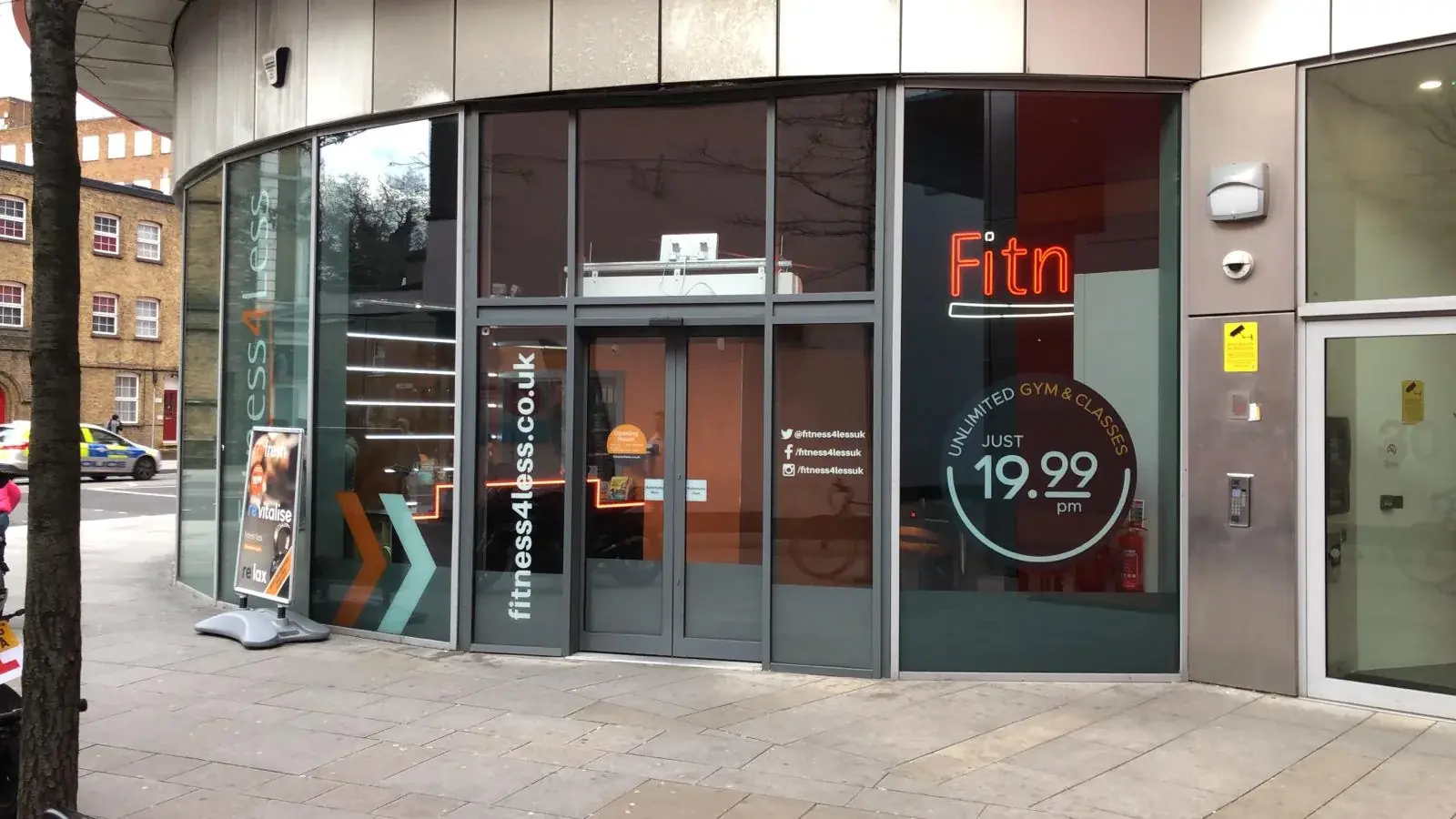
Look at the sign you already have before taking it down. Is the frame still strong? Is the lighting working? Has only the message changed? A shop that has changed its name or offer may be able to update a panel or replace a small part instead of removing everything. Ask a sign maker to look at the sign and explain what can safely stay. Reuse depends on the sign’s condition and how it was built, so it is better to check than to guess.
Sometimes only one part of a sign gets old quickly. A business name may stay the same for years, while opening hours, prices and offers can change often. Keep those short-term details separate from the main sign. A replaceable message panel or small window notice may be easier to change than a whole shopfront sign. Think about what could change during the next few years before deciding how the sign should be made.
Make a sign that suits where it will be used
A sign that is made for its real setting may stay useful for longer. Tell the sign maker whether it will be indoors or outside, whether the sun shines on it and how close people will stand. A sheltered wall and a windy street do not ask the same thing of a sign. Ask what care it needs and whether a scratched or broken part can be repaired. No sign lasts forever, but knowing how it may wear helps you make a fair choice.
Think about how long the message itself will matter. A sign for a short event has a different job from the name above a shop. Do not make a large permanent sign around a short offer unless that is what you want. Keep the main name simple and place changing details somewhere that can be updated. Save the artwork, colours and sizes so another person can understand the sign if you need a repair or new panel later.
Ask what the sign is made of
Ask for the names of the materials in the sign, including the front, backing, glue and printed layer. A sign can have several parts joined together. A material may be easy to recycle on its own but hard to sort once it is glued to another material. Ask what can be separated when the sign is taken down and whether there is a real place that accepts it. Do not assume that a recycling symbol means a local collection service will take the finished sign.
Words such as “recycled,” “recyclable” and “biodegradable” can sound clear but may have limits. Ask what the claim applies to: one part, the whole sign or the way it was made. Ask if there is written information to support the claim. If there is no clear answer, do not repeat the claim as a fact in your own advertising. You can still make a careful choice by asking about repair, reusing parts and avoiding material you do not need.
Compare the whole sign, not just one material name. A very light panel might need replacing sooner in a busy outdoor spot, while a heavier sign may use more material but stay in use longer. A small temporary notice may not need a strong permanent frame. Ask the maker to explain what matters for your shop, how the sign will be fitted and what you can do with it later. That helps you choose for the real job, not a label on a sample.
- Ask what each part of the sign is made from.
- Find out whether joined materials can be separated.
- Check whether a local service will take the material.
- Keep notes about any environmental claims you plan to share.
Avoid waste by checking details before work begins
A mistake can mean making a sign twice. Check the shop measurements, wording, colours and logo before the final drawing is approved. Look for doors, windows, lights, pipes and other things that could get in the way. If you are not sure how the sign will attach or how a worker can reach the wall, ask whether someone should visit the site. A little checking before the sign is made can prevent material and time being wasted later.
Ask how the sign maker handles offcuts and packing, and listen for a clear answer about what happens to them. Different materials may need different routes. It is fine if the answer is that some waste cannot be reused or recycled; knowing the truth is more useful than a promise that everything is recycled. Order only the number of signs you need and think about where extras would be stored. Unused signs with old prices or names may not help anyone.
Use lights only when they help
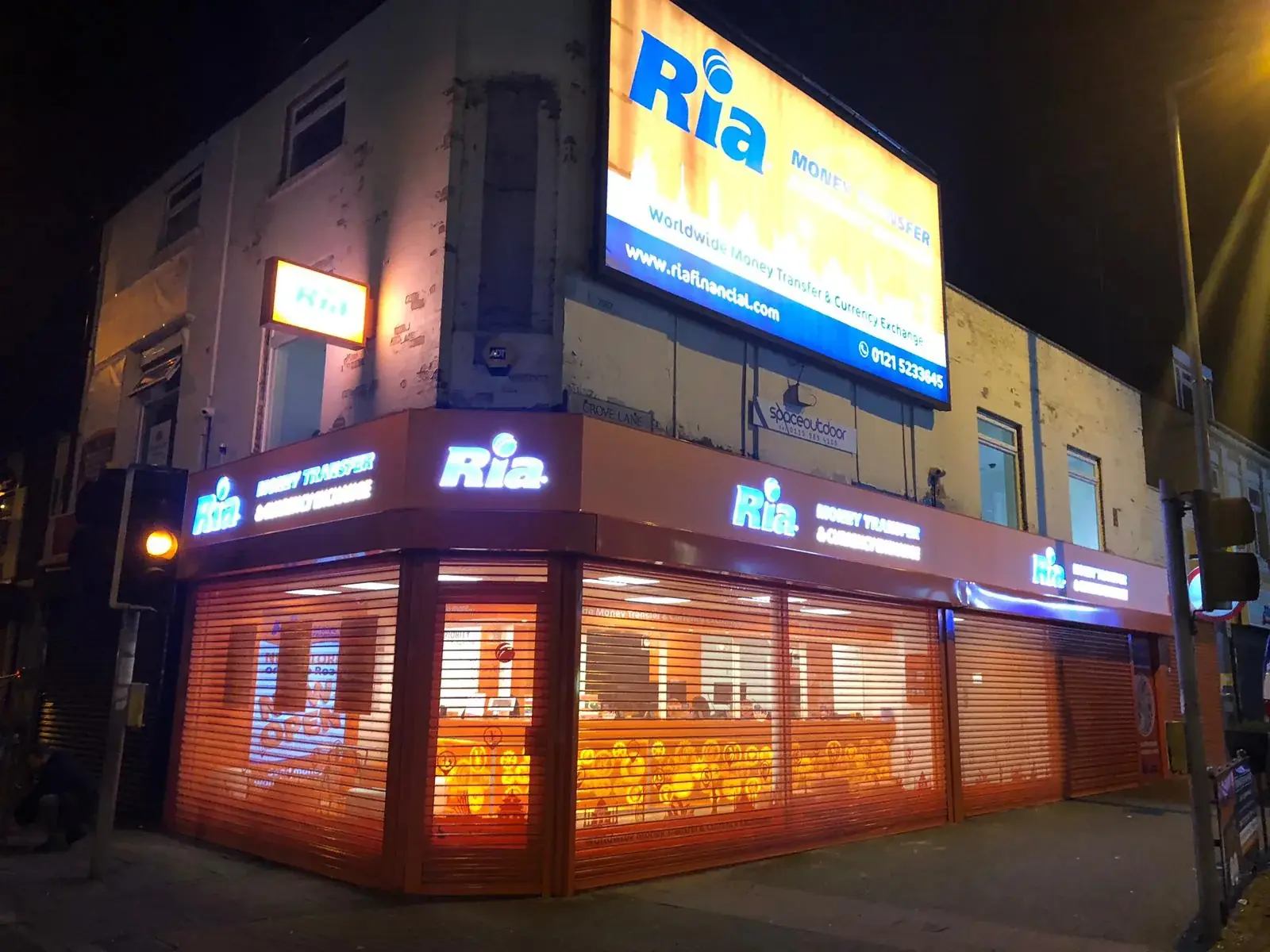
A lighted sign can help people see a business after dark or in a dim entrance. It may not be needed for a shop that is open only in daylight. Look at the street at the times your customers visit and decide what will be useful. Ask what kind of lights the sign uses, how they can be reached for repair and what should happen if one stops working. Do not choose a light only because somebody says it uses less power; ask what that means for the sign you are considering.
A sign without lights can still be hard to see if the entrance is dark or the words blend into the wall. A lighted sign can also be too bright for a small street or a nearby home. Think about the neighbours and the people who use the space, as well as your own shop. Ask a qualified person to handle electrical work. Keep enough space to reach the parts that may need care, so one broken light does not mean taking down the whole sign.

Think ahead to reuse and removal
Ask how the sign can be taken down and whether it may damage the wall. Keep a note of the fittings and materials used. If you rent the shop or expect to move, ask if the sign or its frame could be used at another location. It might not fit the next shop, but asking early can help you choose parts that are easier to remove. Reuse works best when you have a real plan for what will happen to the item, not just a hope that someone may want it later.
Before you order, ask the maker what information they can give you when the sign reaches the end of its use. They may know whether they can take it back, whether parts can be recycled or whether it needs a different kind of disposal. The answer depends on the materials and local services. Keep that information with your shop records. Someone planning a refit later will then know what the sign contains and what choices are available.
Choose with a clear, honest plan
When comparing sign choices, include the price to buy and fit, the care it needs, likely repairs and what may happen when it is removed. Tell the supplier if the sign is for a short event, a shop you expect to keep or a rented space. Ask which details they know and which are only estimates. You do not need a perfect answer for every part. It is helpful to know what is certain, what is not known and what you can check.
London Signage can talk with businesses about sign design, making and fitting while taking the place and planned use into account. Share any needs around repair, reuse or materials at the start. Ask what information can be provided and keep a copy for your own records. A thoughtful sign plan does not need big promises. It begins with using only what you need, looking after the sign and knowing what could happen when it is no longer useful. Those small steps can help you make a clear choice for your shop and explain it to your team and the people who use your space.
Commercial Signage London — Talk through materials, repairs and how long you plan to use a sign.
Talk with London Signage — Share your questions about a sign and its care.
Ask about a sign project — Tell us what you need and what matters to your business.
Questions about lower-waste signs
Frequently asked questions
What makes a sign a lower-waste choice?
First check whether you can repair or update the sign you have. For a new sign, ask how long it may last, what care it needs and what can happen to it later.
Is a recyclable sign always the best choice?
Not always. The whole sign may have joined parts that are hard to separate, and a local service needs to accept it. Repair and reuse matter too.
Can I reuse an old shop sign?
Sometimes. Ask a sign maker to check its condition, how it is fixed and whether the words or size can work in the new place.
What should I ask a sign maker about materials?
Ask what each part is made from, what care it needs, whether it can be repaired and what may happen when the sign is removed.