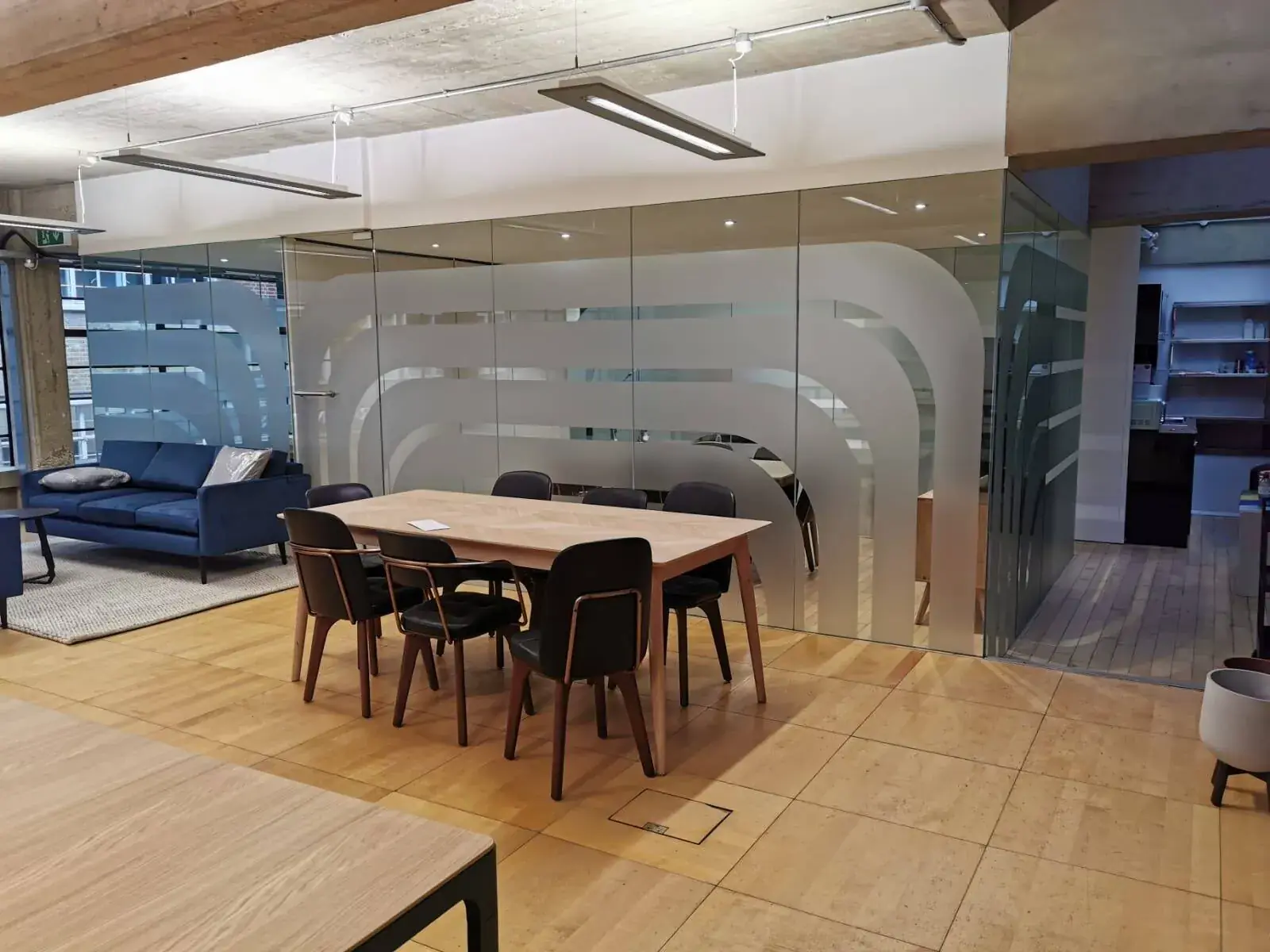
Made-to-Fit Signs
When Your Business Needs a Made-to-Fit Sign
A practical guide to planning a made-to-fit sign when a standard size or style will not work for your space, message or business.
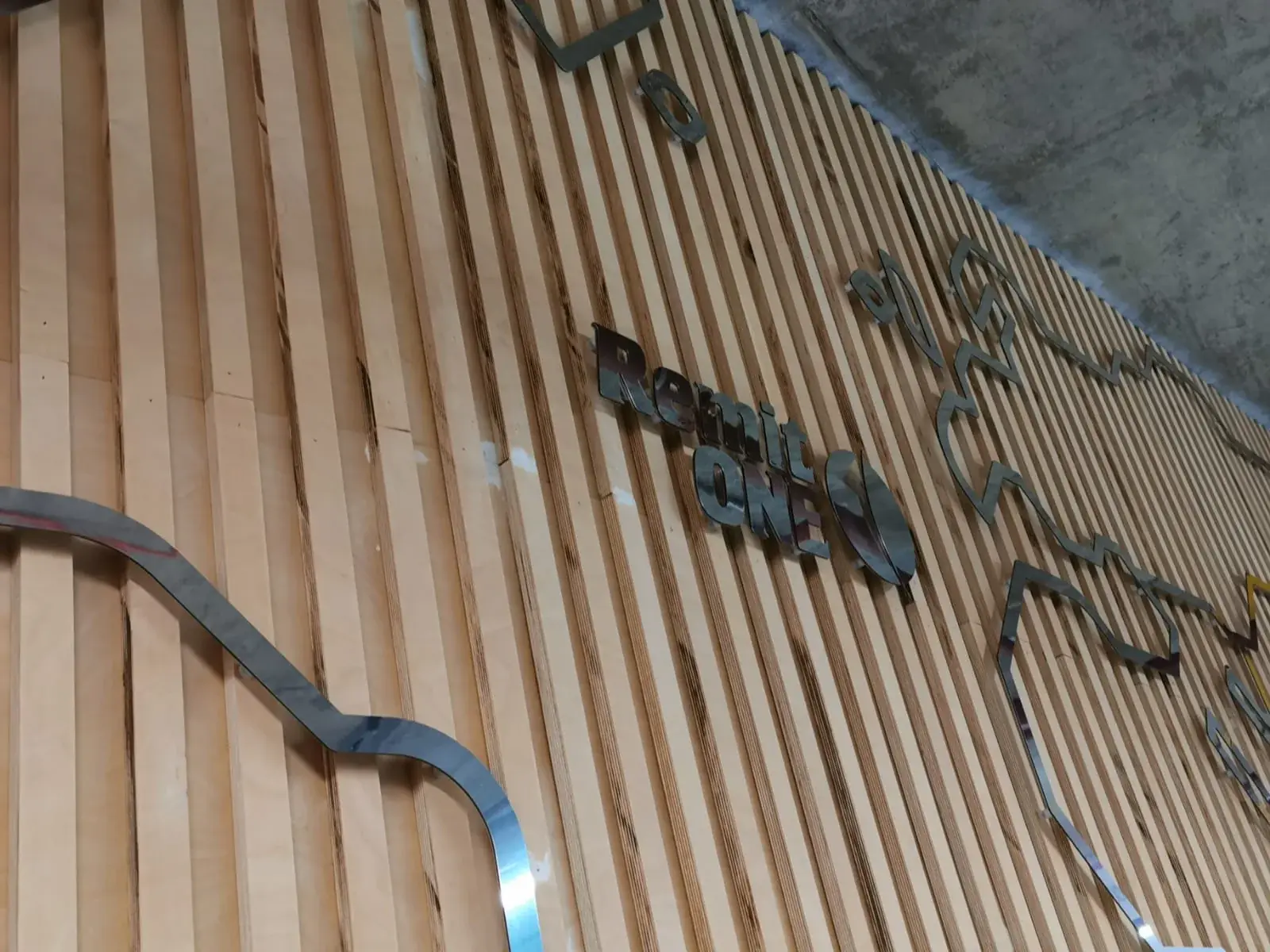
Sometimes a ready-made sign is just not right for a business. The wall may be an unusual shape, the entrance may be hard to spot or the sign may need to match several parts of a room. A made-to-fit sign can be planned around those needs. That does not mean it has to be complicated. The best place to start is with the thing a standard sign cannot do for you. This guide explains how to describe that problem, look at design choices and plan the work from first drawing to fitting. It is written for business owners who want a sign that suits their building and daily use. Clear details at the start help everyone understand what the finished sign needs to do.
Say what a standard sign cannot do
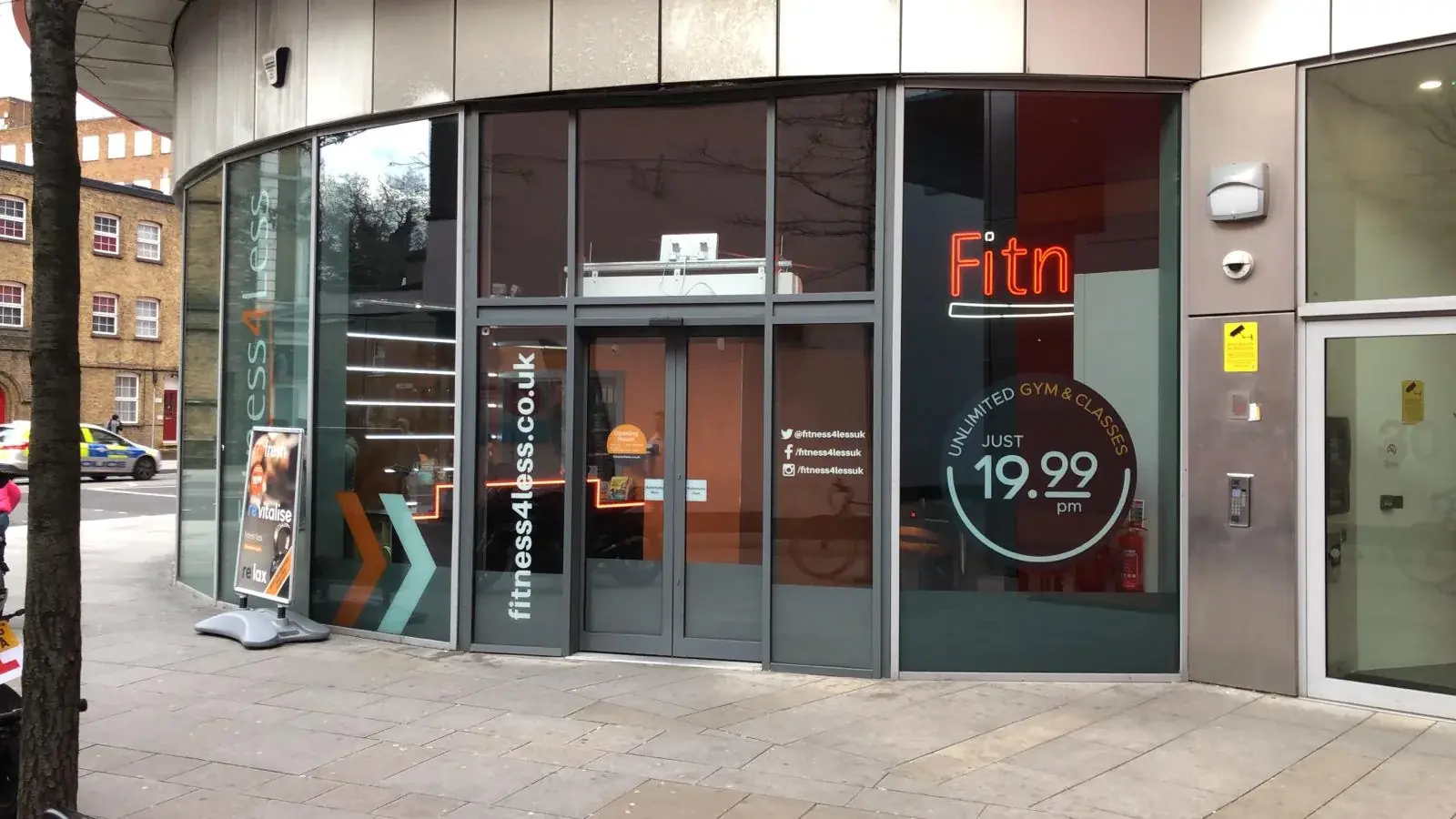
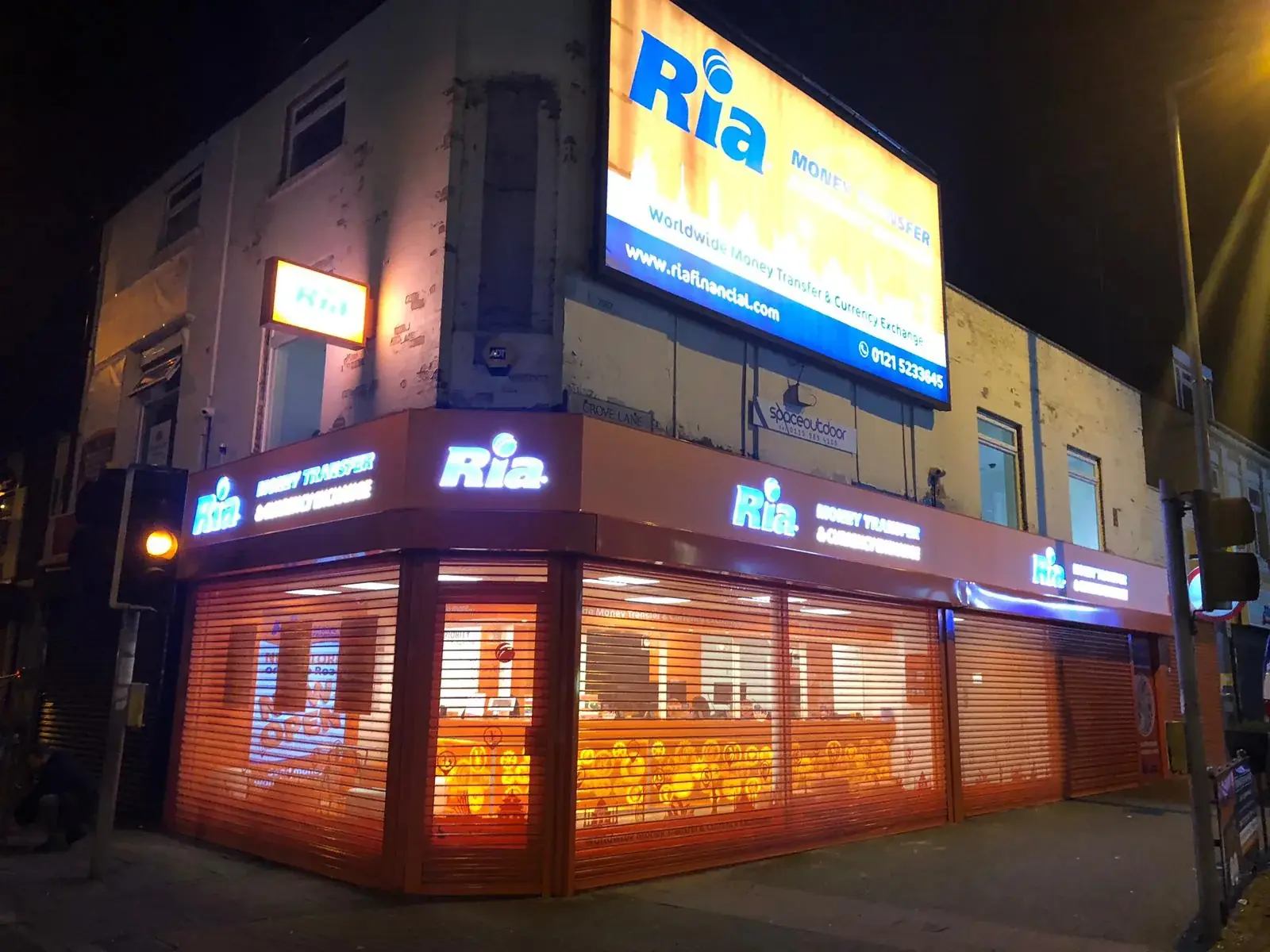
Begin with the reason you need something different. Perhaps the sign must fit a curved wall, sit between two windows or be seen from several directions. Maybe the business name needs to match a special colour, or visitors need clear directions through a busy space. Explain who will read it, where they will be and what you want them to understand. This keeps the sign focused on a real need instead of adding details just because they look unusual.
Write down what must stay and what you are open to changing. The business name, logo and place for the sign may be fixed. The material, shape or way it attaches might have more than one option. Take photos, add rough measurements and include any logo files or building drawings you have. Tell the sign maker who needs to approve the design. A landlord, designer or building manager may need to see it too, so it helps to know that early.
Choose a shape and style for the job
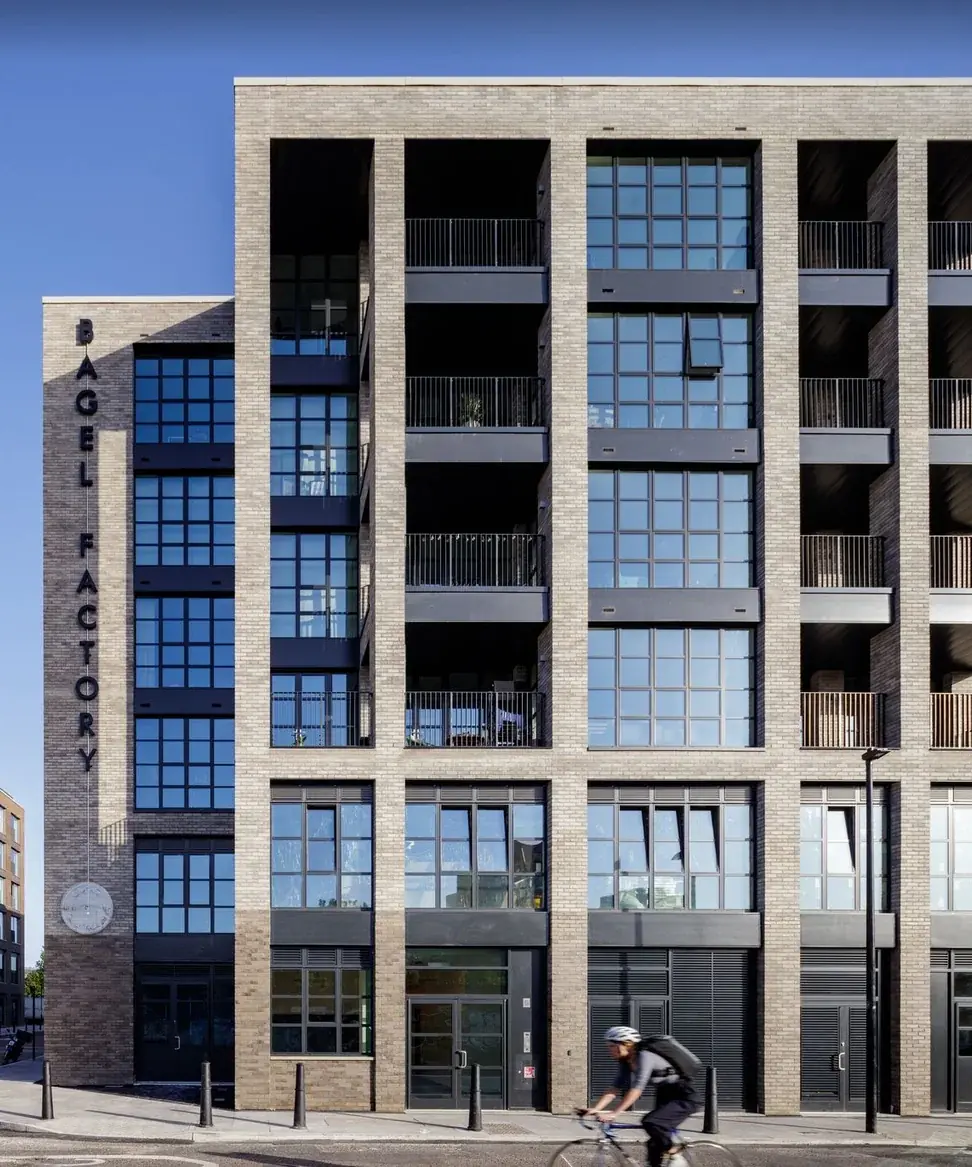
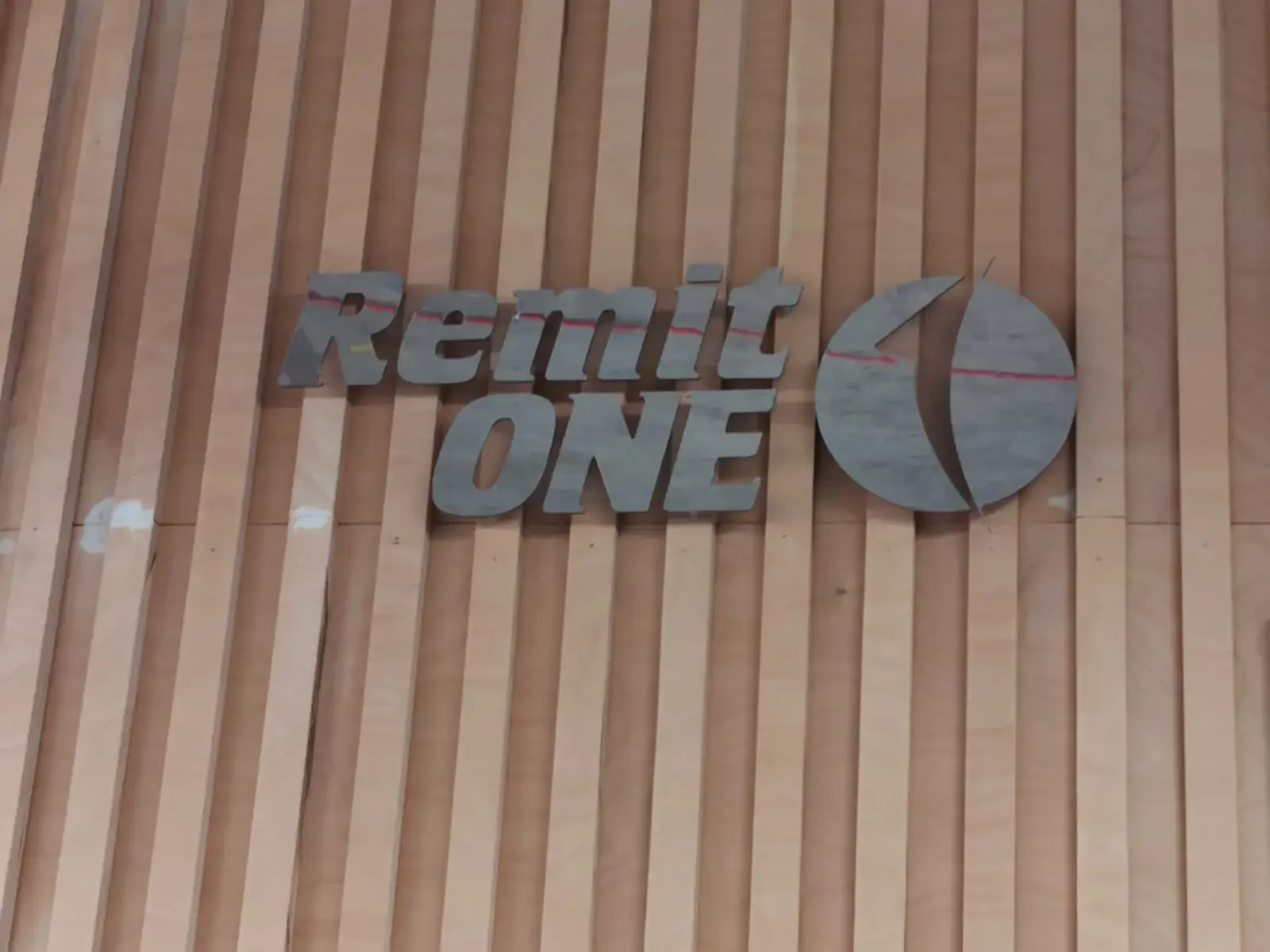
Made-to-fit signs can use flat panels, cut lettering, plaques, raised letters, wall graphics or lit parts. Cut vinyl is a thin coloured film that sticks to a smooth surface. Each choice gives a different look. A row of raised letters may suit a reception wall, while a flat sign with an arrow may be easier to use in a corridor. If you need several signs, they can have a shared look without all being the same size or shape.
Ask how each choice will look, how it will attach and how it can be cleaned. If two materials meet, ask what the join will look like. A small sample can help you check colour and shine in the room where the sign will go. For a sign with lights, ask how bright it will be and where the electrical parts will sit. Think about the unlit sign too, so it still looks right if the lights are off.
Check the design at its real size
A logo or drawing on a screen can look clear but be hard to read when it is made small. Fine lines, tiny words and detailed shapes may disappear. Ask to see the sign at the size it will be made and from the distance people will stand. Check the spelling, letter spacing and position. If the sign sits beside a door, desk or window, make sure the picture shows how those parts fit together. A clear drawing gives you a chance to ask for changes before work begins.
If you have several signs, use the same name for each place and keep the colours and logo consistent. The outside sign may need big letters that can be seen from the street. An indoor sign may use smaller words because people stand close. Ask for a list of each sign, where it goes and what it says. Keep the approved pictures and colour notes. They will help if you need another sign later.
Commercial Signage London — See raised-letter signs for business interiors and exteriors.
Check the building before the sign is made
The sign has to fit the real wall, not only the picture. Check its size, the wall surface, where it can be attached and how the team will reach it. A site visit may help if the wall is unusual, the sign is large or there are old fittings in the way. If the building is still being changed, agree who will check the final size and when. A small difference can matter when the sign needs to line up with a desk, window or row of tiles.
Ask what parts or joins will be visible and whether a sample sign is useful. Find out when you must approve the final drawing. After approval, a change to the size or words may mean more work, so it is worth checking carefully. If the project includes lots of signs, keep a list of their words, sizes, colours and places. That list can help you keep track of everything from the first sign to the last.
Plan who approves and who fits the sign
A made-to-fit sign may need a few people to agree. You may choose the look, while a landlord approves the outside of the building or a designer checks that it suits the room. A building manager may arrange access. Ask who needs to approve the words, colour and position, and give them a chance to review the picture before the sign is made. If your building has special rules, check them with the person responsible for the site.
Ask what fitting will involve. Does the team need a ladder or other equipment? Can they work while the business is open? Will they take down the old sign, connect any lights or tidy the wall? Make sure everyone knows who will arrange keys, power and access. If the sign is going in a finished room, ask how nearby walls and furniture will be protected. These questions help fitting day feel like a planned step, not a surprise.
Make sure the sign will be easy to care for
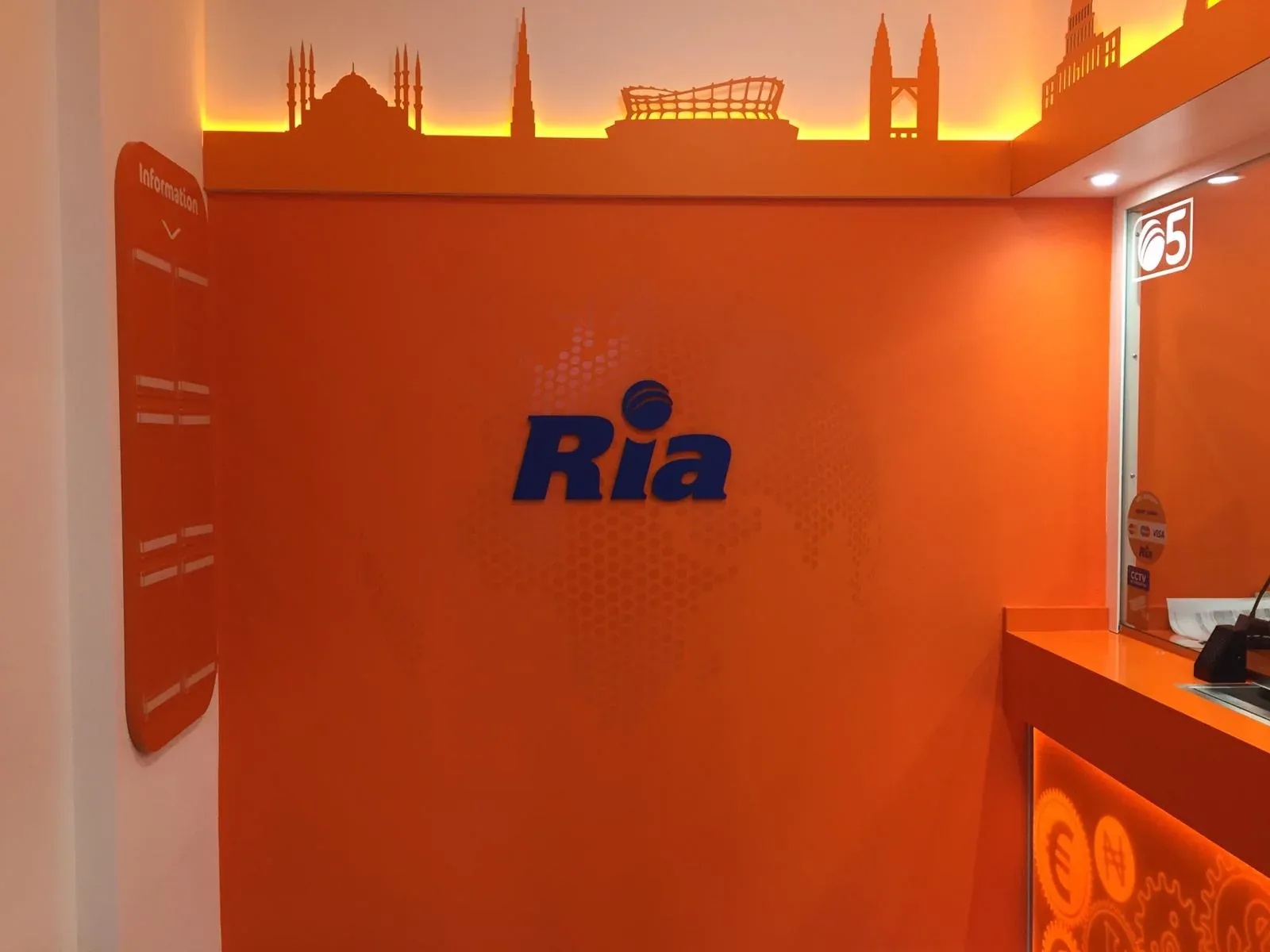
Think about dust, fingerprints, sunlight and the cleaning products used in your building. Ask how to clean each part without damaging it. Find out whether a damaged letter or panel can be replaced on its own. If a sign includes information that may change, ask about a part that can be updated without remaking everything. Keep the original design file and notes about its size and materials.
A business may change its hours, name or services. Put details that change often on a part that is easy to replace. The main name sign can stay in place while a smaller panel or window message changes. At handover, keep the final picture, colour choices and fitting notes together. Those details help with cleaning, repairs and future additions. A special sign should work for your business today and still be understandable to the next person who looks after it.
When you speak with London Signage, explain what a standard sign cannot do and share photos of the place where it will go. Add any rough measurements, logo files and notes about who needs to approve it. You can start with a question or send the details for a quote. Ask how the sign will be made, fitted and cared for before choosing a design. A made-to-fit sign is a good choice when its shape or materials solve a real problem. A clear brief helps you see whether the idea will work in your building and makes later changes easier to plan.
Talk through a made-to-fit sign — Explain what your building or business needs the sign to do.
Ask for a custom sign quote — Send photos and details about the sign you are planning.
Frequently asked questions
When should I choose a made-to-fit sign?
It may help when a standard size or style will not fit your wall, name, message or visitor route. Start by explaining what a ready-made sign would not do.
What should I send with my first message?
Share the sign’s job, where it will go, photos, rough measurements and your logo if you have one. Mention who needs to approve the design.
Can one sign use more than one material?
It may be possible. Ask how the materials will meet, how the sign will attach and how to clean each part. A sample can help you see the colours together.
Can I change a made-to-fit sign later?
That depends on how it is made. Ask whether words or panels can be replaced separately, and keep the final design and material notes.