Office Signs
Office Signs That Help Visitors Feel Welcome
Plan clear office signs that help visitors find reception, meeting rooms and useful services, while giving your workplace a warm, joined-up look.

A visitor’s first few minutes in a workplace can shape how they feel about the whole visit. They may need to find the entrance, check in, reach a meeting room and know where to wait. Clear office signs can make each step calmer for guests and easier for staff. They can also give a workplace a look that feels connected, from the sign outside to the name on a meeting-room door. This is useful whether you run a small office with a few rooms or a larger building with several floors. The best plan starts with the people who use the building, not with a list of products. Walk the route they take, notice where they pause, and add information where it will help.
Follow a visitor from the door to the meeting room
Take the route of someone who has never visited before. Start outside and walk towards the entrance. Is it clear which door to use? Once inside, can a guest spot reception without having to ask? After checking in, can they find the lift, the right floor and the meeting room? Write down every point where a person has to choose a direction. Those are the places where a sign may help.
Try the route with different visitors in mind. A job candidate may arrive early and feel unsure about where to wait. A courier may need a delivery point rather than the main desk. A customer with a pushchair or mobility aid may need a step-free route. Your signs should give useful directions without promising access that is not available. Ask reception staff what questions visitors ask most often. Their answers can help you spot a missing sign or confusing room name.
Give each sign one main job. A sign at the entrance might say where to check in. A directory near the lifts can show what is on each floor. A small sign by a room can confirm its name. If every sign repeats every detail, people have more to read and the important part gets lost. Put the answer near the moment someone needs it, then help them with the next step.
Make the signs feel like they belong together
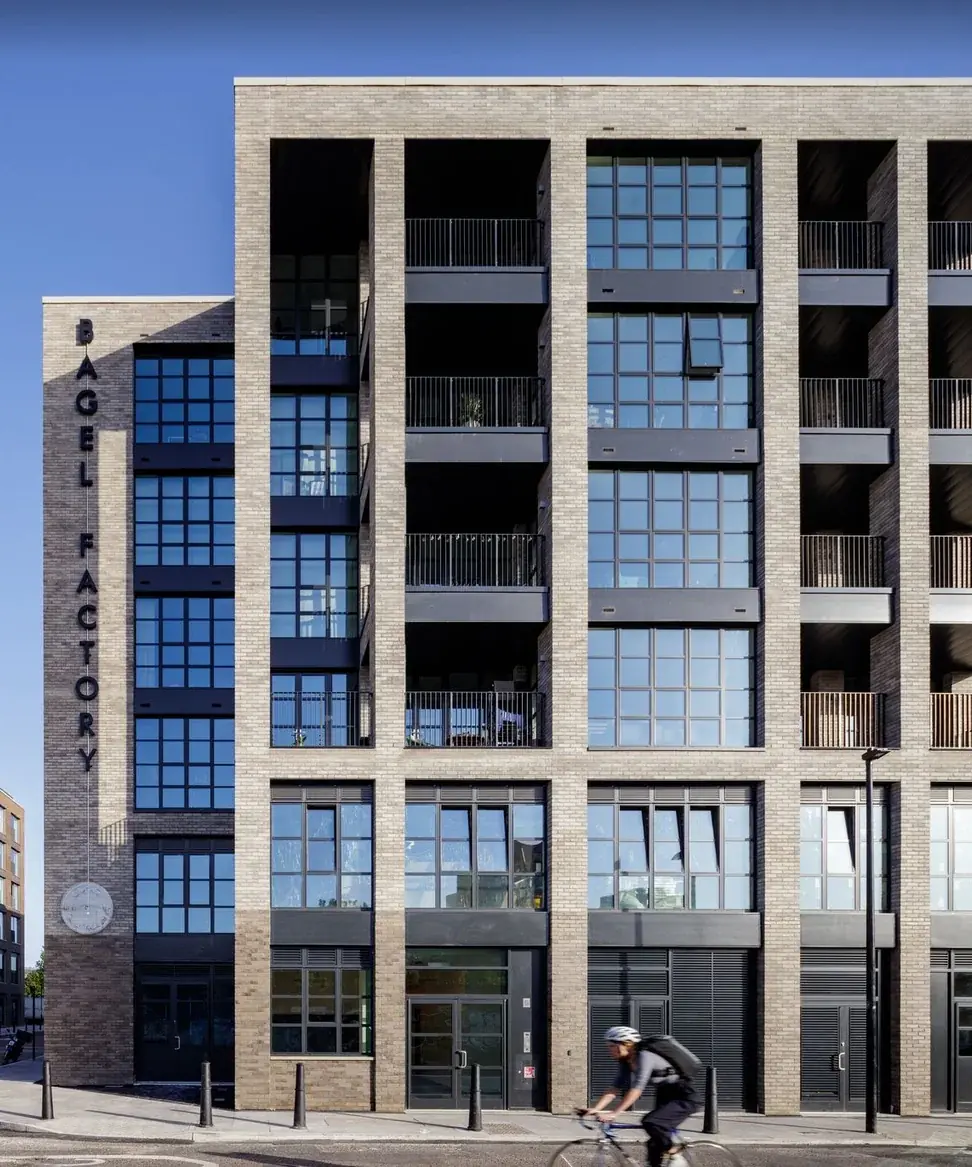
An office may need an outside name, a welcome sign, floor markers, room names, directions and safety notices. They do not have to look exactly alike, but a few shared choices can tie them together. You might use the same colours, letter style, arrow shape and friendly wording. Create simple layouts for the different sign jobs, rather than squeezing every message into one design.
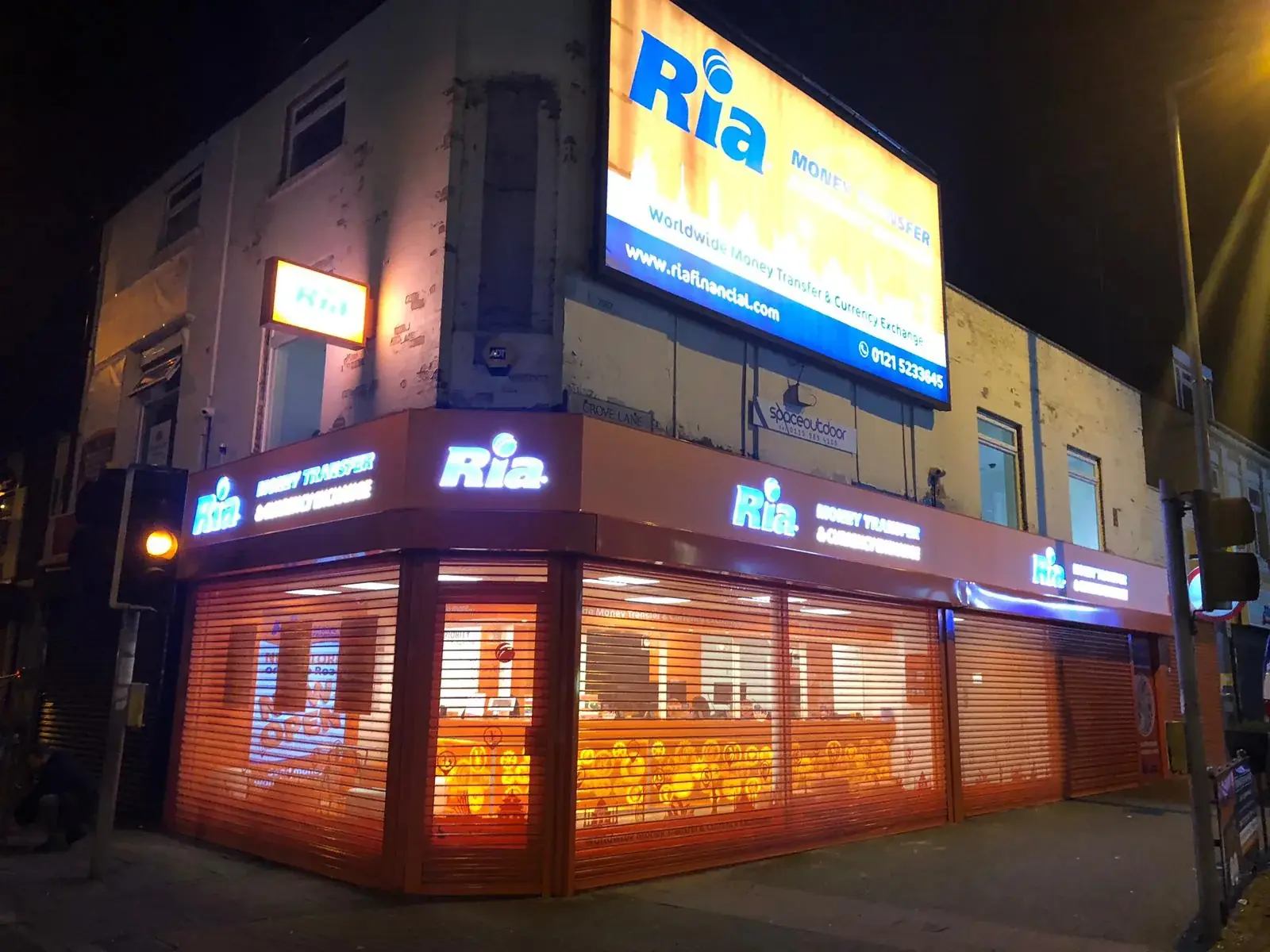
A logo does not need to appear on every panel. On a direction sign, the room name and arrow matter most. At reception, a wall logo can do more to welcome people because they have time to look. Keep the wording easy to read and avoid decorative details that compete with it. A consistent look comes from the whole set working well together, not from repeating a logo everywhere.
Think about how your team speaks to visitors. A room called “Project Hub” may make sense to staff but not to a first-time guest. Consider adding a plain clue such as “Project Hub — meeting rooms” if that helps. The same care applies to floor names, department labels and instructions. Short, familiar words are easier to spot while someone is walking.
Choose finishes that suit daily office life
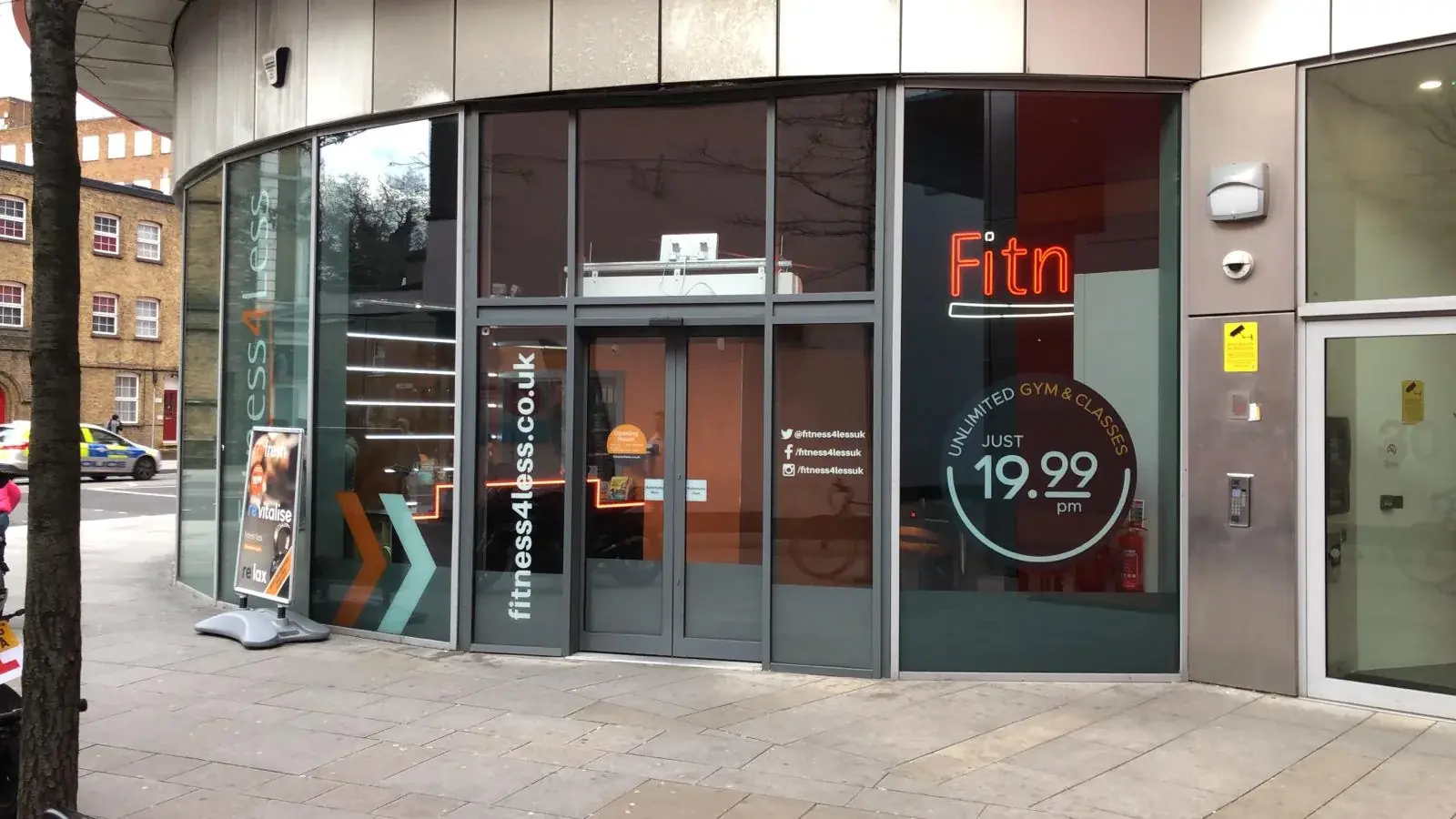
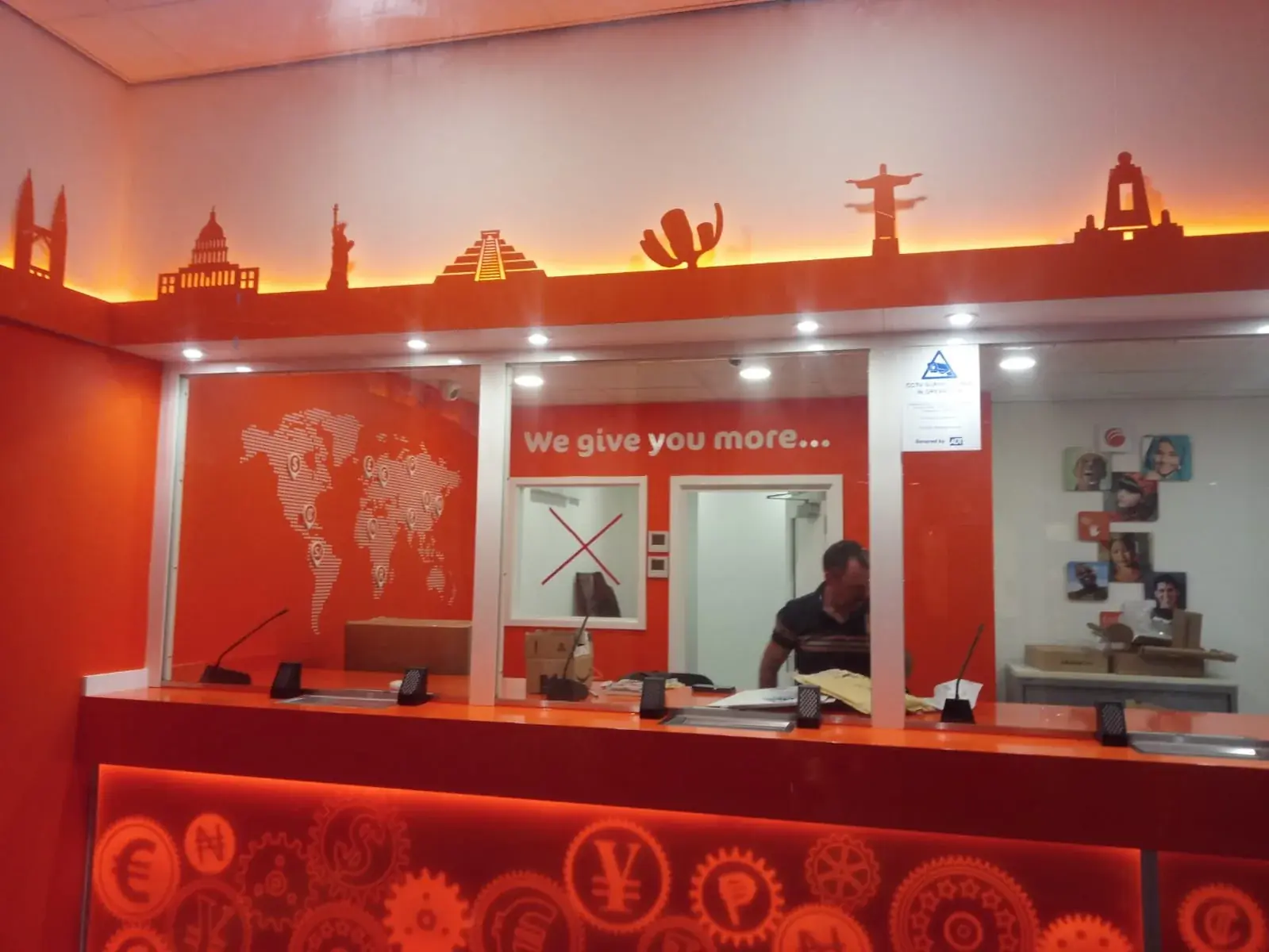
A sign should suit the place where it will be used. A printed panel can work well for a directory that changes from time to time. Vinyl is a thin, sticky film that can carry words or patterns on smooth walls and window glass. Raised letters can give a reception wall more depth. Ask to see material samples and consider how they will look in the real light of your office.
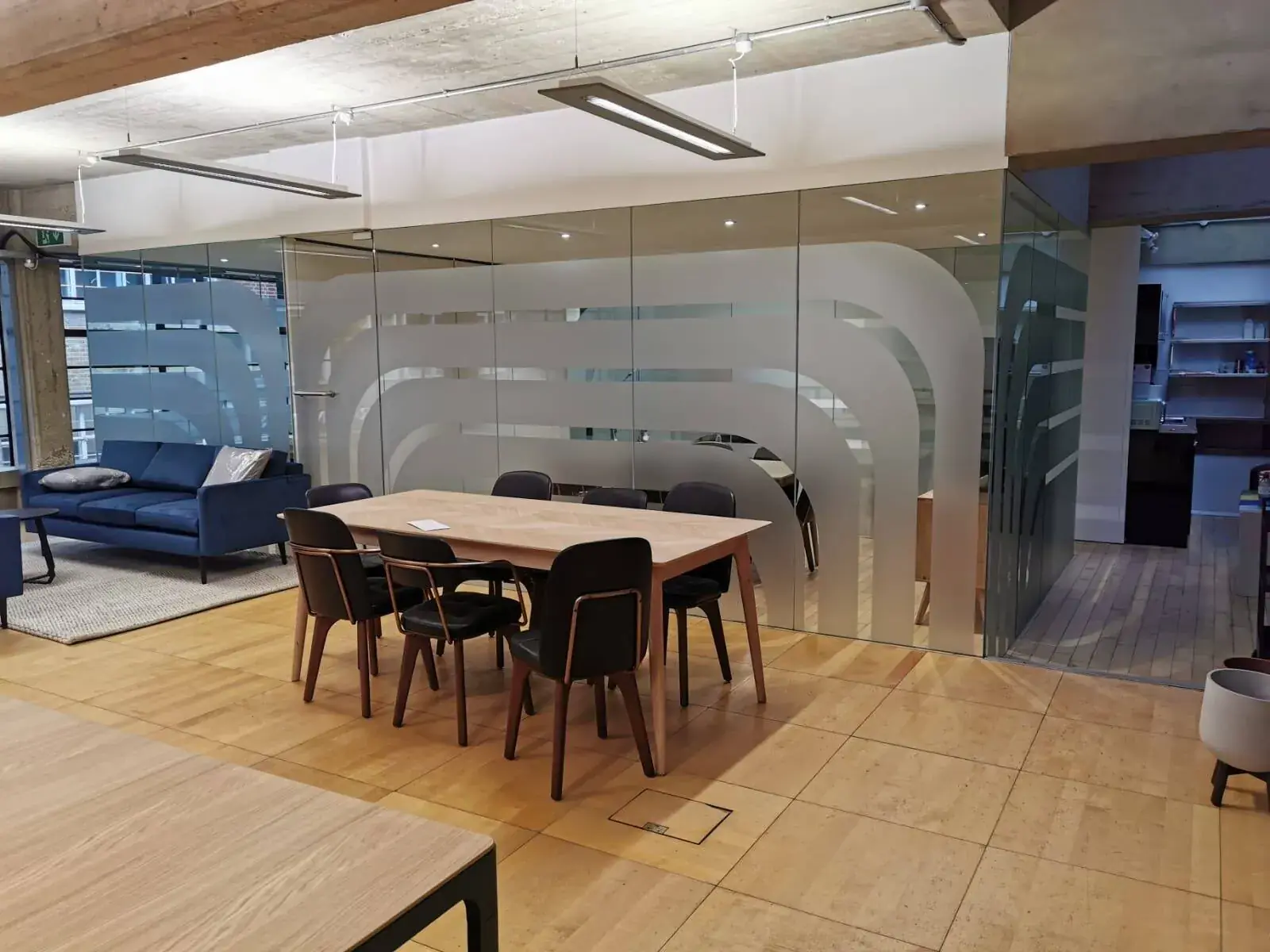
Think about fingerprints, sunlight and cleaning. A shiny surface can catch glare beneath bright office lights. A textured finish may be harder to wipe clean. Window glass can be difficult to notice, so a simple band or pattern helps people see it while adding a little privacy. Use a pattern that leaves sightlines clear where people need to see through the glass.
If room names change often, ask how they can be updated without replacing a whole sign. A panel with a changeable insert may be useful. If the wording is unlikely to change, a fixed sign may be simpler. Decide who can request a change and who checks the spelling and room names before new signs are made. This avoids one floor showing an old name after a team has moved.
Keep directions short, clear and current
People often read directions while walking, carrying a bag or talking to someone. Use short labels and arrows that point the way clearly. Group a long list by floor or purpose, rather than presenting one crowded list. Avoid initials that only staff know. If a visitor needs to find a particular team, use the name they were given when booking their visit.
Keep a simple list of every sign, its location and its wording. You can add its size, colour, material and a photograph too. This list is handy when people move rooms or when you refresh a floor. Check that the directory, lift area and room door all use the same name. A quick walk-through with someone unfamiliar with the building can show where directions are still missing.
For offices in more than one location, keep a shared look but do not copy one building’s directions blindly into another. The layout and room names may differ. Mark which details are shared and which belong to each site. When a floor changes, update the directory, temporary notices and door signs together. Give one person responsibility for approving changes and saving the current artwork so an old version is not used by mistake.
Prepare carefully for fitting signs in a working office
Before signs are made, check the wall or window where each one will go. Is the surface painted, tiled, wooden or glass? Is the wall strong enough for the planned sign? Measure the space and note nearby doors, lights, switches and furniture. A clear photograph can help, but a site visit may be needed when measurements or fitting details are uncertain.
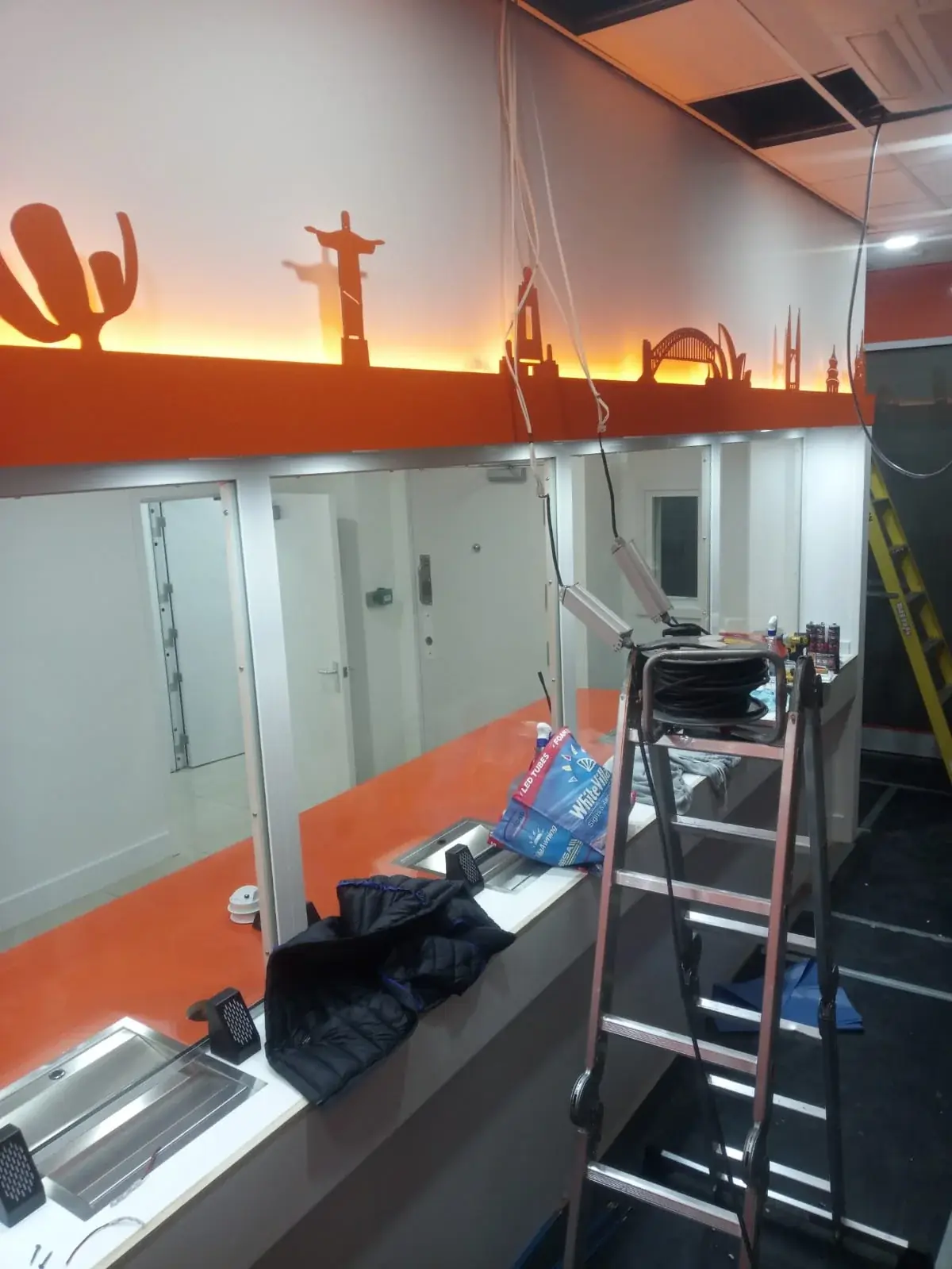
Talk with the people who look after the building about working hours, deliveries and access. Decide whether reception or a meeting room needs to be closed while fitting takes place. Make sure the installer has the approved artwork and knows the final positions. Protect nearby surfaces and keep walkways open. If the office will remain open, tell staff what areas may be noisy or briefly unavailable.
Conclusion: make office signs part of the welcome
Good office signs help guests feel expected and help staff answer fewer routine questions. Start by walking the visitor route, then decide what each sign needs to say. Use shared colours and lettering to make the set feel connected, while keeping every message short and easy to read. Choose finishes that suit the light, cleaning routine and how often details change. Before fitting, check positions, access and timing with the people who run the building. London Signage can discuss office signs for reception, rooms and shared areas. You can explore the office signs service, contact the team with details about your building, or send photographs and a short brief through the quote form. A little planning helps your signs welcome people and guide them through the day.
Commercial Signage London — Explore signs for reception, rooms and shared work areas.
Talk about your office — Share how visitors move through your building.
Ask for a quote — Send a short brief, photographs or useful drawings.
Frequently asked questions
What signs might an office need?
Many offices use an entrance sign, reception sign, floor directory, room names and direction signs. Start with the questions visitors ask, then add only the signs that help answer them.
Can new office signs match our existing look?
Yes. Share your logo and colours, and explain where each sign will go. The design can use those familiar details while keeping names and directions clear.
How can we keep a room directory up to date?
Keep a list of room names and decide who approves changes. If names change often, ask about a directory with parts that can be swapped without replacing the whole panel.
Can signs be fitted while our office is open?
It may be possible. Agree working areas, timing and access with the building team first. Tell staff about any rooms or walkways that may be briefly affected.