Business Sign Guides
A Practical Guide to Business Signs in London
Plan clear business signs in London, from the first customer view to choosing sign types, checking the site and keeping signs in good shape.

A good sign answers a simple question: “Is this the place I am looking for?” That matters whether you run a shop, office, café or service business. In London, people may pass your door on foot, by bike or from across a busy road, so they often have only a moment to spot your name. A business sign can also show where to enter, when you are open and where to go once inside. The best plan starts with the people who visit and the questions they need answered. Then you can choose signs that suit your building, your business and the way customers arrive, instead of adding signs just because there is space.
Decide what customers need to know first
Write down the one thing someone should notice first. It may be your business name, a short description such as “family dentist”, or the place to enter a shared building. Keep that main message short. If your business name already tells people what you do, it may be all the front sign needs. If it does not, a few helpful words can give people the missing clue. Save phone numbers, long lists and special offers for places where people can stop and read.
Think about who sees each message and how long they have. A person walking past needs a large, simple name. A visitor waiting at reception can read a longer list of rooms. A delivery driver may need the building number or unit name. Take photos from the routes people really use, not just a straight-on photo from the pavement. Check both directions along the street, the view from across the road, and what happens after dark if you stay open late.
- Choose the one message people should notice first.
- Take photos from the places customers approach from.
- Keep distant signs simple and put details where people can stop.
- Check that doors, trees and nearby signs do not hide your message.
Plan the whole visit, not just the front sign
Imagine arriving as a new customer. First you need to spot the building, then find the right door, and then know that you have arrived. Some businesses can do all of that with one clear sign. Others share a building, sit above a shop, or have a doorway set back from the street. A small sign by the entrance or a directory inside may help more than making the main sign bigger.
Give each sign one clear job. A sign that gives directions should help a visitor choose where to go. A window sign can show opening times or a short offer. A sign inside can point to a counter, meeting room or toilet. Use the same name, colours and logo across the signs so they look like they belong to one business. Do not repeat every message on every surface; too many words can make it harder for people to find the useful one.

Choose a sign type that suits the building
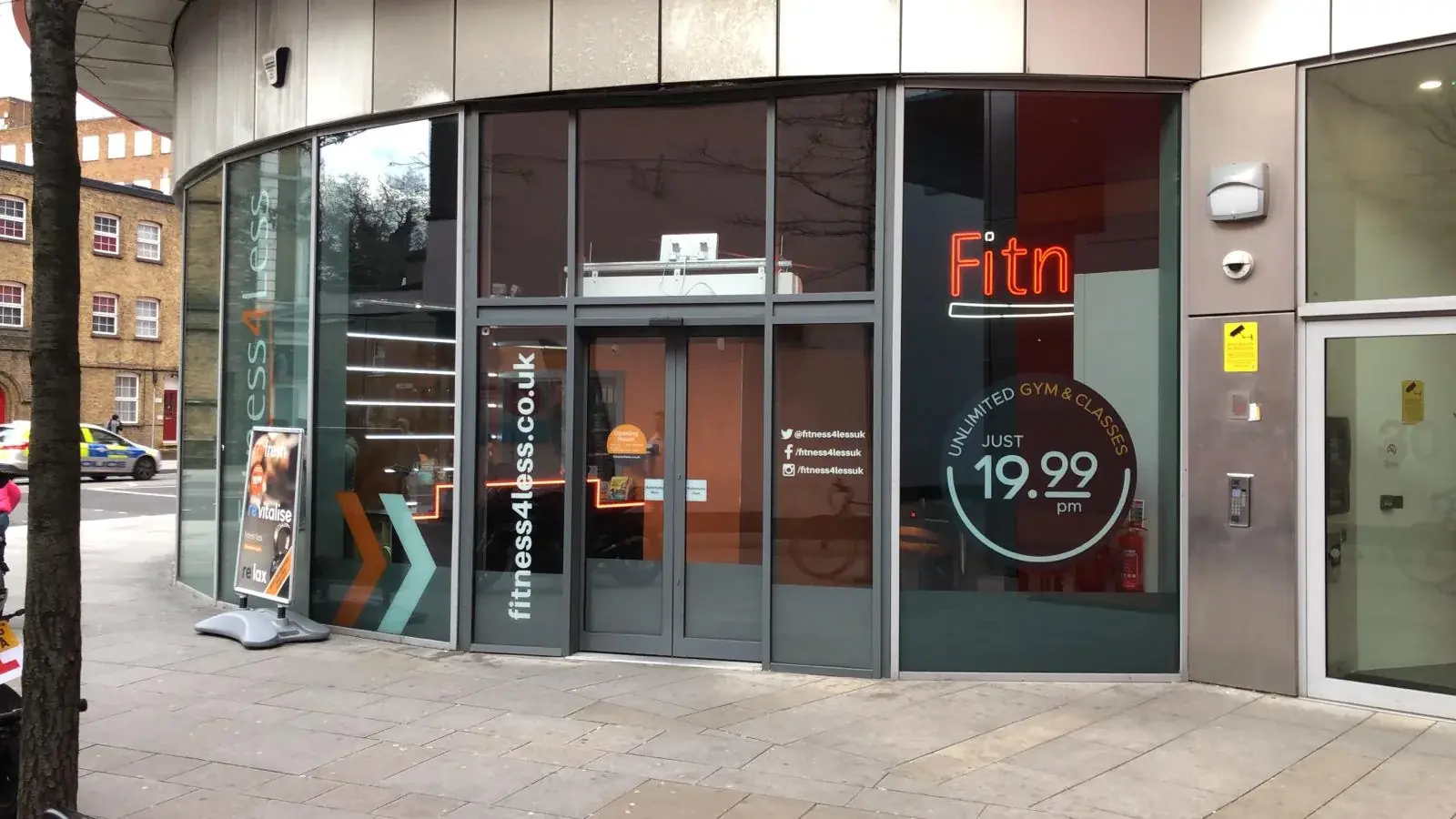
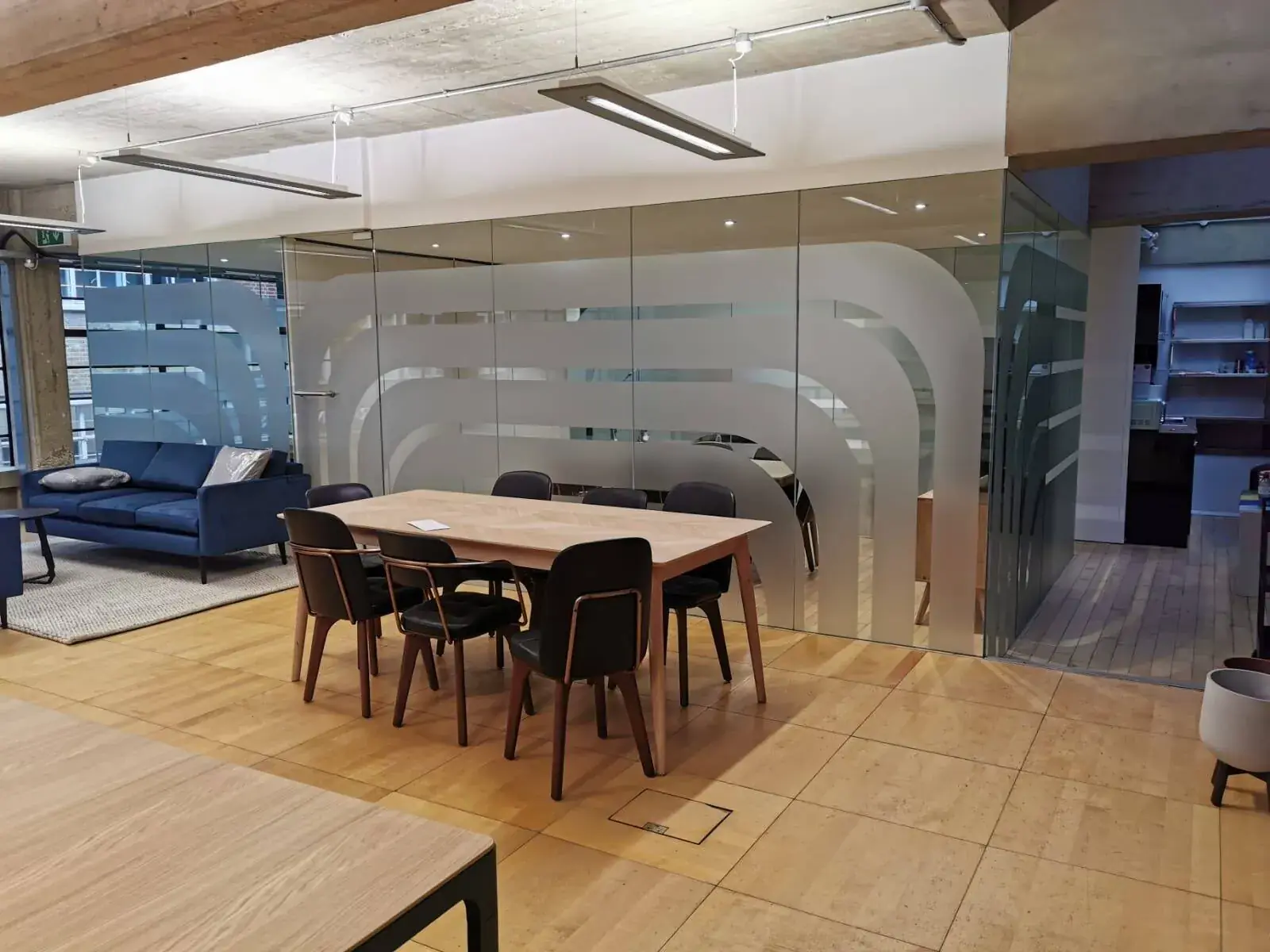
There are several ways to put a name on a building. A flat sign panel gives you one clear background. Separate raised letters add depth and leave more of the wall visible. A sign that sticks out from the wall can be easier to spot on a narrow street. A light box is a sign with a lit face. Window graphics are words or pictures added to window glass, often for opening times or short messages. Each has a different look, and none is right for every building.
The surface and weather matter too. Ask what the sign is made from, how it will be fixed and how to clean it. A smooth panel, clear window film and metal letters need different care. The sign maker should explain the choices in everyday terms and say what may fade, scratch or need attention. Look at a sample beside the actual brick, paint or glass if colour is important; colours can look different under shop lights than on a computer.
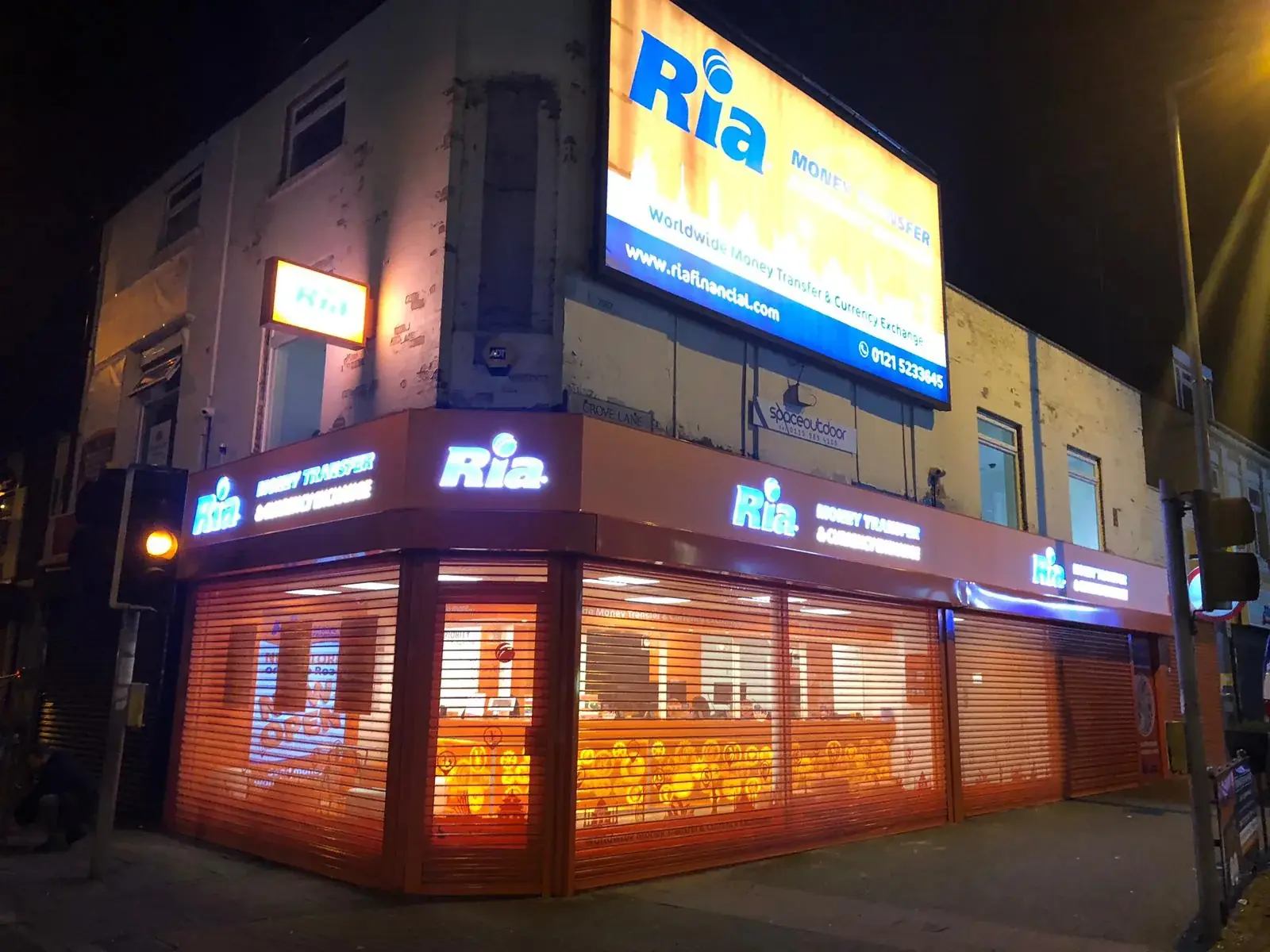
Lighting may help if customers need to find you in the evening or your entrance sits in a dark recess. LED means “light-emitting diode”: a small, energy-saving light used inside many signs. LEDs can light the whole face, shine through letters or make a glow behind them. Ask how the sign will look in daytime as well as at night. More brightness is not always better; a bright sign with small writing can still be hard to read.
Check the design and site before work begins
Ask to see a drawing that shows the sign at its real size and position. If possible, ask to see it placed over a photo of your building. Check the name, spelling, phone number, opening times, colours and logo. Look at the drawing from far away on the screen, too. Will the name still be easy to read from the other side of the road? Is there enough space around it? A calm, simple design often works better than trying to fit every idea onto one sign.
A site visit can confirm measurements, the state of the wall, how the installer can reach it and where power might come from. Tell the sign maker about anything unusual, such as a canopy, shared entrance or busy delivery time. Ask the landlord or building manager whether they have rules for signs. Some buildings or places may need permission before a sign is changed. Requirements depend on the exact site, so check with the right person before ordering.
Before agreeing to work, ask what the quote includes: drawing, sign making, delivery, fitting, wiring and any visit to measure the site. Ask what is not included too. Find out who will call if a question comes up and what must be ready before the fitting day. A clear list makes it easier to compare two offers that may include different work. Do not assume that a low headline figure covers every step.

Keep signs clear and useful over time
Once the sign is up, make care part of normal building checks. Ask which cleaner is safe for its surface and how often it needs a look. Watch for loose corners, cracks, fading, peeling window film or lights that stop working. Get a trained person to check anything high up or connected to power; do not climb up or open electrical parts yourself. Keep the final drawing and notes about the sign so later repairs or changes are easier to discuss.
A new opening, a move or a fresh look can all be good reasons to review your signs. Start by asking whether customers can find the door and understand the name. If they can, do not change things just to make the frontage busier. If they cannot, note where they get stuck. A small change in the right place may help more than replacing every sign at once.
Commercial Signage London — Look at sign types for shops and other business buildings.
A useful business sign is easy to spot, easy to understand and right for the place where it sits. Start with what customers need to know, then check their route, the building and the hours when the sign must work. Ask clear questions about the drawing, materials, fitting and care before you say yes. Bring photos and a short list of your needs when you speak with a sign maker. That gives you a better chance of getting a sign that helps people arrive with confidence and still feels right for your business years later. It should make everyday visits simpler for both customers and staff.
Talk to London Signage — Discuss your building, the messages customers need and your timing.
Ask for a sign quote — Send photos and basic details about the sign you need.
Common questions about business signs
Frequently asked questions
How many signs does my business need?
There is no set number. Start with the places where customers need help: finding the building, choosing the door and finding their way inside. Add a sign only when it answers a real question.
What should I send a sign maker?
Send the address, photos from the customer approach, an estimate of the size, your logo and the words you want on the sign. Include your opening hours and any building rules you know about.
Do I need permission to put up a business sign?
It depends on your building, the sign and its location. Ask your landlord or building manager and check with the right local authority before ordering.
Does my business need a lit sign?
It may help if you open after dark or your entrance is hard to see. Consider your hours, the street lighting and where the power can come from before you choose.