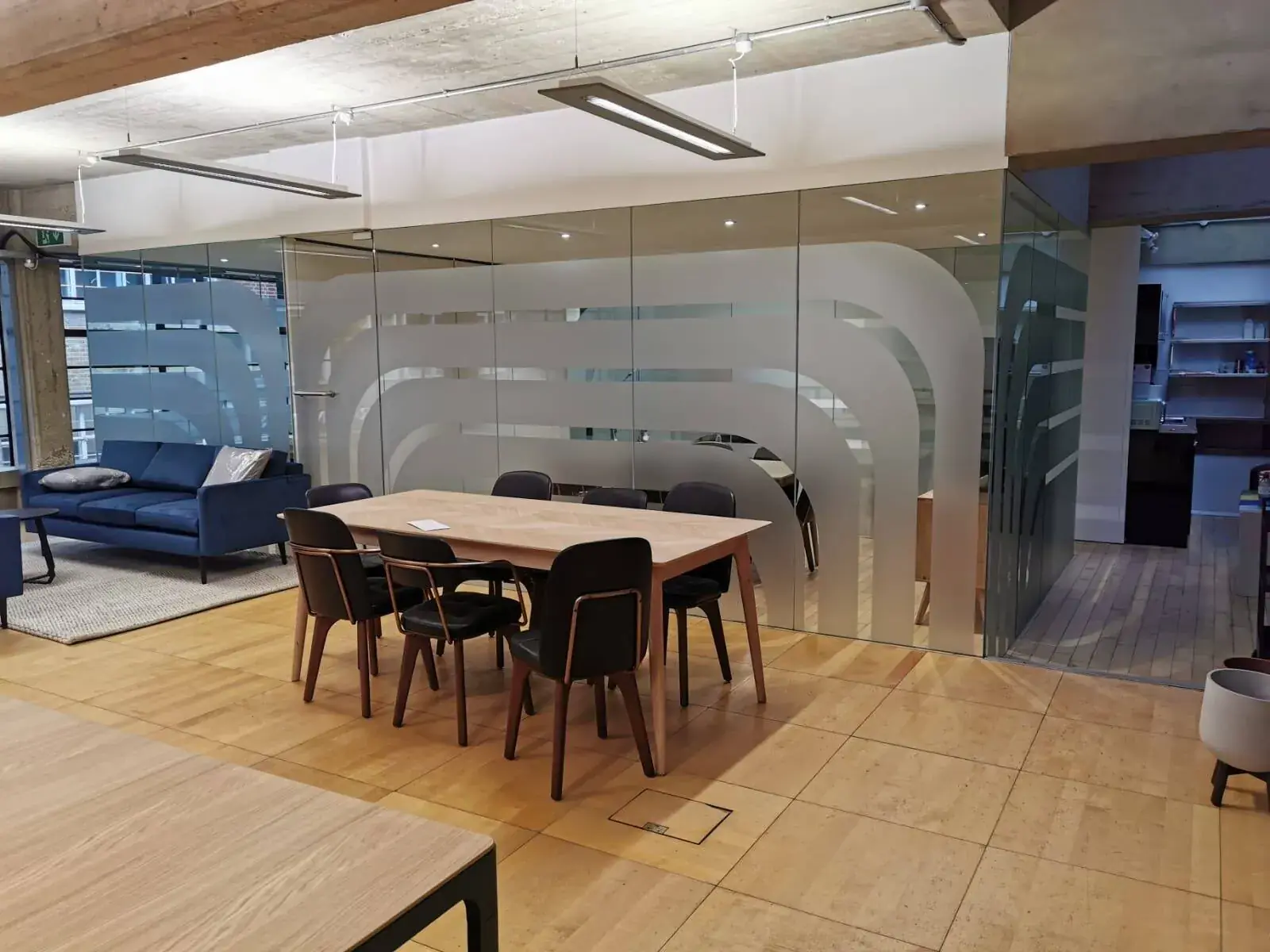
Business Signs
Commercial Signs in London: A Guide for Your Business
Plan clear, useful signs for your London business, from the first view on the street to the moment a customer finds the right door or room.

A good business sign does a simple job well: it helps people spot your name, find your door or understand where to go next. In London, a customer may pass a busy shopfront, enter a shared office or look for a business tucked inside a larger building. Each place calls for a different sign. Start by thinking about the people who will use it and what they need to know at that moment. This guide covers sign choices, the site details to check and the questions worth asking before work begins. With a little planning, your signs can feel like part of the premises and make a visit easier, rather than adding another thing for people to work out.
Begin with what your visitors need to know
Before picking a colour or shape, write down the sign's main job. It could show the name above a shop door, tell a first-time visitor which entrance to use, point people from reception to a meeting room or share opening hours on the window glass. Try to describe the job in one sentence. Then think about who will read it and where they will stand. Someone walking along the pavement may have only a few seconds to notice a sign. A person waiting in reception can take more time. A delivery driver may need a clear door label, not a long description of the business.
Put the most useful words first. Usually that means the business name or destination, followed by one short piece of extra information. Small details such as phone numbers and long lists of services are hard to take in from the street. They may work better on a door, a menu or a page on your website. Ask someone who does not know the premises to look at your draft. Can they tell what the sign says and where to go? Their first reaction can reveal more than another round of guessing at your desk.
Think about the whole visit, not one sign
A person may meet your business in several places before reaching the service they came for. They might see a sign above the shop, look for the entrance, read information on the window and then ask where to wait. An office visitor might need a building name, a reception sign and a room label. Draw a simple line of the route and mark each place where someone could pause or take the wrong turn. This gives you a useful list of signs and shows where one clear message is enough.
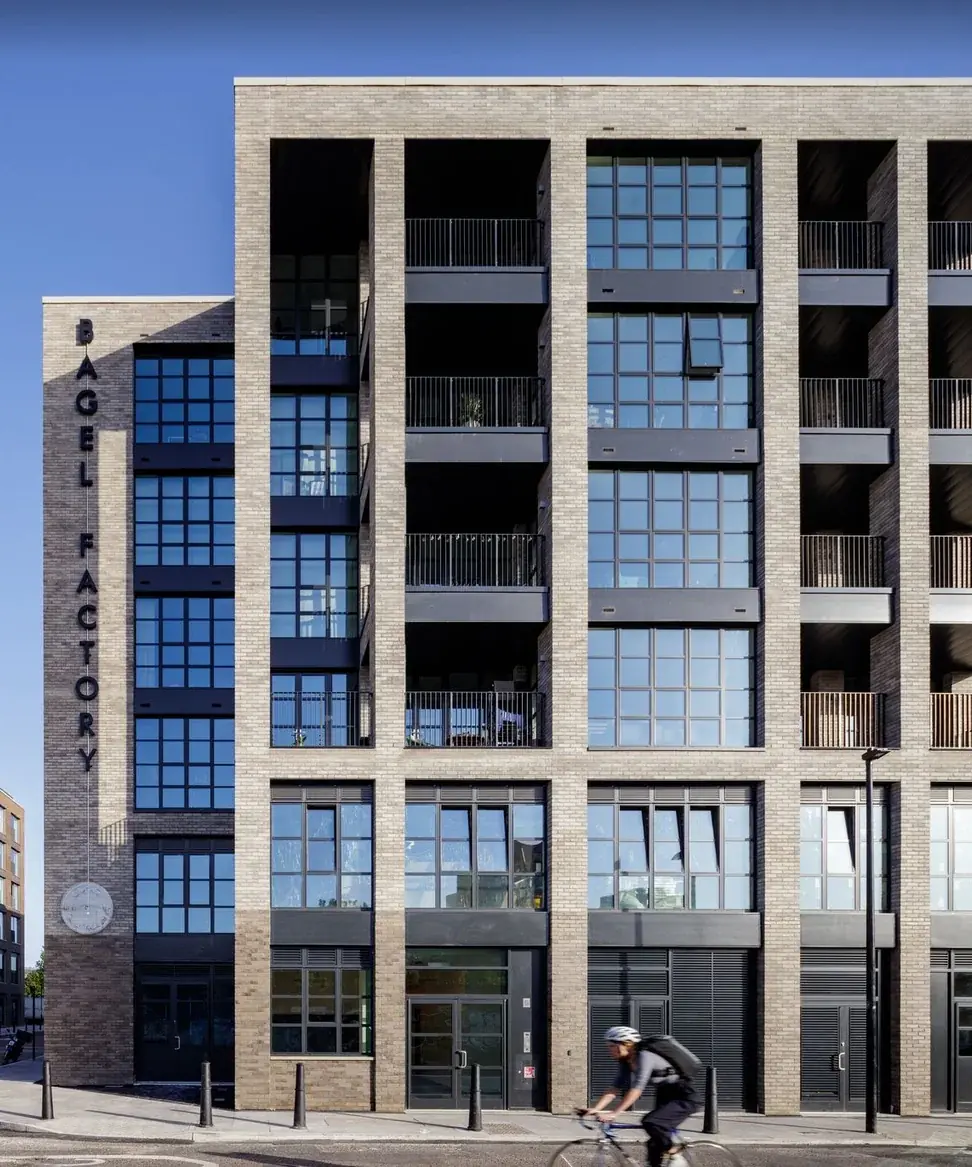
Keep the signs connected through familiar colours, a logo and similar lettering, but do not force every sign into the same size or shape. The large name outside needs to be seen at a distance; a room label needs to fit beside a door. Include staff and delivery routes if they matter to your day-to-day work. For a shop or cafe, window pictures can add useful information, but leave enough clear glass for people to see inside. The wide view of raised Bagel Factory letters in the photo is a reminder that the business name can stand out without filling every part of a frontage.

Match the sign to the place it will sit
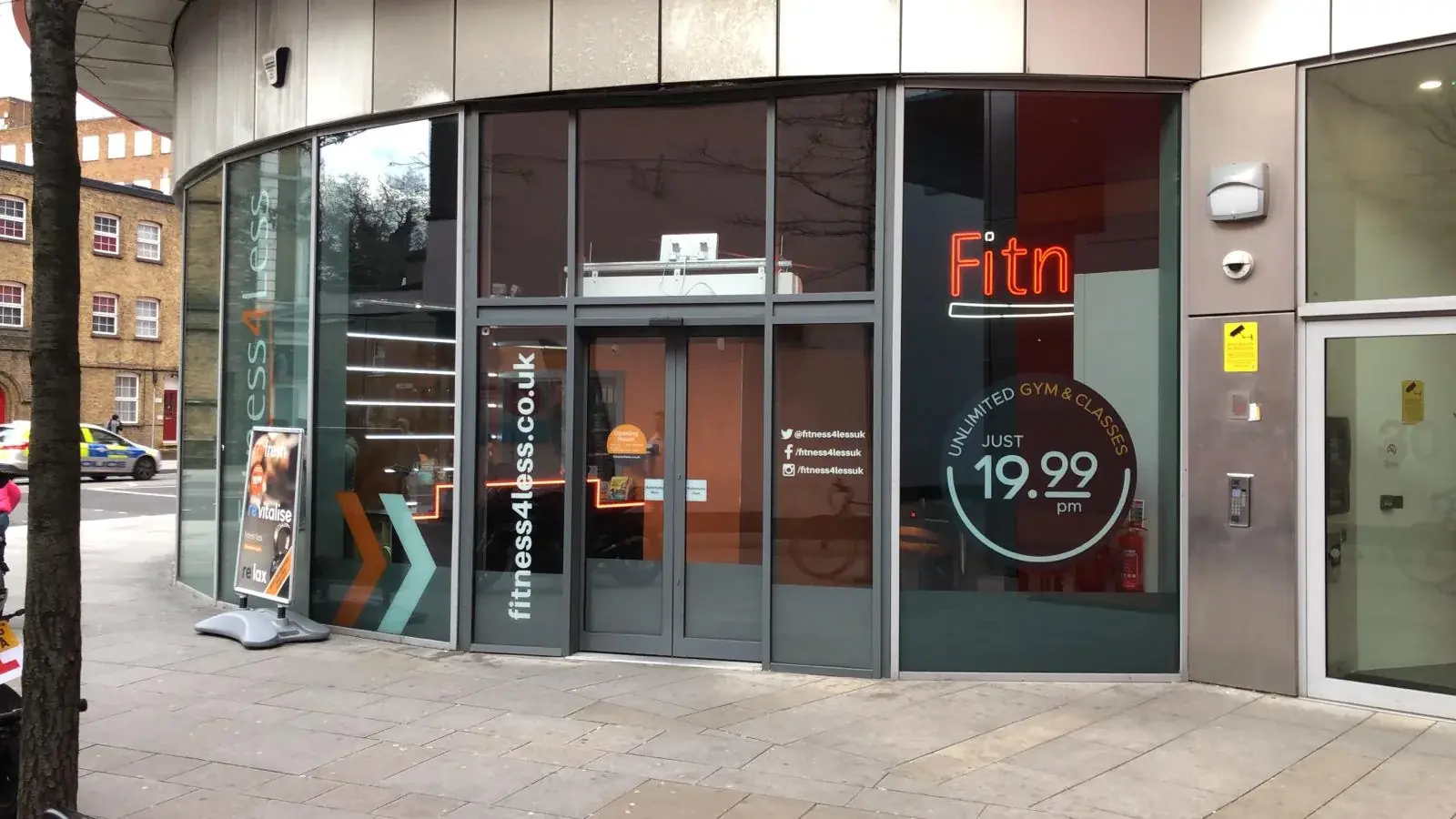
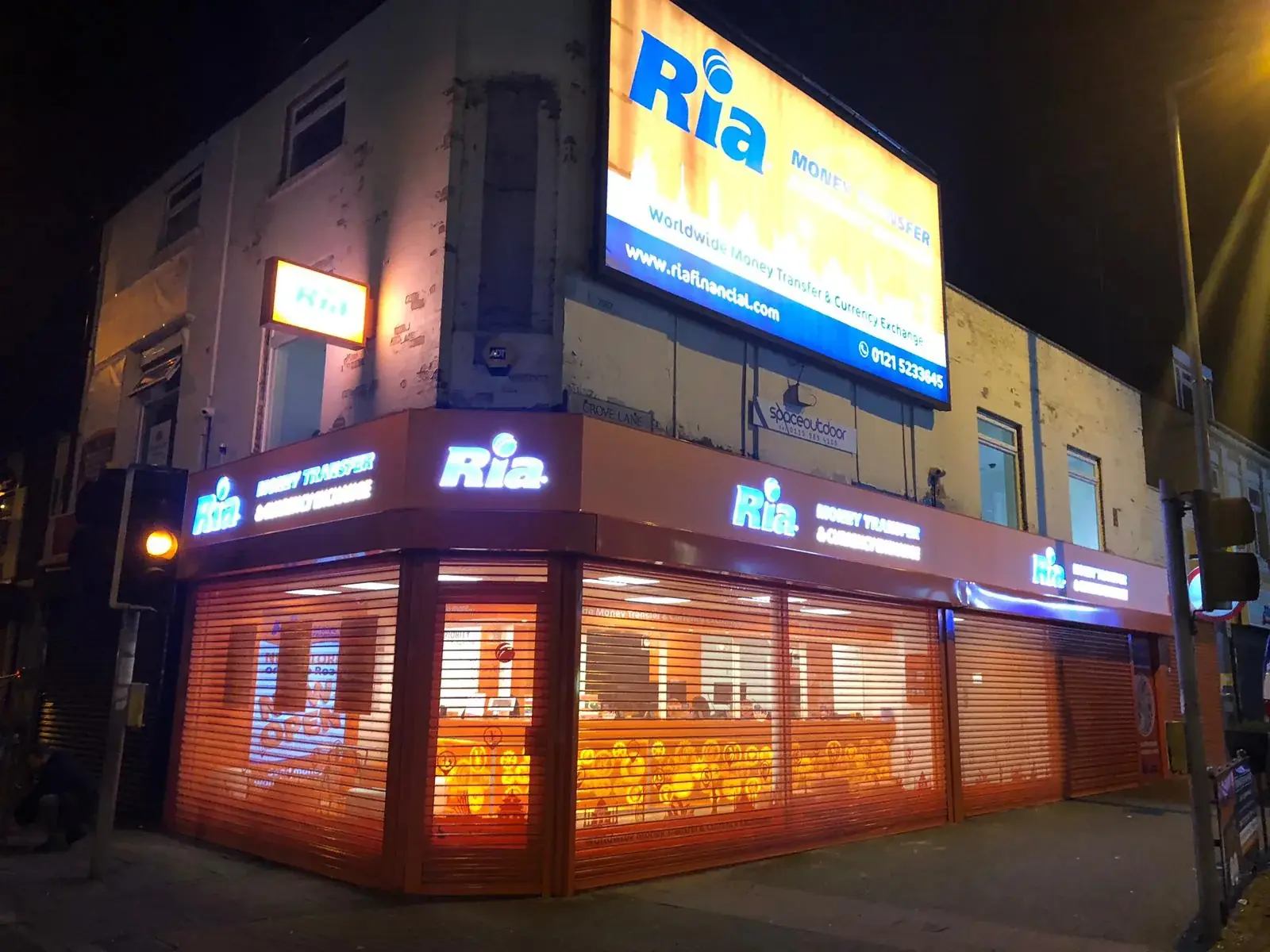
A flat panel can carry a simple message. Individual raised letters can give a shopfront or reception wall more depth. Lighted signs can help in darker hours, while pictures or words on the window glass can share opening times and other details. These choices look and work differently, so think about the actual wall, window and street before choosing. Check how much space is free, what sits behind the sign and whether people approach from one direction or several.
Look at the building in daylight and, if the business is open late, after dark too. Dark letters on a dark wall can disappear; shiny surfaces can reflect the sky or nearby lights. Ask to see the proposed sign shown on a photo of your own building, at a realistic size. A neat, simple design is often easier to read than one crowded with several colours and effects. For a sign on a window, decide how much of the view inside should stay open. The right choice is the one that fits your place and helps people understand the message.
Check the site before settling the design
Useful site notes include the rough width and height, clear photographs, the wall or window surface and anything that could get in the way. Show the entrance, the full frontage and a close view of the place where the sign may be fixed. In London, a narrow pavement, shared doorway, busy road or managed building can affect how work is planned. Do not guess about access or assume a sign can go anywhere on the front of a building. Ask the landlord, building manager or other responsible person what needs approval and who should give it.
A visit to measure the site may be needed before the final design is agreed. That check can confirm the space available and help the sign maker plan where fixings go. It can also uncover changes to the wall or old holes left by a previous sign. If the sign is above a public pavement or high on a wall, ask how the fitting team will reach it and whether timing needs to be arranged. Giving accurate information early can prevent a design that looks right on screen but cannot be fitted as planned.
Agree what is included before the work starts
Ask for a written description of the sign before you approve it. This should say what words and logo will appear, the finished size, colour, material, finish, lighting if any and how it will be attached. Check that the drawing shows the right building and that the spelling, phone number and opening details are correct. A proof is your chance to catch small mistakes before the sign is made. If anything is unclear, ask rather than thinking the details will be obvious to everyone.
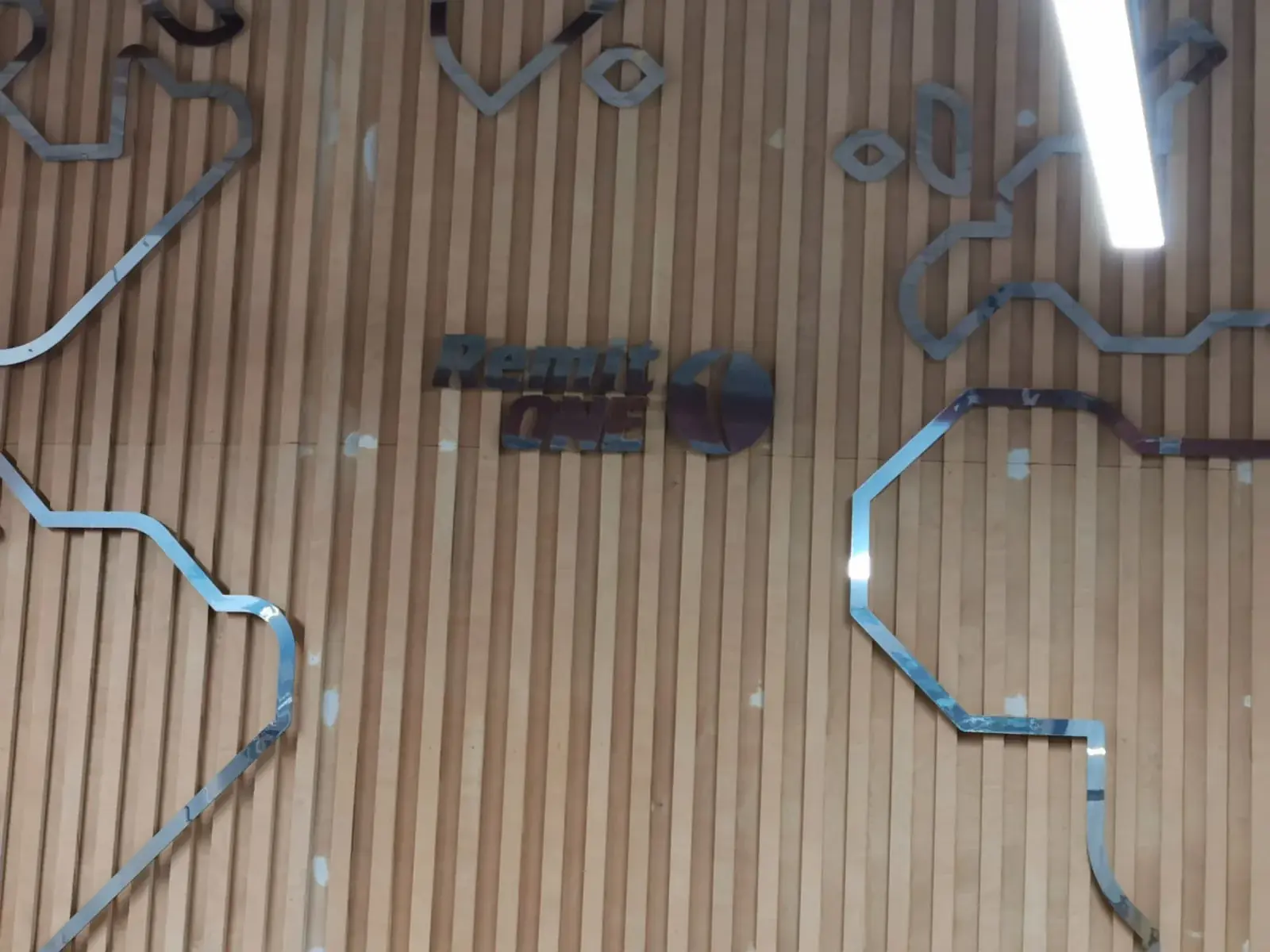
Also ask who is handling the design, making, delivery and fitting. Confirm whether a site visit, access equipment, electrical work or removal of an old sign is part of the plan. Ask what you need to arrange, such as permission from a building manager or a clear area on fitting day. When the sign is in place, find out how to clean it and whether any light or fixing needs a check later. The photo of raised metal letters on an indoor feature wall shows how a sign style can continue from the outside into reception, while still being made for its own spot.
Compare offers by the work they cover
When you look at quotes, check that each one covers the same things. One may include measuring, making and fitting, while another may only cover making the sign. Look for delivery, equipment to reach the sign, electrical work, removal of an old sign and any clean-up. Ask the supplier to explain anything that is missing or unclear. That makes it easier to see what you would still need to organise yourself.
Think about daily use as well as the day it is fitted. Can the surface be cleaned without special tools? If a window offer changes, can that part be replaced without changing the whole sign? Does the business need light after closing time? More features do not always make a sign more useful, and a low starting figure may leave out work the site needs. Choose the plan that meets your needs and makes clear who is doing each part.
Shop Front Signs London — Look at sign styles for the front of a shop or business.
For an initial chat, gather a few photographs, rough measurements, the words you want on the sign and your preferred timing. Include any known building rules or a contact for the landlord or manager. London Signage can talk through sign choices and practical questions for your premises. If you are ready to discuss next steps, get in touch or send the details through the quote form.
Contact London Signage — Ask the team about signs for your business.
Ask for a sign quote — Share your site photos and the sign you have in mind.
Common questions
Make it easy to spot your business
Useful business signs help people recognise your name, find the entrance and know where to go once inside. Start with the message and the visitor's route, then match the size and style to each place. Check the building, agree who will handle each part and read the final proof with care. In London, it is worth checking access and building permission early, especially if the sign is high or above a busy pavement. Gather the information you already have and speak with London Signage about your premises. A clear conversation at the start can help you choose a sign that feels right and does its job every day.
Frequently asked questions
How do I choose a sign for my business?
Start with the message and who needs to read it. Think about where they will stand, how far away they are and what they need to do next. Then compare sign styles that suit the building and the light.
Can one team design and fit the sign?
That may be possible, but ask what the offer includes. Check whether it covers measuring, making, delivery, fitting, access equipment and any electrical work. Get the responsibilities in writing.
How many signs does my shop or office need?
There is no set number. Walk the route a customer or visitor takes and mark places where a clear sign would help them choose a door, find reception or reach a room. Avoid repeating the same message without a reason.
What should I send when I ask for a quote?
Send the address, photos, rough size, wording, logo if you have it and your target date. Mention any building contact or access limits you know about. The team can tell you what else needs checking.