Choosing a Sign Maker
How to Choose a Sign Company in London
A clear guide for London business owners comparing sign makers, asking useful questions and planning a sign from first idea to fitting day.
Choosing a sign company is about more than finding someone to make a panel. You want a sign that suits your building, helps customers spot you and can be fitted safely. Perhaps you are changing a shop sign, adding signs to an office or updating several locations. The right questions can help you avoid surprises and make a fair comparison. This guide is for owners and managers who want a clear plan, not a pile of trade words. You will find what to send at the start, what to check in a design, and what to ask about fitting and care. You do not need every answer before you speak to a sign maker. A useful first conversation should help you find out what still needs checking.
Begin with the job the sign must do
First, say what you need people to do or understand. A shop may want people on the pavement to spot its entrance. A clinic may want a visitor to find reception without asking someone for help. An office may need to show which door leads to the right meeting room. These are different jobs, even if each sign carries a name or logo. Write down who will read the sign, where they will stand, and what they need to know. Mention whether people will see it by day, after dark, from a car or while walking.
Take a few photos of the building from the street and from both directions people approach. Point out what is staying and what is changing. For example, tell the sign maker about an old panel, a shared entrance, a landlord who must approve the design or times when the building is busy. If you have a logo file or examples you like, send them too. They are helpful starting points, but they do not have to decide the whole design. A good conversation will turn your ideas into a clear plan.
Look at work like the work you need
A sign maker’s past work is useful when it shows a job like yours. If you need a shop sign on an older building, ask to see a similar shop rather than only large office projects. Look closely at the finished letters, colours and edges. Can you read the name from the pavement? Does the sign fit the building without looking squeezed in? For an office, notice whether the main name and room signs feel like parts of the same place. A striking photo is nice, but it cannot tell you everything about how a sign was made or how it will hold up.
Ask what the company did on each example. Did its own team design and fit the sign, or did another team help? You can also ask how they handled changes, access or an uneven wall. You do not need private details from their other customers. A simple explanation of the work and any lessons learned can be enough. London buildings come in many shapes and sizes. Experience with a shared entrance or a busy pavement may matter if your own site has the same challenge.
Ask how the design and site visit work
Ask what you will see before the sign is made. A drawing or picture mock-up should show its size, place, words and colours. It should help you picture the sign on your own building, not just on a blank page. For several signs, ask how they will look together. A shop name, a sign that sticks out over the pavement, window lettering and signs inside can match without repeating the same words everywhere. Check the spelling and phone numbers yourself before you approve anything.
A site visit can catch details a photo misses. The wall may be uneven, an old fixing may be in the way, or the team may need special access to reach the sign. Ask who will measure the space and what they will check. Find out whether the quote uses measurements taken on site or numbers you supplied. Also ask what happens if the visit finds something unexpected. It is helpful to know which choices are settled and which depend on that visit before the work starts.
Understand the materials and fitting plan
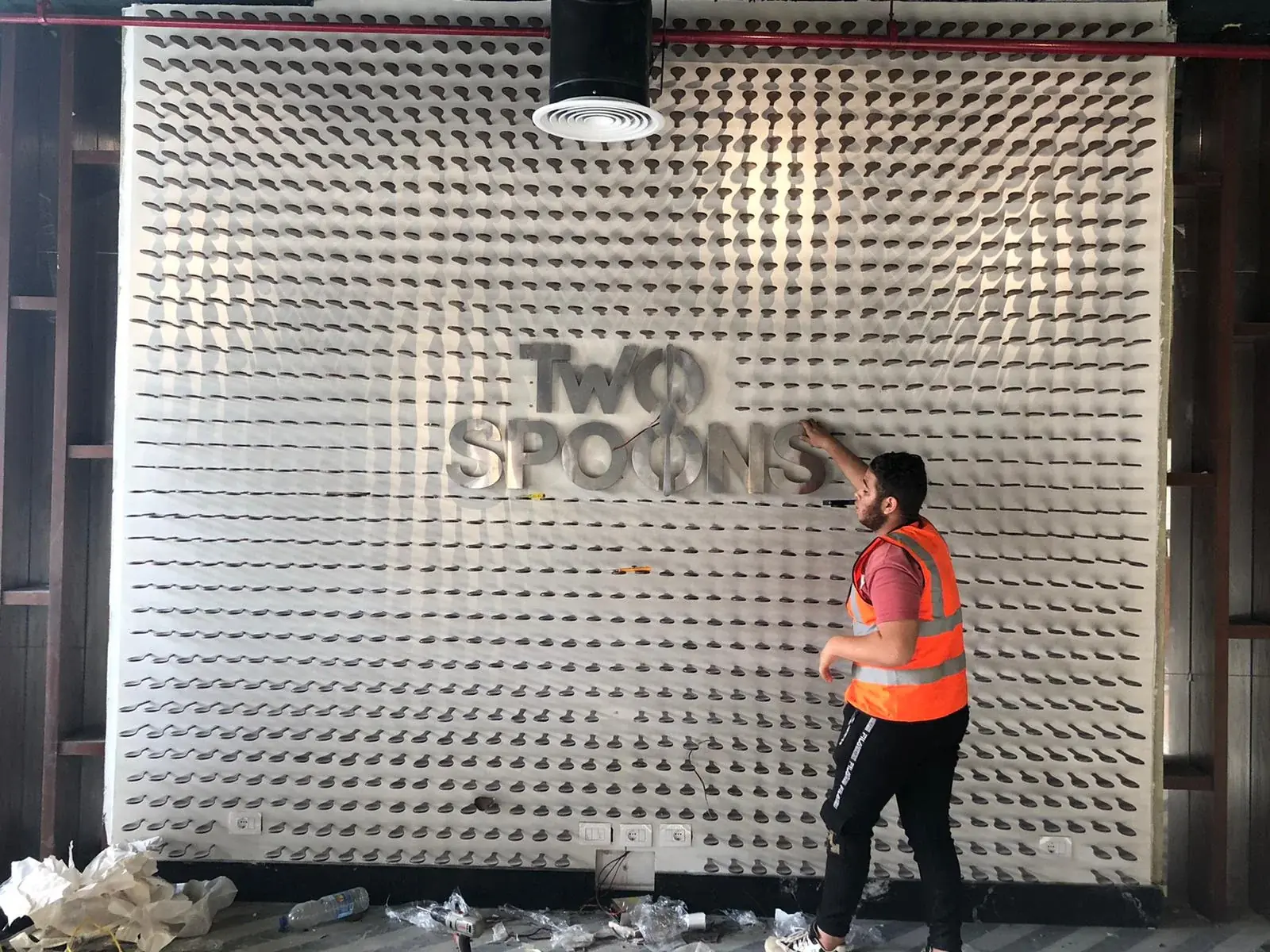
Ask the sign maker to explain the choices in everyday words. A sign might be a printed flat panel, separate raised letters or cut vinyl, which is a thin coloured film stuck to a surface. These choices look and feel different. The best fit depends on the building, the look you want and how the sign will be cleaned. Ask how the edges will look, how the sign attaches to the wall and whether any part may need attention later. There is no single material that is right for every shop or office.
Check exactly what fitting includes. Does the price cover delivery, taking down an old sign, access equipment, electrical work if needed and clearing away? Ask how the team will protect the doorway and keep people away from the work area. If your business stays open, agree a time that causes as little trouble as possible. Find out whether you need to arrange keys, permission or a contact on site. A clear plan makes fitting day easier for you, your staff and your customers.
Shop Front Signs London — Look at sign types for the outside of a shop or business.
Compare quotes, not just totals
Read each quote to see what it includes. One price may cover design, a site visit and fitting, while another may cover only making the sign. Check the size, number of signs, materials, colours, delivery and any work that is not included. Ask whether you can see separate prices for optional parts. This makes it easier to decide what you really need. If a line is hard to understand, ask for a plain explanation rather than guessing.
Make sure each company is pricing the same job. If one quote is based on a photo and another includes a site visit, they are not quite the same offer. Ask what could change the price or timing. A useful quote will explain what information is still missing and what you need to approve. Keep a copy of the final picture and written details. They can help if you need a matching sign later or want to ask about a repair.
Check communication and care after fitting
Notice how the company handles your questions. Do they answer clearly, explain unfamiliar words and tell you what happens next? Ask who your main contact will be and how you can approve the design. If the sign maker finds a problem at the site, ask how they will tell you and agree a change. You are not looking for a promise that nothing can go wrong. You are looking for clear answers and a sensible way to deal with surprises.
Before you choose, ask what care the sign needs. Find out how to clean it, how to report a fault and whether any written guarantee applies. The answer can depend on the sign parts, so ask for the details in writing. Keep the final design, colour notes and care advice somewhere easy to find. If you have more than one location, ask how a future sign can match this one. Knowing how the company will help after fitting matters just as much as a good first meeting.
When you are ready to talk, send the business address, a few photos, the words you want on the sign and your preferred timing. Include a logo or drawing if you have one. London Signage can discuss the job and explain what details may need a site visit before you decide what to do. Ask about the parts that matter most to your business, whether that is the look, fitting time or cleaning. A clear first message does not need to be perfect. It simply gives the conversation a useful place to begin and helps you make a choice that suits your building and the people who use it.
Talk with London Signage — Ask a question or discuss what you need for your site.
Ask for a sign quote — Send your photos and project details for review.
Frequently asked questions
What should I send before asking about a sign?
Send the business name, site address, photos and a short note about what the sign should do. Add rough sizes if you know them, your logo and any timing or access details. The sign maker can tell you what else is needed.
Should I pick the lowest quote?
Compare what each quote includes, not only the total. Check the sign, materials, design work, site visit, fitting and removal of an old sign. Ask about anything unclear before choosing.
Will a sign maker need to visit my site?
Some jobs can be planned from clear measurements and photos. A visit can help when the wall, access, size or old fittings may affect the sign. Ask what has been checked and what is still an estimate.
Can the sign maker help with the design?
Ask what design help is included. You may be able to review a drawing or picture of the sign on your building. Check the words, colours, size and position before giving approval.