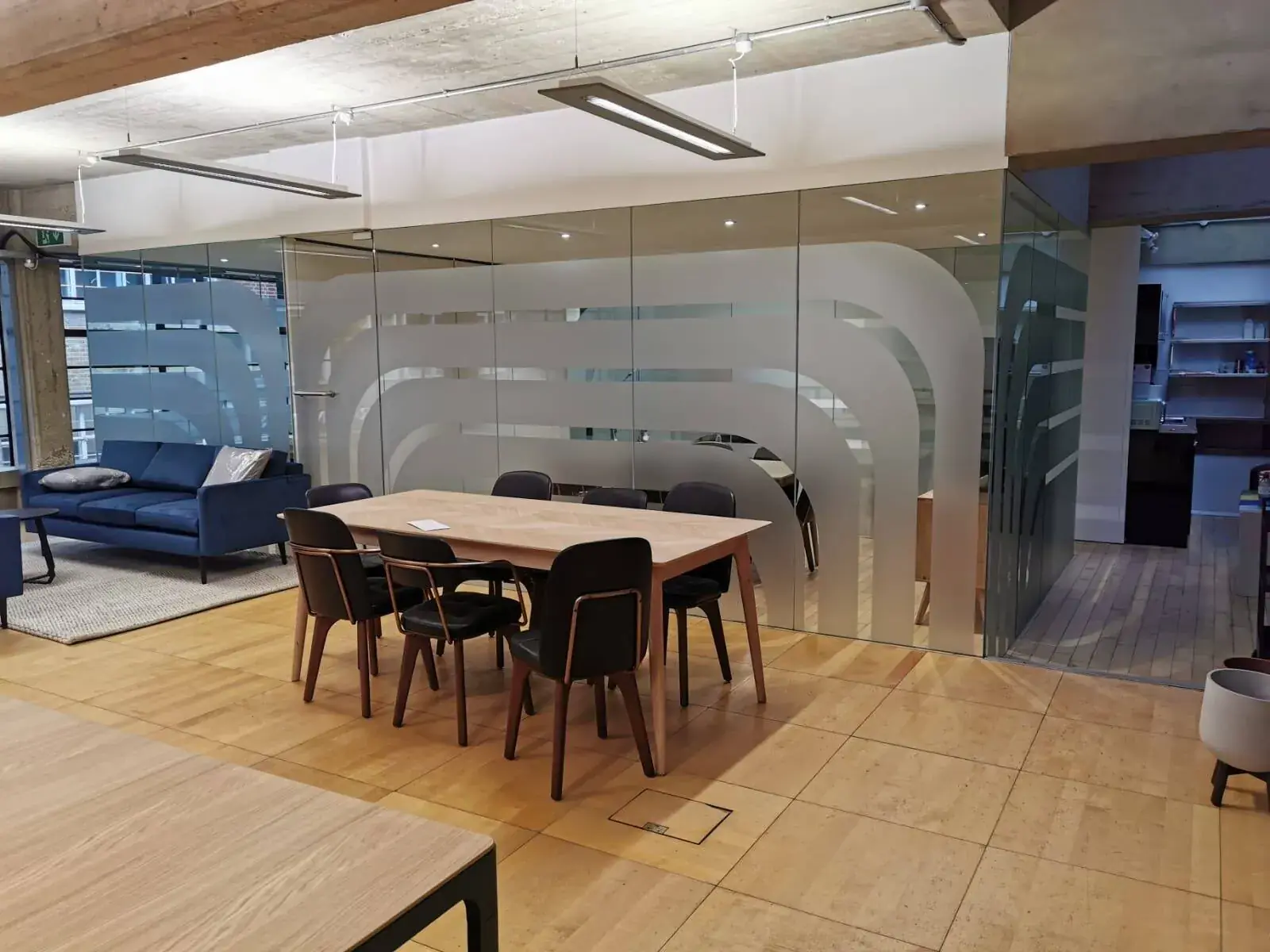
Choosing a sign maker
How to Choose a Sign Maker in London
A clear, practical guide for London shop and business owners comparing sign makers, planning the work and choosing the right team for the job.
Choosing a sign maker is about more than finding someone who can print your logo. Your sign needs to suit its place, be easy to see and fit the surface safely. A shop sign facing a busy street has a different job from a reception logo or signs that point visitors to rooms. Before you compare companies, think about what people need to notice and where they will see it. This guide is for shop and business owners who want clear answers before placing an order. It explains what to share, what to ask about drawings and fitting, and how to compare quotes fairly, without needing to know sign-making terms yourself.
Begin with what the sign needs to do
Write down the main reason you need a sign. Perhaps people walk past your shop without noticing it, new customers are unsure which door to use, or visitors get lost inside your office. Pick the most important job first. Then note any extra information, such as opening hours or a floor number. This helps a sign maker suggest a useful size and amount of wording instead of simply offering a product they often make.
Think about where people will stand when they look at it. Someone walking past may only have a few seconds to read your business name. Someone waiting at reception can take longer. Note whether the sign needs to work after dark, in bright sun or from across a road. Take photos from the places people approach, not only a close-up of the wall. Those everyday details help the sign maker understand the job.
Look for a team that suits your kind of sign
Some sign makers focus on shop signs, while others do more interior signs, window pictures or vehicle graphics. Ask which parts of your job they can handle and who will take care of each part. If a sign needs lighting, ask who looks after the electrical work. If the project includes a drawing, making the sign and fitting it, ask whether one team manages all three or if another company is involved.
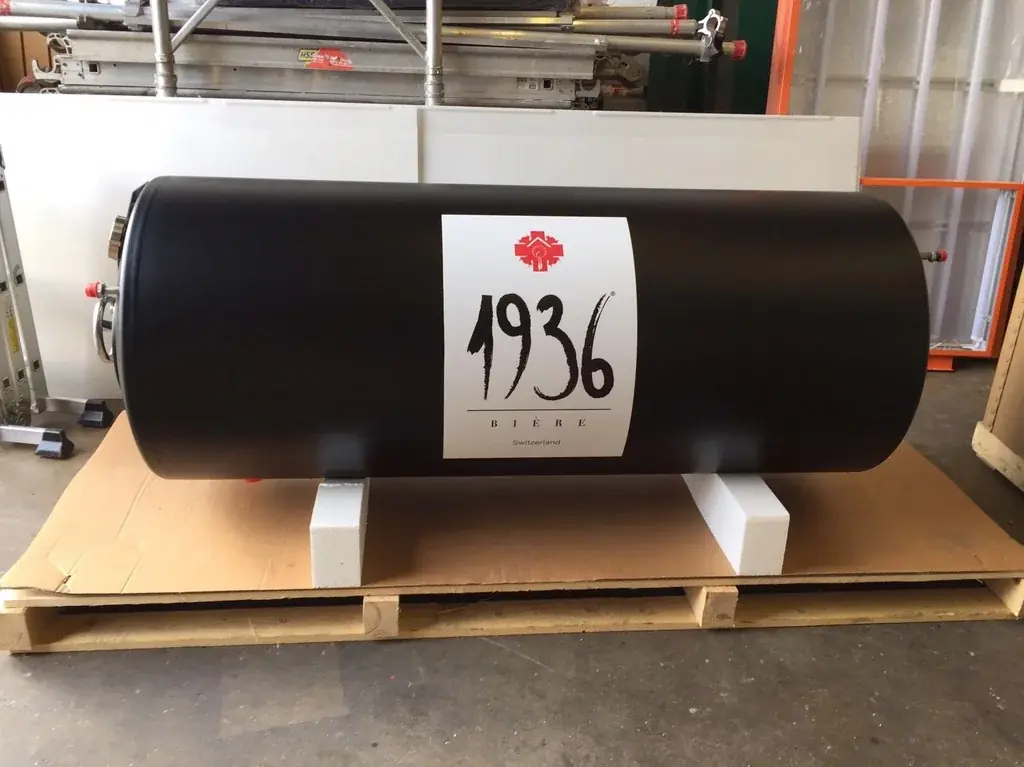
Ask to see examples that are close to your project in size, setting or style. A photo can show how a finished sign looks, but ask whether the company also planned and fitted it. The workshop image here gives a glimpse of work in progress; the same kind of useful detail is worth asking about for your own job. For a shopfront, compare a flat sign, raised letters or a sign that sticks out from the wall. Each can suit a different street and building.

Ask how drawings and site checks work
Before anything is made, you should be able to check what the sign will say, how large it will be and where it will sit. Ask whether the drawing includes the real wall or a photo of your shop. Give the sign maker your approved logo and colours, and make clear which version to use. Check every word, phone number and opening time yourself. A picture on a screen helps you judge the plan, but colours may look different when made into a real sign.
For many outside signs, someone may need to visit and measure the place. They can check the wall, the best fixing points, nearby pipes or lights, and how a fitter can reach the spot. A photo is helpful, but it cannot show every hidden detail or measure a wall exactly. Ask when the visit will happen and whether the final drawing comes afterwards. If anything changes during the visit, ask to review the change before work begins.
Compare materials, appearance and care
Ask why a suggested material suits your location. Rain, direct sun, regular cleaning and knocks can all affect a sign. For example, a window picture made from vinyl is cut or printed film that sticks to glass. Ask how it should be cleaned and whether it can be removed later. For raised letters, ask how they attach to the wall and whether the surface needs any work first.
If colour or texture matters, ask to see a real sample or a close-up photo. A colour on your laptop may not look exactly the same on paint, plastic or printed film. Ask what is included in the quote: design, making the sign, delivery, fitting and removal of an old sign may be listed separately. Get any important limits in writing. That makes it easier to see whether two quotes cover the same work.
Find out who will fit the sign
Ask who checks that the sign can be fixed safely to your wall and who brings any equipment needed to reach it. Tell the sign maker about building rules, opening hours, parking and loading. A shop in a shared building may need permission or a booking before a fitter can arrive. If the sign lights up, ask who connects it to power and whether that work is part of the quote.
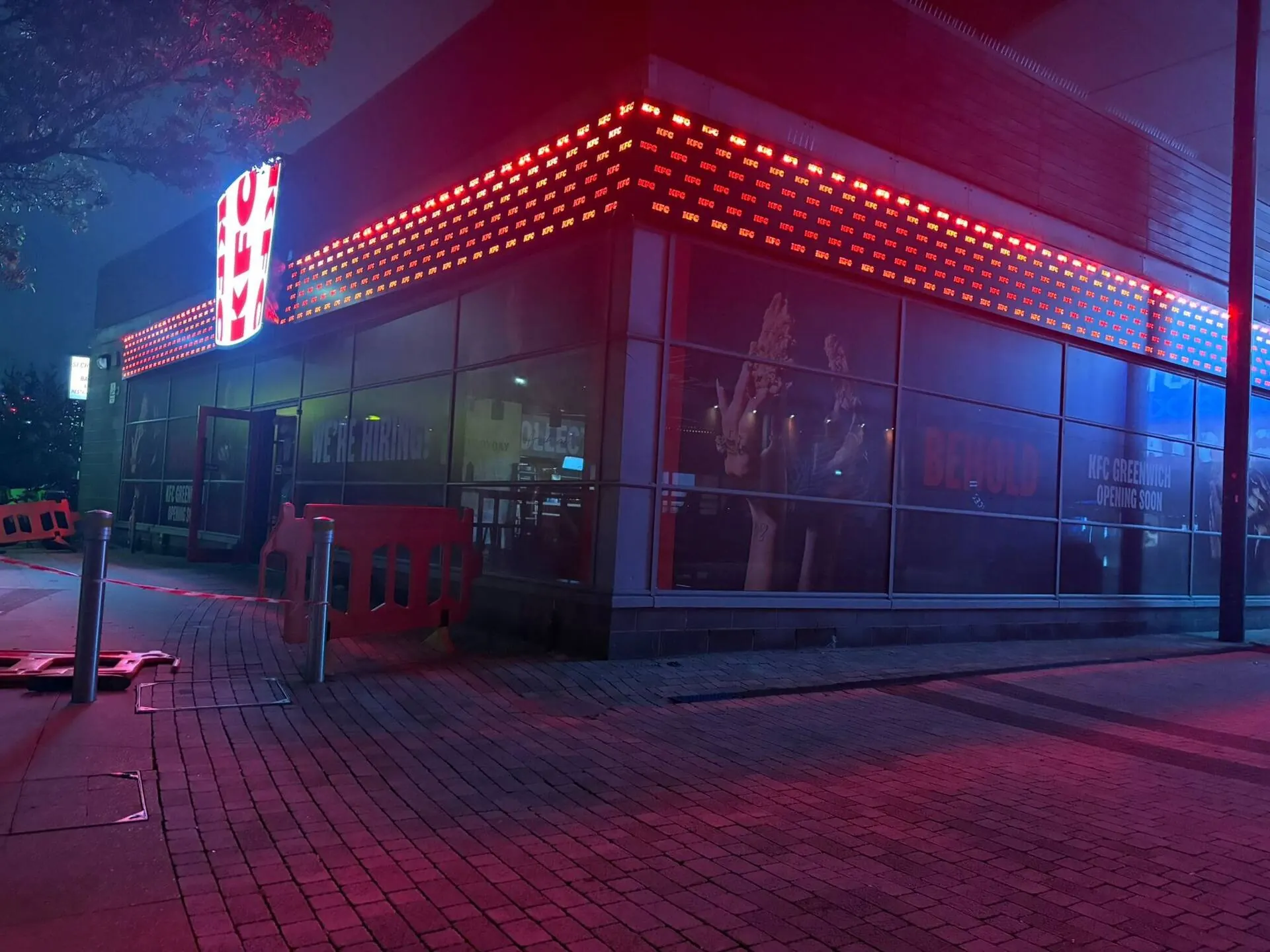
Agree how you will check the finished work and who to contact if something needs attention. Ask for simple cleaning advice and written details of any guarantee, including what it covers and what it does not. The installation image below is a reminder that fitting happens at the real site, where access and the wall matter. If a problem is found, agree how it will be recorded and who will follow it up.
Read the quote and judge the service
A helpful quote names the sign, its size or estimated size, materials, finish, number of items and fitting work. It should also say what is not included. Ask if the quote assumes that you will supply finished artwork, that the wall is ready, or that the fitter can work during normal hours. If you receive several options, ask the sign maker to explain the differences in everyday language, including how each might look and be cared for.
Notice how the company handles questions. Do they listen to what your business needs, explain what they still need to check and tell you what happens next? Ask when the timing starts, such as after you approve the final drawing. No one can give a certain fitting date until the sign, materials and site are understood. A clear answer is more useful than a promise made before the details are known.
Choose a partner who keeps things clear
Make a short list of what matters to you: a clear design, a site visit, fitting, a known contact and written care advice. Compare each quote against that list, rather than looking only at the total. A single small indoor sign may need less planning than several signs across a building. The right amount of checking depends on the job. Make sure the company can explain why its suggestion fits your shop or workplace.
A good sign maker asks useful questions, points out what is not yet known and records what you agree. When you are ready to talk, share the address, photos, rough measurements, logo and the date you have in mind. You can look at shop front sign options, contact London Signage with questions or send these details through the quote form. Starting with a clear picture of the job helps both sides have a more useful conversation.
Shop Front Signs London — Look at choices for signs on a shopfront.
Contact London Signage — Talk about your business, site and sign idea.
Ask for a sign quote — Share the job details and any helpful photos.
Choosing a sign maker in London gets easier when you look at the whole job, from the first drawing to the day the sign is fitted. Start with the message you want people to notice, share honest details about the site and compare quotes that include the same work. Ask questions whenever an answer is unclear. Your sign should look right for your business and do a useful job for customers, while you should know who is doing each part. If you have a new shopfront or need to replace an old sign, review the service page, contact the team or ask for a quote with your photos and rough measurements.
Frequently asked questions
What should I send a sign maker first?
Send the sign location, what it needs to say, a few photos, rough measurements, your logo and the date you have in mind. Mark measurements as estimates until the site is checked.
Should one company design and fit my sign?
It can be handy, but ask who is doing each part and what is included. A specialist can also be a good choice when their work matches the sign you need.
How do I compare quotes fairly?
Check that each quote covers the same sign, size, materials, drawing, delivery, fitting and old-sign removal. Ask about anything unclear or left out.
Will someone need to visit my shop?
Not for every job. A visit can help when the wall, measurements, power or safe access may affect the sign or how it is fitted.