Business Branding
Giving Your Business a Fresh Look With Signs
Plan a new business look across shop signs, windows, entrances and other places customers see your name.
A new business look is not finished when the logo file is ready. Customers still need to see the right name on the door, shop sign, windows and, sometimes, a vehicle or reception wall. If those places change at different times, people can be left wondering whether they have found the right business. A little planning helps you choose what to update first and what can wait. This guide is for owners planning a new look, whether they run one shop or several. It covers how to check existing signs, share clear artwork and change things over without losing useful information.
Look at every place customers see your name
Before you order a new sign, walk around your business as if you were a new customer. Look at the sign above the door, the windows, entrance, reception, inside directions, vehicles and any shared directory. Take a photo of each one and write down where it is, how it looks and whether it is damaged or hard to see. If you have more than one branch, ask someone at each place to do the same. A simple list is a better starting point than guessing from a logo file.
Not every sign carries the brand. Opening hours, safety notices, door labels and directions may still be needed after the name changes. Mark who owns each sign: you, your landlord or a building manager. Then decide whether to keep it, update it, replace it or ask someone about it. This helps you avoid removing useful information by mistake. It can also show which one or two signs customers most need to see changed first.
Make the new look work on real signs
A logo made for a phone or website may need a small change before it works on a shop. Fine lines can be hard to see from across the road, pale colours can disappear against a light wall, and a long name may not fit above a narrow door. Ask your brand designer and sign maker to agree on versions for large and small signs. Check the colour, spacing and size on each one so the business still looks like itself wherever customers find it.
A printed sample can help when colour or finish matters. The same colour may look different on a screen, a window film or a painted panel. If the landlord limits the sign size, agree how the logo will fit rather than letting each branch change it in its own way. Check spelling, phone numbers and opening details before signing off. Keep one clearly named final artwork file, so an old version does not get sent by mistake.
Follow the customer’s steps
Think about what a customer sees from the street to the counter. First, the outside sign should help them spot you. Next, the door or window should confirm they are in the right place. Inside, a sign may point to the counter, fitting rooms or reception. If you change only the sign above the door, an old name or old directions inside can make the new look feel unfinished. Walk the route and write down every place where the old name appears.
If the full change is too much to do at once, start with the signs people rely on most. A busy shopfront may come before a staff-only room. For several branches, group them by what needs changing and by who must approve the work. Make a simple list showing the site, sign, person in charge and planned date. Decide how old signs will come down and what customers will see between steps. A small temporary notice is better than two different business names side by side.
Choose a sign type for each place
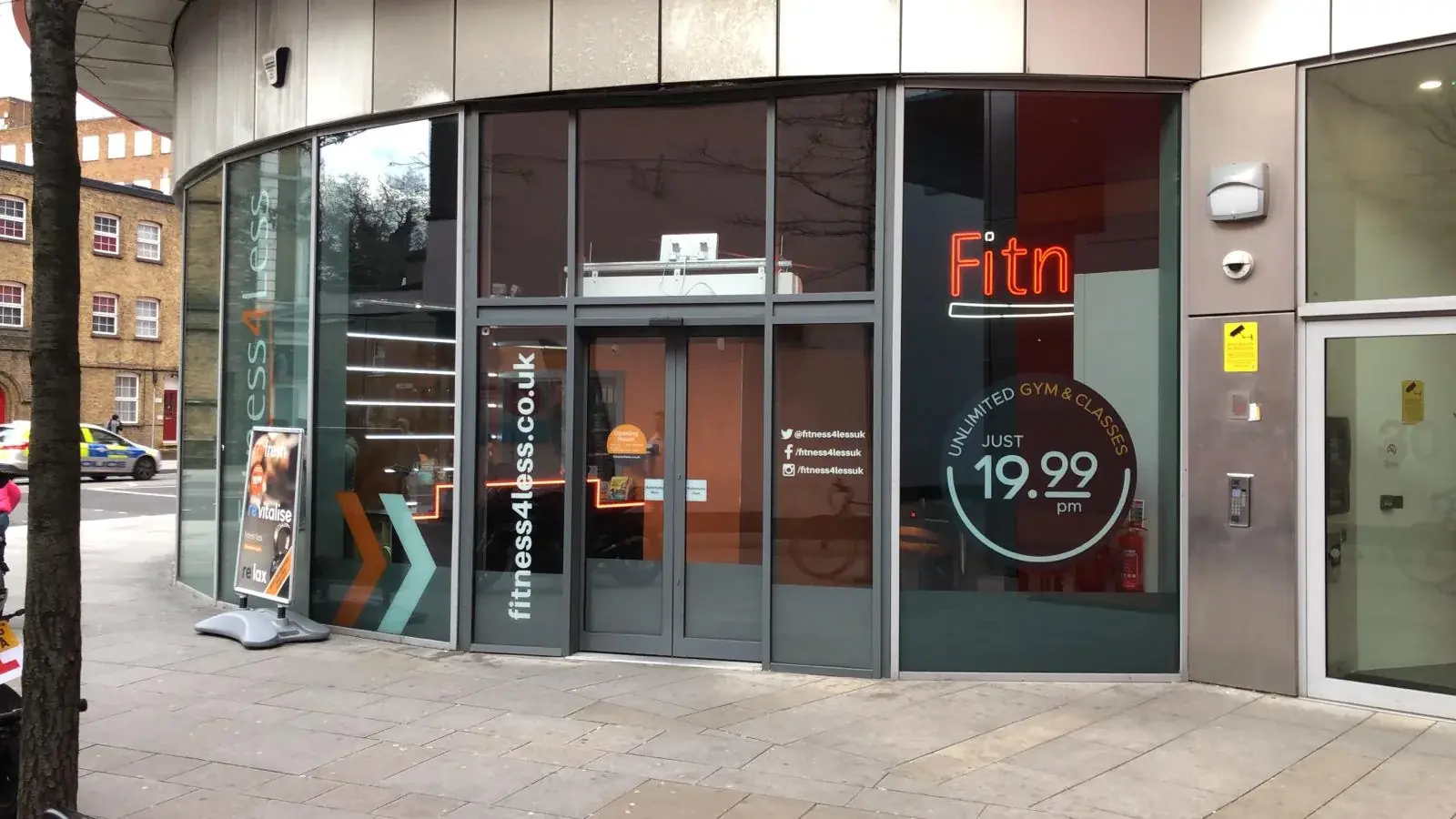
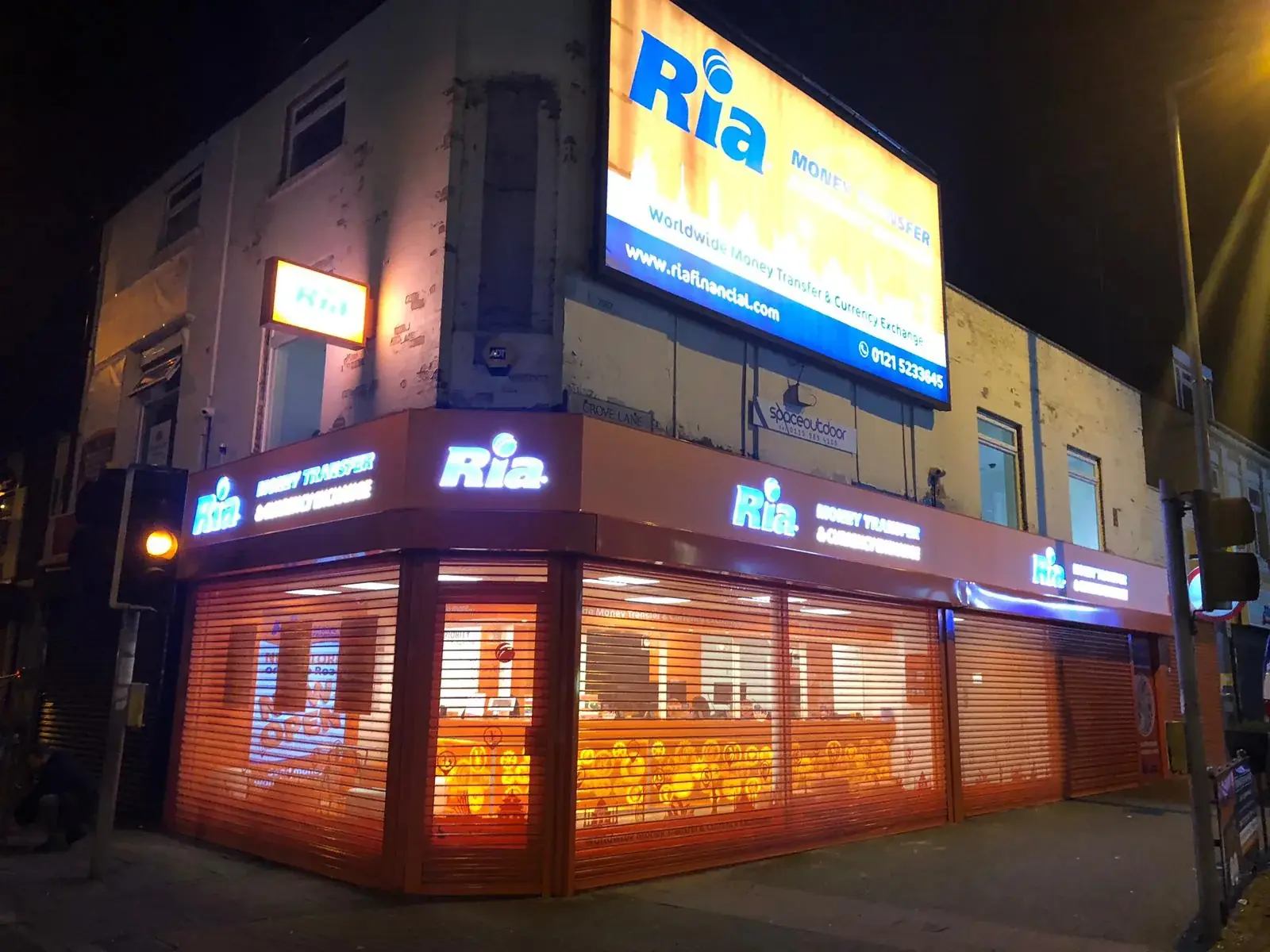
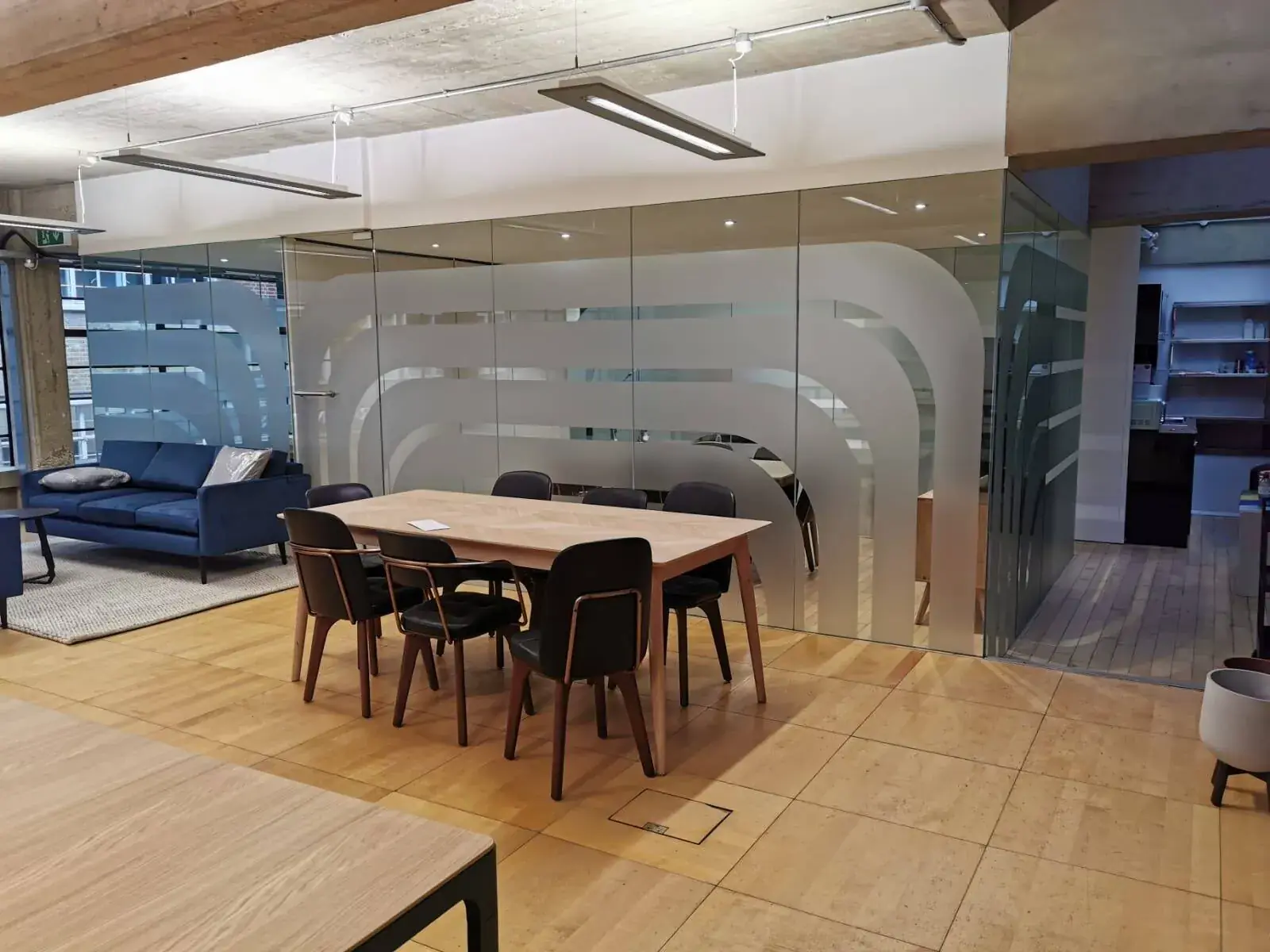
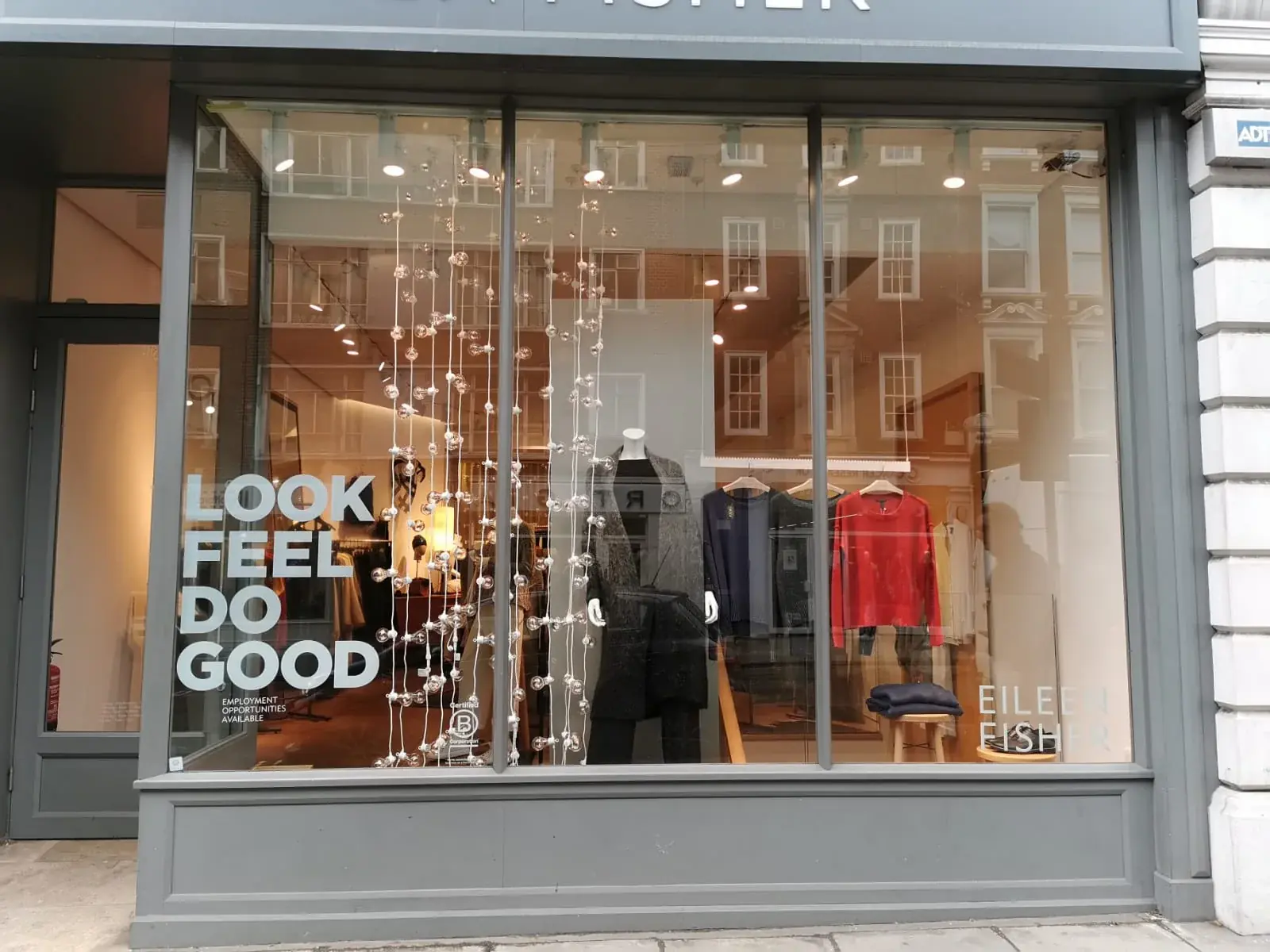
Different parts of a business need different signs. A shop sign above the door may use separate raised letters or one flat panel. Windows can use cut vinyl, which means letters or shapes cut from thin sticky film, or printed pictures on film. Frosted film makes clear window glass look cloudy and gives people more privacy. Inside, you might use wall letters or simple panels. Choose what suits the place and how often the message may change.
Think about cleaning, sunlight, rain and how the sign will look after months of use. Check whether old glue or holes will show when the previous sign comes off. Keep some open glass if customers or staff need to see through the window. Use the same main colours and letter style across the business, but do not make every sign the same size. A sign across the street has a different job from a small label beside a door.
Agree who approves the change
A new business look may need a landlord’s okay or a council check, especially when an outside sign is lit or sticks out from the building. If you have several branches, name the person who approves the artwork and the person who checks each location. Add a date or version number to the final design. This makes it easier to stop an old logo or an unapproved local change from reaching the sign maker.
Plan when the old signs will be removed and the new ones fitted. Work may need a quiet time of day, access to the front of the building or a short change to the customer entrance. If one branch will change later than the others, prepare a simple explanation for staff and customers. Keep a record of what was fitted at each site, including the final picture and artwork. Those notes will make the next update much easier.

Check the finished signs with fresh eyes
After fitting, stand where a customer would stand and check that the name is easy to spot. Walk to the door and make sure the entrance information still makes sense. Look for old stickers, an outdated phone number or an inside sign that was missed. Ask staff what questions customers still ask. A photo of each finished sign can help you compare branches and catch differences while they are easy to fix.
You may not need to replace every sign right away. A good panel or frame might work with a new face, while another sign may be fine until it wears out. Make sure any reused sign is clear, safe and a good match for the new look. If you are planning a refresh, bring your list of signs and brand artwork to London Signage to discuss what could be updated. For several branches, consider testing the plan at one location before repeating it elsewhere.
Window Graphics London — Explore graphics for shop windows, privacy and promotions.
Make a simple plan for each site
Give your sign maker the new logo, colours and any rules for using them. Add the list of branches, photos of each sign, rough measurements and any limits on access or working hours. Mark what must change first, what can stay for now and what must remain visible for safety or customer help. Ask for a site visit if measurements or the state of a wall or window are not clear. That gives everyone a shared picture of the work before it starts.
A new look should feel like one business, even when its signs are different sizes or made for different places. London Signage can help you review the list, plan the order of changes and prepare signs for real shops and workspaces. If you run several branches, begin with one location that shows the common sign types. Agree how it should look, then check what needs to change at each other branch. Keep the final artwork and photos together so the next update starts with facts, not guesswork. A clear list helps your team keep every branch in step as the work moves ahead.
Talk about your new business look — Discuss your sites, signs and the order of work.
Ask for a quote for new signs — Share your site list and the kinds of signs you need.
Frequently asked questions
Do I need to replace every sign when I change my business name?
No. Check each sign for condition, ownership and how important it is to customers. Some may be updated or kept for a while; others may need changing so people are not confused.
Can I keep the sign frame and change its front?
Sometimes. Ask a sign maker to check that the frame is in good shape and that the new front will fit and look right.
How do I keep signs alike at several branches?
Use agreed artwork, colours and rules for each sign type. Keep a list of what was fitted at each branch, and check local sizes and approvals before ordering.
When should I plan signs during a rebrand?
Start while the new look is being planned. Photos, measurements and approvals can take time, so early work helps you choose a realistic change date.