Sign Materials
Outdoor Sign Materials: How to Choose the Right One
Compare common materials for outdoor signs and choose one that suits your building, the weather, the look you want and the care you can provide.
There is no single material that is best for every outdoor sign. A sign under a porch, a high name above a busy street and words on a shop window face different conditions. You will want to think about how the sign looks, what holds it in place, how much weather it gets and how it can be cleaned. This guide compares some common choices and gives you questions to ask before deciding. It cannot promise that one material will last the same amount of time on every building. Start with the place and the job the sign needs to do, then choose the material and finish with that in mind.
Look at the weather and the wall first
Before comparing materials, check whether the sign will be covered or exposed to rain, wind and direct sunlight. Think about how high it will be, which way it faces and whether people or deliveries might bump it. Also consider how someone will reach the sign for cleaning or repair. A sign that is easy to wipe beside a doorway may be harder to look after high above the pavement.
The surface behind the sign matters too. Brick, metal cladding, window glass and a prepared panel each need a suitable way to hold the sign. Send photos from far away and close up, and explain what you know about the wall. Someone may need to visit and check where the sign can be fixed. A light material will not help if it is attached the wrong way. Ask the sign maker to think about the whole sign, including its support and fixings, not only the part people see.
Aluminium can work for panels and shaped parts
Aluminium is often used for outdoor panels and sign parts. It can make a firm panel without being as heavy as some other materials, and it can have colour or graphics added. But the word “aluminium” by itself does not tell you how a finished sign will look or hold up. The panel's thickness, edges, support and the way it is fixed all matter. Ask how the sign will be held and whether the chosen finish suits the spot.
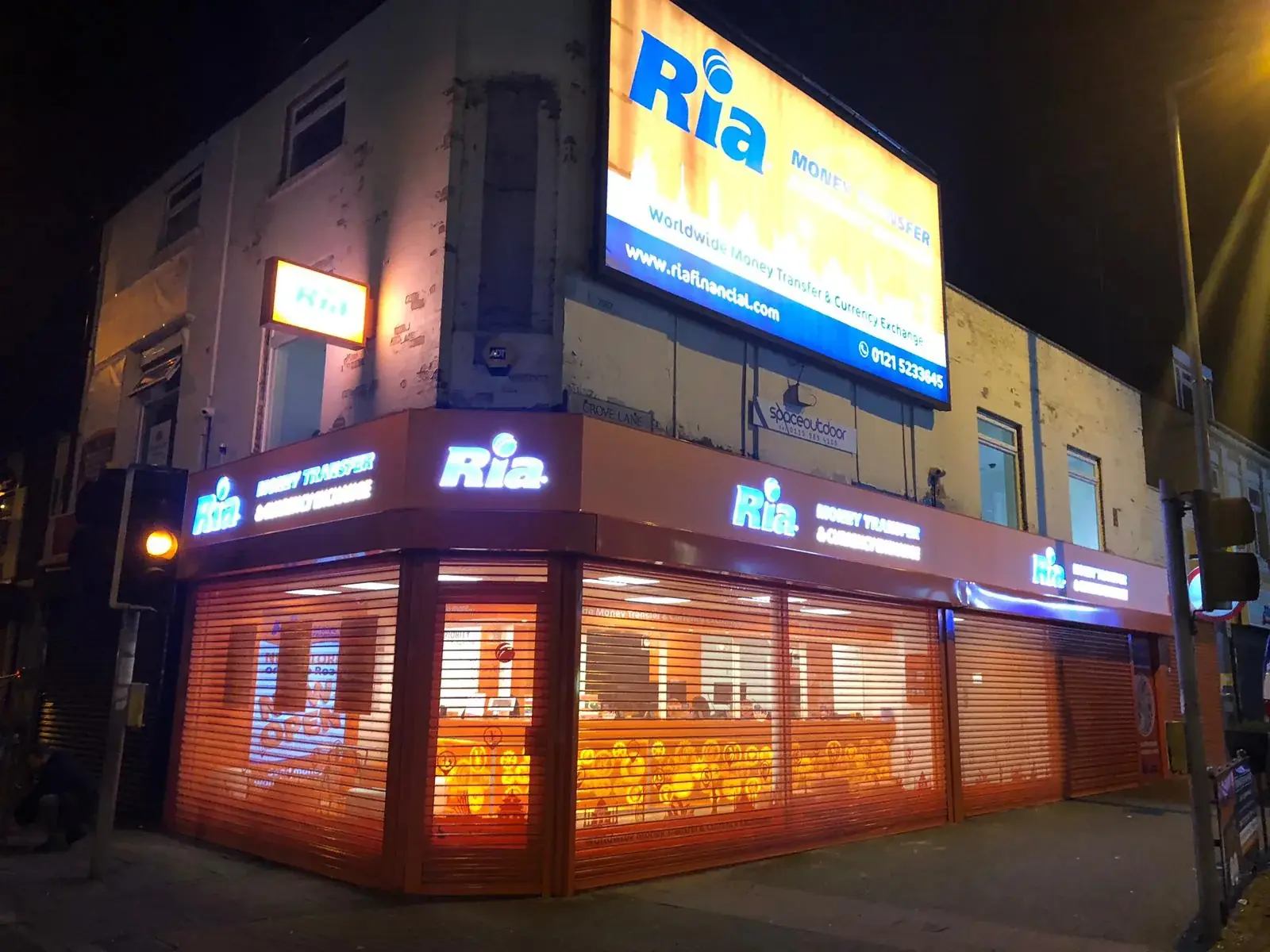
A flat aluminium panel can be right for a board with useful information. Shaped aluminium letters create a different look and need their own fixing plan. Think about the colour in bright daylight and whether a shiny surface might reflect the sky. If the sign will be up high, ask how it will be safely reached for care. A clear recommendation should connect the material to your wall, the weather and the size of the sign.
Acrylic offers a smooth surface and colour choices
Acrylic is a smooth material that can be used for panels and letters. It comes in different colours and can have a neat edge. Some sign designs use acrylic with lights, but that does not mean every acrylic sign should be lit or that every type is right outdoors. Ask which product is planned, how thick it will be, what supports it and how it will be fixed to your building.
Think about the colour against the wall and how the surface looks in sunlight. A shiny finish may show reflections, while a dark face could blend into a dark background. Ask what cleaning is safe and whether the chosen type suits the weather at your site. Acrylic can be a good choice when its look and practical details fit the job. It is not a magic answer for every shopfront, so compare it with other options on the actual building.
Metal letters can give a sign depth
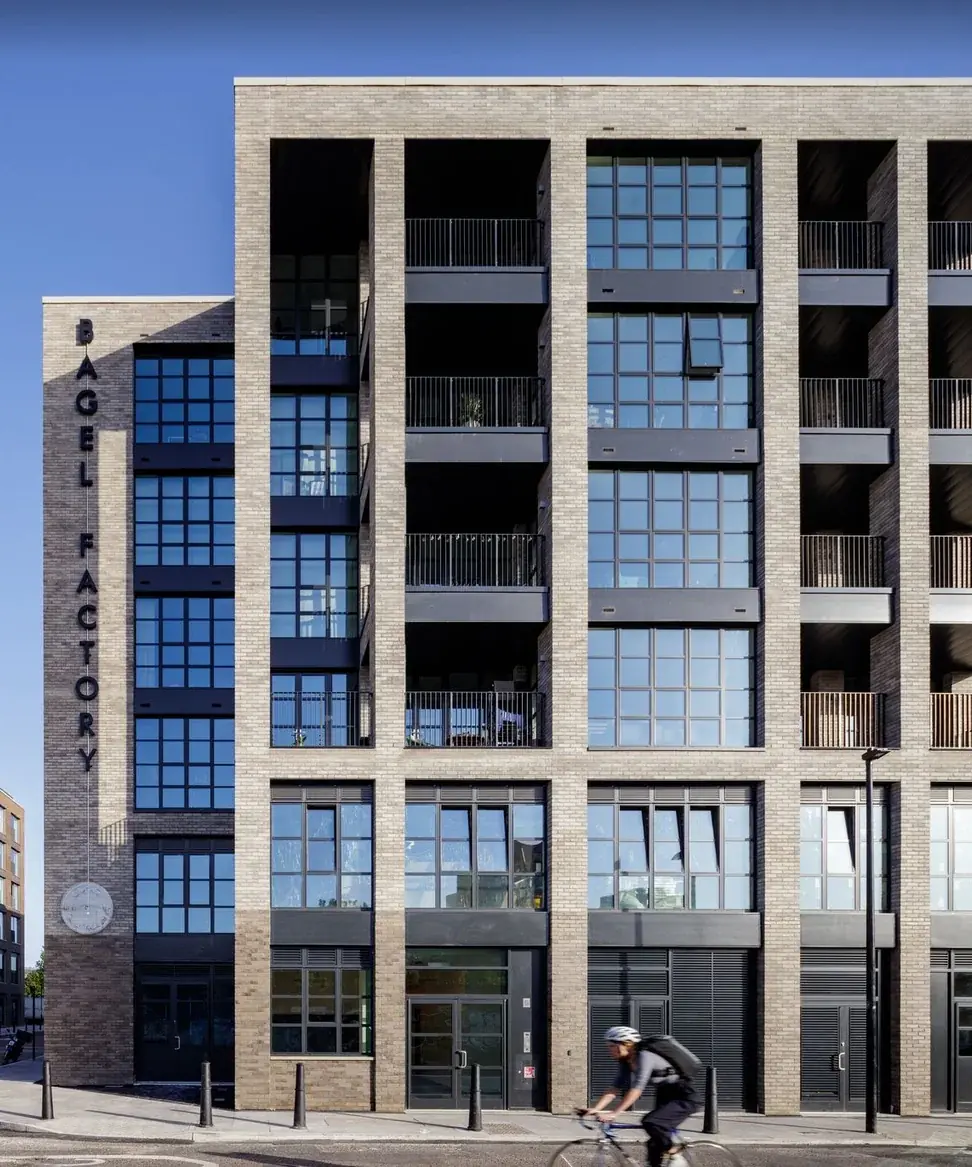
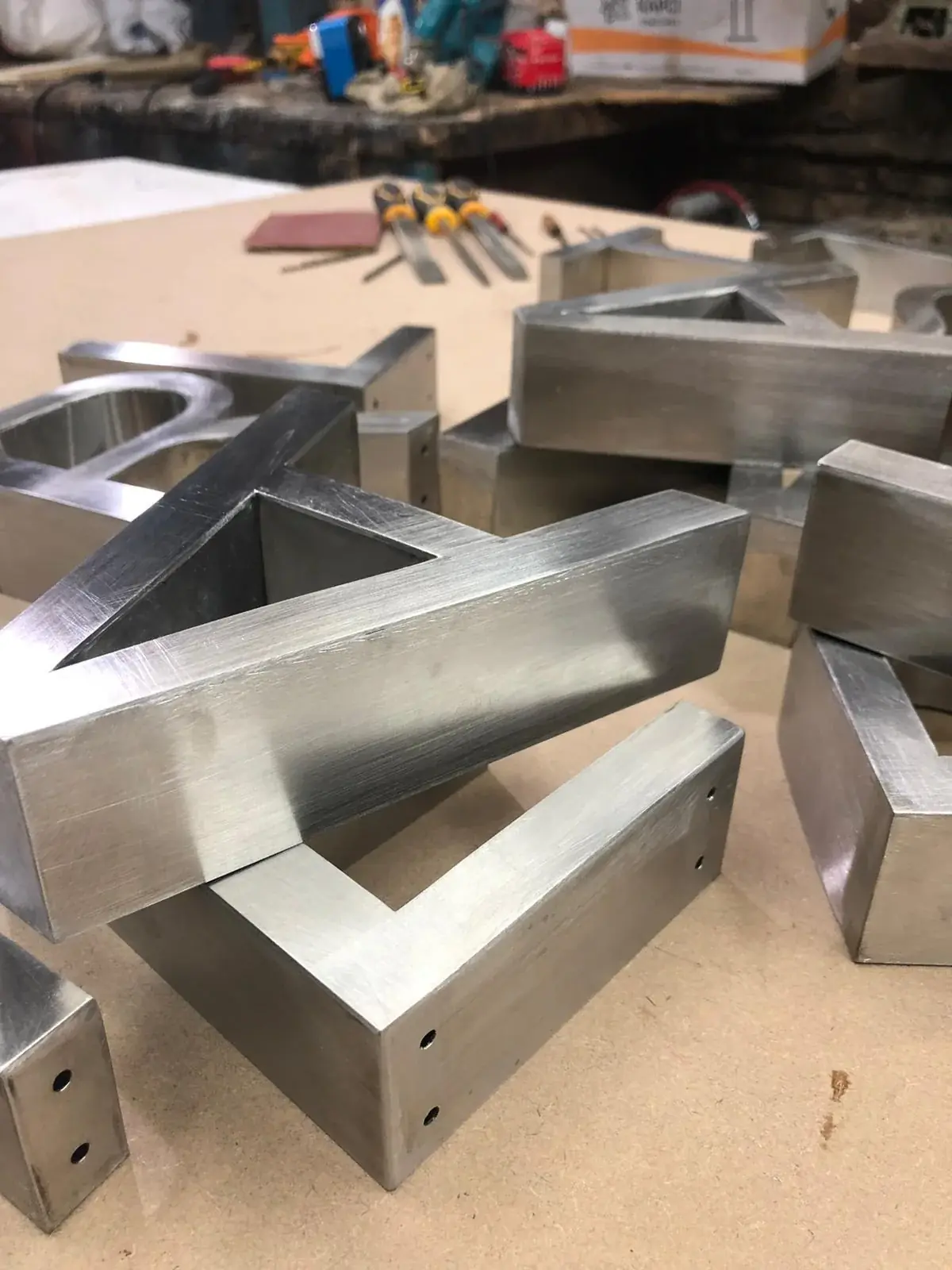
Raised metal letters stand away from a wall and can make a business name feel more solid. Stainless steel, aluminium and other metals can have different colours, weights and finishes. The size of the letters, the wall surface and the way each letter is fixed all affect the choice. If a particular colour or texture matters to you, ask to see a sample or agree on a clear example before work begins.
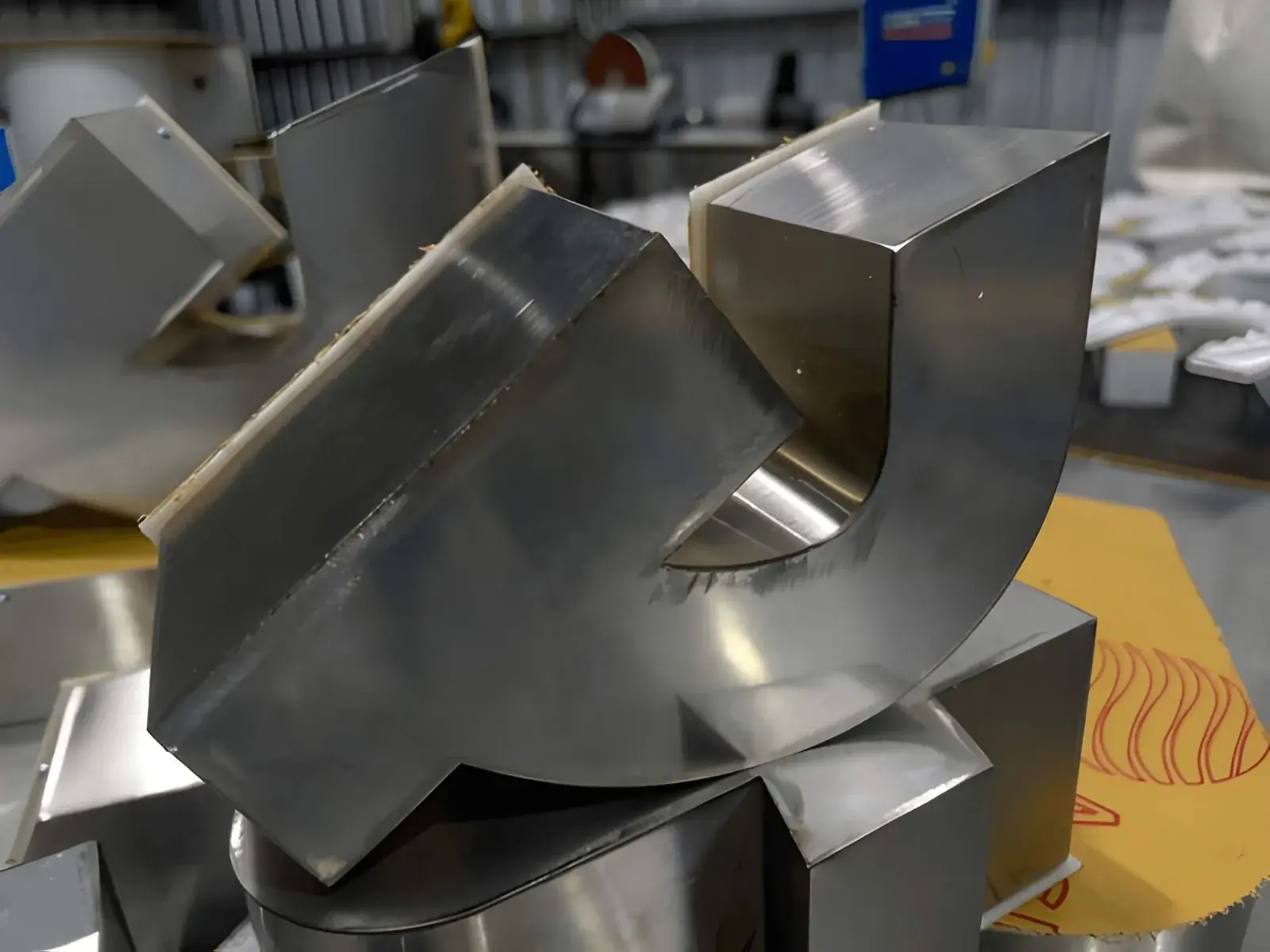
Letters need to be placed at even distances and lined up carefully. Ask how the installer will mark the wall and whether a paper guide or rail will help keep the name straight. Look at the smallest parts of your logo: fine details that look clear on a computer may be too small to make as letters. The photo of a shaped stainless-steel letter shows a smooth metal finish. Your sign maker can explain what may look similar or different on the whole name once it is fitted.
Graphics can be useful when the message may change
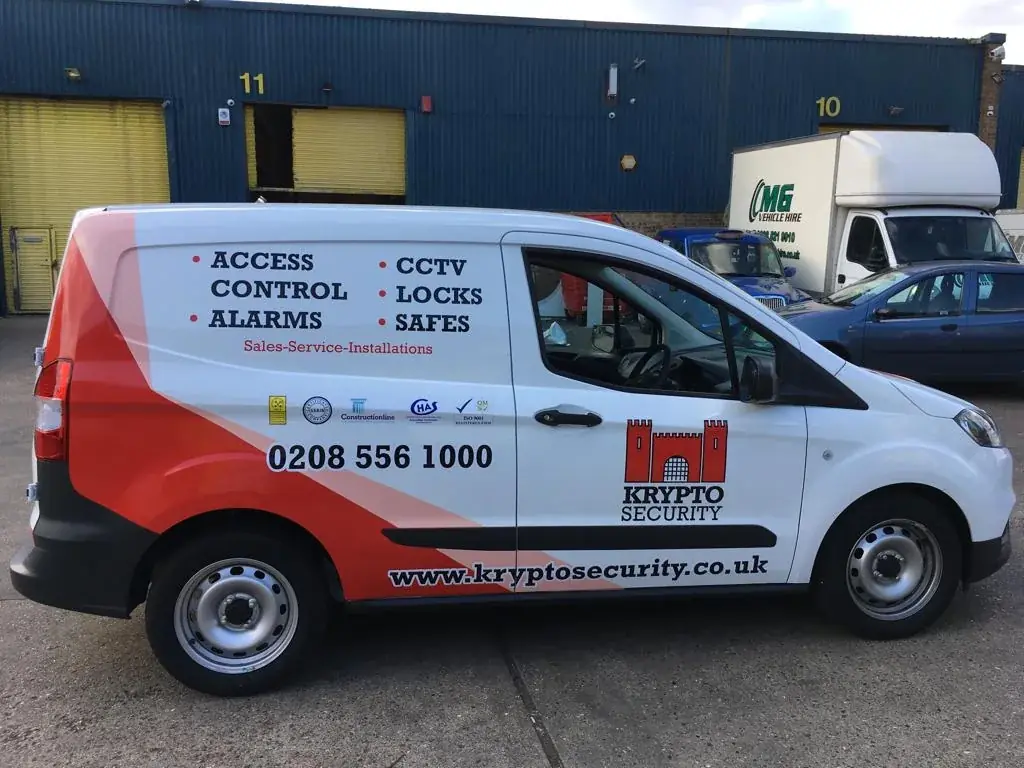
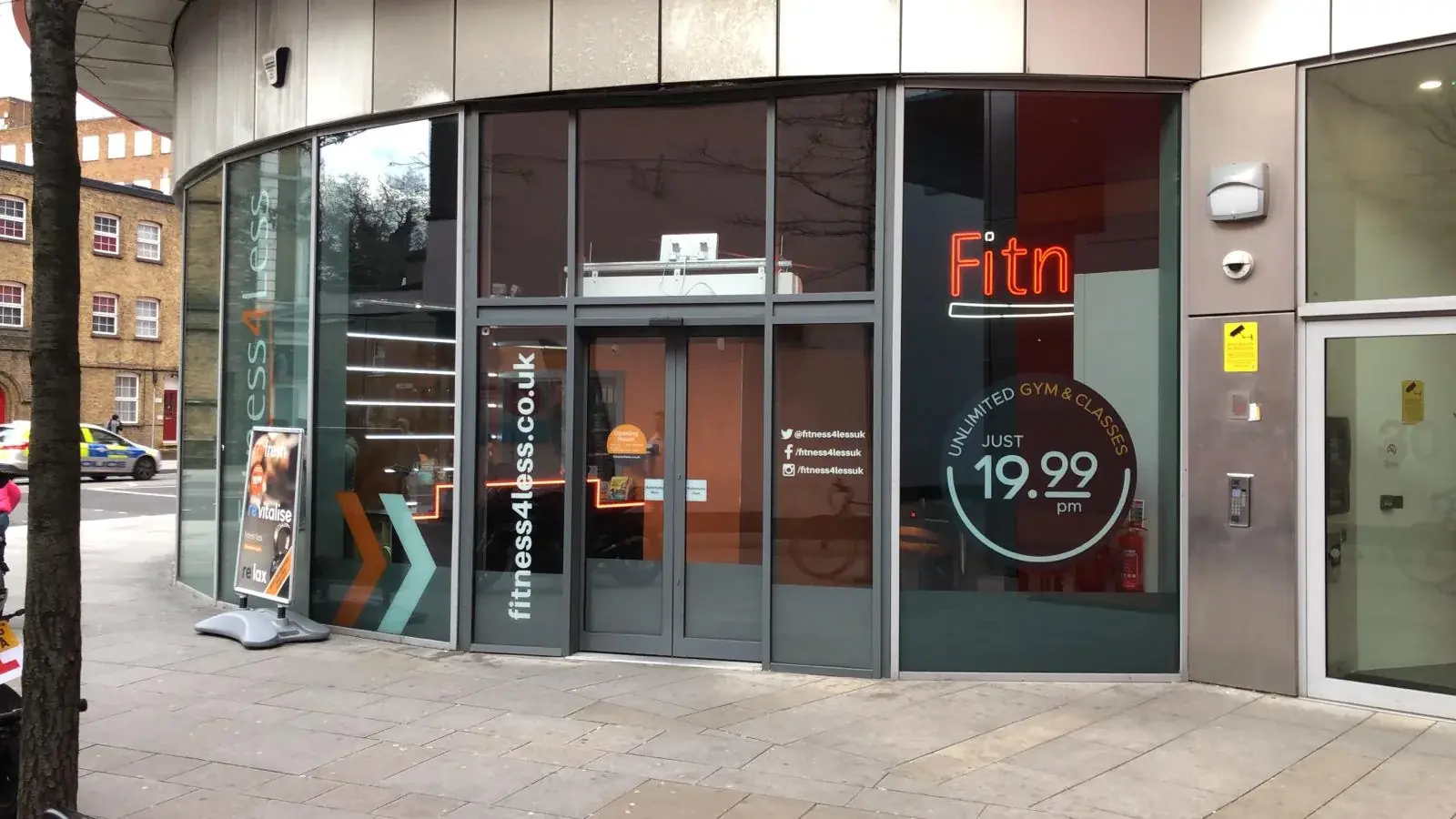
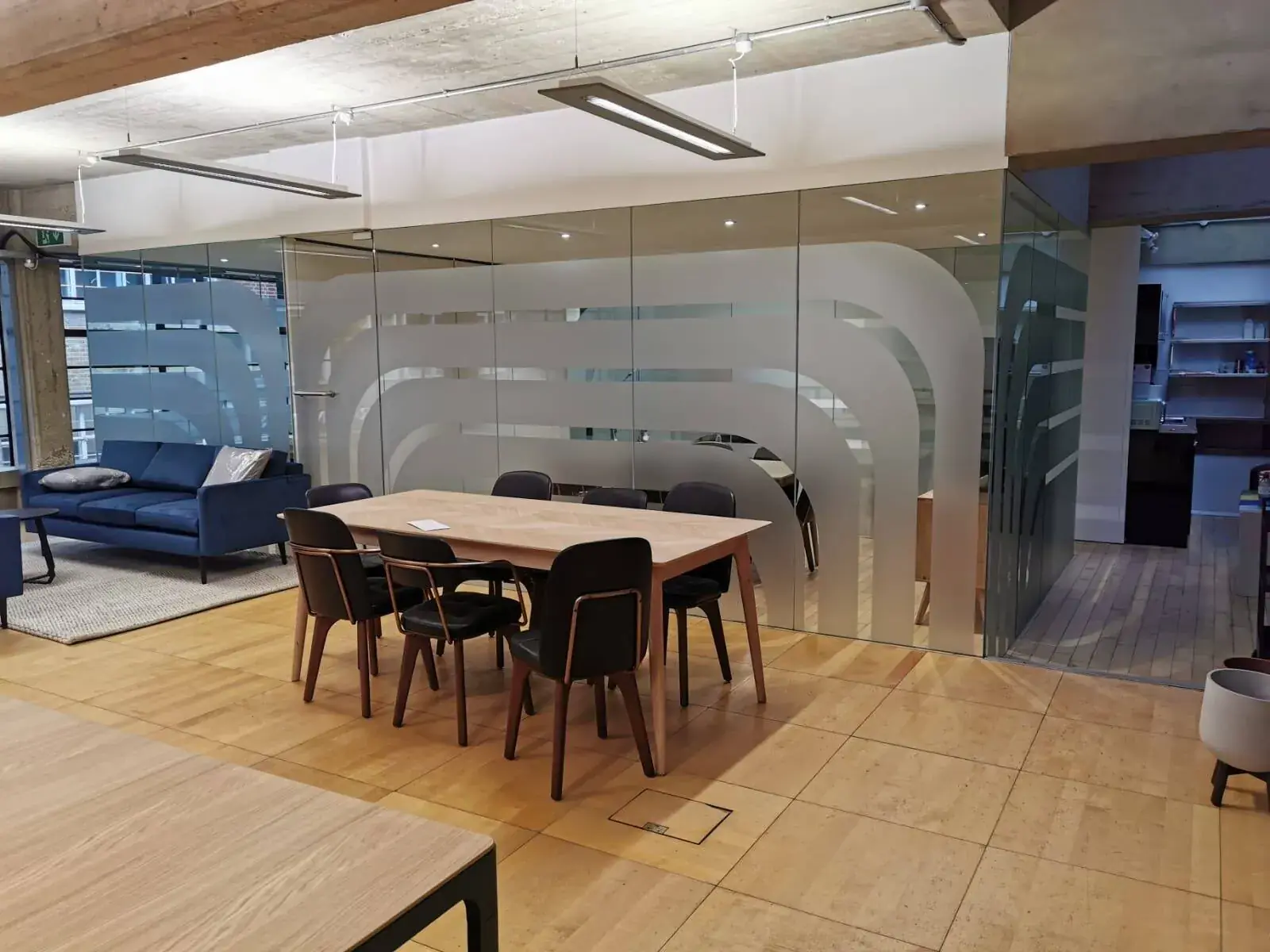
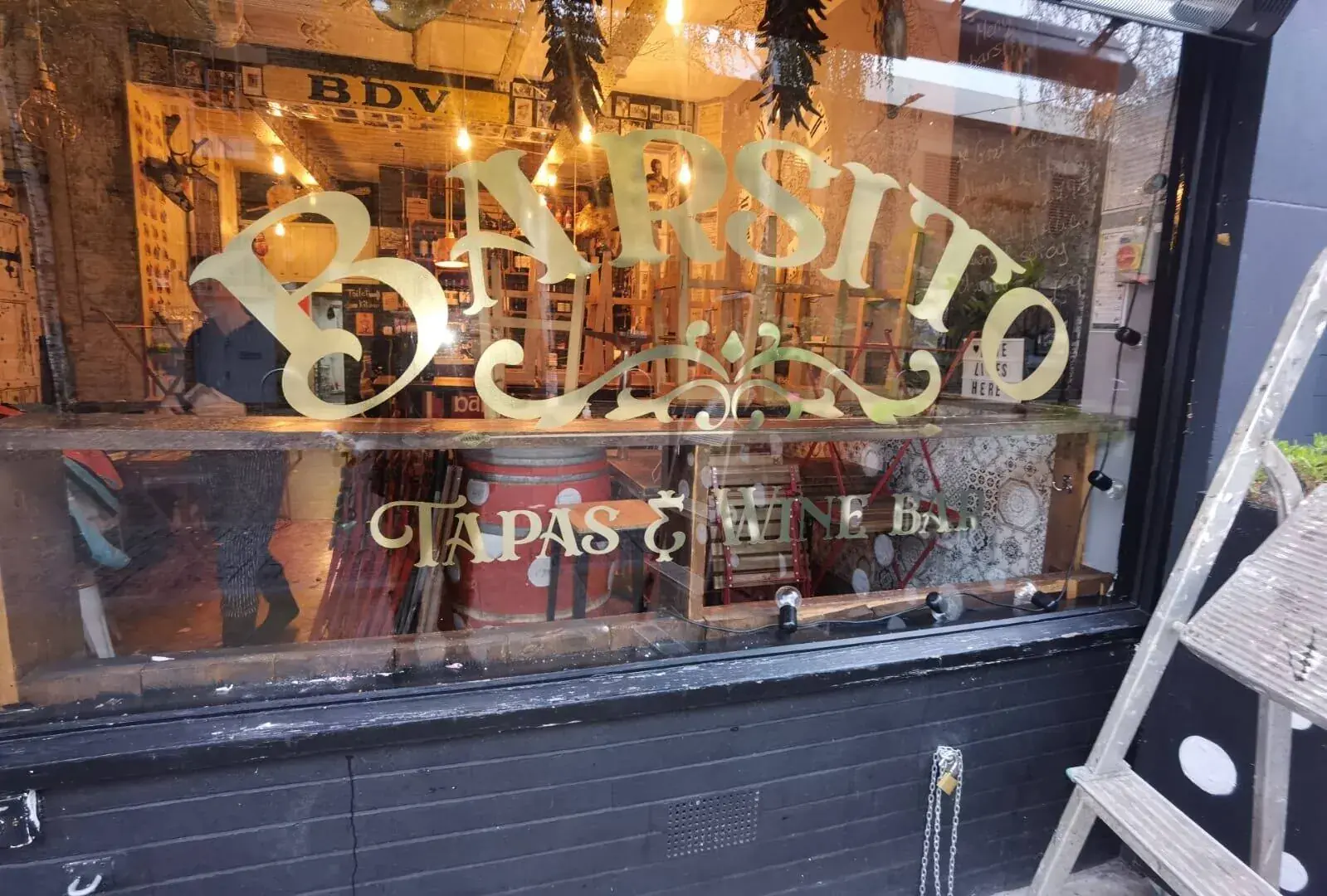
Printed pictures or cut-out words can go on a suitable panel or window glass. They are useful for opening times, a temporary offer or a name that may change. The right choice depends on how long the graphic needs to stay, how much sun reaches it and how clean the surface is before it is applied. Ask whether the surface needs special cleaning, whether the work should happen in certain weather and how the graphic can be taken off later.
A graphic that looks good on a sample may not look the same on an old or uneven window. Reflections and sunlight can also make words harder to read. If the message changes often, ask whether it can be replaced without changing the whole sign. If it needs to stay for years, ask about a material made for that use. Keep enough clear window glass if people should be able to see into the shop. Plan both the message and the view through the window.
Ask about edges, fixings and future care
The front face is only one part of a sign. Ask how the edges and joins are finished, how the sign will be attached and whether it can be reached safely for cleaning. Dirt can gather around raised parts, so ask how to care for them without scratching the surface. If the sign includes lights, ask how the parts and wiring can be checked later. Keep care advice with your building papers so staff know what to do.
Think about what might change. A replaceable panel or window graphic may be easier to update than a custom set of metal letters. If you expect the business name to stay for a long time, raised letters may suit the building and the look you want. Ask how parts meet the wall and whether water or dirt could collect around them. The person making and fitting the sign should answer from the actual site information, rather than relying on a material name alone.
Shop Front Signs London — Explore options for signs on the front of a business.
When asking for advice, share the location, rough size, wall type, photos and how exposed the sign will be. Tell the team what look you want and how often the message may change. Ask for the material, finish, fixing plan and care advice in writing. London Signage can discuss outdoor sign choices for your building. Contact the team or send your details through the quote form.
Contact London Signage — Talk through material choices for your sign.
Ask for an outdoor sign quote — Share photos, measurements and details about your site.
Common questions
Choose for your building and your needs
The right outdoor sign material is one that suits the design, building, weather, fixings and care plan. Aluminium panels, acrylic, raised metal letters and window graphics each have their uses. The way a sign is put together matters just as much as its name. Share real photos of the site, ask why a material is recommended and make sure the finish and care instructions are clear. London Signage can talk through choices for a shopfront or another outdoor space. Begin with a few photos and rough measurements, then ask what would suit your location. This can help you compare choices with confidence.
Frequently asked questions
Which material lasts longest outside?
There is no one answer for every sign. It depends on the product, finish, fixing, weather and care. Ask for advice based on your building and how exposed the sign will be.
Can acrylic be used outside?
Some acrylic products can be used outdoors. Ask which type and thickness are planned, and whether its finish, support and fixings suit your site.
Is aluminium a good choice for a shop sign?
It can work for panels and shaped sign parts. Ask about thickness, support, edges and finish, and how it will be attached to your particular building.
How should I clean an outdoor sign?
Follow the care instructions for the material and finish. Ask what cleaning products to avoid and how to reach the sign safely. Signs with lights may need their parts checked too.