Lit Signs
When Lit Signs Help a Business
Find out when a lit sign can help customers, compare simple lighting styles and learn what to check before choosing one.

A lit sign can help people spot your business when the day gets dark. It may also help someone find a doorway that sits back from the pavement or falls into shadow. But lights do not help every business. They add electrical parts, fitting work and things to look after. The useful question is not “Can my sign light up?” but “When will the light help a customer?” This guide explains the common reasons businesses choose lit signs, the main styles and the checks that help you decide if lights make sense for your building. It is written for owners weighing up a real sign for their premises.
Help customers find you after dark
When daylight fades, an unlit name can blend into its wall. A lighted sign can keep the name clear for people walking or travelling past. This may matter if your business stays open late, sits in a shaded spot or has an entrance that is difficult to notice. A lit name can also help a visitor find the right door in a large building with several businesses.
The setting makes a difference. If most customers arrive during the day and your shop is easy to spot, lighting may not add much. A sign with tiny letters can still be hard to read even when it shines. Look at the building after dark from the places where customers approach. Ask someone to stand across the street and see whether they can read the name, rather than judging it from right underneath.
Pick a light style that fits your name
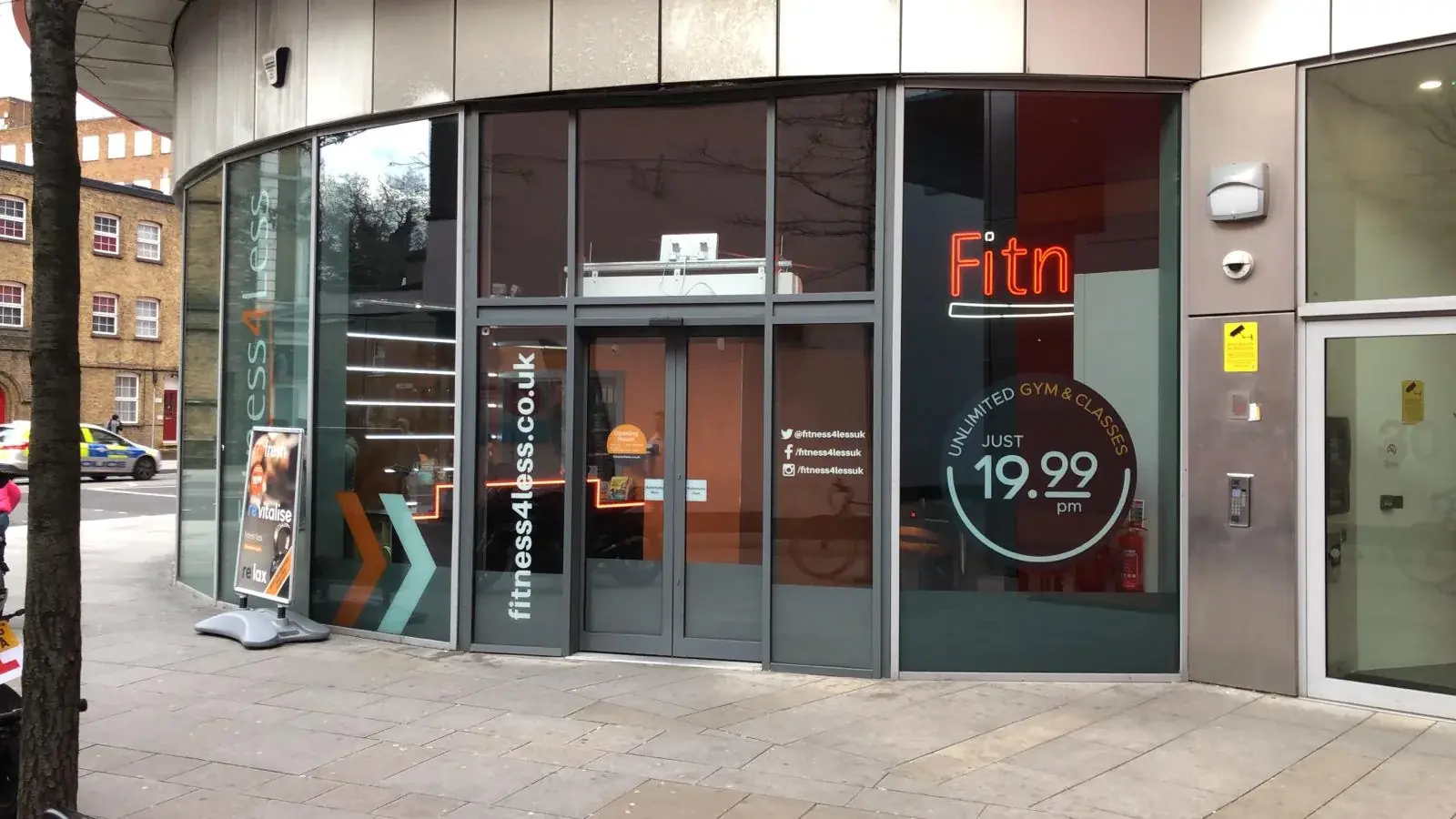
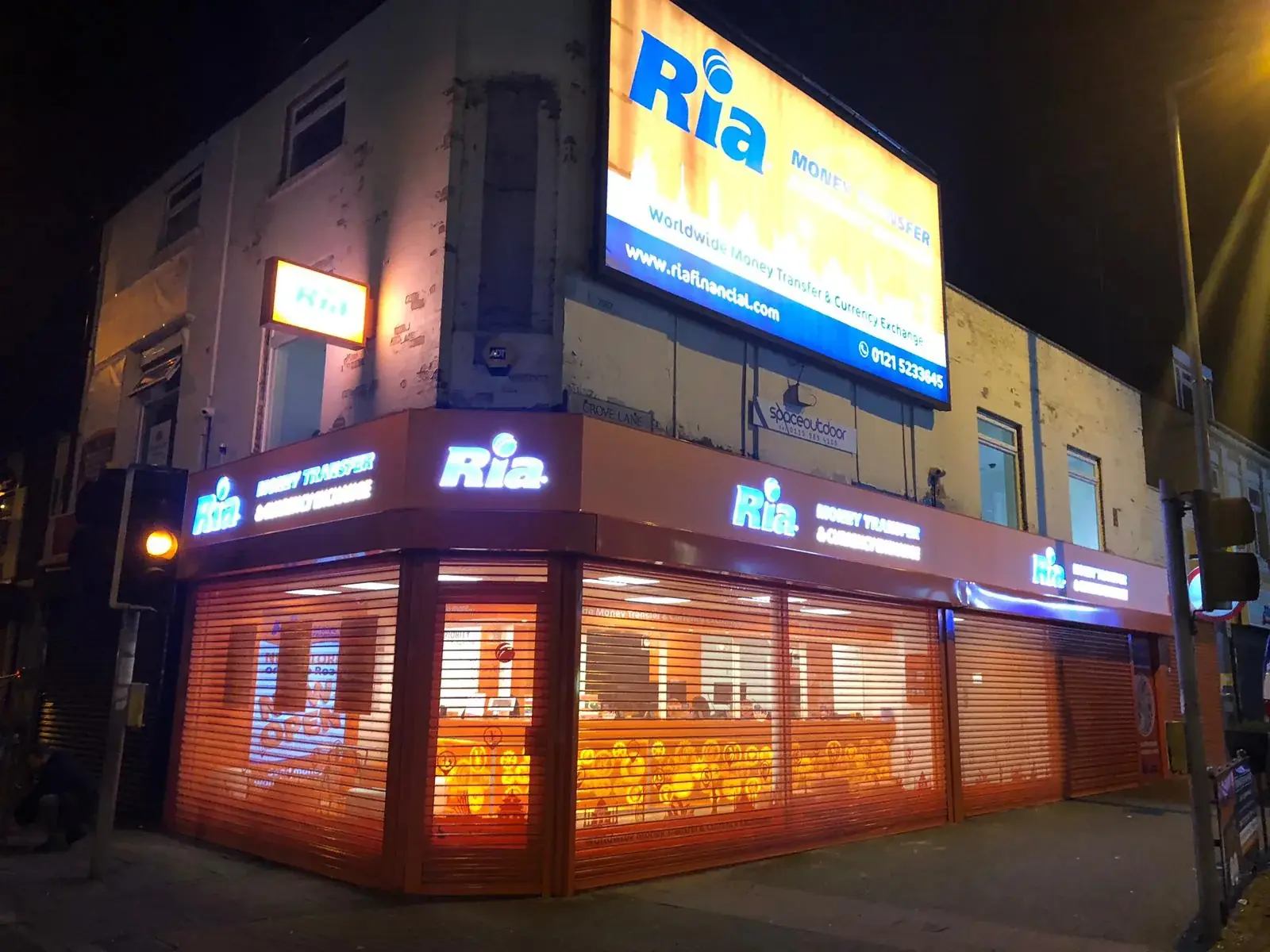
A light box is a sign with lights behind a flat face, so the whole sign can glow. Separate letters can have light shining through their faces, or light can shine behind them and make a soft glow on the wall. These styles create different looks. A light box may suit a logo that needs a clear background. Separate lit letters may suit a short name on a wall where you want more of the brick to show.
Ask to see a drawing or sample that shows the sign switched on and off. Colours can look different when lit. Fine lines, tiny words and the holes inside letters can be harder to see if the light spreads unevenly. LED means “light-emitting diode”, a small light often used inside modern signs. Ask how the light will be spread out and whether any part can be reached for repair.
A lighted name can make the entrance clearer
A lit sign can act like a landmark. On a row of shops, it helps visitors check that they have reached the right place. In a shared building, a lighted name by the door can make the entrance feel less confusing. Inside, a small lit sign might help people find reception if the room is dim. Keep the words clear and put the sign where a visitor will look for it. The right choice depends on your customers and your day-to-day routine.
Think about people nearby as well. A sign should help customers read the name, not shine into a neighbour’s window or make the whole building glare. Check the appearance from the pavement and nearby homes if possible. Ask whether the lights can be turned off when the business is closed. Rules can vary from one building or location to another, so check with the landlord or the right local authority.
Plan power, fitting and future care
A lit sign needs a safe connection to power. Ask where the cable will run, who will connect it and where the parts that control the lights will sit. A visit to measure the site can show whether there is a good fixing surface and a safe route for cables. Work out these details before the sign is made, not on the day it is due to go up.
Find out how the sign will be fitted and who can safely reach it for checks. Ask what to do if one part goes dark and whether the whole sign must come down for a repair. You can clean the outside as advised, but do not open electrical parts or climb up to fix a high sign. Keep the fitting and care notes in a safe place.
Ask for information about the exact lights and how long they are expected to run each day. Power use depends on the sign, the lights and how many hours they stay on, so general claims may not tell you much. If a timer or control is suggested, ask how it works and who can change it. A simple plan can prevent lights being left on when nobody needs them.
Make sure the way you plan to use the lights fits your normal working day. Decide who will turn them on and off, and whether a timer is useful. Keep the switch or control somewhere staff can find it. If your opening hours change with the season, remember to check the timing too. Small everyday details can help the sign do its job without becoming a nuisance.
Decide if lights are worth it for your business
Write down when customers need to see the sign, where they will stand and what they need to read. Then compare that with your opening hours, the street lighting and the position of your entrance. If lighting solves a real problem, ask a sign maker to show how it will look on your building. If the sign is already easy to see in daylight and you close early, a clear sign without lights may be a better fit.
When you ask for an offer, check what it includes: the sign, lights, fitting, power connection and any visit to measure the site. Ask whether you need permission and who will check. Make sure the final drawing shows the name, colours and position correctly. Take photos in daytime and evening if you can. That gives the sign maker a useful picture of what customers will see.
Illuminated Signs London — Explore signs that help people see a business in low light.
Lights can help a business stand out after dark, make a hard-to-find door easier to spot and give a sign a special look. They are most useful when they solve a clear problem for customers. Before you choose, think about your hours, the street, your neighbours, power and future care. Ask to see the sign on your actual building and get a clear list of what the work includes. That way, the lights do more than look bright: they help people find the right place. A well-planned sign should make a real visit easier, not add work without a reason.
Talk to London Signage — Discuss your building, opening hours and whether lights may help.
Ask for a lit sign quote — Share photos and details about when the sign needs to be seen.
Common questions about lit signs
Frequently asked questions
Are lit signs only useful at night?
Night is when the light is easiest to notice, but a lit sign may also help in a shaded doorway during the day.
Are all lit signs made with LEDs?
Many use LEDs, which are small lights, but sign types and parts differ. Ask what the proposed sign uses and how it can be cared for.
Will a lit sign use a lot of power?
It depends on the sign and how long it is left on. Ask for information about the exact sign and its expected daily use.
Can my old sign be made to light up?
Not always. Its size, shape, condition, fixing and access to power all matter. A sign maker can check it and explain the choices.