Business Signs
Aluminium Signs for Shops and Businesses
Compare flat aluminium panels and folded shop signs, then plan the finish, message, fitting and future care.
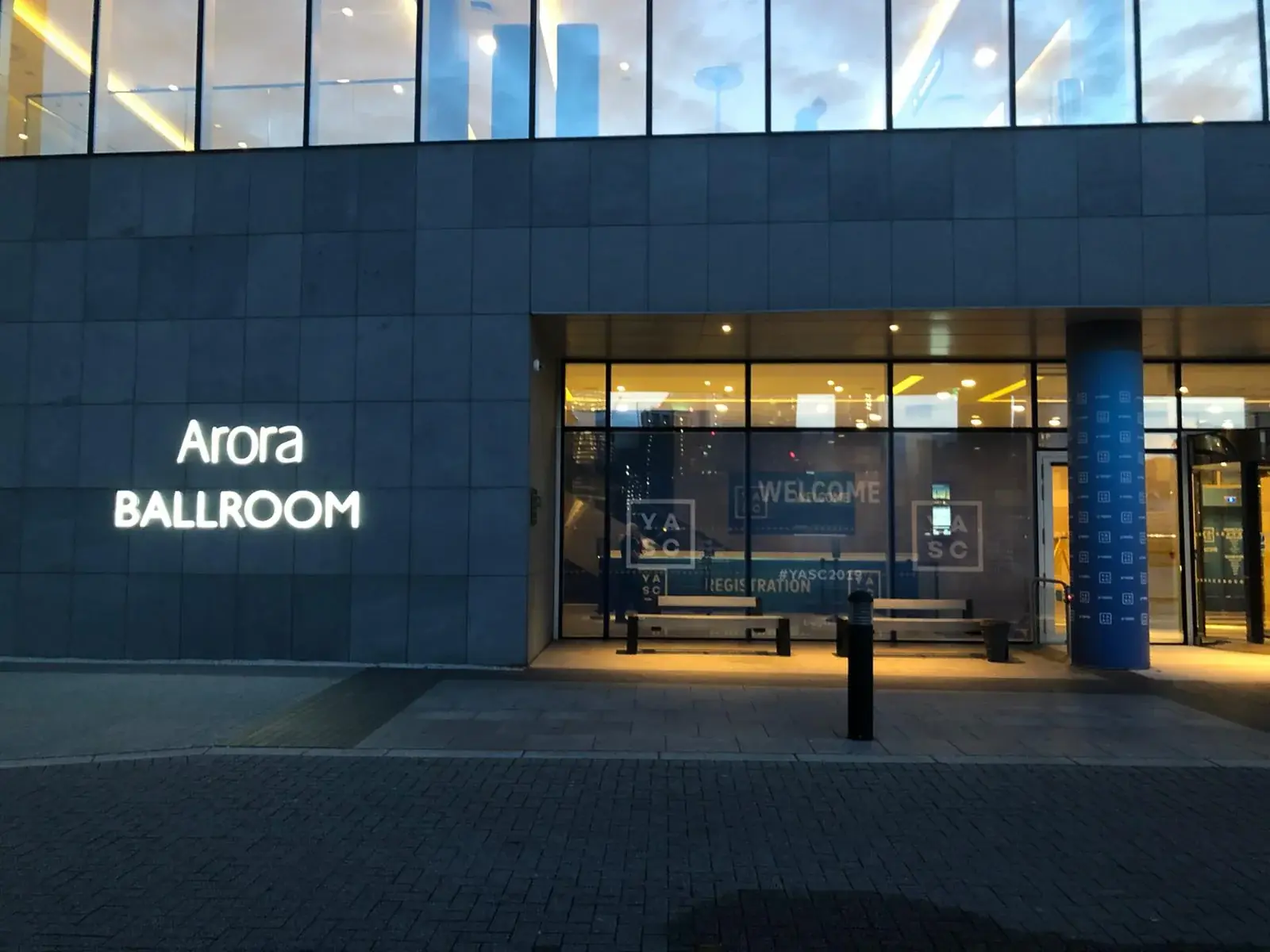
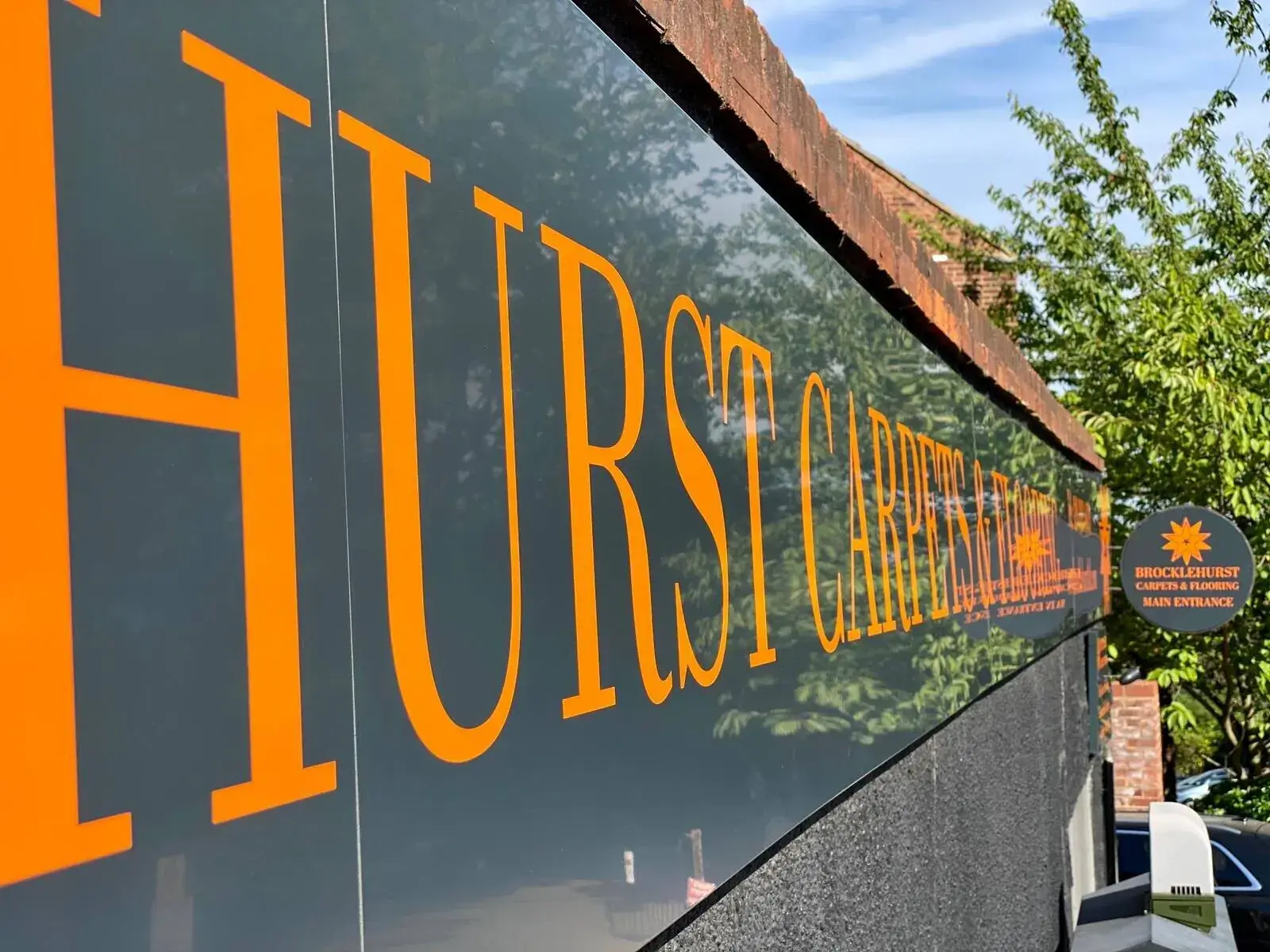
Aluminium can be used for a flat sign panel, a folded shop sign or raised letters. Those choices look different and need different support, so it helps to decide what the sign must do before choosing metal. A small panel giving directions at an event is not the same job as a large sign above a shop door. This guide explains the common types in simple terms, with practical points about colour, fixing, care and fitting. If you run a shop or business in London, the aim is to help you ask the right questions and compare proposals clearly. A sign maker can then suggest a build that suits the wall, the message and the way people will see it.
Know the main types of aluminium sign
A flat panel has a broad face for a name, picture or directions. Some panels are made from solid aluminium. Others use a light centre covered by thin layers of aluminium; this is often called an aluminium-composite panel. A folded panel has edges bent around the face, which can hide the sides and some fixings. Raised metal letters stand out from the wall and make a name feel more three-dimensional. Each type has its own weight, edge and fitting needs. Ask the sign maker to explain what is being offered in everyday words.
Think about the place and purpose. A temporary event board may only need a flat panel with clear words. A permanent shop sign above an entrance may look better with folded edges or raised letters. A large panel may need a frame or extra support behind it, even if that support cannot be seen from the street. Measure the space and note how high the sign will sit. For larger or unusual signs, ask whether someone should visit the site before the final design is agreed. A drawing alone may not show every feature of the wall.
Choose a finish for the place it will go
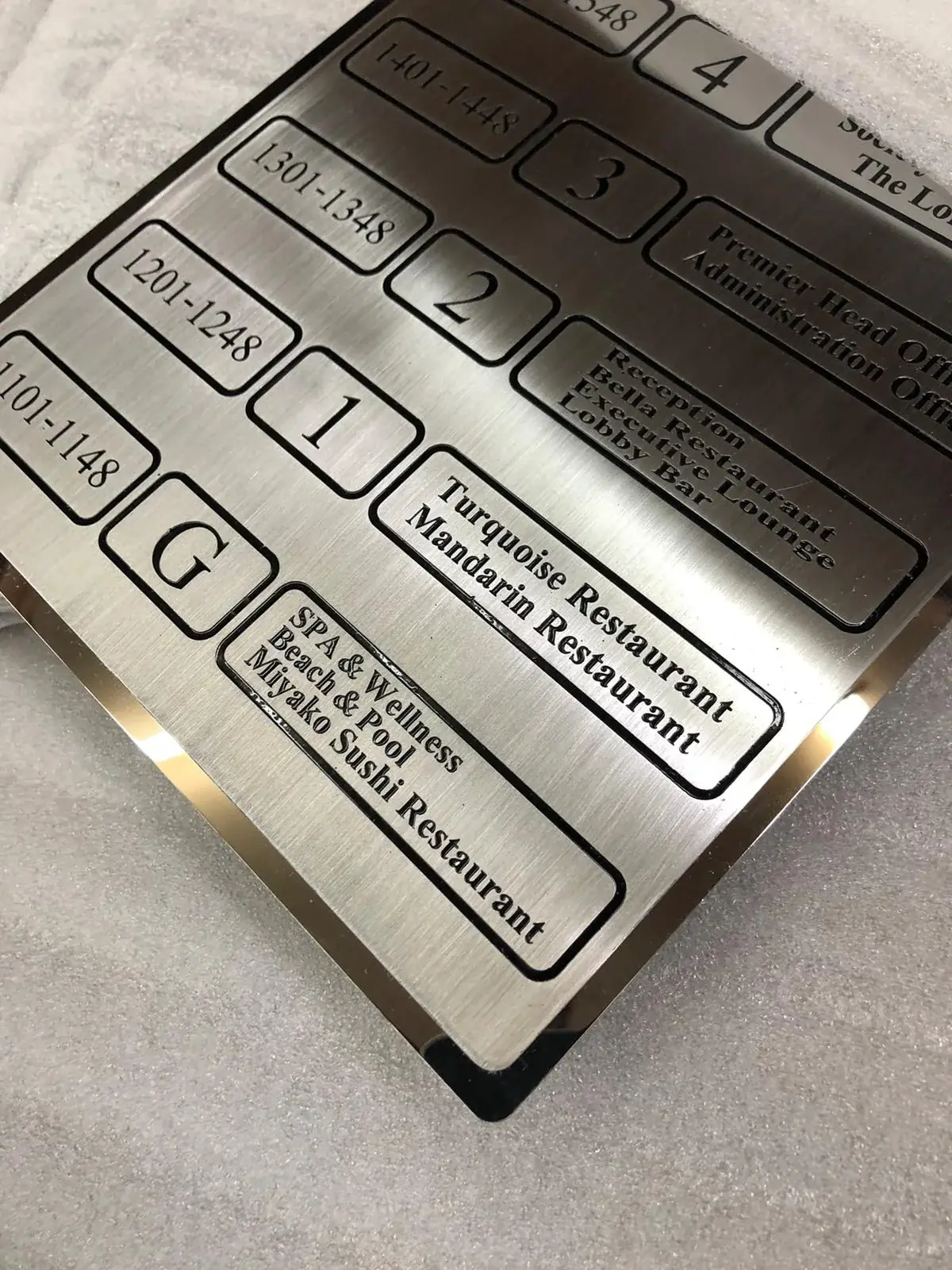
Aluminium can be brushed to show a fine grain, painted in a colour, printed with a design or covered with vinyl. Vinyl is a thin coloured or printed film with sticky backing. A brushed finish has lines running in one direction, so the sign maker should line up the panels and logo with that grain. Printed or painted colours can look different under warm indoor lamps and bright outdoor light. If a close brand match matters, ask to see a sample in the place where the sign will be used. A computer picture is a useful guide, but it cannot show every finish exactly.
Outdoor signs face rain, sunlight and dirt. Indoor signs may get touched, bumped or cleaned more often. Tell the maker where the sign will go and how you expect to care for it. Water should not collect in places where it can damage the sign or its fixings. The finish also needs to suit the message: polished metal might fit a quiet reception, while a bright printed face may be easier to spot above a busy shop. Do not focus only on the front; edges, joints and the way the panel is held matter too.
Make the message easy to spot
A sign seen from across a street needs fewer words and larger letters than a sign read up close. Put the business name or main message first. Keep extra details small in number, not just small in size. Use colours that stand apart from each other and leave space around the words. For a directory, group places in a way that makes sense to a first-time visitor. Add arrows only when they point the right way. Ask someone unfamiliar with the building to look at the design and tell you what they understand at a glance.
If you need several panels, give each one a name and a place on a simple list or plan. This helps the person fitting them know which panel belongs at each doorway. Check that the words, numbers and arrows match the places they refer to. If some information may change, ask whether that part can be replaced without changing the whole sign. For example, a main business name may stay for years while room names or event details change. Planning for that difference can save time when it is time to update the signs.
- Write down the sign size, location and viewing distance.
- Confirm whether the panel is solid metal or has a light centre.
- Approve the colour, exact wording and any arrows or directions.
- Ask how the sign will be fixed and what fitting work is included.
Check the wall, supports and fitting plan
A sign must be held safely by the wall or frame behind it. Tell the maker what the wall is made from if you know, and share clear photos of the area. Brick, timber and plasterboard need different fixings. A large sign or one that sticks out from the wall may need extra checks, especially outdoors where wind can push against it. Do not assume that the fixings used on another building will work here. If the wall is old, damaged or hard to identify, ask whether a site visit or advice from a building professional is needed.
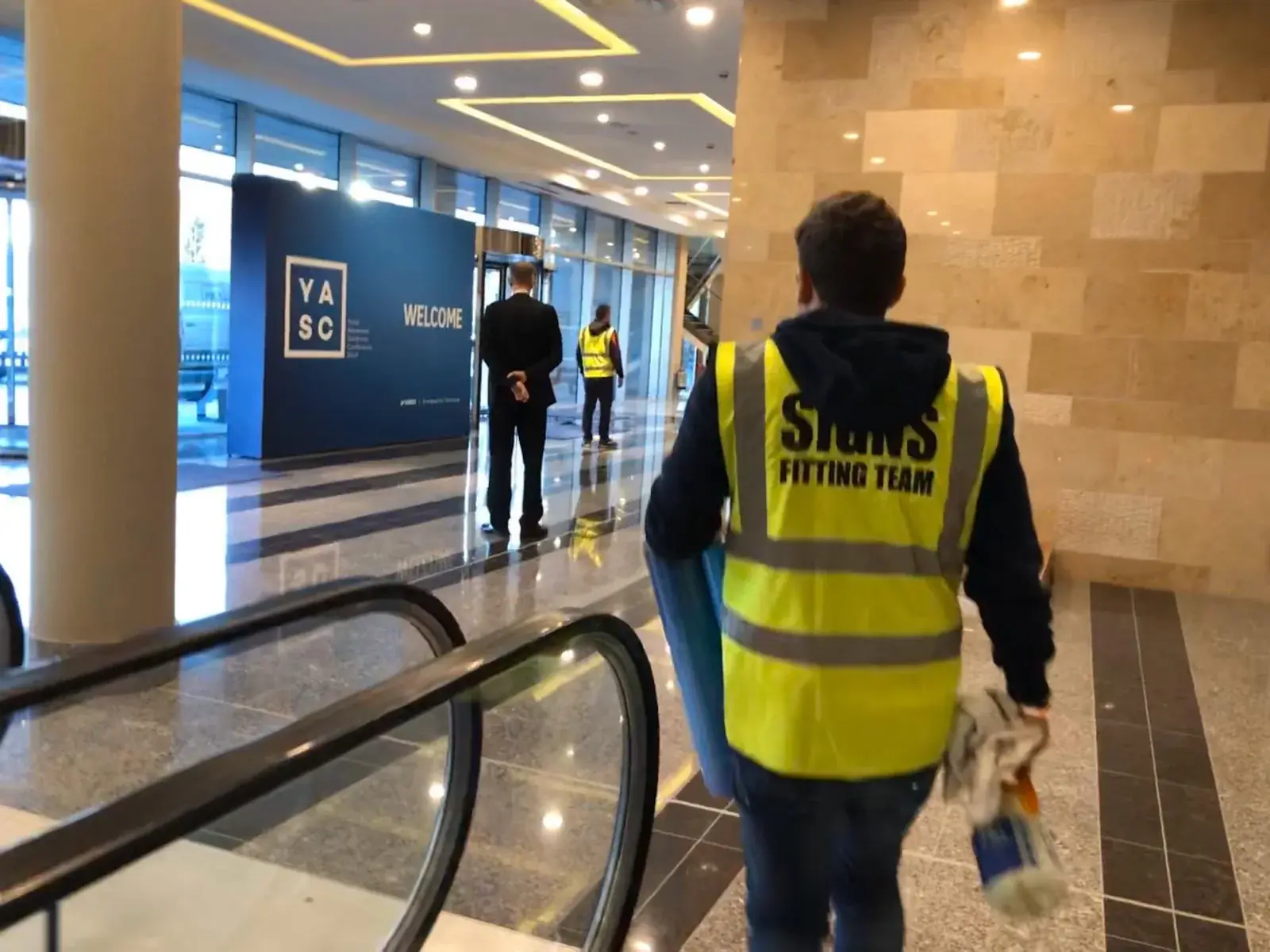
Fitting may need a ladder or other access equipment, permission to work at certain hours, or a clear path for carrying the sign. In a busy London street or managed building, parking and delivery arrangements may take planning. Ask if the quote includes measuring, delivery, removing an old sign and making good the wall afterwards. These tasks are not always part of the same service. Agree where the new sign will sit and who will be there to let the fitting team in. That preparation can help avoid a wasted visit.
Care for the sign and plan for updates
Follow the care advice for the particular paint, print or metal finish. A soft cloth is usually a safer starting point than a rough pad. Remove loose dirt gently and ask before using a strong cleaner. Check outside fixings now and then, especially after building work or a knock. Look at the printed or vinyl-covered areas as well as the metal: the picture and the panel may need care in different ways. If you notice a loose edge, damaged paint or a fixing that has moved, ask a professional to check it rather than pulling at it.
A sign can be simple to update or may need to be replaced as a whole. A printed flat panel is straightforward, but a changed message may mean making a new face. Some folded signs allow a front panel to be changed. Ask what is possible before ordering if your offer, tenant names or room list often changes. Keep the approved artwork, measurements, finish name and fitting notes in one place. That gives the next person a clear record and makes it easier to match a replacement, even if staff or suppliers change.
Ask for a clear quote and comparison
A helpful enquiry says what the sign is for, where it will go, roughly how large it should be and what it needs to say. Include a photo, address, artwork and the number of signs. Mention whether you need light, a particular finish or fitting. If you have a picture of a sign you like, point out what appeals to you, such as the colour or shape. The example may use a different material, so it is better to describe the parts you want than expect an exact copy. Ask the maker to explain other suitable choices.
When comparing quotes, check what each one includes. Look for design help, making the panel, delivery, fitting, access equipment and removal of an old sign. Confirm the panel type, size, finish, wording and number of signs in writing. Ask whether someone has measured the site or used your measurements. If anything is not included, ask who will arrange it. A clear quote makes it easier to compare the same work from different suppliers. It also gives both sides a useful record of what was agreed before the sign is made.
Commercial Signage London — See sign options and discuss a panel for your premises.
Conclusion: match the build to the building
Aluminium signs range from a simple flat panel to a folded shop sign or raised letters. The right type depends on the message, building, viewing distance, weather and how the sign will be fixed. Start with the job it needs to do, then check the size, finish, wording and fitting plan. Ask questions if a quote uses unfamiliar terms; a good explanation helps you make a confident choice. London Signage can discuss signs for commercial spaces. Share the location, a photo, rough measurements and any artwork using the contact page or quote form. The more you can show about the real site, the more useful the conversation can be.
Contact the signage team — Talk about the building, sign and material choices.
Ask for a project quote — Send photos, measurements and artwork for review.
Frequently asked questions
What is an aluminium-composite sign?
It is a panel with thin aluminium faces around a lighter centre. A solid aluminium sign is metal through its thickness. Ask which type is being offered, as they have different weights and edges.
Can aluminium signs be used outdoors?
Many are used outside, but the finish, fixings and support must suit the place. Tell the maker the sign size and where it will be fitted.
Can I change the message later?
Sometimes. It depends on whether the message is printed on one panel or made as a part that can be changed. Tell the maker if you expect regular updates.
Does a sign quote include fitting?
Not always. Ask whether measuring, delivery, removing an old sign, access equipment and fitting are included, and check for any extra work.