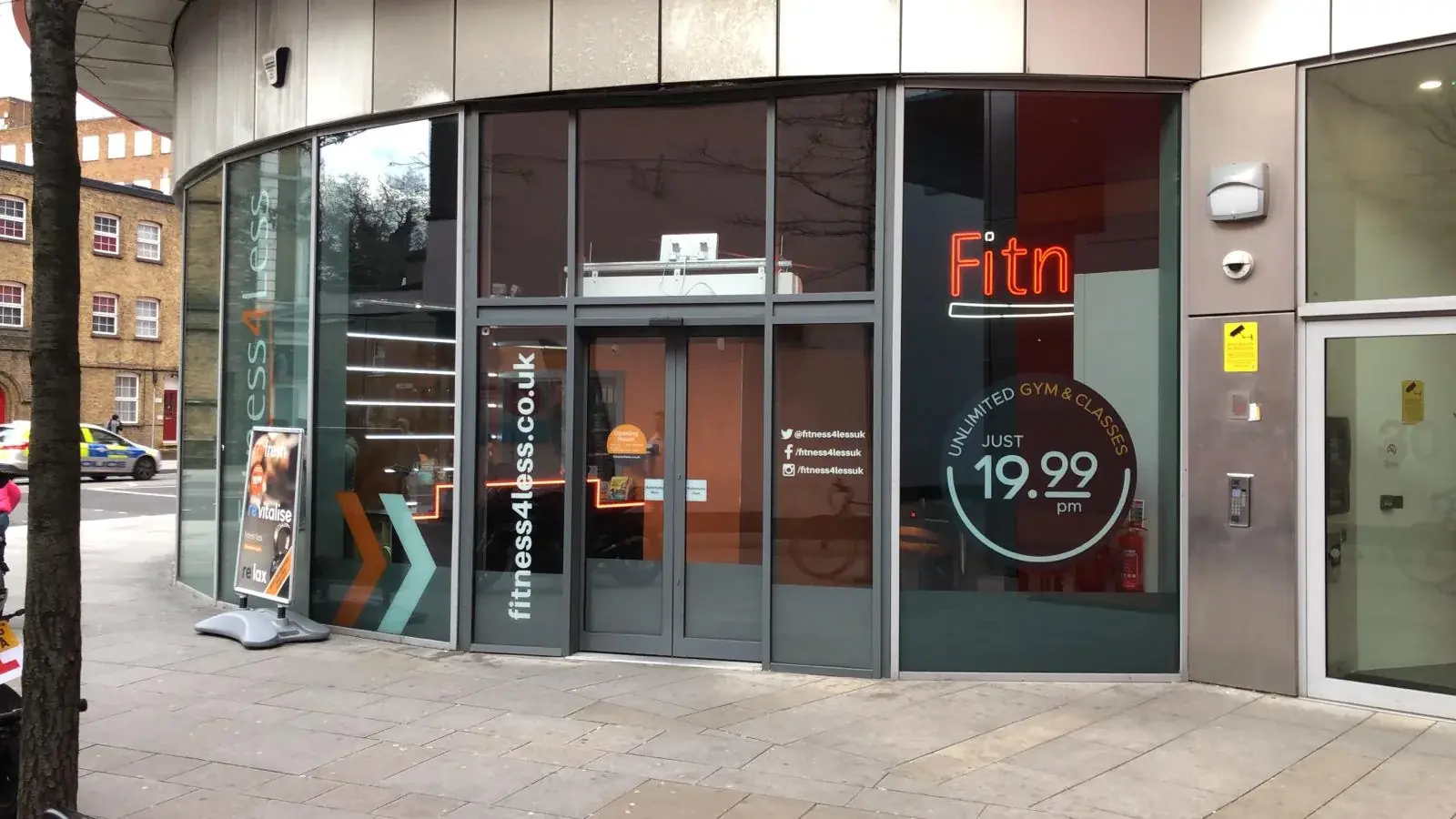
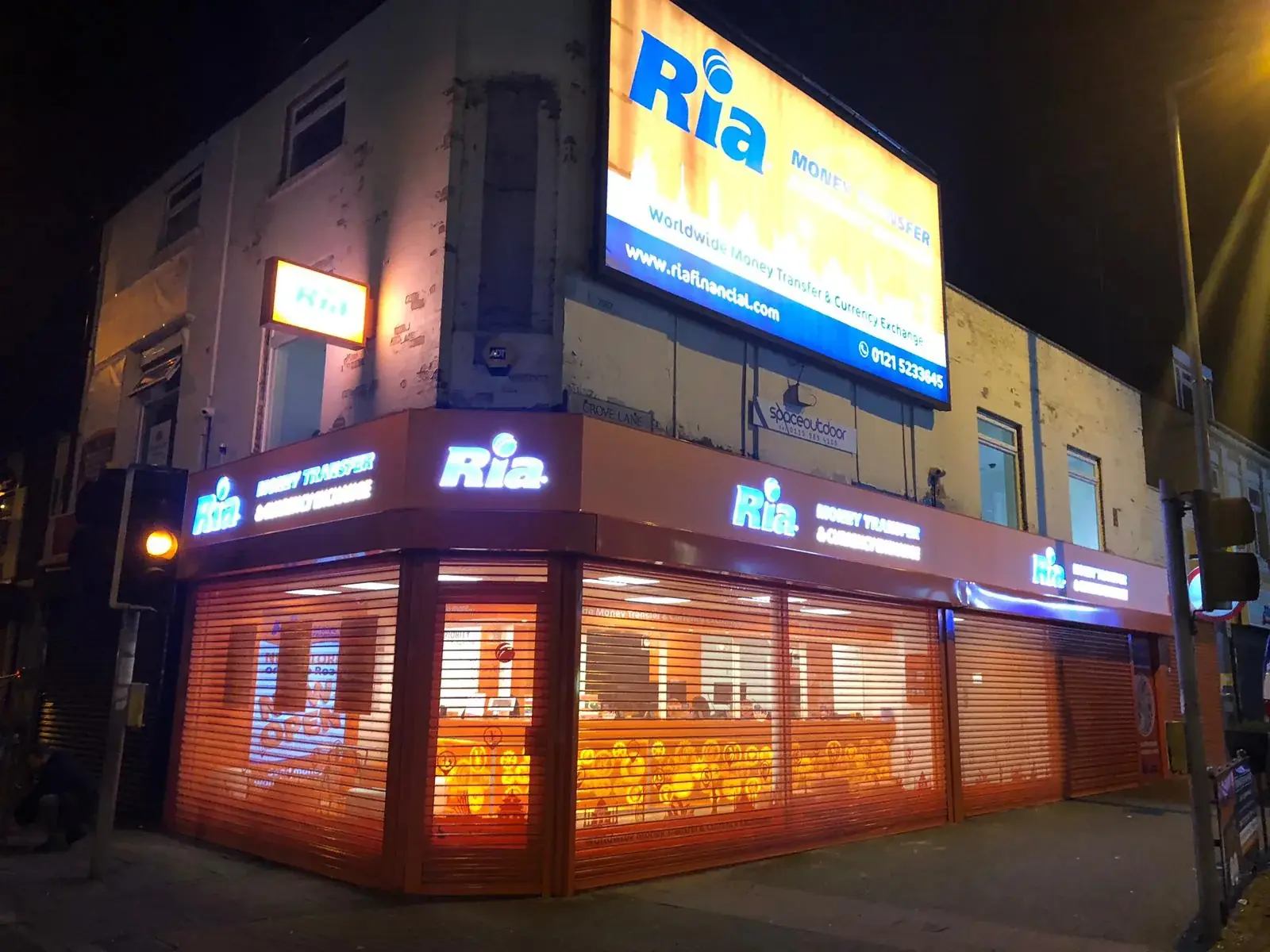
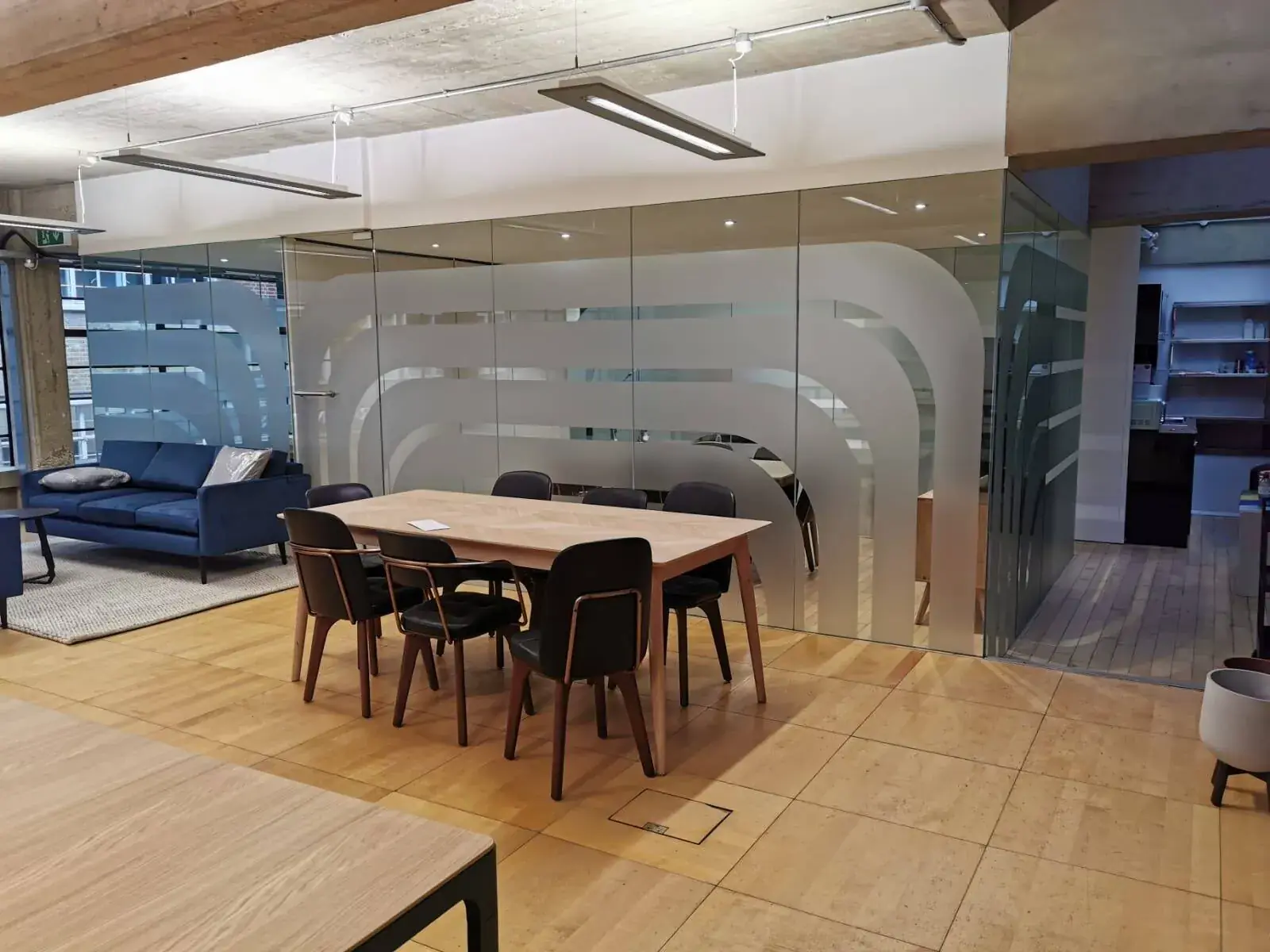
Shop and Office Signs
Acrylic Signs for London Shops and Workplaces
Choose an acrylic sign that fits your room, helps people find their way, and stays easy to care for.
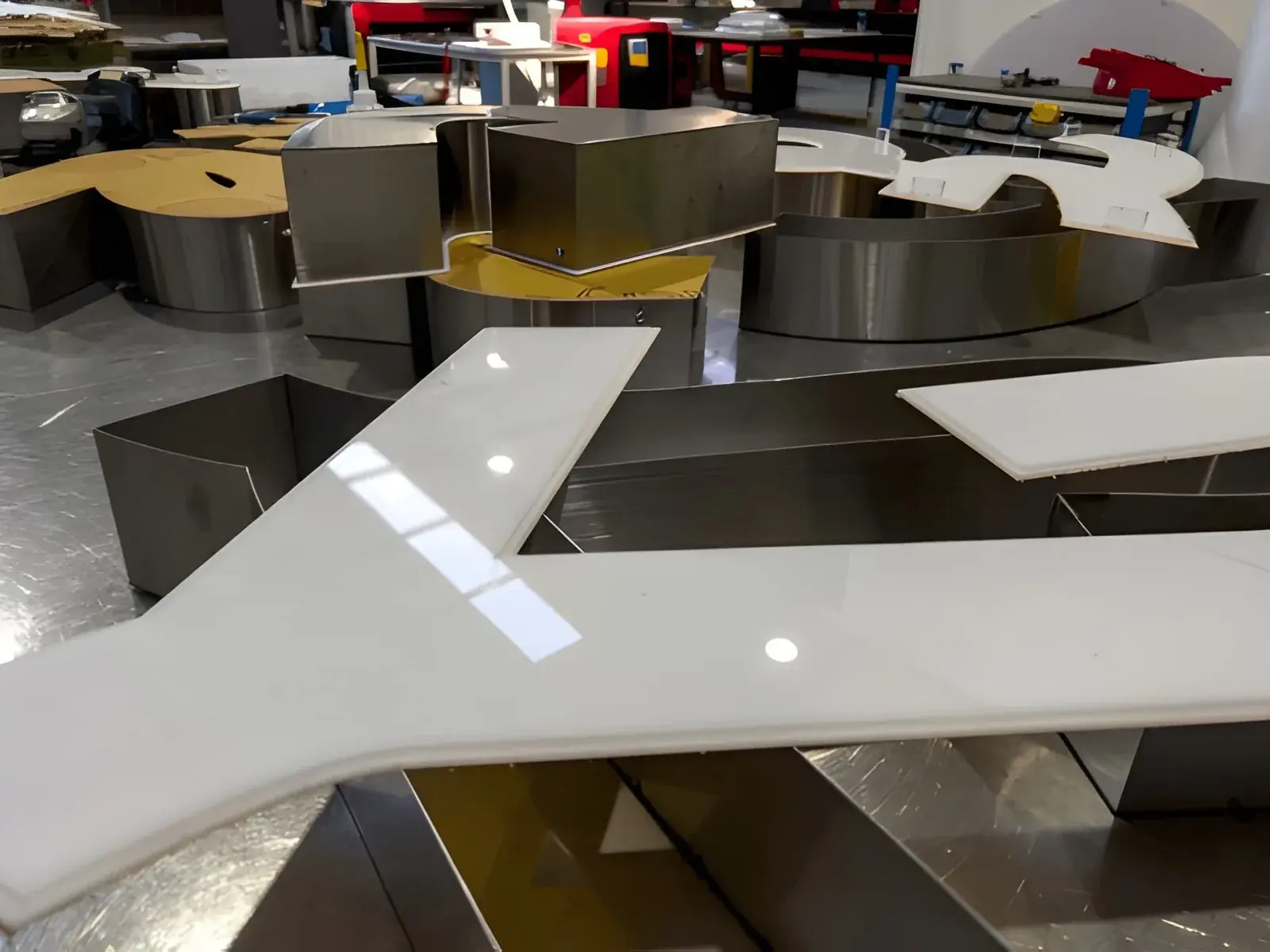
Acrylic signs can make a reception, shop counter or meeting room feel considered without taking up much space. Acrylic is a smooth, strong plastic that can be clear, coloured or printed. The best choice depends on what visitors need to see, where the sign will go and how people use that room. A small room name has a different job from a large logo behind a front desk. Before choosing a colour or thickness, look at the wall, the light and the distance from which people will read it. This guide walks through those choices in everyday terms, so you can plan a sign that suits your business and give a sign maker the details needed to advise you.
Start with the job the sign needs to do
Think first about the person standing in front of the sign. At a reception desk, visitors may need to spot your business name from across the room. Outside a meeting room, they may only need to read a room name when they are close by. A directory has a different task again: it should help someone choose where to go without asking staff. Write down the one main thing each sign must tell people. This keeps the design focused and helps you choose its size, position and amount of text.
Look at the wall and light before settling on a clear or coloured panel. Clear acrylic can almost disappear against a pale wall, especially if sunlight shines across it. A coloured panel may stand out more, while a frosted finish softens the view through the sheet. Reflective finishes can look bright, but nearby windows or lamps may show up in them. Ask for a simple picture or paper-size mock-up in the actual spot. Check it from the doorway, desk and route visitors will take, not only on a computer screen.
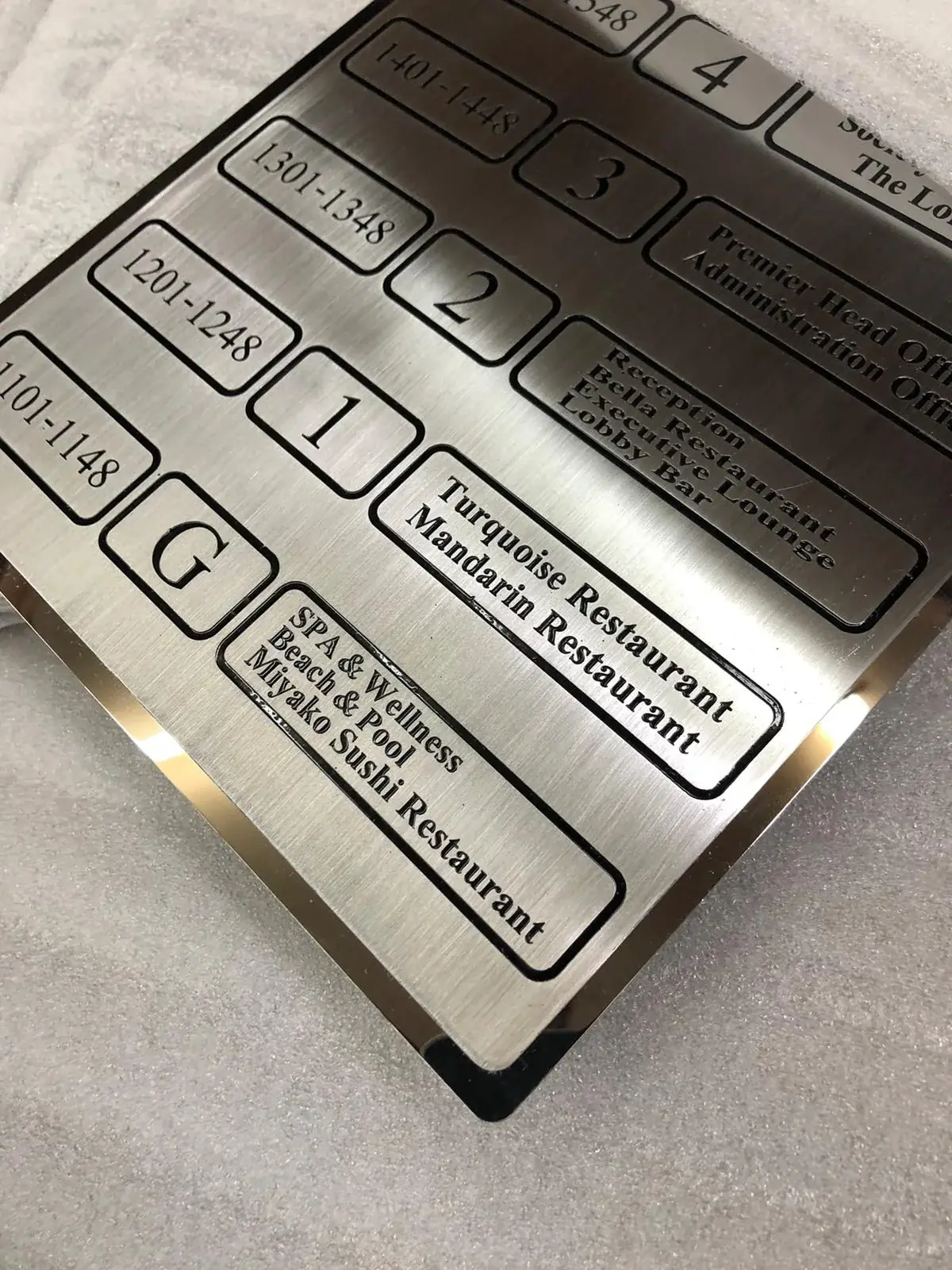
Pick a finish that works with the room
Acrylic comes in clear, white, coloured and frosted finishes, among others. A clear panel can be fixed a little way off the wall with small metal supports, leaving a neat shadow behind it. Opaque colour gives a bolder block. Printed graphics or vinyl, a thin coloured film with sticky backing, can add a logo or words. Printing on the back of clear acrylic can keep the image protected from everyday wiping, but the maker must know which side people will see. Ask for a sample if matching your business colours matters.
Keep the room around the sign in mind. A clear plaque might suit a quiet reception, while a coloured panel can be easier to spot in a busy corridor. Use the same letter style, spacing and colours on reception signs, room names and directories, so people can tell they belong together. Make sure the words stand out from the panel behind them. Small pale writing on a shiny clear sheet may be hard to read when a bright window is nearby. Check the design from the places where customers will actually stand.
Set the size and shape before ordering
There is no one thickness that suits every acrylic sign. A small plaque beside a door needs less support than a wide panel behind a reception desk. The sign maker can suggest a thickness after hearing the finished size and how it will be fixed. Do not choose a thick sheet just because it looks more solid. A large panel may feel too heavy in a small room, while a very thin panel can bend if it is not supported well. Ask to see the full size and fixing plan before approving it.
Measure the wall and mark the place where the sign should sit. Note nearby lights, sockets, shelves, wall edges and anything hidden behind the surface that could affect drilling. For several room signs, make a list of every room name and number. Check every line against the list before the signs are made. A proof, which is a picture of the planned sign for you to approve, should show its size, wording, colours and holes or supports. That simple check can prevent a whole set of signs being made with one repeated mistake.
- Measure the wall and note where visitors will read the sign.
- Choose the wording, colour, size and finish before approval.
- Check every room name, number and direction on the proof.
- Tell the sign maker about building access and suitable fitting times.
Plan artwork and fitting together
Send the current version of your logo if you have it, along with the colours you use. A clean logo file gives the maker the best chance of showing it clearly at the right size. Keep the words short enough to read from the expected distance. A proof should show how the logo and words fit on the panel, not just the design on a blank screen. If the sign is one of several, share a list or simple plan that shows where each one belongs. This helps the person fitting them put each sign in the right place.
Acrylic signs can use visible metal supports or hidden fittings. The right choice depends on the panel, the wall and the look you want. A fixing that works on brick may not work on plasterboard, which is a lighter wall covering. If you are unsure what the wall is made of, take a clear photo or arrange a visit before the sign is made. Ask whether fitting is included in the quote and whether the team needs access during a certain time. Agree the height and position before drilling starts.
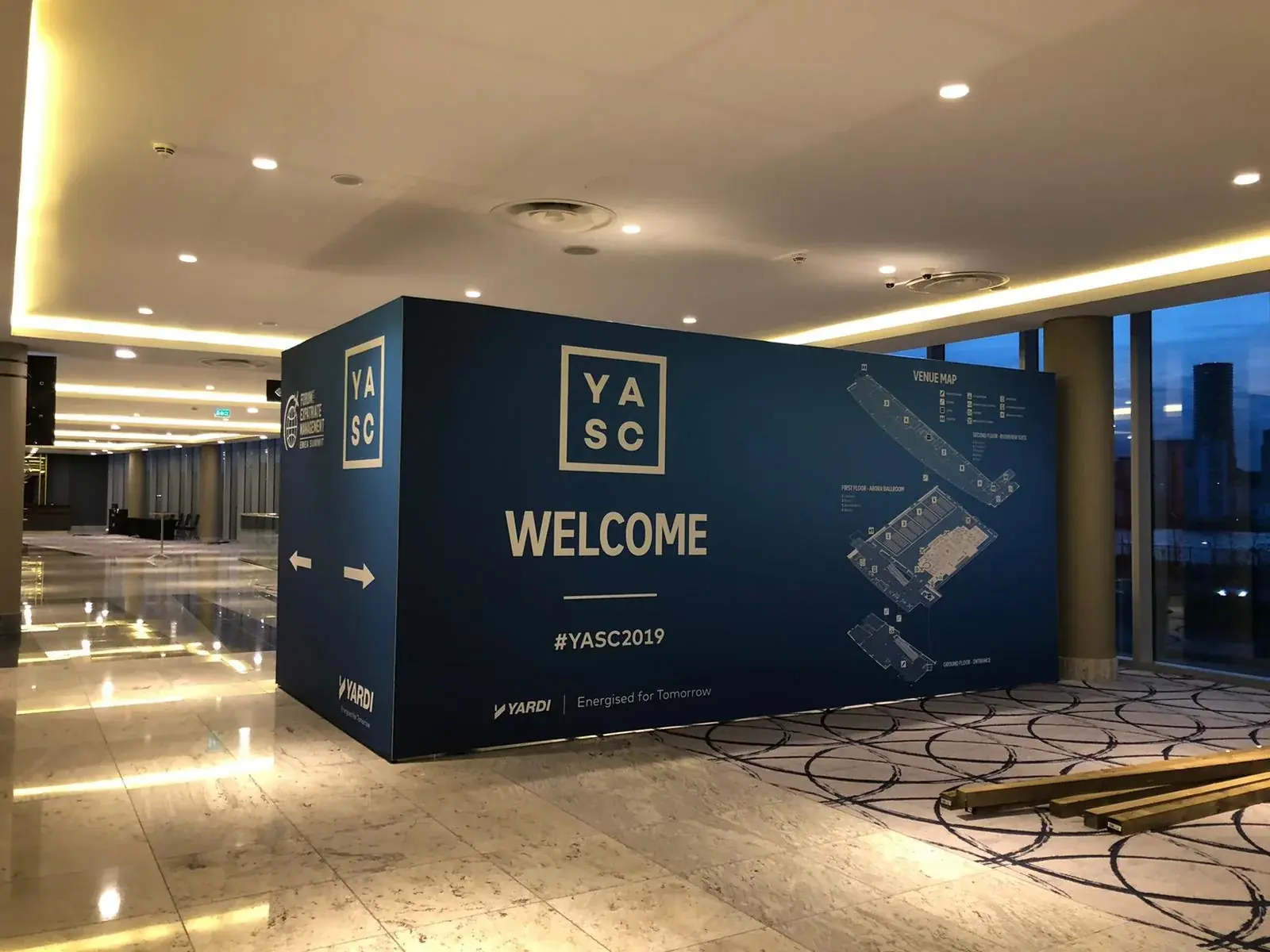
Keep the sign clean and ready for changes
Acrylic can scratch, so take care when cleaning it. First remove loose dust with a soft cloth. Then wipe gently with a clean, damp cloth or a cleaner confirmed as safe for acrylic. Do not use rough pads, scouring powder or a strong cleaner unless the sign maker says it is suitable. Tiny bits of grit can scratch the face if rubbed across it. In a busy hallway, think about whether bags, trolleys or hands are likely to bump the panel. A slightly different position may help protect it.
Some signs stay the same for years, but room names, tenants and opening details can change. If you expect changes, ask whether the sign can use a replaceable paper or plastic insert instead of permanent wording. Save the approved logo, colours, panel size and fixing positions. Those details make it easier to order a matching sign later. For a business with more than one site, keep one shared record of the design choices. Each building may have a different wall, but the signs can still look like part of the same business.
Give your sign maker a useful brief
When you ask for advice, explain what the sign needs to say, who will read it and where it will be fitted. Include rough measurements, a straight-on photo of the wall, the number of signs and any logo files you have. Say whether you prefer a clear, coloured or frosted look. Mention if visitors need directions, if the sign is close to a window, or if it will be touched often. These everyday details help the maker suggest an option that fits the real room rather than guessing from a sign name alone.
If fitting is needed, include the address, useful access times and any building contact. Ask what the quote covers: artwork help, making the sign, delivery, taking down an old sign and fitting may be listed separately. Check the finished wording, number of panels, colour and fitting plan before giving approval. For a London shop or office, parking or building rules may affect when a team can work. Raising those points early can make planning easier. Keep the final proof and quote so everyone can refer to the same agreed details.
3D Built-Up Letters London — Look at acrylic sign options for your shop, office or reception.
Conclusion: make the sign fit the space
A good acrylic sign starts with a simple question: what should a visitor notice or do? Once that is clear, look at the wall, light, reading distance and likely wear. Choose a finish and size that suit those conditions, then check the wording, colour and fixing plan on a proof. If details may change, plan for that now rather than after the sign is fitted. London Signage can discuss sign choices for shops and workplaces. Send a photo, rough measurements and your artwork through the contact page or quote form, and explain what the sign needs to do. A clear brief gives the team a useful starting point for discussing the next step.
Contact London Signage — Share a few details and ask a question about your sign.
Ask for a sign quote — Send your measurements, artwork and fitting details for review.
Frequently asked questions
Can an acrylic sign go outside?
Some acrylic signs can be used outside, but rain, sunlight, size and how the sign is held all matter. Tell the sign maker where it will go so they can advise on the right build.
Can I put my logo on an acrylic sign?
Yes. A logo can often be printed on the panel or added as vinyl, a thin printed film with sticky backing. For clear panels, ask whether printing on the back would help protect it.
How is an acrylic sign fixed to a wall?
It may use small visible metal supports or hidden fittings. The best choice depends on the panel size and wall type, so agree the fixing plan before the sign is made.
What is the safest way to clean acrylic?
Use a soft, clean cloth and a cleaner known to be safe for acrylic. Avoid rough pads and strong cleaners, which may scratch or mark the surface.